
The search for the best XL wet bag for kids’ activities in Singapore often leads parents to realize that capacity, material durability, and reliable waterproofing are the most critical factors. In a tropical climate where sudden downpours, swimming lessons, and outdoor splash play are part of daily life, a standard plastic bag or small pouch simply cannot keep up. An extra-large (XL) wet bag, typically measuring at least 30 by 40 centimeters, offers the space needed to store damp towels, soiled sportswear, and muddy shoes without leaking moisture or odors onto other belongings. By focusing on high-quality materials like thermoplastic polyurethane (TPU) and heat-sealed seams, parents can find a durable solution that simplifies daily transitions from school to extracurricular activities.
Why an XL Wet Bag Is Essential for Kids' Daily Activities
Managing children’s gear for daily activities in Singapore requires a smart storage strategy. From swimming lessons at public pools to outdoor play sessions at local parks, kids generate a surprising volume of wet, damp, or soiled laundry. A standard-sized wet bag often falls short when trying to pack a large microfiber towel, a change of clothes, swimwear, and a pair of water shoes. An XL wet bag provides the generous volume necessary to consolidate all these bulky items into a single, organized compartment.
The tropical climate of Singapore, characterized by high humidity and warm temperatures, creates an environment where mold, mildew, and bacteria can thrive rapidly on damp fabrics. Leaving wet swimsuits or sweaty physical education (PE) kits loose in a school backpack can ruin expensive textbooks, homework sheets, and electronic devices. A dedicated wet bag acts as a secure barrier, containing moisture and preventing musty odors from permeating the rest of the backpack’s contents.
Products mentioned in this guide
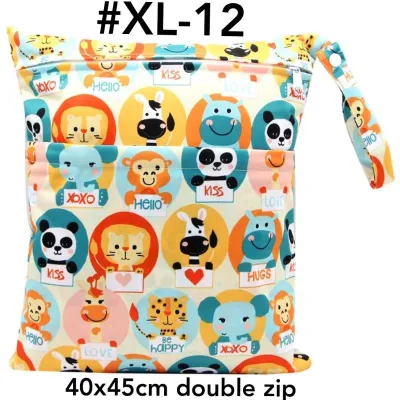
![[SG Ready Stock] Large 36 x 30 cm / 40 x 45 cm Waterproof Reusable Diaper Wetbags Swim Bag Toiletries WBLA [Little Gems SG]](https://img.lazcdn.com/g/p/3f6d7d23a73a4a0840932c0a4301754a.jpg_400x400q80.jpg_.webp)
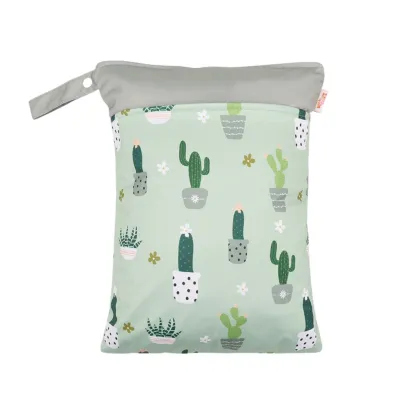
![[SG Instock] Personalized Wet Bags customised with name for Preschool Gym Swimming Baby Diaper Bag](https://img.lazcdn.com/g/p/fd248e80ba99edfe3290d80b493a9f78.jpg_400x400q80.jpg_.webp)
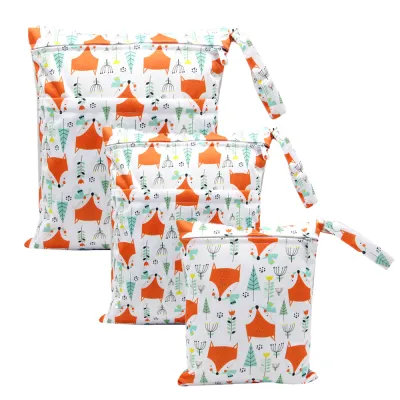
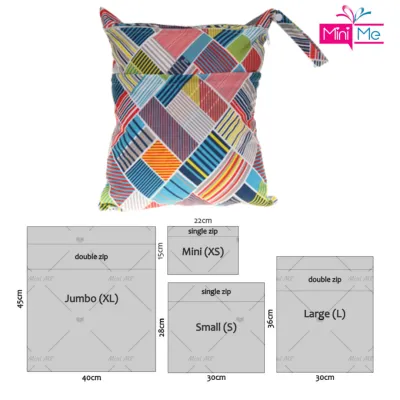
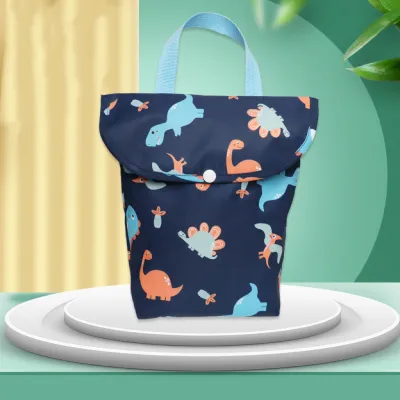
Prices are valid at publication and may change. Please refer to the product page for the latest price.
For parents managing multiple children, the logistics of outings can quickly become overwhelming. Carrying separate small wet bags for each child increases the likelihood of leaving items behind. An XL wet bag allows caregivers to pool all soiled or wet items from the entire family into one central location. This consolidation makes it easier to pack, carry, and unpack after a long day out, leaving parents with fewer individual bags to track.
Investing in a high-quality wet bag, which typically ranges from S$15 to S$40 depending on the brand and features, also supports environmental sustainability. Unlike single-use plastic bags that tear easily and contribute to plastic waste, a reusable wet bag can be washed and reused hundreds of times. This durability makes it a cost-effective and eco-friendly choice for families looking to reduce their environmental footprint while keeping their daily outings organized.
Key Features to Evaluate When Shopping for an XL Wet Bag
Understanding Waterproof Linings (TPU vs. PUL)
When evaluating wet bags, the choice of lining material is paramount. Most high-quality wet bags utilize either Thermoplastic Polyurethane (TPU) or Polyurethane Laminate (PUL). PUL is a polyester fabric that has been thermally bonded to a thin layer of polyurethane, making it highly durable and resistant to high-temperature washes. TPU, on the other hand, is created using a heat-bonding process that is often considered more environmentally friendly as it avoids chemical solvents. Both materials offer excellent waterproofing, but parents should check product labels to verify which lining is used and ensure it aligns with their washing preferences.

Seam Construction and Leak Prevention
A wet bag is only as leak-proof as its seams. Standard sewing needles create tiny punctures in the fabric that can allow liquid to seep through over time, especially when carrying soaking-wet swimwear. To prevent this, look for bags that feature heat-sealed or taped seams, which melt the lining layers together to form an impenetrable barrier. If heat-sealed options are unavailable, ensure the bag has double-stitched seams and a thick outer fabric layer to minimize the risk of moisture transfer.
Zipper Quality and Closure Systems
The zipper is often the first component to fail on a heavily used wet bag. Look for sturdy, smooth-gliding zippers made from rust-proof materials like heavy-duty plastic or treated metals. A quality zipper should close tightly without leaving gaps at the ends where moisture or odors could escape. Some XL wet bags also feature roll-top closures with buckle snaps, similar to dry bags used for kayaking, which provide an exceptionally secure seal for very wet items.
Carrying Options and Hardware
An XL wet bag can become heavy when filled with wet towels and clothes. Look for bags equipped with reinforced, wide handles or adjustable shoulder straps that distribute weight comfortably. Snap-button handles are particularly useful, as they allow you to loop the bag around stroller handlebars, towel racks, or locker pegs. Verify that any plastic snaps or metal clips are sturdy and securely attached to the bag’s main body to prevent tearing under load.
Washing and Care Labels
Before making a purchase, always read the manufacturer’s care instructions. Some wet bags are strictly hand-wash only, while others can tolerate machine washing on gentle cycles. If you prefer a low-maintenance routine, look for bags that explicitly state they are machine washable and can be tumble dried on low heat. Choosing a bag that matches your preferred laundry routine will ensure its longevity and prevent accidental damage during cleaning.
Matching the Wet Bag Design to Specific Activity Scenarios
Swimming Lessons and Water Sports
For activities centered around water, such as swimming lessons, beach trips, or splash pad play, look for an XL wet bag with a dual-compartment design. These bags feature two separate zippered pockets, often labeled “wet” and “dry.” This layout allows you to pack clean, dry clothes and dry towels in one compartment before the activity. After swimming, the wet gear goes into the waterproof compartment, keeping the remaining dry items completely isolated and protected.
School PE and Childcare Routines
For daily school use, children need a wet bag that is lightweight, easy to open, and simple to store. A single-compartment XL wet bag made from a flexible, packable fabric is ideal for stuffing into a school backpack. Look for designs with a prominent hanging loop so your child can easily hang the bag on a classroom hook or inside a locker. Odor-blocking properties are especially important here, as sweaty PE kits or damp uniforms may sit in the bag for several hours before they are brought home for washing.
Full-Day Travel and Family Staycations
When planning full-day outings or weekend staycations, durability and ease of cleaning are the top priorities. Choose an XL wet bag with a rugged, water-resistant outer shell, such as heavy-duty canvas or oxford cloth, which can withstand being placed on rough outdoor surfaces like concrete, grass, or sand. An easy-wipe interior lining is also beneficial, allowing you to quickly wipe away mud, sand, or spilled liquids with a damp cloth so the bag can be reused immediately without undergoing a full wash cycle.
Care and Maintenance to Protect the Waterproof Lining
Daily Emptying and Rinsing
To prevent the growth of mold, mildew, and unpleasant odors, never leave wet or soiled items sealed inside an XL wet bag for extended periods. Empty the bag as soon as you return home. Turn the bag inside out and rinse the waterproof lining with cold water to remove chlorine, salt, or dirt. Hang the bag to air-dry in a well-ventilated area, ensuring it is completely dry before zipping it shut or storing it away.
Safe Machine Washing Practices
If the manufacturer’s instructions permit machine washing, wash the wet bag with a load of similar items, such as towels or children’s clothes. Use a gentle cycle with cold or lukewarm water. Avoid washing the wet bag with items that have open zippers, velcro, or sharp hooks, as these can snag and tear the delicate waterproof lining. Turning the bag inside out before placing it in the washing machine helps protect the outer design and ensures the lining is thoroughly cleaned.
Detergents and Additives to Avoid
When washing your wet bag, use a mild, additive-free laundry detergent. Avoid using fabric softeners, liquid bleach, or harsh stain removers. Fabric softeners leave a chemical residue on the lining that can degrade its waterproof properties over time, while bleach can break down the polyurethane coating, causing it to peel, crack, or delaminate.
Drying and Heat Prevention
Air-drying is the most effective way to preserve the integrity of the waterproof lining. Hang the bag inside out on a clothesline or drying rack in a shaded, well-ventilated space. Avoid exposing the lining to direct, intense sunlight for prolonged periods, as extreme heat can cause the TPU or PUL to warp or crack. If you must use a tumble dryer, ensure it is set to a low-heat or air-fluff cycle, and remove the bag promptly once the cycle is complete.
Frequently Asked Questions (FAQ)
Can a standard diaper bag or regular tote replace a dedicated XL wet bag?
While a standard diaper bag or canvas tote may seem convenient, they lack the specialized waterproof linings and sealed seams required to contain wetness. Regular bags allow moisture to seep through the fabric, which can damp other items in your backpack, cause water stains, and create a breeding ground for mold and bacteria. Dedicated XL wet bags are specifically engineered with TPU or PUL linings to lock in moisture and block odors, making them far more reliable for active kids.
How do I safely remove stubborn odors from a waterproof wet bag?
To remove persistent odors, first consult the manufacturer’s care label for any specific cleaning restrictions. If allowed, you can wipe down the interior lining with a soft cloth dampened with a mild solution of water and baking soda, which naturally neutralizes odors. Alternatively, hanging the bag inside out in a well-ventilated, shaded outdoor area can help fresh air eliminate lingering smells. Always ensure the bag is completely dry before folding or storing it, and contact the manufacturer if you encounter persistent issues.

Community discussion
Share your experience or ask a question. Comments are reviewed before publication.