
Finding the right wetbag for your child’s swimming lessons in Singapore means balancing leakproof reliability, ease of use, and durability against high humidity. A great wetbag must keep damp swimwear, caps, and goggles securely contained so that moisture does not seep into school books, homework, or dry uniforms. Because school swimming programmes require children to pack and unpack their gear independently, the ideal bag should also feature simple closures and a design that fits comfortably alongside their daily school essentials.
Selecting a wetbag requires looking closely at material construction, seam quality, and carrying options. By focusing on practical features rather than generic marketing claims, you can find a durable solution that keeps school gear dry and withstands regular use throughout the school term.
What Makes a Good Wetbag for School Swimming Programmes
During school swimming lessons, children must transition quickly from the poolside back into their school uniforms. Without a dedicated wetbag, damp swimsuits and chlorine-soaked towels are frequently stuffed directly into school backpacks. This creates a high risk of moisture transferring to textbooks, notebooks, and clean clothing, often ruining school materials and leaving uniforms damp and uncomfortable to wear for the rest of the day.
Products mentioned in this guide
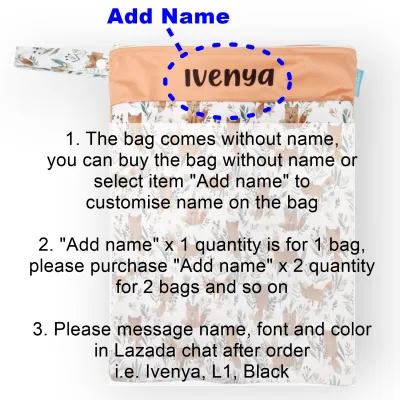
![[SG Seller] Custom Name Wet Bag | Waterproof Baby Diaper Bag | Kids Organiser Bag | Childcare Bag](https://img.lazcdn.com/g/p/683c3fe06ddbf1062d0e5e6565e93504.jpg_400x400q80.jpg_.webp)


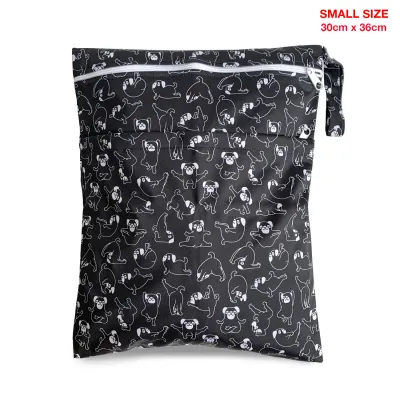

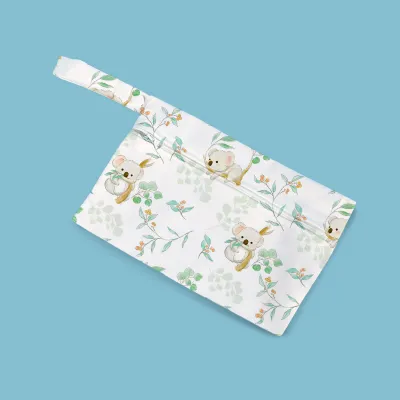
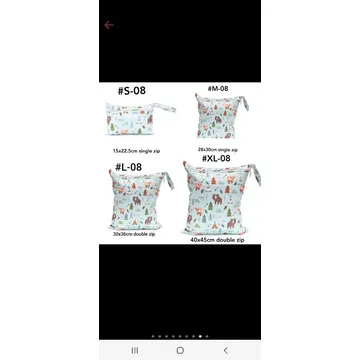
Prices are valid at publication and may change. Please refer to the product page for the latest price.
Managing damp gear is particularly challenging in Singapore’s tropical climate. High temperatures and relative humidity levels frequently exceeding 80 percent create an ideal breeding ground for bacteria, mould, and mildew. If damp swimwear is left in a non-breathable or poorly constructed bag for even a few hours during the school day, musty odours develop rapidly, making the gear unpleasant to use and difficult to clean.
Standard single-use plastic bags or basic canvas totes are highly inadequate for containing wet swim gear. Plastic bags tear easily when packed with sharp goggle clips or heavy wet towels, and they offer no structural support, often leaking through small punctures or loose knots. Canvas or non-waterproof tote bags absorb moisture, transferring dampness and chlorine smells directly to the child’s back or other bags during the commute home.
Recommended Wetbag Styles for Different Gear Loads
Selecting the right wetbag structure depends heavily on your child’s age, how they travel to school, and the volume of gear required for their lessons. Matching the bag’s design to their specific kit ensures they can carry it comfortably without unnecessary bulk.

Drawstring Bags for Light, Quick-Dry Gear
Drawstring wetbags are highly suited for minimalist swim kits consisting of a lightweight swimsuit, a silicone cap, and goggles. These bags typically feature a single main compartment lined with a water-resistant layer, making them exceptionally lightweight and compact when empty.
For younger children in preschool or early primary school, drawstring designs are highly practical. The simple pull-to-close mechanism requires minimal fine motor skills, allowing children to pack their wet gear independently without struggling with stiff zippers or complex clips.
However, these bags have notable limitations. Because they lack separate dry compartments, any dry clothing packed inside will inevitably come into contact with wet items unless wrapped separately. Additionally, the drawstring closure at the top is not hermetically sealed; if the bag is overfilled or tipped upside down in a school backpack, water can slowly seep through the top opening.
Zippered Dual-Compartment Bags for Full Kits
Zippered dual-compartment wetbags, often referred to as wet-dry bags, are designed for comprehensive swim kits that include a full-sized towel, toiletries, a swimsuit, and a complete change of clothes. These bags feature two distinct sections separated by an internal waterproof barrier.
The primary advantage of this style is the absolute separation of wet and dry items. Your child can pack their clean school uniform or dry underwear in the dry compartment before the lesson, and then swap them with their wet swimsuit and damp towel afterward. The secure zippered closures prevent any moisture transfer between the two sections, ensuring dry clothes remain completely pristine.
On the downside, zippers require a bit more care and maintenance. Exposure to chlorinated pool water or salty air can cause standard metal zippers to corrode or jam over time, so parents should look for durable plastic or nylon zippers. These bags are also inherently bulkier and heavier than drawstring options, which may take up significant space inside a standard school bag.
Backpack-Style Wetbags for Hands-Free Commutes
Backpack-style wetbags are an excellent choice for older children who commute independently, walk home, or take public transport after their swimming lessons. These bags feature dual shoulder straps, allowing the weight of wet towels and gear to be distributed evenly across the child’s back.
This hands-free design is highly beneficial for safety during commutes, leaving the child’s hands free to hold handrails on buses or trains, carry their primary school bag, or hold an umbrella during sudden tropical downpours. Many of these backpacks also include external mesh pockets for water bottles and small zippered pockets for bus cards or pocket money.
However, backpack wetbags require more diligent maintenance. The padded shoulder straps and back panels can absorb sweat and ambient moisture, making them susceptible to mould if not dried thoroughly in a well-ventilated space. They also tend to be more expensive than simple pouches and may be too large for younger children to carry comfortably alongside their regular school bags.
Essential Features to Check Before Buying
When browsing online marketplaces or local baby gear stores, several physical attributes deserve close inspection to ensure the wetbag is practical for daily school use.
First, consider the size and capacity. A bag that is too small will force your child to cram their gear inside, putting immense pressure on the seams and zippers, which leads to premature tearing. For a standard kids’ swimming kit—including a microfiber towel, swimsuit, goggles, and cap—a bag measuring approximately 30 cm by 40 cm is generally sufficient. If your child uses a thick cotton bath towel instead of a compact microfiber one, you will need to opt for a larger size.
Next, evaluate the closure mechanisms. For maximum leak prevention, look for bags with roll-top buckle closures or high-quality, water-resistant zippers. Roll-top closures, similar to those used on outdoor dry bags, provide an exceptionally reliable seal against leaks because the fabric is folded over multiple times before being buckled in place. If choosing a zippered bag, verify that the zipper teeth are tightly aligned and covered by a fabric flap to block moisture from seeping through the zipper track.
Carrying and attachment options are also crucial for school integration. Look for wetbags equipped with snap-button handles or integrated carabiner clips. These features allow your child to clip the wetbag to the exterior of their main school backpack, saving valuable internal space and keeping damp gear completely isolated from school books.
Finally, prioritize visibility and identification features. In a school swimming programme where dozens of children change at the same time, identical or similar bags are easily mixed up. Opt for wetbags with bright, distinctive patterns or those featuring a dedicated, clear plastic name tag window. Writing your child’s name and class clearly on the tag reduces the risk of the bag being lost or mistakenly taken home by a classmate.
How to Verify Waterproof and Odour-Resistant Claims
Marketing terms can often be confusing, so it is essential to look past generic claims and verify the actual technical specifications of the wetbag before purchasing.
Start by understanding the difference between “water-resistant” and “waterproof.” A water-resistant bag is designed to repel light splashes or brief exposure to rain, but it will eventually allow water to soak through if holding saturated items. A truly waterproof wetbag is constructed to contain wet, dripping swimwear without letting any moisture escape. If your child tends to pack their swimsuit without wringing it out thoroughly, a fully waterproof bag is necessary.
Examine the construction of the seams, as this is where most leaks occur. Standard stitched seams have tiny needle holes that allow water to slowly drip out under pressure. High-quality wetbags feature heat-welded or taped seams, which melt the fabric edges together to create a completely seamless, watertight barrier. Check product descriptions or labels specifically for terms like “heat-sealed seams” or “taped seams.”
Look closely at the material specifications. Most reliable wetbags utilize a polyester outer shell bonded to an inner lining made of Thermoplastic Polyurethane (TPU) or Polyurethane Laminate (PUL). TPU and PUL are highly flexible, durable, and waterproof materials that do not crack easily with repeated folding. Avoid bags lined with cheap, stiff PVC, which can degrade quickly, crack under warm temperatures, and often carry a strong chemical odour.
Be realistic about odour-resistant claims. While some materials are treated to resist microbial growth, no wetbag is entirely odour-proof if damp, chlorinated gear is left sealed inside for hours in Singapore’s warm climate. The bag’s primary job is containment; preventing musty smells ultimately relies on prompt unpacking and proper washing routines.
Cleaning and Drying Routines for Singapore's Climate
Establishing a consistent maintenance routine is vital to prevent mould growth and extend the lifespan of your child’s wetbag in Singapore’s humid environment.
As soon as your child returns home from their swimming lesson, make it a rule to empty the wetbag immediately. Leaving damp, chlorinated swimwear inside a sealed bag overnight will rapidly lead to mildew spots and persistent sour smells that are incredibly difficult to remove. Once emptied, rinse the interior of the bag with cool, fresh tap water to wash away residual chlorine, salt, or pool chemicals, which can slowly degrade the waterproof lining over time.
When drying the bag, turn it completely inside out so the waterproof lining is fully exposed to the air. Hang the bag in a well-ventilated indoor area or a shaded outdoor spot with good air circulation. Avoid hanging the wetbag in direct, harsh afternoon sunlight, as extreme UV exposure can cause the TPU or PUL lining to melt, crack, or peel away from the outer fabric.
For regular washing, always consult the manufacturer’s care label attached to the bag. Many wetbags are machine-washable on a gentle cycle with cold water and a mild laundry detergent. Never use bleach, fabric softeners, or harsh stain removers, as these chemicals can strip away the water-repellent coatings and damage the internal laminate layer.
Monitor the bag regularly for signs of wear and tear. Over time, the waterproof lining may begin to peel, flake, or show fine cracks, especially around the seams and high-flex areas. If you notice water seeping through the fabric, persistent musty odours that remain after washing, or visible mould spots that cannot be cleaned, it is time to replace the wetbag to maintain proper hygiene and protect your child’s school gear.
Frequently Asked Questions (FAQ)
How many wetbags should my child have for weekly lessons?
For children participating in weekly school swimming lessons, having a minimum of two wetbags is highly recommended. This allows you to have one bag actively in use or packed in their school bag, while the second bag is being washed and thoroughly air-dried at home.
Because of Singapore’s high humidity, a wetbag can take a full day or longer to dry completely inside out, especially during the monsoon seasons. Reusing a damp or partially dried wetbag for consecutive lessons or activities introduces a high risk of bacterial and mould growth, which can cause unpleasant odours and potentially irritate your child’s skin. Having a spare bag ensures you never have to rush the drying process.
Are wetbags safe to put in the washing machine?
Many wetbags are safe for machine washing, but you must always verify this by checking the specific manufacturer’s care instructions first. If machine washing is permitted, use a gentle cycle with cold water and a mild detergent, and place the bag inside a mesh laundry wash bag to protect the straps and buckles from getting tangled or damaged.
Avoid using fabric softeners, bleach, or strong stain removers, as these products can chemically break down the polyurethane laminate (PUL) or thermoplastic polyurethane (TPU) waterproof lining. Additionally, never place a wetbag in a tumble dryer; the high heat of a dryer can easily melt, warp, or crack the waterproof inner layer, rendering the bag useless. Always opt to air-dry the bag inside out in a shaded, well-ventilated space.

Community discussion
Share your experience or ask a question. Comments are reviewed before publication.