
Selecting the right toy storage for a nursery goes beyond simply keeping the room tidy; it requires balancing infant safety, accessibility for developing motor skills, and practical maintenance. Because babies and toddlers interact with their environment by pulling, climbing, and mouthing objects, every storage solution must be evaluated for structural stability and material safety. This guide outlines the essential safety checks, compares the most common storage formats, and provides actionable setup strategies to create a secure and engaging play space.
Key Safety Features to Check Before Buying
Physical safety is the primary consideration when introducing any furniture into a baby’s room. The most critical hazard associated with upright storage units is the risk of tipping over. As babies learn to pull themselves up to a standing position, they often use shelf ledges or bin rims for leverage. Any organizer that is taller than it is deep presents a potential tip-over hazard if it is not secured. When shopping, look for units that include dedicated wall-anchoring hardware, or plan to purchase heavy-duty anti-tip straps separately.
Beyond structural stability, you must inspect the physical design of the organizer for smaller, immediate hazards. Examine all edges, corners, and joints to ensure they are rounded and smooth to prevent cuts or bruises during active play. Check for pinch points, particularly around hinges, sliding tracks, or folding mechanisms. Removable parts, such as small plastic caps, screws, or decorative handles, must be checked to ensure they cannot be easily detached and become choking hazards.
Products mentioned in this guide
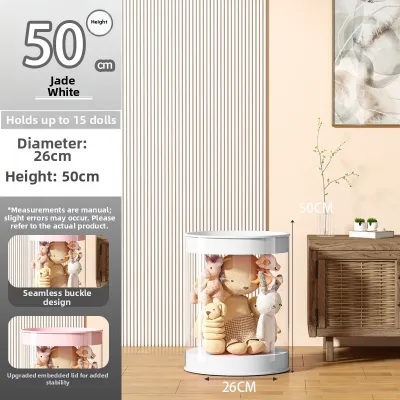
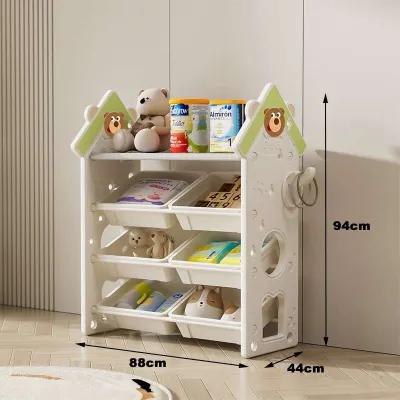
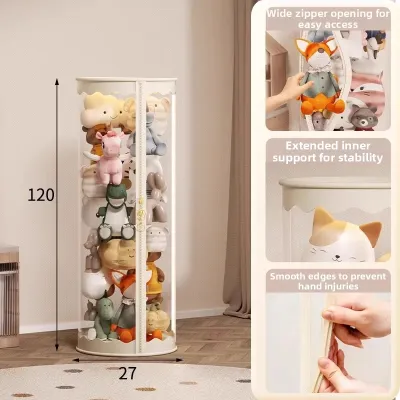
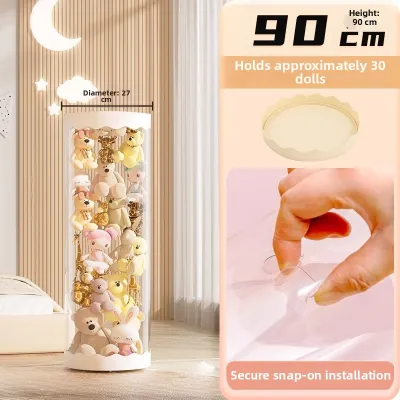
Prices are valid at publication and may change. Please refer to the product page for the latest price.
Material safety is equally vital, as infants frequently mouth surfaces during teething phases. Verify that any wooden components are finished with non-toxic, water-based paints or food-grade oils. For plastic bins and organizers, check the manufacturer’s specifications to ensure they are free from bisphenol A (BPA), phthalates, and lead. Look for recognized safety labels or certifications on the packaging that confirm compliance with international toy safety standards.
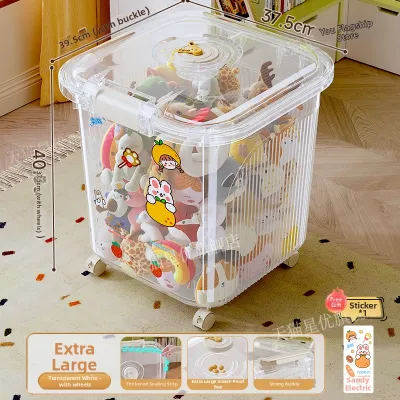
If you choose a large, enclosed toy chest, ventilation is a critical safety feature that cannot be overlooked. Children sometimes climb inside large boxes during play, creating a risk of suffocation if the lid closes behind them. Ensure that any lidded chest features built-in ventilation slots or a generous gap beneath the lid to allow continuous airflow. Additionally, the lid must be light enough for a child to push open from the inside, or designed to remain open automatically.
Comparing Nursery Toy Storage Types
Selecting the right storage format depends on your nursery’s layout, your budget, and your child’s current developmental stage. Different storage systems offer distinct advantages, ranging from high visibility that encourages independent play to enclosed designs that minimize visual clutter. Understanding how these options perform in a real-world nursery setting helps you build a functional, adaptable space.

Open Shelves and Cubbies
Open shelves and cubby units are excellent for displaying toys in an organized, highly visible manner. This format is particularly beneficial for older infants and toddlers who are beginning to recognize shapes, colors, and categories. When toys are visible at eye level, children can make independent choices about what to play with, which supports cognitive development and decision-making. During cleanup, open cubbies make it easy for toddlers to practice returning items to their designated spots.
Before purchasing an open shelf unit, carefully evaluate its physical dimensions and structural integrity. Check the shelf depth to ensure it can accommodate standard-sized bins without them protruding into the walking path. Review the manufacturer’s specified weight limits for each shelf to prevent bowing or structural failure over time. To maximize safety, choose a low-profile unit with a wide base, which naturally lowers the center of gravity and reduces the risk of tipping.
To make open cubbies even more practical, pair them with removable, lightweight bins. This hybrid approach allows you to keep smaller toy sets, such as building blocks or wooden animals, contained within a single compartment. Ensure the bins fit snugly within the cubbies but remain easy for a child to slide out without catching their fingers.
Soft Bins and Baskets
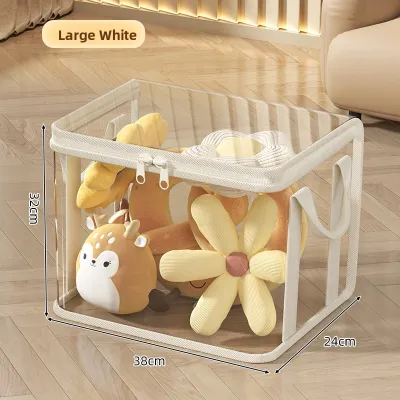
Soft bins and baskets made of canvas, felt, or woven cotton are ideal for floor-level storage in active play zones. Because these containers have no sharp corners or hard surfaces, they pose virtually no injury risk if a crawling baby bumps into them or pulls them down. They are lightweight enough for infants to explore safely, allowing them to reach in and grab toys independently.
When evaluating soft storage options, pay close attention to the construction of the handles. Handles must be securely stitched or integrated directly into the fabric of the basket rather than attached with small metal rivets or plastic clips, which can pull free and pose a choking hazard. Avoid baskets with long decorative tassels, loose threads, or delicate weave patterns that could catch on tiny fingers or toes.
It is also important to avoid baskets with hidden wire frames or rigid internal supports that could bend or break. If a child steps on or sits inside a wire-framed basket, the frame can collapse, potentially exposing sharp metal ends. Opt instead for self-supporting fabric bins that maintain their shape through dense, high-quality stitching or thick felt construction.
Lidded Toy Boxes and Chests
Lidded toy boxes and chests are highly effective for keeping a nursery looking tidy and organized. They are particularly useful for storing larger items, such as plush toys, blankets, or bulky playsets, while keeping them free from household dust. By concealing the toys when they are not in use, lidded chests also help reduce visual overstimulation in the nursery, creating a calmer environment that supports healthy sleep patterns.
However, the use of lidded storage requires strict adherence to safety features. The most critical component of any lidded toy chest is a safety hinge or lid support mechanism. This hardware must prevent the lid from slamming shut under its own weight, protecting small fingers and hands from painful pinches. Look for soft-close or torsion hinges that hold the lid open at any angle and require active pressure to close.
Additionally, ensure the lid is either completely removable or lightweight enough that it does not pose a trapping hazard. If the chest is made of heavy wood, a removable lid or an open-front design is often safer than a heavy hinged lid. Always verify that the interior of the chest is well-ventilated, even when the lid is fully closed, to ensure safety if a child climbs inside.
How to Arrange Toy Storage for Independent Play
The way you arrange your nursery storage directly impacts both safety and your child’s play experience. A well-organized layout encourages independent exploration while minimizing the risk of accidents. Start by placing the heaviest items, such as large wooden blocks, heavy books, and sturdy activity centers, on the lowest shelves or directly on the floor. This distribution of weight lowers the overall center of gravity of your shelving units, making them significantly more stable and less likely to tip.
Implementing a toy rotation system is an excellent way to keep your child engaged without overwhelming the nursery with clutter. Instead of keeping every toy accessible at once, display only a curated selection on the lower, easily reachable shelves. Store the remaining toys in a separate closet or high cabinet, and swap them out every few weeks. This practice keeps the play environment fresh and manageable, reducing the visual chaos that can lead to frustration or overstimulation.
Any items that pose potential safety risks must be kept entirely out of your child’s reach in locked or high cabinets. This includes toys with small parts, craft supplies, electronic devices with exposed cords, and spare batteries. Never store these items in the same organizers as daily-use toys, as children are naturally curious and will attempt to climb shelves to reach items stored just out of their grasp. Keep the accessible play zones strictly populated with age-appropriate, safe items.
Maintenance and Cleaning Checks for Nursery Organizers
Regular maintenance and cleaning are essential to keep your nursery organizers hygienic and structurally sound. In Singapore’s warm and humid climate, fabric bins and woven baskets are particularly susceptible to developing mold and mildew. Inspect these soft containers regularly for any signs of dampness, musty odors, or discoloration. Always follow the manufacturer’s specific washing instructions, and ensure fabric items are completely dry before returning them to the nursery.
For plastic and wooden organizers, establish a routine of wiping down surfaces with mild, baby-safe cleaners. Avoid harsh chemical disinfectants, bleach, or abrasive scrubs, which can degrade protective finishes, strip paint, or leave behind toxic residues that a baby might ingest. A simple solution of warm water and mild dish soap is usually sufficient for daily cleaning.
In addition to cleaning, schedule periodic structural inspections of all nursery furniture. Check wall anchors and anti-tip straps to ensure they remain securely fastened to both the wall and the furniture. Inspect shelf joints, drawer slides, and hinge screws for any signs of loosening caused by daily use or changes in humidity. Tighten any loose hardware immediately to maintain the structural integrity of your storage systems.
Frequently Asked Questions (FAQ)
Are fabric or plastic bins better for a baby nursery?
Both materials have distinct advantages depending on where they are placed and how they are used. Fabric bins are lightweight, soft, and highly forgiving, making them the safest choice for floor-level storage where babies crawl and play. They eliminate the risk of impact injuries if a child bumps into them. However, they can be more difficult to clean and are prone to absorbing moisture in humid environments. Rigid plastic bins, on the other hand, are highly durable, structured, and easy to wipe clean or sanitize. They provide excellent support for heavier toys but should be placed on lower shelves or inside sturdy cubbies to prevent them from being pulled down onto a child. When choosing fabric bins, always check that they do not contain hidden, rigid wire frames that could bend or break.
How do I prevent a toy shelf from tipping over?
To prevent a toy shelf from tipping, you must secure it directly to the wall using reliable anti-tip hardware. Most manufacturers include these kits with their furniture, but high-quality aftermarket straps are also widely available. In Singapore, where many homes feature concrete or masonry walls, you must use appropriate wall plugs (such as rawlplugs) and a masonry drill bit to ensure a secure hold. If you are anchoring into drywall, locate the wooden wall studs using a stud finder and screw the brackets directly into the studs. Avoid relying on adhesive strips or light-duty anchors, as they cannot withstand the force of a child pulling or climbing on the furniture. Always place heavier items on the bottom shelves to keep the unit’s center of gravity as low as possible.

Community discussion
Share your experience or ask a question. Comments are reviewed before publication.