
Seaweed snacks have become a staple in many Singaporean households, loved by children for their crispy texture and savory taste. While these thin green sheets seem like a naturally healthy alternative to potato chips or sweets, commercial formulations vary widely. Some are lightly toasted with minimal oil, while others are heavily seasoned with salt, sugar, and flavor enhancers. Because product ingredients and manufacturing processes change frequently, relying on a static list of recommended brands can be misleading. This guide is designed to empower you with the practical tools, label-reading skills, and safety checks needed to evaluate any seaweed snack on the shelf, ensuring you make the best choice for your child’s specific developmental stage and nutritional needs.
The Nutritional Reality of Commercial Seaweed Snacks
Seaweed is naturally packed with beneficial nutrients. In its pure form, marine algae concentrates essential minerals from the ocean, offering a natural source of iodine, which supports thyroid function and metabolic health. It also contains dietary fiber, which aids digestion, alongside small amounts of vitamins A, C, and E, and trace minerals like iron and calcium. For parents looking to expand their child’s palate, seaweed introduces a unique umami flavor and a satisfyingly crispy texture that can make snack time both exciting and nutritious.
However, the transition from raw sea vegetable to a packaged commercial snack often introduces ingredients that compromise these natural benefits. Many commercially prepared seaweed snacks are heavily processed to appeal to young taste buds. This processing frequently involves roasting the sheets in large amounts of oil and dusting them with fine salt, sugar, or artificial flavorings. Some seasoned varieties contain added monosodium glutamate (MSG) or artificial colorings to enhance their appeal.
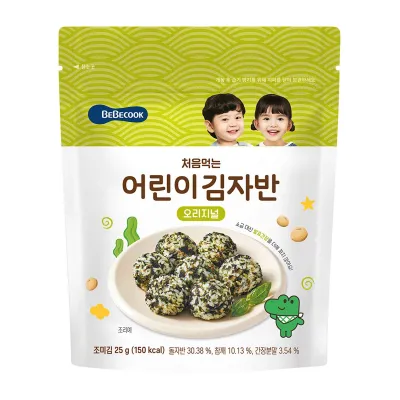
Products mentioned in this guide
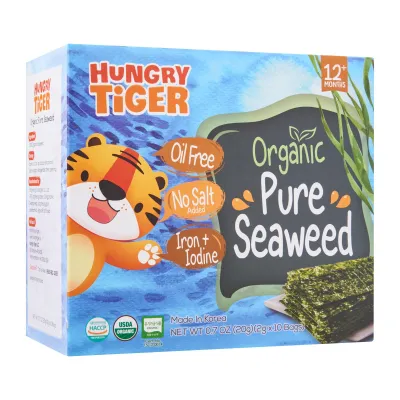
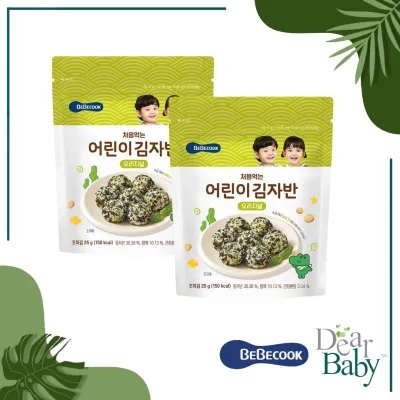
![[Single] BeBecook - My First Sun-Dried Seaweed Mix (Original | Seafood & Vegetables) 25g](https://img.lazcdn.com/g/p/8ef7bcd181b15f6d68d1e53a9dcc2250.jpg_400x400q80.jpg_.webp)
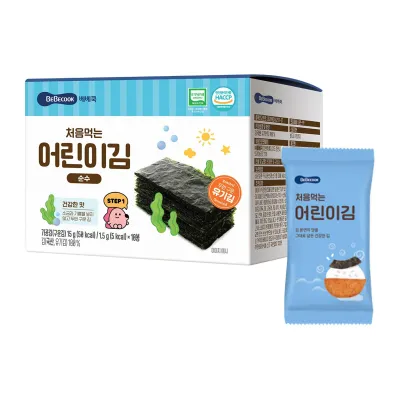
![[Single] BeBecook - Babys First Organic Sun-Dried Seaweed (Non-Seasoned)](https://img.lazcdn.com/g/p/298671e408aaa154f493fa22f392db1c.jpg_400x400q80.jpg_.webp)
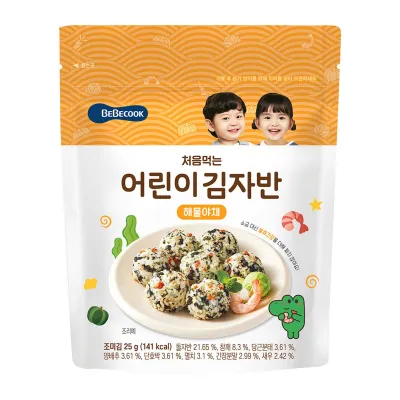
Prices are valid at publication and may change. Please refer to the product page for the latest price.
To make an informed choice, you must distinguish between plain roasted seaweed (often referred to as nori sheets used for sushi) and heavily seasoned snack varieties. Plain roasted seaweed typically contains only one ingredient: seaweed. Seasoned varieties, on the other hand, can carry a long list of additives. While plain sheets might taste less intense, they offer the purest nutritional profile. Seasoned options should be treated with caution, as the added sodium and fats can quickly turn a low-calorie, nutrient-dense food into a high-sodium snack that exceeds a child’s daily recommended intake.
What to Look For: Key Criteria for Comparing Brands
When standing in the snack aisle of a Singapore supermarket or browsing an online grocery store, comparing brands requires a systematic approach. The first and most critical dimension to evaluate is the sodium content. Children have much lower daily sodium requirements than adults, and their developing kidneys are highly sensitive to excess salt. When reviewing the nutrition information panel, look at the sodium content per serving and compare it across different brands. Opt for brands that offer the lowest sodium per serving, ideally looking for those labeled “low sodium” or “no added salt,” though you must always verify these claims against the actual nutrition facts label.

The simplicity of the ingredient list is another reliable indicator of snack quality. A high-quality seaweed snack for children should ideally contain very few ingredients—often just seaweed, a high-quality oil, and a minimal pinch of salt. If the ingredient list is long and filled with chemical names, preservatives, or artificial flavorings, it is best to leave the product on the shelf. Fewer ingredients mean fewer unnecessary additives entering your child’s diet.
The type of oil used for roasting also plays a significant role in the overall nutritional profile. Commercial brands commonly use sesame oil, perilla oil, canola oil, corn oil, or palm oil. Sesame and perilla oils are popular for their rich aroma and flavor, but they can be prone to oxidation if not stored correctly. Canola and corn oils are lighter but are often highly refined. Pay close attention to the total fat and saturated fat content listed on the panel. High saturated fat levels, often resulting from the use of palm oil or hydrogenated oils, are less desirable for growing children.
To help you quickly evaluate options during your next shopping trip, use this comparison framework to weigh ideal traits against potential red flags:
| Evaluation Dimension | Ideal Traits (Look For) | Red Flags (Avoid or Limit) |
|---|---|---|
| Sodium Content | Low sodium per serving; labeled as "no added salt" or "unsalted" | High sodium levels; salt listed near the beginning of the ingredient list |
| Ingredient List | Short, simple list; recognizable whole-food ingredients | Long list containing MSG, artificial flavorings, or chemical preservatives |
| Oil Quality | Minimal oil used; high-quality oils like sesame or perilla oil | Excessive oil residue; use of hydrogenated oils or high saturated fat levels |
| Allergen Labeling | Clear allergen declarations; processed in a dedicated allergen-free facility | Vague allergen warnings; high risk of cross-contamination with shellfish or gluten |
| Age Suitability | Explicitly formulated for toddlers or young children with age-appropriate textures | Tough, chewy textures; sharp edges; no clear age recommendations |
Decoding the Label: Spotting Hidden Sodium and Allergens
Reading the front of a package is rarely enough, as marketing terms like “all-natural” or “baked, not fried” can obscure the actual nutritional content. To truly understand what your child is eating, you must decode the ingredient list on the back. Manufacturers often use different names for sodium to make the product sound healthier. Look out for hidden sources of sodium such as soy sauce powder, yeast extract, hydrolyzed vegetable protein, and monosodium glutamate (MSG). These ingredients are added to boost the savory umami flavor but significantly contribute to the overall sodium load without always being clearly highlighted as “salt” on the front packaging.
Allergens are another critical consideration, especially for young children with developing immune systems. Seaweed snacks are frequently processed using sesame oil or soy-based seasonings, making sesame and soy common allergens in these products. Additionally, because seaweed is harvested from the ocean, there is a natural risk of cross-contact with shellfish and crustaceans. Many brands also process their seaweed snacks in facilities that handle wheat, gluten, or fish. Always check the allergen warning statement—usually printed in bold below the ingredient list—to verify if the product is safe for your child’s specific dietary restrictions.
Furthermore, pay close attention to the defined serving size on the nutrition label. A single package of seaweed snacks often contains multiple individual trays, and each tray might be designated as two or three servings. Because these snacks are light and easy to eat, children frequently consume an entire packet or even multiple packets in one sitting. If a child eats three servings’ worth of seaweed, they are also consuming three times the sodium, fat, and calories listed for a single serving. Always calculate the nutritional intake based on the actual amount your child is likely to consume rather than the manufacturer’s idealized serving size.
Matching Texture and Format to Your Child's Age
As children grow, their oral motor skills and ability to manage different food textures change significantly. Matching the physical format of the seaweed snack to your child’s developmental stage is essential for both enjoyment and safety. Commercial seaweed snacks come in several formats, including thin crispy sheets, thicker chewy strips, rolled seaweed sticks, and crumbled flakes. Thin, crispy sheets that dissolve quickly in the mouth are generally easier for older toddlers to manage, whereas thicker, chewier varieties can pose a significant challenge.
For younger children and toddlers, seaweed can present a real choking hazard. When dry, seaweed sheets are highly hygroscopic, meaning they rapidly absorb moisture. If a child puts a large piece of dry seaweed into their mouth, it can stick to the roof of the mouth, the tongue, or the back of the throat before it is fully chewed, blocking the airway. To minimize this risk, always cut or tear seaweed sheets into small, bite-sized pieces before serving. Never allow a toddler to eat seaweed snacks without active adult supervision, and ensure they are sitting upright while eating.
Always check the manufacturer’s packaging for specific age recommendations. Some brands design seaweed snacks specifically for babies and toddlers, ensuring the sheets are thinner, less fibrous, and formulated to dissolve rapidly upon contact with saliva. If a product does not specify an age range, do not assume it is safe for infants or young toddlers. When in doubt, prioritize products with clear, age-appropriate labeling and consult your pediatrician if you are unsure whether your child is developmentally ready for the texture of seaweed.
Navigating Supermarkets and Online Marketplaces in Singapore
In Singapore, parents have access to a wide variety of seaweed snacks through local supermarkets, specialty organic stores, baby boutiques, and online marketplaces. When shopping in physical stores, you can easily inspect the packaging for physical integrity. Avoid buying packages that are crushed, punctured, or bloated, as exposure to air and moisture will cause the seaweed to lose its crispness and can lead to the oil turning rancid.
If your family follows specific dietary guidelines, such as requiring Halal-certified foods, look for official certification logos on the packaging. Many seaweed snacks imported from neighboring countries like South Korea, Japan, or Malaysia carry recognized Halal marks, but these must be verified on each individual product batch. Similarly, if you prefer organic options, look for reputable organic certification stamps on the label to ensure the seaweed was harvested and processed according to strict organic standards.
When purchasing in bulk from online marketplaces, always verify the expiration dates with the seller before finalizing your order. Seaweed snacks have a limited shelf life, and the oils used in roasting can develop an off-flavor over time if stored in warm, humid conditions. Once you receive your order, store the seaweed in a cool, dry place away from direct sunlight. Many individual packets contain a small sachet of silica gel desiccant to keep the seaweed crisp. Always discard this desiccant immediately upon opening the packet, ensuring it is kept completely out of reach of children, as it poses a severe ingestion hazard.
Frequently Asked Questions (FAQ)
Can toddlers under one year old eat seaweed snacks?
It is generally recommended to avoid giving commercial seaweed snacks to infants under one year of age. During the first year of life, a baby’s kidneys are still developing and cannot efficiently process high amounts of sodium. Commercial seaweed snacks, even those marketed for children, often contain added salt that exceeds the very low daily sodium limits recommended for infants. Additionally, the dry, sticky texture of seaweed sheets poses a notable choking risk for babies who are still learning to chew and swallow solid foods. If you wish to introduce seaweed to your baby’s diet before twelve months, consult your pediatrician first. They can advise you on safe, unsalted, and age-appropriate ways to introduce seaweed, or recommend waiting until your child is older.
How often should kids eat seaweed snacks?
Seaweed snacks should be treated as an occasional treat rather than a daily staple or a replacement for fresh vegetables. While seaweed is rich in beneficial nutrients, it is also exceptionally high in iodine. While iodine is essential for healthy thyroid function, consuming it in excessive amounts can actually disrupt thyroid health in growing children. Because seaweed concentrates iodine so effectively, even a small serving can meet or exceed a child’s daily recommended iodine intake. To prevent excessive iodine and sodium consumption, limit seaweed snacks to once or twice a week. Balance their snack routine with a wide variety of fresh fruits, vegetables, and whole grains to ensure they receive a diverse range of nutrients without overloading on any single mineral.

Community discussion
Share your experience or ask a question. Comments are reviewed before publication.