
Transitioning a toddler to nighttime independence is a significant developmental milestone, but for families managing “heavy wetters,” the process often comes with the added stress of soaked bedding and disrupted sleep. When a child releases a large volume of urine during deep sleep, standard training pants quickly saturate, leading to leaks that require middle-of-the-night sheets and pajama changes. Finding the right reusable night training pants is key to keeping your child dry, comfortable, and sleeping soundly through the night.
To successfully manage heavy nighttime wetting without relying on single-use disposables, you must look for specialized, high-capacity reusable options. These garments are engineered differently from daytime training underwear, incorporating dense multi-layered absorbent cores, robust waterproof shells, and secure leak barriers. Understanding how to evaluate these features and choose the right style for your child’s sleep habits will help you establish a reliable overnight routine that protects both your child’s skin and your mattress.
Why Standard Reusable Pants Fail Heavy Wetters at Night
During the daytime, toddlers are active, upright, and typically changed every few hours. Daytime training pants are intentionally designed to be lightweight and trim, containing only one or two thin layers of absorbent fabric. This design allows the child to feel the sensation of wetness quickly, encouraging them to use the toilet. At night, however, the physiological dynamics change completely. During deep sleep stages, a child’s bladder muscles relax fully, releasing a sudden, high volume of liquid that easily overwhelms daytime fabrics.
Products mentioned in this guide
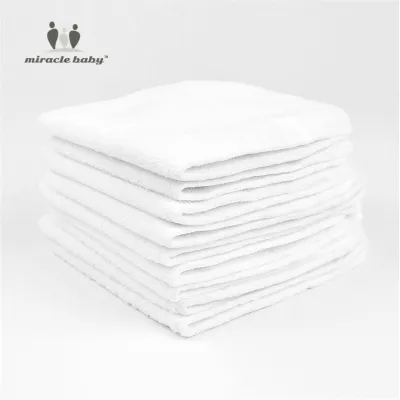
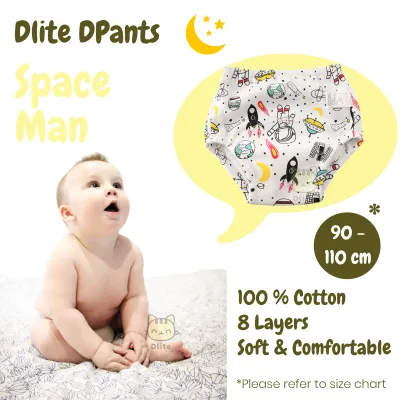
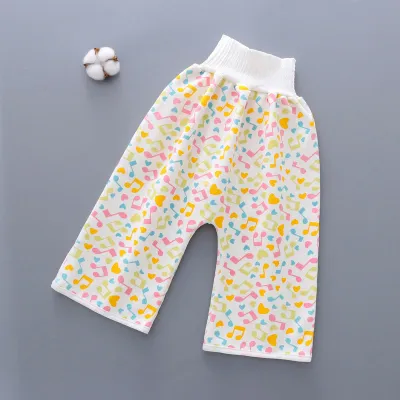
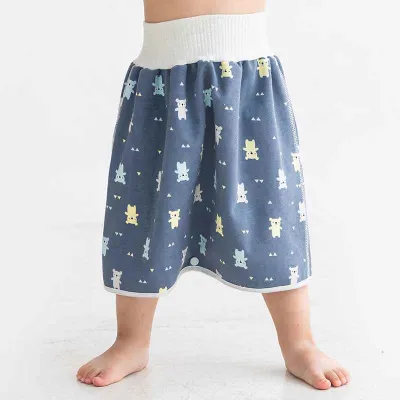
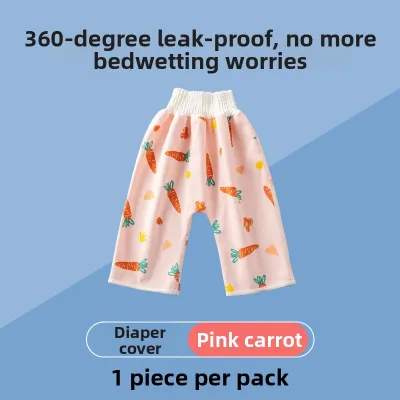
Prices are valid at publication and may change. Please refer to the product page for the latest price.
In the context of nighttime training, a “heavy wetter” is not defined by a medical measurement, but rather by observable patterns. If you regularly find your child waking up in a completely saturated diaper, or if their mattress protector is put to the test multiple times a week, they fall into this category. Managing this volume requires a delicate balance between high absorbency and skin health. An overnight pant must hold liquid securely for a stretch of 10 to 12 hours while keeping moisture away from the child’s skin to prevent chafing, redness, and sleep-disrupting discomfort.
Standard reusable training pants inevitably reach their saturation point within the first few hours of a long sleep stretch. Once the fabric is fully loaded, any movement, rolling over, or sleeping on the stomach creates physical pressure on the wet material. This phenomenon, known as a compression leak, forces the trapped liquid out of the absorbent core and past the leg elastics. To prevent this, overnight systems require specialized materials and construction designed to store liquid under pressure.
Core Features to Check Before Buying Night Training Pants
Before purchasing a stash of overnight reusable pants, look past generic marketing claims such as “super-absorbent” or “leak-proof.” A systematic evaluation of the product’s construction, material layers, and sizing is essential to ensure it can handle heavy nighttime wetting.

Evaluating Absorbent Core Materials
When reading product labels or manufacturer specifications, pay close attention to the fabric composition of the absorbent core. Natural fibers are highly recommended for overnight use due to their dense structure and excellent liquid retention.
- Hemp and Organic Cotton Blends: Hemp is one of the most absorbent natural fibers available. It is exceptionally dense, allowing it to hold a large volume of liquid without adding excessive bulk. Because hemp absorbs liquid slowly but retains it tenaciously under pressure, it is often blended with organic cotton to improve absorption speed.
- Bamboo Fleece or Terry: Bamboo fibers offer a great balance of rapid absorption and high capacity. They are naturally soft and stay relatively pliable even after multiple washes in hard water.
- Synthetic Stay-Dry Layers: Materials like microfleece or athletic wicking jersey do not hold liquid themselves, but they serve a crucial role as a top sheet. They quickly draw moisture away from the child's skin and pass it down to the absorbent core below, keeping the surface dry to the touch.
Always check the manufacturer’s specifications for the number of absorbent layers and the recommended weight ranges. Parents must verify that the product is explicitly rated for “overnight,” “nighttime,” or “heavy wetting” on the official packaging or brand documentation rather than relying on generic product names. Additionally, you should verify dynamic safety certifications, such as the Oeko-Tex Standard 100, on the manufacturer’s official website to ensure the fabrics are free from harmful substances.
Leak-Barrier Construction and Fit
Even the most absorbent core will fail if the pant’s structural design allows liquid to escape before it can be absorbed. To prevent side leaks, look for double or reinforced leg gussets. These are elasticized fabric barriers around the leg openings that create an extra line of defense, containing rapid flows when your child sleeps on their side.
- Elasticized Waistbands: The waistband must be both stretchy and durable. It needs to provide a secure, snug seal around the torso to prevent leaks from escaping up the back or front, particularly for stomach sleepers. However, it must not be so tight that it leaves deep red marks or digs into the toddler's skin.
- Waterproof Outer Layers: The outer layer must be constructed from a high-quality, breathable waterproof material, typically Polyurethane Laminate (PUL) or Thermoplastic Polyurethane (TPU). This layer keeps wetness contained while allowing heat to escape, reducing the risk of skin irritation.
Before finalizing your purchase, carefully review the manufacturer’s official size and weight charts. A proper, gap-free fit around the thighs and waist is the single most critical factor in preventing leaks; buying a size too large “to grow into” will inevitably leave gaps where urine can escape. If your child is between sizes, consult the brand’s specific measurement guidelines for the thighs and waist rather than relying solely on age or weight estimates.
Which Reusable Design Offers the Best Nighttime Protection?
Different reusable diapering systems offer varying levels of protection, customization, and convenience. Understanding how these designs function at night helps you choose a system that matches your child’s sleep patterns and your laundry routine.
Fitted Pants Paired with Waterproof Covers
For extreme heavy wetters, a two-piece system consisting of a fully absorbent fitted pant and a separate waterproof cover is widely considered the most reliable option. In this setup, the entire pant—including the wings, waist, and hips—is made of absorbent material (often bamboo or cotton fleece), which is then covered by a separate waterproof wrap made of PUL, TPU, or wool.
- Maximum Edge-to-Edge Protection: Because the entire garment is absorbent, liquid is caught immediately, regardless of whether your child sleeps on their back, side, or stomach. The separate cover provides a completely independent second barrier against leaks.
- Trade-offs: The primary drawback is bulkiness. This two-piece system is significantly thicker than standard underwear, which may require you to size up in your child's pajamas or sleepwear. Additionally, the two-step dressing process can be slightly more time-consuming during a bedtime routine.
Pocket Pants with Customizable Inserts
Pocket training pants feature a waterproof outer layer and a stay-dry inner lining, with an opening (the pocket) where you can stuff absorbent inserts. This design offers excellent flexibility because it allows you to scale the absorbency up or down to match your child’s evolving nighttime output.
- Customizable Capacity: You can customize the pocket by layering different inserts—such as placing a fast-absorbing bamboo insert on top of a heavy-duty hemp booster. As your child grows and their wetting patterns change, the inserts can be swapped or rearranged without needing to buy entirely new pants.
- Trade-offs: Pocket systems carry a risk of compression leaks if the pocket is overstuffed, which can stretch the leg openings and create gaps. There is also a risk of the inserts shifting if your child is an active sleeper. If the inner lining of the pocket is made of a material that repels liquid (often due to detergent buildup), rapid, heavy flows may run off the surface and leak out before reaching the absorbent inserts.
All-in-One (AIO) Night-Specific Options
All-in-One (AIO) pants offer the ultimate convenience because the absorbent core and the waterproof outer layer are sewn together into a single garment. While standard daytime AIOs lack the capacity for overnight use, some manufacturers produce specialized “night” versions featuring extra built-in layers or fold-out absorbent tongues.
- Convenience and Independence: These pants are as simple to use as disposable pull-ups, making them an excellent option for babysitters, grandparents, or childcare settings. They maintain a trim profile and are easy for toddlers to pull up and down independently during late-night bathroom trips.
- Trade-offs: The major drawback of night-specific AIOs is their drying time. Because multiple thick layers of absorbent fabric are permanently sewn together, they retain moisture tenaciously. In humid climates, these garments can take a very long time to dry completely, requiring a larger overall inventory to ensure you always have a dry pair ready.
Practical Adjustments to Stop Nighttime Leaks
If you have invested in high-quality night training pants and are still experiencing leaks, it does not necessarily mean the product is defective. Often, minor adjustments to the fit, layering, or bedtime routine can completely resolve the issue.
- Adding Boosters: If your child regularly saturates their pants, try adding a slim booster or insert. The sequence of materials matters: place a fast-absorbing material (like bamboo or cotton) closest to the body to quickly catch the initial rush of liquid, and place a high-capacity, slow-absorbing material (like hemp) underneath to store the liquid long-term.
- Checking the Fit: Always perform a quick fit check once the pants are on. Use the "two-finger rule": you should be able to slide two fingers comfortably under the waistband and the leg elastics. If there are visible gaps when your child moves or bends their knees, the pants are too loose and will leak. If you see deep, red indentations on their skin, the elastic is too tight, which can restrict circulation and cause discomfort. If persistent skin irritation, redness, or diaper rash occurs despite regular washing and material adjustments, stop using the pants and consult a qualified pediatrician or dermatologist.
- Managing Compression Leaks: Avoid dressing your child in tight-fitting pajamas, snug sleep sacks, or restrictive onesies over their night training pants. When tight clothing presses against a saturated absorbent core, it acts like a hand squeezing a wet sponge, forcing liquid out through the seams and onto the bedding. Opt for loose, roomy sleepwear instead.
- Pre-Sleep Routine: Establish a consistent routine to reduce the volume of liquid your child's pants must handle. Encourage a final bathroom trip immediately before lights out. While keeping your child hydrated is important, try to limit large intakes of water, milk, or juice in the hour leading up to bedtime to minimize the initial overnight bladder load.
Maintaining Absorbency and Hygiene in Singapore's Humid Climate
Caring for thick, highly absorbent overnight fabrics requires diligence, especially in Singapore’s hot and humid tropical climate. High humidity accelerates the growth of bacteria and mold, while improper washing can lead to mineral buildup that causes fabrics to repel liquid.
- Washing Routine: Overnight pants carry a heavy load of concentrated urine, which can quickly lead to ammonia buildup and strong odors if not cleaned thoroughly. Always start with a short pre-wash or quick rinse cycle using warm water and a small amount of detergent to flush out the bulk of the urine. Follow this with a long, heavy-duty main wash cycle at a temperature recommended by the manufacturer (typically 40°C to 60°C) using a cloth-safe, enzyme-rich detergent. Avoid fabric softeners, bleach, and optical brighteners, as these leave residues that coat the fibers and ruin absorbency.
- Drying Strategies: Singapore's high relative humidity poses a significant challenge for drying thick overnight gear. Hang your training pants and inserts on well-ventilated indoor drying racks, ideally positioned near a window with good airflow or directly in front of a standing fan or dehumidifier. If utilizing a tumble dryer, check the manufacturer's care label first; some waterproof PUL or TPU layers can be damaged by high heat. If permitted, use the dryer on a low or delicate heat setting. Ensure that all layers, especially the dense inner cores of fitted pants or AIOs, are completely bone-dry before storing them in closets to prevent mold, mildew, and ammonia buildup.
- Stripping Buildup: Over time, minerals from tap water or residual detergent can build up on the fabric fibers, causing them to repel liquid rather than absorb it. If you notice liquid pooling on the surface of the pants or a persistent ammonia smell immediately after your child urinates, it may be time to strip the diapers. Strip the fabrics strictly according to the manufacturer's guidelines to avoid damaging the waterproof membranes or voiding your product warranty.
Frequently Asked Questions (FAQ)
How many reusable night pants do I need for a heavy wetter?
To determine your ideal inventory, consider your weekly washing frequency and the extended drying times required for thick overnight fabrics. Because heavy-duty night pants feature multiple dense layers, they take significantly longer to dry than standard daytime training pants—often requiring up to 24 to 36 hours to air-dry completely in Singapore’s humid climate.
If you wash laundry every two days, you will need a minimum rotation of 3 to 5 dedicated night setups. This ensures you have one pair for the current night, one pair wash-ready or in the machine, and one or two pairs drying on the rack. Having a buffer prevents the stress of waiting for a single pair to dry before bedtime.
Can I just use regular daytime cloth diapers for nighttime training?
Daytime cloth diapers and standard training pants are engineered for frequent changes (typically every 2 to 3 hours) and lighter, gradual daytime urination. They lack the specialized material density and the overall capacity required to hold a large volume of liquid over a 10-to-12-hour sleep cycle.
While a heavily stuffed daytime diaper might work temporarily for light or average wetters, true heavy wetters will quickly saturate these setups, leading to compression leaks and skin irritation. Dedicated night training pants or specialized two-piece fitted systems are highly recommended to protect your mattress, keep your child’s skin dry, and ensure a full night of uninterrupted sleep.

Community discussion
Share your experience or ask a question. Comments are reviewed before publication.