
Finding the right portable changing mat brand in Singapore depends entirely on your daily parenting rhythm and where you spend your time. Whether you are navigating crowded shopping malls along Orchard Road, boarding the MRT with a stroller, or enjoying a family day out at East Coast Park, your changing mat needs to match your environment. The ideal choice balances compact storage, ease of cleaning, and comfort for your baby, ensuring that diaper changes on the go remain stress-free and hygienic.
Instead of searching for a single universal winner, parents should look for brands that align with their specific lifestyle profiles. Commuting parents require ultra-lightweight, clutch-style mats that slip into a small bag, while active families need rugged, waterproof options that withstand outdoor surfaces. Meanwhile, frequent travelers often benefit from premium, padded mats with integrated storage compartments that act as standalone diapering stations.
By understanding the key design categories available in the Singapore market, you can confidently evaluate manufacturer specifications and choose a durable product. This guide breaks down the essential features to look for across different parenting scenarios, helping you make an informed investment that keeps your baby clean, safe, and comfortable.
Products mentioned in this guide

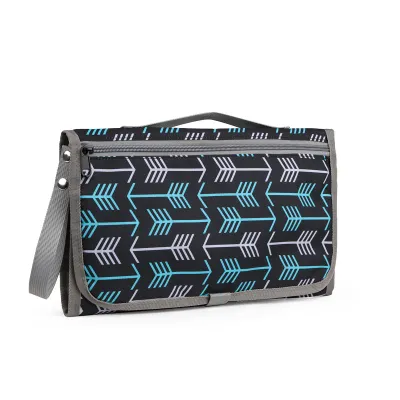
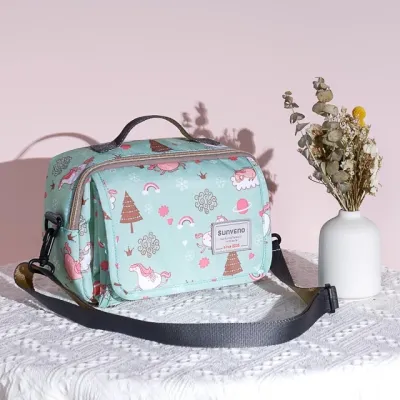
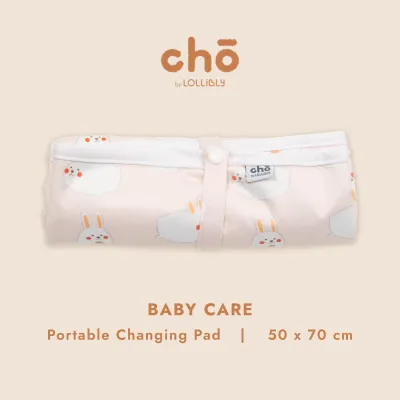
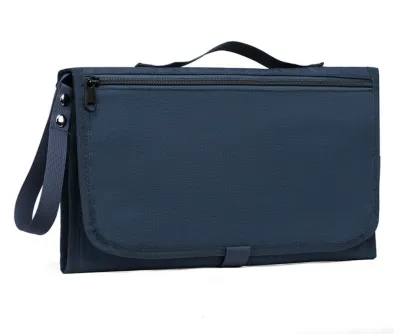
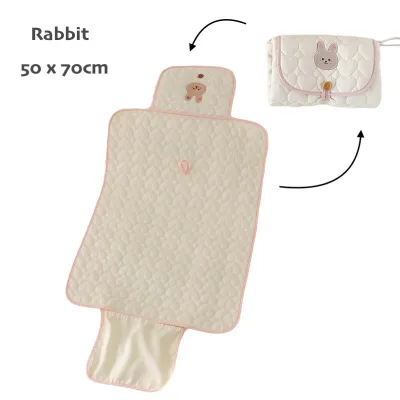
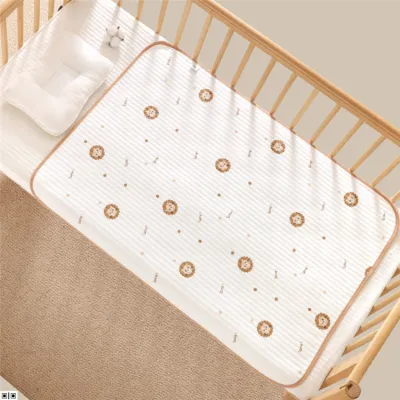
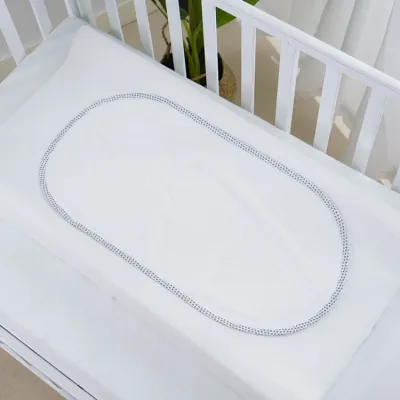
Prices are valid at publication and may change. Please refer to the product page for the latest price.
How to Match Portable Changing Mats to Your Daily Routine
To narrow down your options, start by analyzing how often you leave the house and where you typically go. If your routine consists of quick trips to nearby neighborhood malls, you will likely encounter well-equipped nursing rooms with built-in changing tables. In these environments, a simple, thin protective barrier is often sufficient to keep your baby clean. However, if you frequently visit older buildings, outdoor markets, or parks, you cannot rely on finding clean, dedicated changing facilities, making a highly padded, self-contained mat essential.
Your choice of transport also dictates the physical specifications of the mat. Parents who rely on public buses and the MRT must prioritize lightweight, space-saving designs that can be clipped directly to a stroller or tucked into a compact backpack. If you primarily travel by car, you have the luxury of choosing larger, more cushioned mats with integrated storage pockets, as weight and folded dimensions are less of a constraint.
Next, define your non-negotiable features based on your baby’s current developmental stage and your personal preferences. For newborns, a soft, highly cushioned surface is crucial to support their delicate head and spine. As your baby grows and becomes more active, you will need a wider mat with secure, easy-to-wipe surfaces that can handle sudden movements and larger messes. Consider whether you prefer a quick-fold magnetic closure or a secure zipper mechanism that keeps diapering essentials locked inside.
Budget is another practical consideration when scanning local retailers and online marketplaces. Basic, single-sheet waterproof mats typically range from S$15 to S$30, offering straightforward protection without extra storage. Mid-range diaper clutches with basic padding and a couple of pockets generally cost between S$35 and S$60. Premium brands featuring high-density memory foam, designer prints, and vegan leather exteriors can range from S$70 to over S$100, representing a long-term investment in durability and style.
To get the best value, look for brands that offer modular designs or multi-functional layouts. Some mats feature detachable changing pads, allowing you to wash the soiled portion while keeping the storage clutch intact. Others can transition into play mats or seat cushions as your child grows out of diapers. Evaluating these long-term use cases ensures that your budget is spent on a product that serves your family well beyond the infancy stage.
Key Features for Commuting and Compact Storage
For parents navigating Singapore’s bustling transit networks, a bulky diaper bag is a recipe for stress. Commuter-focused brands design their mats to be as slim and unobtrusive as possible, often mimicking the size of a small clutch purse. When evaluating these compact options, pay close attention to the folded dimensions listed on the packaging. A mat that folds down to less than two centimeters in thickness can easily slide into a standard tote bag or the under-seat basket of a compact stroller.

Attachment versatility is another critical feature for seamless commuting. Look for mats equipped with adjustable straps, snap loops, or integrated carabiner clips. These features allow you to secure the mat directly to your stroller handlebar or wear it around your wrist, freeing up valuable hand space when boarding buses or navigating escalators. A well-designed strap should be sturdy enough to support the weight of the mat when fully loaded with diapers and wipes.
While compactness is vital, the mat must still provide adequate protection and comfort for your baby. Some ultra-thin mats sacrifice padding entirely, which can make changing your baby on hard public benches uncomfortable. Look for brands that utilize lightweight, high-density foam inserts. This material provides a soft barrier against hard surfaces without adding unnecessary bulk or weight to your daily carry.
One-handed operation is a game-changer when you are managing a fussy baby in a crowded public restroom. Avoid mats that rely on complex buckles, tight elastic bands, or loud hook-and-loop fasteners that require two hands to open. Instead, look for brands that feature magnetic closures or simple fold-and-snap designs. These allow you to flick the mat open with a single motion while keeping your other hand securely on your baby.
Finally, consider the overall weight of the materials used. Heavy canvas or thick rubber backings can quickly add up, making your diaper bag uncomfortable to carry during long walks. Lightweight nylon, polyester, or thin TPU-coated fabrics are excellent alternatives. They keep the overall weight of the mat minimal while still offering the necessary water resistance and durability required for daily urban commuting.
Key Features for Outdoor Activities and Durability
Active families who spend their weekends at Singapore’s parks, beaches, or outdoor play areas require a changing mat built to withstand rugged conditions. The outdoor environment introduces challenges like damp grass, sandy benches, and rough concrete surfaces. To protect your baby from these elements, prioritize brands that feature highly durable, water-resistant, or fully waterproof outer layers. A waterproof base prevents ground moisture from seeping through to the changing surface, keeping your baby dry and comfortable.
The interior changing surface must be exceptionally easy to clean, especially when water sources are not nearby. Look for smooth, non-porous materials like TPU, PEVA, or high-quality laminated cotton that can be wiped clean instantly with a baby wipe. Avoid textured surfaces or deep seams where dirt, sand, and liquids can become trapped, as these can lead to bacterial growth and unpleasant odors over time.
Padding is particularly important when changing your baby on uneven or hard outdoor ground. Look for mats with a thicker foam core, ideally between five to ten millimeters, to cushion your baby’s head and body against pebbles, roots, or hard wooden picnic tables. Some outdoor-focused brands incorporate a slightly raised, built-in pillow section at the top of the mat to provide extra head support and keep your baby comfortable during outdoor transitions.
Durability is defined by the quality of construction, so inspect the stitching and hardware closely before purchasing. Double-stitched seams and reinforced edges prevent fraying when the mat is repeatedly dragged across rough surfaces. Zippers should be heavy-duty and plastic-molded to resist rust and corrosion from Singapore’s humid air and salty sea breezes. Avoid cheap metal zippers that can easily jam or rust after exposure to moisture.
Additionally, check the material’s resistance to peeling and cracking under heat. Singapore’s tropical climate means your gear will often be exposed to high temperatures, whether left in a warm car trunk or used under the afternoon sun. High-quality polyurethane and TPU coatings are less likely to degrade, peel, or become sticky over time compared to cheap PVC alternatives, ensuring your mat remains functional for years.
Key Features for Frequent Travel and Premium Comfort
For families who travel frequently or simply appreciate a touch of luxury, premium changing mats offer an elevated experience with enhanced comfort and organization. These high-end options are designed to function as self-contained diapering stations, reducing the need to carry a separate, bulky diaper bag. Look for brands that feature integrated, expandable storage compartments. These pockets should be spacious enough to hold three to four diapers, a travel-sized pack of wipes, diaper cream, and a spare change of clothes.
Material quality is a defining characteristic of premium changing mats. Instead of standard synthetic fabrics, luxury brands often utilize memory foam padding that contours to your baby’s body, providing superior comfort during long journeys. The lining materials are also carefully selected for their softness, with some brands offering plush, organic cotton covers that are gentle on sensitive newborn skin. If you choose a mat with a fabric lining, ensure it is easily detachable and machine washable.
Aesthetic appeal is another reason parents opt for premium brands. Many high-end mats feature sophisticated designs, elegant color palettes, and vegan leather exteriors that look more like a stylish clutch than a baby accessory. Vegan leather is not only visually appealing but also highly durable and naturally water-resistant, making it easy to wipe clean while maintaining its premium appearance over time.
Multi-functional layouts add significant value to premium travel mats. Some designs feature a detachable changing pad that zips off from the main storage clutch, allowing you to use the clutch as a stylish organizer or the pad as a standalone mat. This flexibility is incredibly useful when navigating tight airplane restrooms, where you may only want to bring the slim changing pad rather than the entire organizer.
When investing in a premium mat, look for thoughtful design details that enhance usability. These include hidden zippered pockets for personal items like keys or a phone, quiet magnetic closures that won’t wake a sleeping baby, and cushioned headrests. While these features come at a higher price point, the convenience and comfort they provide during travel make them a worthwhile investment for many parents.
Essential Safety and Hygiene Checks Before You Buy
Regardless of the brand or style you choose, safety and hygiene must always be your top priorities. Because the changing mat comes into direct contact with your baby’s delicate skin, it is essential to verify the chemical safety of the materials used. Carefully review manufacturer labels, product packaging, and official descriptions to ensure the mat is certified non-toxic. Look for explicit claims stating the product is free from BPA, phthalates, lead, PVC, and flame retardants, which can pose health risks to developing infants.
Physical safety during the changing process is equally important, especially as your baby begins to roll and wiggle. Check the underside of the changing mat for anti-slip backing or textured grip patterns. This feature prevents the mat from sliding around on smooth public changing tables or glossy countertops, reducing the risk of accidental falls. Some mats also include safety straps with buckles to gently secure your baby in place, though these should never replace active caregiver supervision.
Hygiene maintenance is directly linked to how easy the mat is to clean and sanitize. Before buying, understand the brand’s specific cleaning instructions. While daily wipe-downs are standard, the mat will eventually require a deeper clean. Check if the entire mat, or at least the detachable changing pad, is machine washable. If it is hand-wash only, ensure the material can withstand mild sanitizing sprays without degrading or losing its waterproof properties.
Finally, check the brand’s warranty policy and customer support reputation. A reliable manufacturer should offer a warranty against manufacturing defects, such as broken zippers, frayed stitching, or peeling waterproof coatings. This is a strong indicator of the brand’s confidence in their product’s durability. Investing in a brand that stands behind its craftsmanship gives you peace of mind, knowing your mat will remain safe and hygienic for your baby’s daily use.
Frequently Asked Questions (FAQ)
Do I really need a portable changing mat if I use public restrooms?
Yes, using a personal portable changing mat is highly recommended even if you only plan to use public restrooms. Public changing tables, even those in clean shopping malls, are used by dozens of families daily and can harbor bacteria, viruses, and residues from cleaning chemicals. A personal mat acts as a clean, hygienic barrier between your baby’s sensitive skin and the public surface, significantly reducing the risk of cross-contamination.
Additionally, public changing tables are often made of hard plastic or metal, which can be cold and uncomfortable for your baby. A portable mat provides familiar cushioning and warmth, helping to keep your baby calm and cooperative during diaper changes. It also gives you the flexibility to change your baby in alternative locations, such as on a grassy park lawn, a car seat, or a quiet corner, when public facilities are unavailable or occupied.
How often should I replace my baby's portable changing mat?
You should replace your baby’s portable changing mat as soon as you observe physical signs of wear, hygiene degradation, or safety compromises. Inspect the mat regularly for cracked or peeling waterproof coatings, as these damaged areas can trap moisture, urine, and bacteria, making them impossible to sanitize properly. Frayed stitching, torn seams, or failing zippers are also clear indicators that the mat’s structural integrity is compromised and needs replacement.
Another factor to consider is your baby’s growth and developmental stage. If your baby has outgrown the length of the mat, or if the padding has flattened completely and no longer provides adequate support, it is time to upgrade to a larger or more cushioned model. Generally, with daily use and proper maintenance, a high-quality changing mat can last through infancy, but any signs of mold, persistent odors, or material breakdown warrant an immediate replacement to protect your baby’s health.

Community discussion
Share your experience or ask a question. Comments are reviewed before publication.