
Managing a growing collection of stuffed toys in a compact Singapore nursery requires a strategic approach to storage. In typical high-density residential layouts, such as Housing & Development Board (HDB) flats and modern condominiums, floor space is at a premium. Finding the right plushie rack involves balancing spatial efficiency, accessibility, and child safety. By utilizing vertical space, corners, or multi-functional freestanding units, parents can keep soft toys organized without cluttering the room.
Selecting the ideal storage solution depends heavily on the age of your child, the size of their plushie collection, and the structural characteristics of your nursery walls. A well-chosen rack not only keeps the room tidy but also ensures that toys remain clean, accessible, and safe from becoming hazards. This guide outlines how to evaluate your space, compare different storage designs, and perform essential safety checks before making a purchase.
Assessing Your Nursery Space and Storage Needs
Before browsing online marketplaces or local furniture stores, a precise assessment of your nursery’s physical dimensions is essential. Start by measuring the available floor space, taking note of baseboards and how doors or wardrobe panels swing open. Wall clearance is equally critical; you must identify empty wall segments that are free from electrical outlets, light switches, and window frames. If you are considering a corner solution, measure the angle and depth of the corner to ensure a storage unit will not protrude into active walking paths.
Products mentioned in this guide
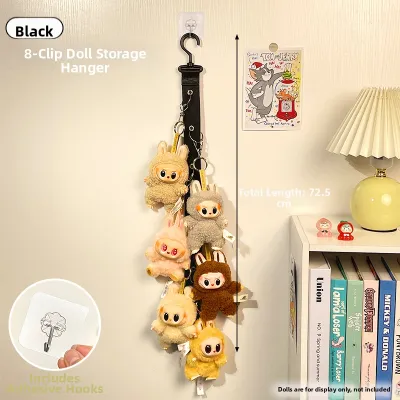
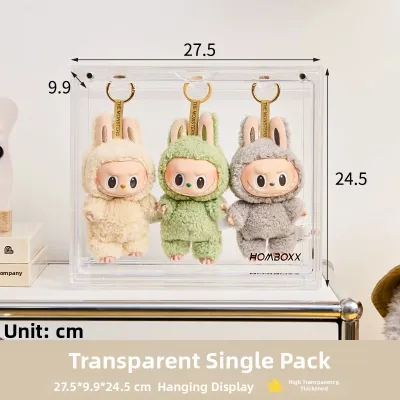
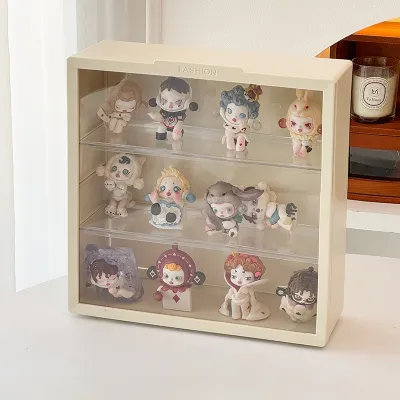
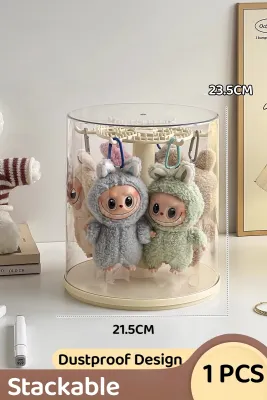
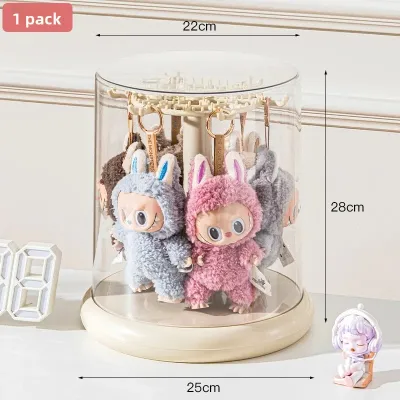
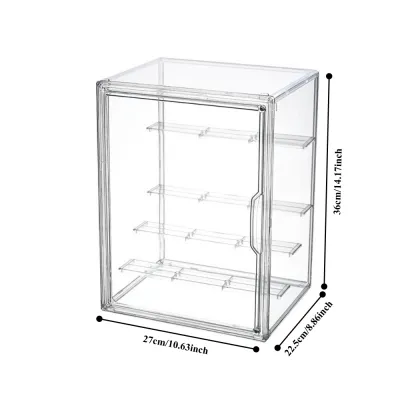
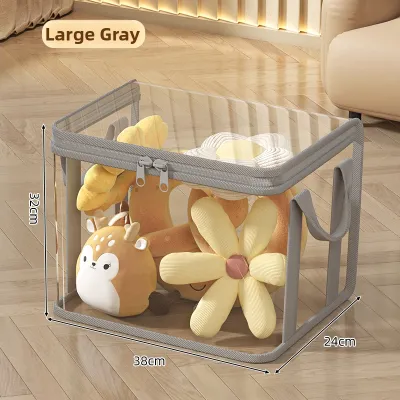
Prices are valid at publication and may change. Please refer to the product page for the latest price.
Next, take an inventory of your child’s current stuffed animal collection and project its growth over the next few years. Plushies come in highly irregular shapes and sizes, meaning they often require more volume than standard books or toys. Group the toys by size—separating small hand-held plushies from medium-sized companions and oversized giant soft toys. This categorization helps determine whether you need deep bins, wide shelves, or flexible netting that can expand to accommodate bulky items.
Finally, map out the high-traffic zones within the nursery to maintain a safe and functional layout. The path between the crib, the changing table, and the doorway must remain completely unobstructed to prevent trips and falls, especially during nighttime care. Avoid placing any floor-based organizers or low-hanging nets in these primary pathways. Ensuring a clear perimeter around the crib is also vital to prevent older infants from using storage units as climbing aids.
Comparing Plushie Rack Types for Compact Spaces
Nursery storage solutions generally fall into three structural categories, each offering distinct advantages for compact rooms. Understanding how these designs interact with your room’s layout allows you to choose a system that maximizes storage capacity without sacrificing valuable floor area.

Wall-Mounted Shelves and Nets
Wall-mounted shelves and vertical wall nets are excellent for preserving floor space by shifting the storage burden entirely to the walls. These systems allow you to utilize the upper half of the room, which often remains empty in small nurseries. By lifting plushies off the ground, you create a cleaner look and free up floor space for play mats or larger furniture items.
When planning a wall-mounted installation in Singapore, you must verify the construction of your nursery walls. Many HDB flats feature internal concrete walls or structural columns that require a hammer drill and specialized masonry wall plugs to secure heavy fixtures. Conversely, some newer condominiums or partitioned rooms use drywall, which demands specific hollow-wall anchors to prevent the screws from pulling out under tension. Using the incorrect hardware can lead to structural failure, causing the shelf to collapse.
Additionally, always check the manufacturer’s specified weight limits and distribute the load evenly across the shelf or net. While plushies are generally lightweight, a dense collection of large stuffed animals can accumulate surprising weight over time. Regularly inspect the mounting brackets and wall connection points for any signs of loosening, cracking, or pulling away from the plaster.
Hanging Hammocks and Corner Nets
Hanging hammocks and corner nets are highly popular for their ability to transform unused corner junctions into functional storage zones. These suspended fabric or mesh designs stretch to accommodate a large volume of soft toys, making them highly space-efficient. Because they conform to the shape of the items placed inside them, they can hold irregular plushies more securely than rigid wooden shelves.
Over time, the fabric, netting, or elastic borders of a hanging hammock will naturally stretch and sag under the weight of the toys. It is important to select options made from high-quality, tightly woven mesh or reinforced cord, and to monitor the tension regularly. If the hammock sags too low, it can obstruct pathways or hang within reach of an unsupervised infant, presenting a safety hazard.
Accessibility is another key factor to evaluate with suspended corner nets. While high-mounted hammocks keep toys out of the way, they also prevent young children from reaching their favorite plushies independently. If you want your child to learn to tidy up their own toys, a high corner net may not be suitable. However, if the goal is purely to store keepsake plushies out of reach, a corner hammock serves as an excellent display solution.
Freestanding and Tiered Organizers
For renters or parents who prefer to avoid drilling holes into concrete walls, freestanding and tiered organizers offer a practical, portable alternative. These units typically feature multiple tiers of bins, baskets, or shelves arranged vertically to minimize their physical footprint on the floor. They are highly versatile and can be easily repositioned as your nursery layout evolves or if you move to a new home.
The primary challenge with freestanding organizers in a small nursery is balancing their storage capacity against their stability. Tall, narrow units provide excellent vertical storage but carry a higher risk of tipping over if a child attempts to climb them or pulls on a lower drawer. To mitigate this risk, look for units with a wide, heavy base and a low center of gravity. Many manufacturers include wall-anchoring kits with their freestanding furniture; these should always be installed according to the instructions.
Mobility can be a significant advantage, especially if the organizer is equipped with lockable caster wheels. This allows you to roll the rack out of the way during cleaning or rearrange the room layout effortlessly. However, if your nursery has carpeted flooring or uneven tiles, ensure the wheels are robust enough to glide smoothly and can be locked securely to prevent accidental movement when a child is nearby.
Key Features to Evaluate Before Buying
When selecting a plushie rack, material durability is a primary consideration for long-term usability. Solid wood options offer excellent structural integrity and a classic aesthetic, but they can be heavy and susceptible to moisture damage if the nursery is not well-ventilated. Metal frames with fabric bins provide a lightweight and modern alternative, though you must ensure the metal is powder-coated or treated to resist rust in Singapore’s humid climate. Reinforced synthetic mesh or canvas is ideal for hanging options, as these materials are lightweight, breathable, and easy to maintain.
Child safety must guide every aspect of your material evaluation. Inspect the finishing of any wooden or plastic components to ensure there are no sharp edges, rough surfaces, or splinter risks that could scratch a child or snag delicate plushie fabrics. If the rack is painted or varnished, verify that the manufacturer specifies the use of non-toxic, lead-free, and child-safe finishes. This is particularly important for toddlers who may touch or chew on the edges of the furniture during developmental stages.
Given Singapore’s high humidity, dust accumulation and dust mite control are significant factors in nursery hygiene. Open storage designs, such as open shelves and mesh hammocks, allow dust to settle directly onto the plushies, which can trigger allergies in sensitive infants. Evaluate how easy the storage unit is to clean; fabric bins should be removable and machine-washable, while wooden or plastic shelves should have smooth, flat surfaces that can be quickly wiped down with a damp cloth. If dust is a major concern, consider a combination of closed storage boxes for smaller toys and open racks only for frequently washed plushies.
Safety and Installation Checks for Nursery Furniture
Ensuring the structural safety of your nursery furniture is paramount to preventing accidents. For any freestanding plushie rack, especially those exceeding a height of 60 centimeters, installing anti-tip wall anchors is a mandatory safety step. Children often view shelves as climbing frames, and even a relatively lightweight rack can cause serious injury if it tips over. Use heavy-duty straps or L-brackets secured directly into a wall stud or concrete wall to anchor the unit firmly.
Never rely on makeshift mounting solutions, such as adhesive strips or temporary hooks, to hang wall shelves or heavy corner nets. These adhesive products can degrade rapidly in warm, humid environments, leading to sudden failures. Always use the screws, wall plugs, and brackets recommended by the manufacturer, and ensure they are appropriate for your specific wall type. If you are unsure about the structural integrity of your wall or the installation process, consult a qualified local handyman or installation professional.
Regularly inspect the plushie rack for small detachable parts, loose screws, or sharp plastic edges that may develop over time with daily use. Small plastic caps used to cover screw holes can become choking hazards if they work themselves loose. Make it a habit to tighten all hardware every few months and check that any fabric seams or netting cords remain intact without fraying.
Finally, always consult the manufacturer’s documentation for specific weight thresholds and age recommendations. Do not overload the storage unit beyond its rated capacity, as this can compromise its stability or cause wall mounts to pull free. If a product is labeled as suitable only for children over a certain age, adhere strictly to that guideline, and ensure young infants are supervised at all times when interacting with or playing near the storage area.
Building Your Shortlist: A Step-by-Step Selection Guide
To find the perfect plushie rack for your small nursery, follow a structured selection process that matches your physical constraints with practical product features. Start by comparing your measured nursery dimensions against the product specifications of the racks you are considering. Ensure that the footprint of a freestanding unit or the projection of a wall shelf leaves ample clearance for daily movement and does not block natural light or ventilation.
Next, cross-reference the specifications of your shortlisted options with your safety and weight requirements. Verify that freestanding units include anti-tip hardware and that wall-mounted options are compatible with your home’s wall construction. Check the materials used to ensure they meet child-safety standards and are easy to clean in a humid climate.
Before finalizing your purchase, review the return policies and assembly support offered by local retailers or online platforms. Some complex wall-mounted systems or heavy wooden organizers may benefit from professional assembly services, which can often be added at checkout. Ensuring you have a clear return path in case the product does not fit your space or meet your quality expectations will provide peace of mind during your nursery setup.
Frequently Asked Questions (FAQ)
How high should a wall-mounted plushie rack be installed?
The ideal installation height for a wall-mounted plushie rack depends on whether you want the toys to be accessible to your child. If you want a toddler to reach their toys independently, install the rack or lower shelf at their chest height, typically between 50 to 80 centimeters from the floor, ensuring there are no sharp corners. If the rack is intended purely for display or keeping keepsake items out of reach, mount it higher, around 150 centimeters or more. Always ensure the installation location provides ample clearance from ceiling fans, window cords, and cribs to prevent safety hazards, and avoid placing shelves directly above a sleeping area where falling objects could cause harm.
Can I use a regular bookshelf as a plushie rack?
Yes, a regular bookshelf can be repurposed as a plushie rack, provided you make a few adjustments to accommodate the unique shape of soft toys. Standard bookshelves often have flat, open shelves where round or irregular plushies can easily roll off and clutter the floor. To prevent this, you can add shallow storage bins, fabric baskets, or install tension rods across the front of the shelves to act as a barrier. Ensure the bookshelf is securely anchored to the wall to prevent tipping, and verify that the shelf depth is sufficient—typically at least 30 centimeters—to hold medium-to-large stuffed animals without them protruding excessively into the room.

Community discussion
Share your experience or ask a question. Comments are reviewed before publication.