
The most suitable plush toy organiser for your nursery depends on your available floor space, wall structure, and your child’s age and independence level. While storage bins offer quick, low-effort cleanup for toddlers, open shelves provide structured visibility that encourages independent selection, and hanging organisers maximize vertical space in compact rooms. Matching the right storage format to your specific nursery layout and your child’s accessibility needs ensures a tidy, functional, and safe environment. By evaluating how your child interacts with their toys and assessing the physical constraints of your room, you can select a system that grows alongside your family.
Evaluating Your Nursery Space and Child's Accessibility Needs
Before purchasing any storage solution, measuring the physical footprint of your nursery is essential. Floor space is often at a premium, especially when accommodating larger furniture pieces like cribs, changing tables, and nursing chairs. If floor space is limited, utilizing vertical wall space or the back of a door becomes a practical necessity to keep walkways clear and safe.
A child’s developmental stage dictates how they interact with their toys and storage systems. Infants rely entirely on caregivers for toy retrieval, meaning storage can be placed out of reach. Toddlers and preschoolers, however, are developing motor skills and a desire for independence, requiring low-level storage that allows them to safely choose and put away their own toys.
Products mentioned in this guide
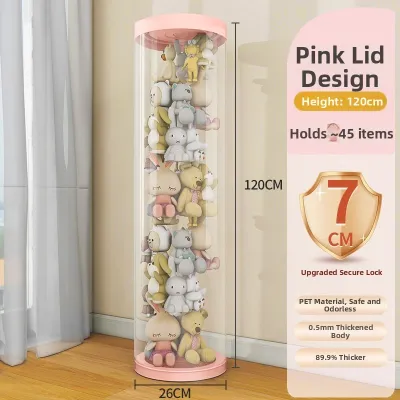
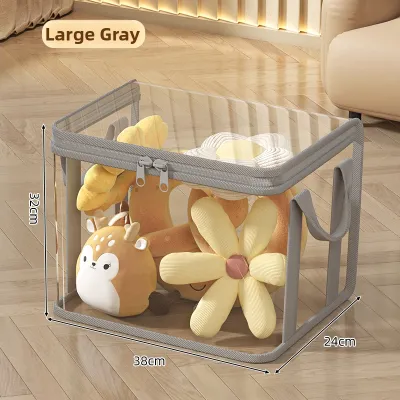
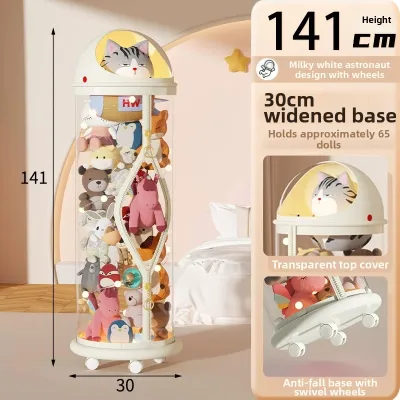
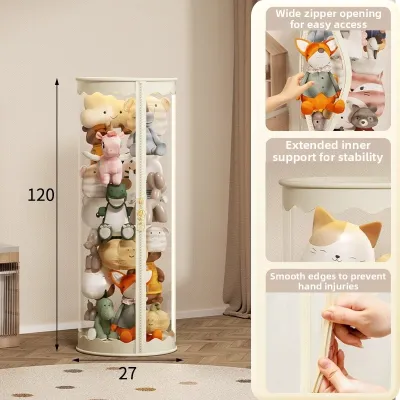
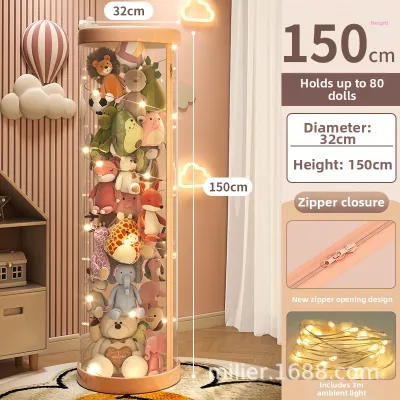
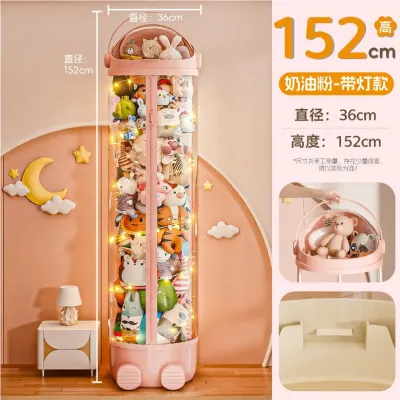
Prices are valid at publication and may change. Please refer to the product page for the latest price.
The size and growth rate of your plush toy collection also influence your storage needs. A few cherished items can easily sit on a small ledge, but a rapidly expanding collection requires a system that accommodates bulk storage or facilitates a regular toy rotation. Understanding how often your child plays with specific toys helps determine which items should remain highly accessible and which can be stored away.
Comparing Plush Toy Organiser Formats
Each primary storage format offers distinct advantages and trade-offs depending on your nursery’s layout and your parenting goals. Understanding these differences allows you to select a system that balances accessibility, safety, and visual order.

Storage Bins, Baskets, and Toy Boxes
Floor-based storage bins and baskets are highly accessible options for young children. Because they sit directly on the ground, even crawling babies and toddlers can reach inside to retrieve their favorite plush toys. This low barrier to entry also makes tidy-up time simpler, as children can easily drop toys back into the bin without needing precise motor skills.
When selecting a toy box with a lid, verifying the safety mechanisms is critical to prevent injuries. Heavy, un-tensioned lids pose a significant risk of pinching small fingers or trapping a child inside. Look for lightweight, open-top baskets made of soft woven materials, or ensure any wooden toy box features a certified soft-close hinge that holds the lid open at any angle.
While bins excel at reducing visual clutter by keeping toys out of sight, they can make finding specific items difficult. Children often dump the entire contents of a deep bin onto the floor to find a single toy at the bottom, creating temporary mess. Opting for shallow, wide baskets or clear plastic tubs can help maintain visibility while keeping toys contained.
Additionally, floor bins are exceptionally easy to clean, move, and reconfigure as your nursery evolves. Many fabric and plastic bins can be wiped down quickly, and those with handles allow you to transport toys from room to room effortlessly. As your child grows, these bins can easily transition to storing blankets, sports equipment, or books.
Open Shelves, Cubbies, and Display Ledges
Open shelves and cubby units provide a structured, highly visual way to organize and display a curated selection of plush toys. This format allows children to see all their options clearly, which can encourage focused play and reduce the urge to dump out entire collections. Displaying toys at eye level helps toddlers identify their choices and practice returning items to their designated spots.
Because freestanding shelving units present a serious tip-over hazard, securing them to the wall is a mandatory safety step. Children may attempt to climb shelves to reach a toy placed on a higher ledge, which can cause the unit to fall. Always use heavy-duty wall anchors and furniture straps to secure any bookcase or cubby unit directly to a wall stud.
Open shelving also exposes plush toys to the surrounding air, making dust accumulation a key consideration. In homes where dust mites or respiratory sensitivities are a concern, open shelves require regular wiping, and the toys themselves will need more frequent vacuuming or washing. Keeping the number of displayed toys low makes this maintenance routine much more manageable.
Hanging Organisers, Hammocks, and Door Racks
Hanging organisers, mesh hammocks, and over-door racks are excellent solutions for maximizing limited floor space by utilizing underused vertical areas. These options keep plush toys off the floor, opening up valuable play space in smaller nurseries. They are particularly useful for storing lightweight, bulky items that otherwise take up significant shelf or bin space.
Installing these systems requires careful attention to the structural capacity of your walls or doors. Over-door organisers must fit securely without interfering with the door’s hinges or latching mechanism, and wall-mounted hammocks must be anchored into solid wood studs or appropriate drywall anchors. Always check the manufacturer’s specified weight limits to prevent the hardware from pulling out under load.
While hanging organisers are highly efficient, they often place toys out of reach for younger children. This can be an advantage for managing toy rotation or keeping delicate keepsake plushies safe, but it limits independent play for toddlers. If you want your child to access their toys freely, hanging storage should be mounted low enough for safe retrieval, or reserved for older children with advanced coordination.
Key Decision Factors for Nursery Storage
When choosing a plush toy organiser, safety must remain the primary consideration. Beyond tip-over hazards associated with heavy shelves, hanging nets and hammocks can present strangulation risks if they are hung too low or if cords are left dangling. Ensure all hanging storage is mounted securely out of reach of infants in cribs, and never hang items with long, loose cords where a child could become entangled.
Hygiene and allergen control are also critical in a nursery environment. Plush toys are notorious for collecting dust, pet dander, and household allergens, which can trigger sensitivities in young children. Closed storage bins with breathable fabric covers or easily cleanable plastic tubs offer better protection against dust than open shelves or hanging hammocks, reducing the frequency of deep cleaning required.
Finally, consider the capacity and scalability of the storage system. Children’s toy collections grow rapidly, and a storage solution that works for an infant may become obsolete within a year. Bins and modular cubbies offer the greatest flexibility, allowing you to add more units as needed, whereas fixed wall shelves or door racks have strict physical limits that cannot easily expand.
How to Match the Organiser to Your Setup
To make the final decision, evaluate your nursery’s specific layout and your family’s daily routine. If you have ample floor space and want a quick, low-effort way to keep the room tidy, storage bins are a practical choice. They allow for rapid cleanup and are safe for toddlers to use independently, making them suitable for active playrooms and busy parents.
If you prefer a highly organized, visually appealing display and your child is old enough to handle items carefully, open shelves or cubbies are an appropriate fit. This setup works well in larger rooms where furniture can be safely anchored to the wall, and it helps teach children early organization skills by giving every toy a specific home.
For small nurseries or rental properties where floor space is severely limited, hanging organisers or over-door racks provide an effective space-saving solution. However, before drilling into walls or hanging heavy racks on doors, verify your rental agreement or wall construction. If you cannot drill holes for anchors, over-door organisers that hang on non-damaging hooks are a practical alternative.
Safety, Installation, and Maintenance Checks
Regardless of the storage format you choose, performing regular safety and maintenance checks is essential to keep the nursery secure. For wall-mounted shelves and hanging hammocks, periodically inspect the mounting hardware to ensure screws have not loosened and the drywall shows no signs of cracking or pulling forward. Always adhere strictly to the manufacturer’s weight limits.
If you use storage bins, inspect them regularly for wear and tear. Check fabric bins for frayed seams or loose threads that could wrap around small fingers, and ensure plastic bins have no sharp, cracked edges. For wooden toy boxes, test the soft-close hinges frequently to confirm they still support the weight of the lid and prevent sudden slamming.
To manage dust and allergens, establish a consistent toy rotation and cleaning schedule. Wash machine-washable plush toys periodically according to their care labels, and vacuum non-washable items using a brush attachment. Rotating toys out of active play and storing them in sealed containers helps keep the nursery clean and keeps the toys feeling fresh and engaging for your child.
Frequently Asked Questions (FAQ)
How many plush toys should a toddler have accessible at once?
Limiting the number of plush toys accessible to your toddler can prevent sensory overload and encourage deeper, more imaginative play. When faced with too many choices, children often become overwhelmed, leading to shorter attention spans and a tendency to dump toys rather than play with them. Keeping a curated selection of three to five favorite plush toys in active play zones is generally sufficient for most toddlers.
To keep their play environment engaging, implement a simple toy rotation system. Store the majority of the plush toy collection in a secondary storage zone, such as a closet or under-bed bin, and swap the active toys every few weeks. This practice not only keeps the nursery tidier but also makes older toys feel exciting and new when they reappear.
Are hanging toy hammocks safe to install above a crib?
Installing a hanging toy hammock directly above a crib is not recommended due to significant safety risks. If the hammock falls, the mounting hardware pulls loose, or toys spill out, they can land directly in the sleeping area, presenting a suffocation or choking hazard to an infant. Additionally, as babies learn to stand, they may attempt to pull themselves up using the hammock, leading to falls or entanglement.
To ensure a safe sleeping environment, keep the area directly above and around the crib completely clear of any hanging storage, shelves, or heavy decor. Safe alternative placement zones for hanging hammocks include corners opposite the crib, high on walls adjacent to adult changing areas, or inside closet spaces where children cannot access them unsupervised.
Community discussion
Share your experience or ask a question. Comments are reviewed before publication.