
Selecting the right Little Wiwa playmat for outdoor use in Singapore depends on matching the mat’s portability, surface resistance, and cleaning requirements to your specific activity. Rather than a single “best” model, the ideal choice varies between folding and roll-up designs based on whether you prioritize compact transport, sand resistance, or easy wipe-downs for picnic spills. This guide helps you evaluate the brand’s portable options against real-world outdoor conditions.
When planning an outing to places like the Singapore Botanic Gardens or East Coast Park, carrying heavy baby gear can quickly become exhausting. A playmat needs to serve as a clean, cushioned oasis for your baby while remaining light enough to carry alongside strollers, diaper bags, and picnic baskets. By understanding how different designs perform on grass, sand, and hard outdoor surfaces, you can select a mat that keeps your little one comfortable without adding unnecessary bulk to your travel setup. Caregivers must also ensure that any mat chosen aligns with the child’s developmental stage and is used under constant supervision.
Core Outdoor Needs for Baby Playmats
Taking a baby outdoors requires gear that can withstand unpredictable environments while keeping your child clean and safe. The primary challenge of outdoor play is the ground itself, which can be damp, uneven, hot, or covered in debris. A suitable outdoor playmat must act as a protective barrier, shielding your baby from moisture, insects, and rough textures while providing a soft space for tummy time, rolling, or crawling. Caregivers should always verify the manufacturer’s age and weight guidelines to ensure the mat is appropriate for their child’s current developmental stage.
Products mentioned in this guide


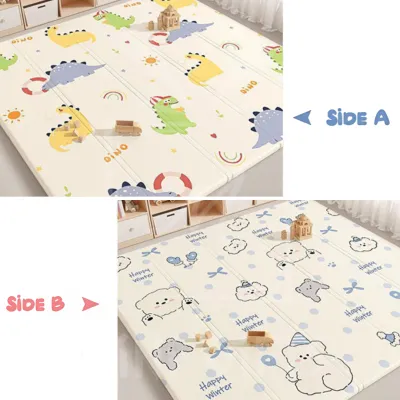
Prices are valid at publication and may change. Please refer to the product page for the latest price.
Portability and weight are critical factors when selecting an outdoor mat. If a mat is too heavy or awkward to fold, it will likely be left behind in favor of less protective alternatives. Caregivers should look for options that feature integrated carrying straps, dedicated travel bags, or compact folding lines that fit easily into a stroller basket or car boot. When managing multiple bags, a lightweight mat can make the difference between a stress-free walk to the park and an exhausting chore.
Surface resistance is equally important when transitioning from indoor living rooms to outdoor spaces. The mat must resist moisture from damp grass, repel fine sand particles at the beach, and withstand accidental spills from baby bottles or picnic food. A high-quality outdoor mat should prevent liquids from soaking through to the baby’s clothes while remaining easy to wipe clean on the spot. This barrier is particularly important in tropical climates where sudden rain showers can leave the ground damp for hours.
Ease of maintenance determines how practical a mat is for regular outdoor use. Outdoor environments expose baby gear to dirt, mud, sunscreen, and sweat. A mat that requires complex washing procedures or takes days to dry is highly inconvenient for busy families, making quick-drying, wipeable materials the preferred choice. Caregivers should also inspect the mat regularly for any signs of wear, tearing, or material degradation, stopping use immediately if the inner cushioning becomes exposed.
Evaluating Little Wiwa Portable Mat Options
When evaluating the Little Wiwa range for outdoor excursions, caregivers generally choose between two primary formats: folding designs and roll-up designs. Folding mats, such as those in the brand’s modular or folding collections, offer distinct advantages for transport. They fold along pre-creased lines into a compact rectangle, making them highly space-efficient for packing into tight spaces or carrying over the shoulder. This makes them highly suitable for families who rely on public transport or have limited storage space in their strollers.

Roll-up designs, on the other hand, provide a completely seamless surface without any creases. While this seamless nature makes them incredibly easy to wipe down because there are no crevices to trap dirt, they are often bulkier to transport. Roll-up mats typically require a carrying strap or bag and may not fit as easily into smaller stroller storage compartments. If you plan to use the mat primarily in your backyard or on a spacious patio, a roll-up design may be highly convenient, but for active travel, a folding design is often more practical.
Before purchasing, always check the product labels and manufacturer specifications for material properties and safety certifications. Little Wiwa mats are primarily constructed from Thermoplastic Polyurethane (TPU), which is a non-toxic, biodegradable alternative to traditional PVC. Caregivers should verify that the specific product meets relevant safety standards, such as European EN71 or international ASTM certifications, by checking the packaging or official documentation. These certifications ensure the material has been tested for safety, though parents must still verify these details independently as standards can change.
Cushioning is another crucial trade-off to consider. Thicker mats, often around 15mm, provide superior impact absorption on hard ground, concrete patios, or gravel-heavy park areas. However, this extra thickness adds weight and volume. For quick trips where portability is the priority, a thinner, lighter mat may be more practical, provided the ground is relatively flat and free of sharp debris. Always assess the terrain beforehand to ensure the cushioning is adequate for your baby’s comfort and safety.
Scenario-by-Scenario Selection Guide
Choosing the right mat requires balancing your family’s specific lifestyle needs against the physical limitations of your outdoor destinations. A single-purpose outdoor mat might be highly portable but lack the plush cushioning needed for daily indoor play, whereas a thick indoor mat brought outside requires extra care to prevent damage. Investing S$150 to S$250 in a premium, versatile mat requires understanding how it will perform across different terrains.
Park Visits and Grass Play
Setting up a play space on park lawns requires careful consideration of ground dampness. Even on sunny days, grass can retain significant moisture from morning dew or tropical humidity. Caregivers should verify that the playmat has a fully waterproof bottom layer to prevent dampness from seeping through to the baby’s play area. If moisture does penetrate, it can make the surface slippery and uncomfortable for a child learning to sit or crawl.
Uneven park ground, hidden twigs, and hard soil also demand adequate cushioning. If you plan to use the mat on natural lawns, look for a model with sufficient thickness to smooth out bumps and protect your baby’s knees and hands during crawling. Always inspect the grass for sharp objects, insects, or wet patches before laying the mat down, and maintain constant supervision to ensure your baby does not ingest loose grass or soil.
Beach Trips and Sand Environments
Beach outings present unique challenges, particularly regarding sand management. Fine sand grains can easily cling to textured surfaces, making cleanup difficult. When selecting a mat for beach use, look for a smooth TPU finish that allows sand to be shaken off effortlessly before packing the mat away. Avoid mats with deep, intricate textures that can trap sand and debris, which can scratch the surface during folding.
Wind resistance is another factor on open beaches. Lightweight portable mats can easily catch the wind and flip over, potentially startling or trapping a small infant. To secure the mat safely, caregivers can place heavy diaper bags, water bottles, or shoes on the corners, or check if the manufacturer offers specific anchoring options to keep the play space stable. Never leave a baby unattended on a mat, especially in windy beach conditions.
Family Picnics and Food Spills
Combining play and mealtime means spills are inevitable. Whether it is spilled milk, pureed baby food, or sticky juices, the mat’s surface must resist staining. TPU mats generally offer good resistance to liquids, but highly pigmented foods like berries, tomato-based sauces, or sunscreen should be wiped away immediately to prevent permanent discoloration. If a spill does occur, use a gentle wipe to clean the area promptly.
Hygiene is paramount when sharing a play space with food and outdoor footwear. To maintain a sanitary environment for a crawling baby, establish a clear boundary on the mat where shoes are prohibited. Regularly wiping the surface with a damp cloth during the picnic helps keep the play area clean and safe for hands-on exploration. If your baby shows any signs of skin irritation or an allergic reaction after contact with the mat or outdoor elements, stop use immediately and consult a qualified healthcare professional.
Care, Cleaning, and Storage After Outdoor Use
Proper maintenance after an outdoor trip is essential to preserve the lifespan and safety of your TPU playmat. After returning home, gently wipe down the entire surface using a soft cloth dampened with warm, soapy water. Avoid using harsh chemical cleaners, bleach, or alcohol-based sanitizers, as these can strip the protective coating and degrade the TPU material over time. Always refer to the manufacturer’s care label for specific cleaning instructions and approved cleaning agents.
Moisture control is critical to prevent the growth of mold, mildew, or unpleasant odors. Never fold or roll up a damp mat for long-term storage. Allow the mat to air dry completely in a well-ventilated indoor area before packing it away. If the mat was used on damp grass or at the beach, pay special attention to drying the underside thoroughly, as trapped moisture can ruin both the mat and the storage bag.
Storage conditions play a major role in material preservation. TPU is sensitive to extreme temperatures and prolonged exposure to ultraviolet (UV) light. Store your playmat in a cool, dry place away from direct sunlight. Avoid leaving the mat stored in hot areas, such as a car boot parked under the sun, as excessive heat can cause the material to warp, discolor, or lose its cushioning properties. If you notice any structural changes, such as delamination or cracking, stop using the mat to ensure your child’s safety.
Frequently Asked Questions (FAQ)
Can I leave the playmat outside overnight or in a hot car?
No, you should not leave your playmat outside overnight or store it in a hot car. Prolonged exposure to outdoor elements, morning dew, and direct sunlight can cause the TPU material to degrade rapidly. High temperatures inside a closed vehicle can warp the mat, weaken the bonded layers, and cause permanent discoloration. Always return the mat to a cool, dry indoor environment after use to maintain its structural integrity and safety.
How do I remove stubborn stains from outdoor food or grass?
To treat stubborn stains, wipe the area as soon as possible with a soft cloth and a mild, pH-neutral dish soap diluted in warm water. For persistent spots, refer to the manufacturer’s care manual for approved cleaning solutions. Avoid abrasive scrubbing brushes, steel wool, or harsh chemical stain removers, which can scratch the surface and permanently damage the mat’s protective outer layer.

Community discussion
Share your experience or ask a question. Comments are reviewed before publication.