
Choosing the right baby rice sticks in Singapore involves matching your child’s developmental stage with their specific dietary needs, whether you require iron-fortified options to support rapid growth, organic ingredients to minimize chemical exposure, or allergen-free formulations for sensitive tummies. As your baby transitions to solid foods, these puffed snacks serve as an excellent tool for practicing self-feeding and developing fine motor skills. However, navigating the crowded shelves of local supermarkets and online marketplaces requires a clear understanding of what goes into these products. By learning how to evaluate ingredient lists, verify certifications, and assess physical safety characteristics, you can confidently select snacks that complement your baby’s primary nutrition.
Identifying Your Baby's Specific Nutritional Requirements
During the first six months of life, your baby relies primarily on breast milk or infant formula to meet all nutritional needs. Around the half-year mark, however, their natural iron stores begin to deplete, making the introduction of iron-rich solid foods a critical priority. Recognizing the signs of increased nutritional demands—such as your baby showing active interest in your food, holding their head up steadily, or reaching for items—helps signal that they are ready to begin their weaning journey. While baby rice sticks are convenient, they should be selected deliberately to address these emerging dietary gaps rather than just serving as a distraction.
For some families, choosing organic or allergen-free options is a personal preference, while for others, it is a medical necessity. If your family has a history of food allergies, or if your baby shows signs of eczema, digestive discomfort, or skin rashes after feeding, identifying allergen-free snacks becomes paramount. Organic options are often chosen to limit exposure to synthetic pesticides and fertilizers during a highly sensitive developmental window. Before making any drastic changes to your baby’s diet or introducing specialized snacks designed to address specific deficiencies, always consult a pediatrician or a registered pediatric dietitian to ensure your approach aligns with your child’s unique health profile.
Products mentioned in this guide
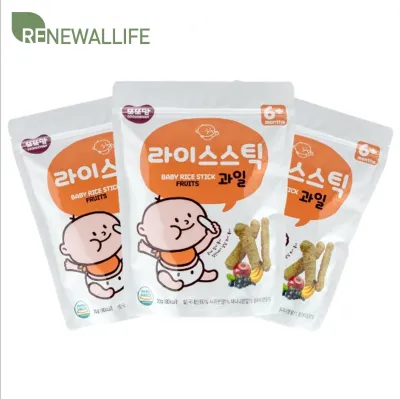
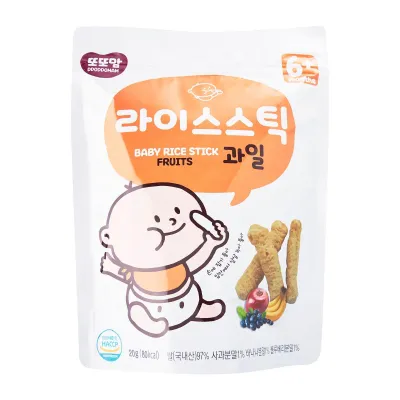
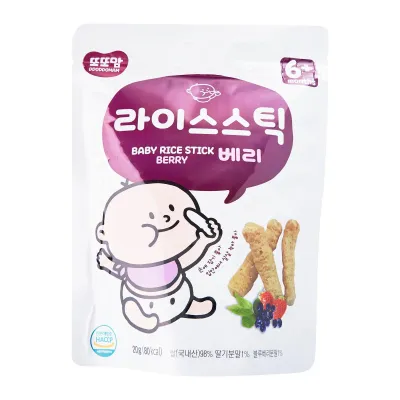
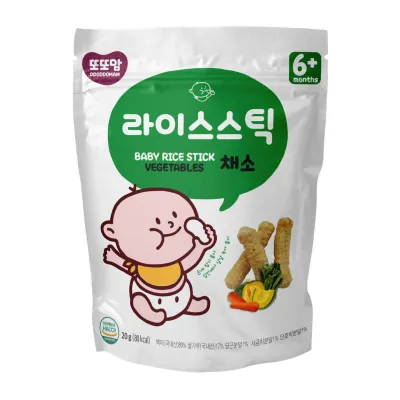
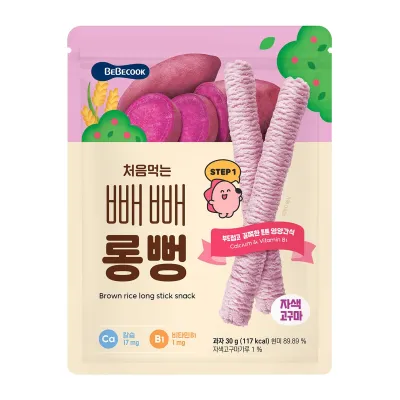
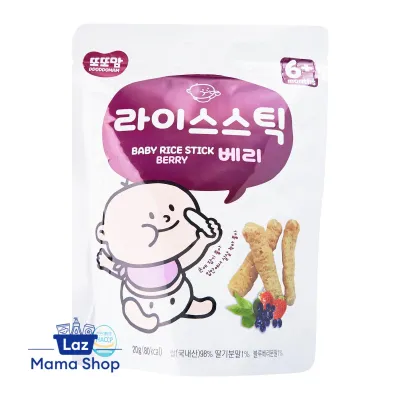
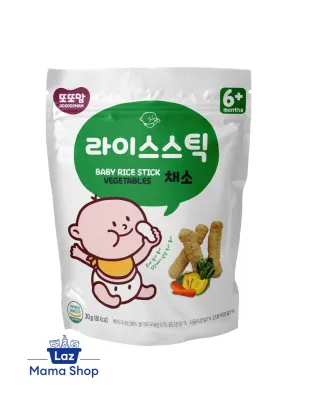
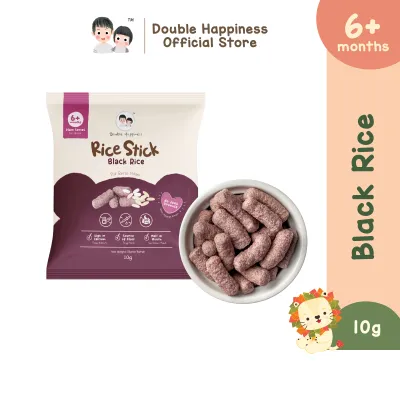
Prices are valid at publication and may change. Please refer to the product page for the latest price.
Decoding Ingredient Lists and Nutritional Labels
When shopping for baby rice sticks in Singapore, the front of the packaging is often adorned with appealing marketing claims, but the true value of the product lies on the back. Your first step should always be to scrutinize the ingredient list, which lists components in descending order by weight. Look out for hidden sugars disguised under names like cane syrup, brown rice syrup, fruit juice concentrate, or maltodextrin. Ideally, a baby’s first snack should contain minimal ingredients, with no added sodium, refined sugars, or artificial preservatives that can strain their developing kidneys and establish a preference for overly sweet or salty flavors.

Verifying actual nutritional value requires looking past vague buzzwords like “high in iron” or “nutrient-rich” and examining the Nutrition Information Panel (NIP). Look for the exact milligram measurement of iron per serving and compare it against the recommended daily intake for your baby’s age group. Keep in mind that some products may claim to be fortified but contain negligible amounts of active nutrients per portion. If a label claims a product is fortified, the specific vitamin or mineral must be explicitly listed in both the ingredient list and the nutritional breakdown table.
Organic claims also require careful verification, as the word “natural” carries no legal definition or regulatory weight. Genuinely organic baby rice sticks will display recognized certification logos from reputable international bodies, such as the USDA Organic seal, the European Union organic leaf, or Australia’s NASAA Organic logo. These symbols guarantee that the ingredients were grown and processed according to strict standards that prohibit most synthetic chemical inputs. If a package lacks an official third-party certification mark, the claim of being organic should be treated with caution.
Selecting Rice Sticks by Dietary Focus
Once you understand how to read labels, you can transition from general screening to selecting products that target your baby’s specific dietary focus. Different babies have different nutritional priorities, and no single snack fits every household’s needs. By categorizing available options into iron-fortified, organic, and allergen-free groups, you can streamline your shopping process and make choices that directly support your current feeding strategy.
Iron-Fortified Options for Healthy Development
Iron is a fundamental building block for your baby’s brain development and red blood cell production. When evaluating iron-fortified rice sticks, check the nutritional panel to see how much iron is provided per serving. Because the iron used in fortified plant-based snacks is typically non-heme iron, it is less readily absorbed by the human body than the heme iron found in animal products. To maximize absorption, consider pairing these snacks with foods rich in vitamin C, such as a small smear of fruit puree, or look for formulations that explicitly include vitamin C as an added ingredient. Remember that while fortified snacks are helpful, they cannot replace the highly bioavailable iron found in whole foods like pureed meats, poultry, fish, or iron-fortified infant cereals.
Organic Choices for Minimizing Chemical Exposure
Choosing organic rice sticks is an effective way to reduce your baby’s exposure to synthetic pesticide residues and genetically modified organisms (GMOs). When browsing options, pay close attention to the specific wording used on the packaging. A product labeled “100% Organic” must contain exclusively organic ingredients, whereas one labeled “Made with Organic Ingredients” only requires a minimum of 70% organic content, with the remaining portion subject to strict restrictions. In Singapore, organic baby snacks often carry a premium price tag, sometimes costing anywhere from S$5 to S$12 per box. Parents should weigh this cost-to-benefit ratio, keeping in mind that prioritizing organic status for high-volume staple foods is often more impactful than focusing solely on occasional snacks.
Allergen-Free Picks for Sensitive Diets
For infants with known food sensitivities or a family history of atopic conditions, finding truly allergen-free rice sticks is essential. Always scan the packaging for explicit “free-from” statements, particularly regarding the top common allergens: gluten, soy, dairy, eggs, peanuts, tree nuts, fish, and shellfish. Crucially, look past the main ingredient list and read the precautionary allergen labeling, often introduced by phrases like “manufactured in a facility that also processes…” or “may contain traces of…”. If your baby has a diagnosed severe allergy, even these trace amounts can trigger a reaction, making it necessary to choose brands that utilize dedicated allergen-free production lines. When introducing any new potential allergen, do so in small amounts during the day when you can closely monitor your baby, and have a clear action plan approved by your pediatrician.
Evaluating Texture, Dissolvability, and Choking Risks
The physical safety of a baby rice stick is just as important as its nutritional profile. Before offering any new snack to your baby, you should perform a manual test yourself. Take a rice stick and press it firmly between your thumb and forefinger to see if it crushes easily, or place one in your mouth to evaluate how quickly it dissolves with saliva alone without requiring active chewing. If a stick remains hard, gummy, or sharp-edged after contact with moisture, it may pose a choking hazard for a baby who has not yet mastered lateral tongue movements or chewing.
The size, shape, and density of the rice stick must also match your baby’s current stage of physical development. Younger babies who are just starting solids typically use a palmar grasp, wrapping their entire hand around an object, meaning they require longer, thicker sticks that protrude from the top of their fist. As they grow older and develop the pincer grasp—using the thumb and index finger—they can transition to smaller, bite-sized puffed pieces. Always check the manufacturer’s age recommendations on the packaging, but remember that these are general guidelines and not a substitute for assessing your own child’s actual oral motor skills.
Regardless of how quickly a product claims to dissolve, active adult supervision is mandatory during every single feeding session. You must be able to recognize the difference between gagging—which is a normal, noisy, and protective reflex where the baby coughs or sputters to push food forward—and choking, which is silent, dangerous, and characterized by an inability to breathe, blue lips, or silent struggling. If you suspect your baby is choking, stop feeding immediately and administer appropriate infant first aid. Never leave your baby unattended with food, and never allow them to eat while lying down, crawling, or riding in a stroller.
Purchasing Safely and Verifying Product Authenticity
Sourcing your baby’s food from reliable channels is vital to ensure the products have been transported and stored under safe conditions. In Singapore’s hot and humid climate, improper storage can lead to rapid spoilage, mold growth, or rancidity of the oils used in snacks. Whenever possible, purchase baby rice sticks directly from official brand websites, authorized pharmacies, or reputable major supermarkets. While online marketplaces and third-party sellers may offer lower prices, they carry a higher risk of selling parallel-imported goods that may not comply with local food safety standards, or worse, counterfeit products.
When your order arrives or when you pick up a product from the shelf, make it a habit to inspect the packaging thoroughly. Check that the safety seals are completely intact, the box is not crushed or punctured, and the expiry date is clearly legible and well into the future. Locate the batch or lot number printed on the packaging; this information is crucial in the event of a product recall, allowing you to quickly verify if your purchase is affected. If you notice any unusual odors, discoloration, or a stale texture upon opening the product, discontinue use immediately and contact the manufacturer or retailer for clarification.
Frequently Asked Questions (FAQ)
At what age can babies safely start eating rice sticks?
Most babies are developmentally ready to explore solid finger foods, including rice sticks, around six months of age. Rather than relying solely on a calendar date, look for key developmental milestones: your baby must be able to sit upright with little to no support, maintain good head control, and have lost the tongue-thrust reflex that automatically pushes solid objects out of their mouth. Always cross-reference these milestones with the manufacturer’s age recommendations printed on the specific product packaging, as some shapes or textures are designed for older infants. No matter how experienced your baby is with solids, never leave them unattended while eating, and ensure an adult is always present to supervise.
Can baby rice sticks replace regular meals?
No, baby rice sticks should never be used as a replacement for regular, nutrient-dense meals or breast milk and formula. These snacks are designed strictly as supplementary tools to help your baby practice self-feeding, hand-eye coordination, and jaw movements. Feeding too many snacks throughout the day can easily fill up your baby’s small stomach, reducing their appetite for more substantial meals that provide essential proteins, healthy fats, and vitamins. Additionally, because puffed rice products are dry and absorb moisture, ensure you offer your baby small sips of water during or after snack time to aid swallowing and help prevent constipation.

Community discussion
Share your experience or ask a question. Comments are reviewed before publication.