
Newborn nails are surprisingly sharp, thin, and fast-growing, often leading to accidental scratches on their delicate faces. Finding the right baby nail trimmer in Singapore involves balancing safety, ease of use, and your own comfort level as a caregiver. While some parents prefer the gentle, forgiving nature of electric nail files, others opt for the classic precision of manual clippers or rounded scissors. The ideal choice depends on your baby’s developmental stage, your confidence in handling tiny fingers, and the specific safety features of the tool.
Core Criteria for Selecting Newborn Nail Trimmers
Newborn nails are structurally different from adult nails. They are incredibly soft, pliable, and closely integrated with the underlying skin bed, known as the quick. Because the nail and skin are so tightly joined, distinguishing where the nail ends and the sensitive skin begins can be exceptionally difficult for new parents. Attempting to trim these paper-thin nails requires extreme care, as any sudden movement from a startled infant can lead to painful nicks.
Caregiver ergonomics play a vital role in preventing accidents during grooming sessions. Caregivers need a tool that offers a secure, stable grip to counteract the natural wriggling of a newborn. In Singapore’s warm and humid climate, hands can easily become damp or slippery, making non-slip handles or textured grips an essential feature for any manual tool. Furthermore, clear visibility is non-negotiable; you must be able to see the exact cutting or filing line under various lighting conditions, whether you are trimming in a brightly lit living room or a dimly lit nursery.
Products mentioned in this guide
![[SG SELLER] Electric Baby Nail Trimmer with LED Light 6 in 1 Baby Nail File Kit No Claws Hurt for Newborn Toddler](https://img.lazcdn.com/g/p/02552c6b2758eefb2cb6fa7e9c4e898d.jpg_400x400q80.jpg_.webp)

Prices are valid at publication and may change. Please refer to the product page for the latest price.
When choosing between manual precision and electric buffering, caregivers must weigh their personal comfort levels against the learning curve of each tool. Manual tools like clippers and scissors offer immediate, tactile feedback and allow you to complete the task quickly once you master the technique. On the other hand, electric buffers use rotating abrasive pads to gently wear down the nail, virtually eliminating the risk of cutting the skin but requiring more time and a steady supply of batteries or charging access.
Comparing Types of Baby Nail Trimmers
Each category of baby nail trimmer operates on a distinct mechanical principle, bringing its own set of advantages, learning curves, and operational sounds. Electric files rely on micro-motor rotation, which produces a low humming noise that might startle highly sensitive infants but offers a very forgiving learning curve. Manual clippers use a lever action to shear the nail instantly, requiring precise positioning but operating in complete silence. Scissors utilize a shearing motion controlled entirely by the caregiver’s finger pressure, offering excellent visibility but demanding the steadiest hand of all three options.

To help you decide which tool aligns best with your parenting style and your newborn’s temperament, consider the following comparison of the primary trimmer types:
| Trimmer Type | Operational Mechanic | Learning Curve | Noise Level | Best Suited For | Maintenance Needs |
|---|---|---|---|---|---|
| Electric Nail Files | Rotating abrasive pads | Very low; highly forgiving | Low hum/vibration | Anxious parents, active babies | Battery replacement, pad wear |
| Manual Clippers | Lever-action curved blades | Moderate; requires precision | Silent (except for click) | Quick trims, older infants | Blade cleaning, sanitisation |
| Baby Scissors | Shearing with rounded tips | Moderate to high; steady hand | Completely silent | Precise shaping, soft newborn nails | Blade alignment check, cleaning |
Maintaining these tools is essential for both hygiene and performance. Electric models require periodic replacement of the sanding heads as the grit wears down, alongside checking battery compartments for corrosion, especially in humid environments. Manual clippers and scissors must be cleaned with isopropyl alcohol after each use to prevent bacterial buildup, and caregivers should regularly inspect the blades to ensure they remain sharp and free of rust.
Electric Nail Files and Buffers
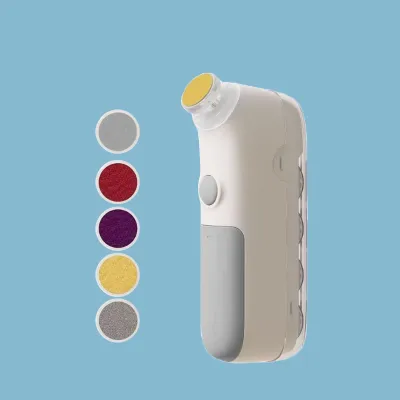
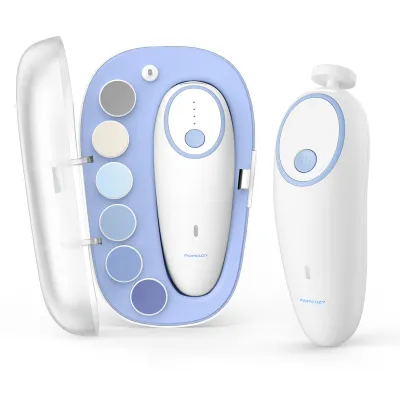
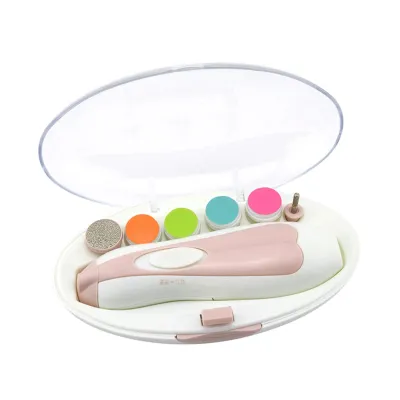
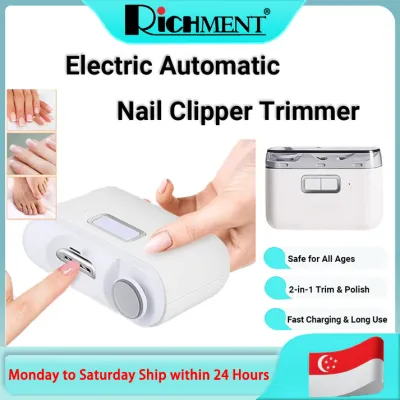
Electric nail files utilize cushioned, rotating pads that gently grind down the nail edge rather than cutting it. These pads come in different grit levels tailored to specific age ranges, ensuring that the abrasive surface is gentle enough for a newborn’s soft nails while remaining effective. Because the pad stops rotating when it encounters too much resistance, the risk of grazing or cutting the baby’s surrounding skin is exceptionally low, providing peace of mind to anxious parents.
Many electric models feature built-in LED lights positioned at the tip of the device. This design element is highly practical for parents who prefer to trim their baby’s nails while they sleep in a darkened room, ensuring adequate visibility without waking the infant. The soft illumination directly targets the fingernail, allowing you to work confidently without casting shadows.
However, electric buffers do have limitations, particularly regarding the time required to complete a full trim. Filing ten tiny fingernails can take significantly longer than a quick clip, which may test the patience of an awake, active baby. Additionally, while the motor hum is generally quiet, some newborns are highly sensitive to vibrations and may resist the physical sensation of the spinning pad against their fingertips.
Manual Baby Nail Clippers
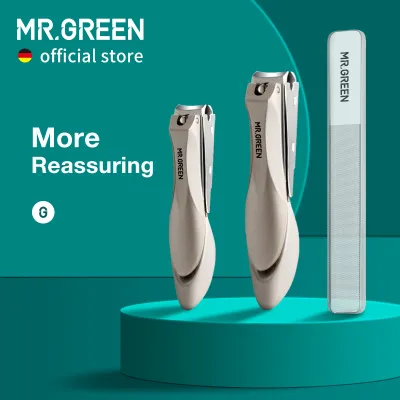
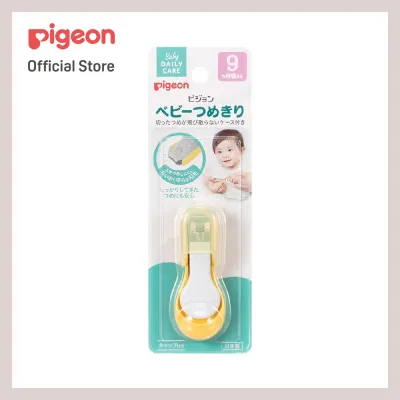
Manual baby nail clippers are scaled-down versions of adult clippers, specifically engineered to accommodate tiny fingers and toes. Many modern designs incorporate built-in magnifying glasses that fold over the cutting area, helping caregivers clearly distinguish the nail from the skin. The blades are typically curved to match the natural contour of an infant’s nail, reducing the number of clips required to achieve a smooth, rounded edge.
A secure, non-slip grip is a critical safety feature for manual clippers. Look for designs with oversized, textured handles or loop grips that allow your fingers to remain steady even if your hands are damp. This ergonomic support prevents the tool from slipping mid-clip, which is one of the primary causes of accidental skin nicks.
The primary risk associated with manual clippers stems from dull blades or improper alignment. If the blades do not meet perfectly, they can tear or crush the delicate nail instead of cutting it cleanly, leaving jagged edges that can scratch the baby’s face. Caregivers must carefully align the clipper perpendicular to the nail and avoid cutting too close to the lateral nail folds.
Baby Nail Scissors
Baby nail scissors feature short, thin blades with rounded safety tips to prevent accidental punctures if the baby makes a sudden movement. Some models incorporate micro-serrations along the blade edges, which grip the slippery, soft nail and prevent it from sliding away during the cut. This design allows for incredibly precise, controlled trimming, making it a favorite among experienced caregivers.
The primary advantage of scissors over traditional clippers is the unobstructed line of sight they provide. Because the blades are thin and open wide, you can see exactly where the cutting edge meets the nail plate, minimizing the guesswork involved in positioning the tool. This direct visibility makes it much easier to follow the natural curve of the fingernail.
Despite these advantages, using nail scissors requires a very steady hand and excellent ambient lighting. Because there is no mechanical barrier preventing you from cutting too deep, you must maintain complete control over the shearing motion. If your baby is prone to sudden startle reflexes, it is best to perform this task when they are deeply asleep or during a calm feeding session.
Essential Safety Features and Design Checks
When evaluating baby nail trimmers, caregivers must look past aesthetic designs and focus on specific physical safety features. For manual tools, inspect the blade curvature to ensure it matches a newborn’s tiny nail profile. The tips of scissors must be completely rounded, with no sharp points or rough edges on the metal or plastic body that could scratch the baby’s delicate skin during handling.
For electric models, the quality of the built-in illumination and the sensitivity of the motor auto-stop mechanism are paramount. A high-quality LED should cast a clear, focused beam without flickering or creating glare. The auto-stop feature should trigger immediately when moderate pressure is applied to the spinning pad, preventing friction burns or skin irritation if the pad accidentally slips off the nail and onto the surrounding cuticle.
Material safety is another critical consideration, particularly given the humid climate in Singapore, which can accelerate rust and bacterial growth on poorly made metal parts. Ensure that all metal components are crafted from high-grade, rust-resistant stainless steel. Any plastic housings or handles should be certified BPA-free and finished with non-toxic coatings, as babies frequently put their hands—and nearby objects—into their mouths.
How to Build Your Shortlist and Verify Before Buying
To build a reliable shortlist of baby nail trimmers, start by cross-referencing the manufacturer’s age guidelines printed on the packaging. Many electric files package their replacement pads by age color-codes (such as newborn, three to six months, and older), and using a pad designed for an older infant on a newborn can cause skin abrasion. Always verify that the tool’s specifications align with your baby’s current developmental stage and physical size.
Before making a purchase from local retailers or online marketplaces, check for product recall histories and safety compliance marks. While nail trimmers are generally low-voltage or manual devices, electric models that use wall adapters or rechargeable batteries should be verified for electrical safety standards. Ensure the product is sourced from reputable distributors who comply with local consumer protection regulations.
Finally, evaluate the practical aspects of long-term ownership, such as retailer return policies, warranty terms, and the availability of replacement parts. For electric buffers, check how easy it is to purchase additional sanding heads locally; a tool becomes useless if you cannot easily source the correct replacement pads once the originals wear out. Opt for brands that offer clear customer support channels and straightforward warranty coverage for peace of mind.
Frequently Asked Questions (FAQ)
When is it safe to start using a nail trimmer on a newborn?
Newborns are often born with long, paper-thin nails that can scratch their faces almost immediately after birth. During the first few weeks, these nails are extremely soft and closely attached to the skin, making manual clipping highly risky. It is generally safest to use a very gentle manual emery board or an electric file with a newborn-specific pad during these initial weeks. Once the nails begin to harden slightly—typically around three to four weeks of age—you can transition to manual baby clippers or rounded safety scissors if you feel comfortable doing so. If your baby has any pre-existing skin conditions, eczema, or nail abnormalities, consult your pediatrician before introducing any trimming tools.
How often should a newborn's nails be trimmed?
A newborn’s fingernails grow incredibly fast and may require trimming as often as once or twice a week to prevent them from scratching themselves. In contrast, toenails grow much slower and typically only need to be trimmed once or twice a month. You should inspect your baby’s hands daily for signs of sharp edges, snags, or scratches on their cheeks. If you notice their nails catching on their clothing or sleep sacks, it is a clear indication that a quick grooming session is needed.
What should I do if I accidentally nick my baby's skin?
Accidentally nicking a baby’s skin is a common occurrence that happens to almost every parent at some point. If a nick occurs, remain calm and immediately wash the area gently with clean water. Apply light, steady pressure to the cut using a clean, sterile gauze pad or a clean cloth until the bleeding stops. Do not apply liquid bandages or standard adhesive bandages to a newborn’s fingers, as these pose a severe choking hazard if the baby puts their hands in their mouth. Monitor the finger closely over the next few days for any signs of infection, such as localized redness, swelling, warmth, or pus. If you observe any of these symptoms, or if the bleeding does not stop after several minutes of continuous pressure, stop home care immediately and consult a doctor or pediatrician.

Community discussion
Share your experience or ask a question. Comments are reviewed before publication.