
Finding a safe and reliable baby walker in Singapore requires looking beyond brand names and focusing on verifiable safety standards, robust physical construction, and authorized local distribution. While many brands market their products as developmental aids, parents must prioritize models that comply with international safety regulations and fit their child’s specific developmental stage. By focusing on structural safety features and purchasing from reputable, authorized sources, you can minimize the inherent risks associated with these devices.
In Singapore’s urban living environments, which often feature tiled or vinyl flooring and compact spaces, choosing the right baby walker involves understanding how the product interacts with your home. A walker that lacks proper safety mechanisms can easily accelerate to dangerous speeds on smooth surfaces or tip over when encountering minor obstacles like rug edges or door thresholds. Therefore, evaluating a brand’s commitment to safety engineering is the most critical step in your purchasing journey.
How to Verify Safety Standards and Certifications
Before shortlisting any baby walker brand, you must verify that the specific model complies with recognized international safety standards. The most common and rigorous standards to look for are EN 1273 (the European standard for baby walkers) and ASTM F977 (the American standard). These certifications are not mere administrative labels; they dictate strict engineering requirements for stability, structural strength, and, most importantly, stair-fall prevention. If a brand does not clearly display these certification marks on its packaging or product labels, it should be excluded from your list.
Products mentioned in this guide
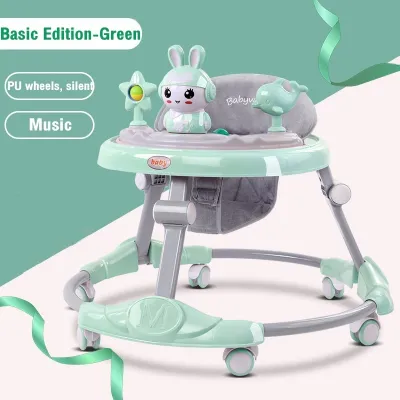
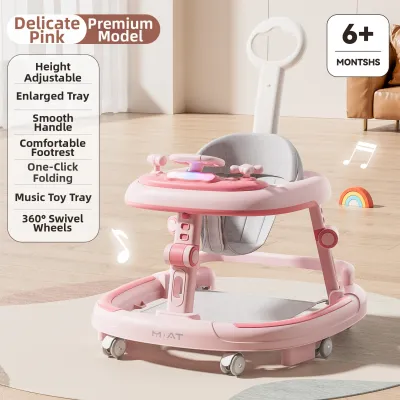
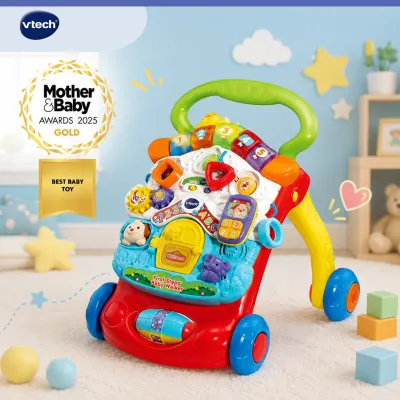
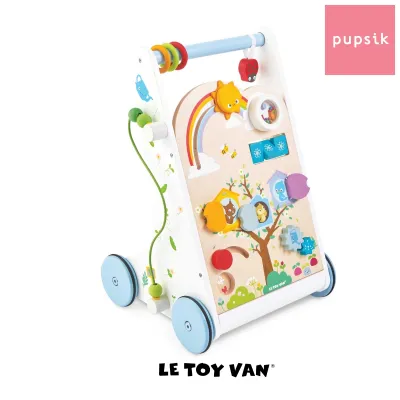
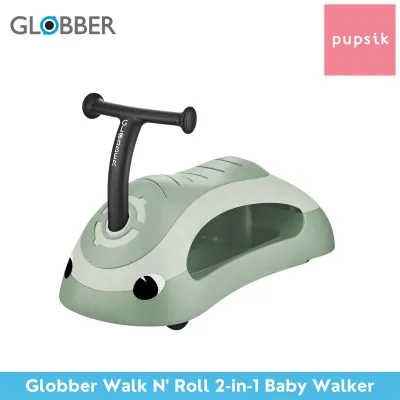
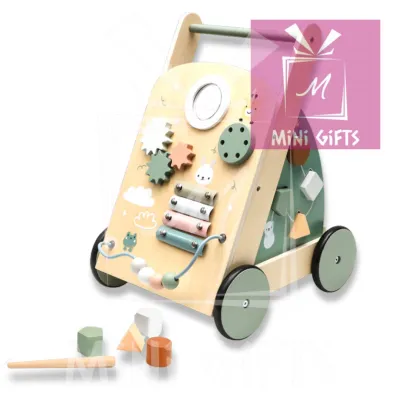
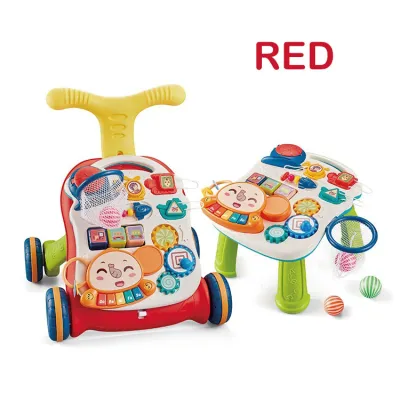
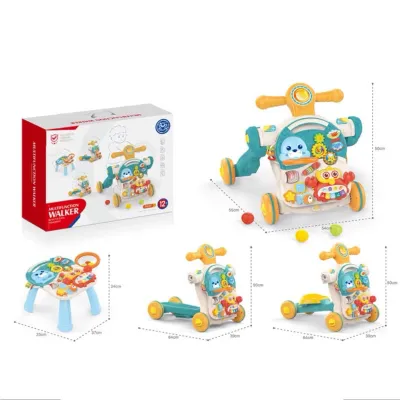
Prices are valid at publication and may change. Please refer to the product page for the latest price.
The European standard EN 1273 specifically tests whether a walker can resist tipping over when a child leans or pushes against obstacles. It also mandates the inclusion of friction strips or automatic braking mechanisms on the underside of the frame. Similarly, the ASTM F977 standard ensures that the walker’s frame is wide enough to prevent it from passing through standard doorways easily, reducing the risk of the baby accessing hazardous areas like kitchens or bathrooms. When browsing products in Singapore, look for these specific codes printed on the manufacturer’s label, usually located on the underside of the tray or the seat frame.
In addition to international standards, you must carefully read the manufacturer’s explicit guidelines regarding age, weight, and developmental limits. Most certified baby walkers are designed for infants who can sit up unassisted, typically around six months of age, and have a maximum weight limit of 11 to 12 kilograms. Placing a baby who is too young or too heavy into a walker compromises its structural integrity and balance, significantly increasing the risk of tipping or structural failure. Never rely on age recommendations alone; always assess your child’s physical milestones against the manufacturer’s specifications.
Finally, before finalizing a purchase, check for active product recalls and safety warnings. The Consumer Product Safety Office (CPSO) in Singapore regularly monitors consumer goods and issues alerts for products that fail to meet safety requirements. You can cross-reference the brand and model number on official government safety portals to ensure the product has not been flagged for defects. A reputable brand will have a clear history of safety compliance and will proactively publish safety notices or recall information on its official website.
Physical Features That Define Reliable Baby Walkers
The physical design of a baby walker is the most direct indicator of its reliability and safety. A well-engineered walker must feature an extra-wide base that is significantly larger than the upper tray and seat assembly. This wide footprint lowers the center of gravity and prevents the walker from tipping over when your baby leans sideways to reach for an object. When inspecting a walker in a retail store, try tipping it gently to the side; a reliable model should resist tipping and quickly settle back onto its wheels.

Another critical physical feature is the presence of stair-fall prevention mechanisms, often referred to as friction strips or rubber stoppers. These are non-slip pads integrated into the bottom of the walker’s base. If a wheel slips over an edge, such as a step or a raised threshold between rooms, these pads immediately contact the floor, creating enough friction to stop the walker’s forward momentum. Even if your home does not have stairs, these stoppers are essential for navigating the transitions between different flooring materials common in Singapore homes, such as moving from smooth marble to thick living room rugs.
The design of the seat and its adjustment mechanisms also play a vital role in your baby’s physical development. Look for a walker with a deep, padded seat that provides firm support for the lower back and hips. The seat must have adjustable height settings to accommodate your baby’s growth. When placed in the walker, your baby’s feet should rest flat on the floor with a slight bend in the knees. If the seat is too high, the baby will only be able to touch the floor with their tiptoes, which can strain their calf muscles and lead to an abnormal walking gait. Conversely, if the seat is too low, it can place undue stress on their developing hip joints.
Material quality is another non-negotiable factor when evaluating physical build. Reliable brands use high-grade, BPA-free plastics and sturdy metal frames that do not flex or creak under pressure. Examine the toy tray and any attached accessories carefully. There must be no small, detachable parts that could pose a choking hazard, and all paint used on the toys must be non-toxic and lead-free. Ensure that all edges are rounded and smooth, with no exposed metal screws or tight hinges that could pinch your baby’s fingers.
Checking Brand Reputation and Authenticity in Singapore
With the rise of online shopping, ensuring that you are purchasing a genuine, authorized product is more challenging yet more important than ever. To guarantee authenticity, always cross-reference brand claims with official distributor websites or visit authorized physical retail stores in Singapore. Purchasing from authorized channels ensures that the product has undergone local safety assessments and is covered by a valid manufacturer’s warranty. If a seller cannot provide proof of authorization or local warranty support, it is best to look elsewhere.
When researching a brand’s reputation, look for authentic feedback from other parents in Singapore. Local parenting forums, community groups, and detailed reviews on e-commerce platforms can provide valuable insights into how a walker performs in real-world conditions. Pay close attention to comments regarding the durability of the wheels, the ease of washing the fabric seat, and how well the walker maneuvers on local flooring types. Be skeptical of short, overly positive reviews that lack specific details, as these are often sponsored or fabricated. Instead, look for balanced reviews that discuss both the pros and cons of daily use.
Counterfeit baby products pose a severe safety risk because they often bypass critical safety testing and use substandard materials. Red flags of counterfeit walkers include unusually low prices—such as a premium brand model listed for S$30 when authorized retailers sell it for S$150—poor print quality on the packaging, and spelling errors in the instruction manual. Genuine products will always feature clear branding, a comprehensive user manual in English, and visible safety certification marks. If the deal seems too good to be true, it is highly likely a counterfeit or an unauthorized parallel import that lacks essential safety features.
Building Your Shortlist: A Pre-Purchase Inspection Checklist
Before making your final decision, conducting a physical inspection of the baby walker is highly recommended. If you are purchasing online, try to visit a physical showroom or retail store first to examine the display model. Use the following step-by-step checklist to verify the structural integrity and safety of the walker before buying:
First, test the frame stability by pressing down firmly on the top tray. The frame should remain rigid and should not wobble, bend, or collapse under moderate pressure. Next, inspect the folding and locking mechanisms. If the walker is designed to fold flat for storage, ensure that the safety locks engage securely with an audible click. These locks should require a deliberate, two-step action to release, ensuring that a sibling or the baby cannot accidentally trigger a collapse while the walker is occupied.
Second, run your hands along every surface of the walker. Check for sharp plastic edges, rough seams, or exposed metal parts. Pay close attention to the underside of the tray and the wheel attachments, as these are common areas for manufacturing defects. Spin the wheels to ensure they roll smoothly but do not spin completely freely; a slight amount of resistance is desirable to prevent the walker from moving too quickly on smooth floors.
Third, verify the documentation included with the product. A reliable baby walker must come with a detailed user manual in English, clear assembly instructions, and a manufacturer’s warranty card. If you have any doubts about your baby’s physical readiness or if they have any pre-existing developmental conditions, stop and consult a pediatrician before using a walker. A professional can provide personalized guidance on whether a walker is suitable for your child’s motor skill development.
Frequently Asked Questions (FAQ)
At what age and developmental stage is a baby walker appropriate?
A baby walker is typically appropriate when an infant can sit up completely unassisted and has strong head and neck control, which usually occurs between six and nine months of age. Your baby’s feet must also be able to touch the floor flat when the walker is adjusted to its lowest setting. You should discontinue using the walker immediately once your baby can walk independently, reaches the manufacturer’s maximum weight or height limit, or shows signs of being able to climb out of the seat. Always prioritize your baby’s actual physical milestones over the age guidelines printed on the box.
Are push walkers safer than traditional sit-in baby walkers?
Yes, push walkers are generally considered safer and more beneficial for motor development than traditional sit-in baby walkers. Sit-in walkers suspend the baby in a fabric seat, which can encourage abnormal walking patterns, such as toe-walking, and allows them to move at high speeds before their muscles are ready to support their weight. This high mobility increases the risk of tipping and stair-fall accidents. In contrast, push walkers require the baby to stand independently and support their own weight while pushing the toy forward. This active engagement promotes natural balance, strengthens leg muscles, and carries a lower risk of serious accidents, though active adult supervision is still essential.

Community discussion
Share your experience or ask a question. Comments are reviewed before publication.