
When your baby starts showing an interest in upright movement, it is natural to look for tools that can support their curiosity and keep them entertained. However, the question of whether baby walkers are safe is a major point of discussion among pediatricians and child safety experts. The general consensus among medical professionals is that traditional sit-in baby walkers pose significant safety risks and do not assist with natural motor development. While these devices remain available on many online marketplaces and in retail stores, using them safely requires an acute awareness of environmental hazards, strict physical boundaries, and constant, active supervision.
Deciding how to support your child’s physical milestones involves balancing their desire for exploration with their physical safety. Many parents turn to walkers hoping to give their infants a head start on walking or to keep them occupied. In reality, these devices can introduce unexpected dangers into a standard household environment. Understanding these risks is the first step in creating a secure space where your baby can develop their motor skills naturally and safely.
The Safety Reality: Understanding Baby Walker Risks
Major pediatric associations worldwide strongly discourage the use of mobile, wheeled baby walkers. In some jurisdictions, the sale and import of these devices have been strictly regulated or banned entirely due to the high volume of preventable injuries associated with them. The primary concern is that walkers give young infants a level of mobility and speed that their cognitive and physical development cannot yet handle.
Products mentioned in this guide
![[FREE GIFT] Lucky Baby Jamboree 5 In 1 Multi-Functional Baby Walker](https://img.lazcdn.com/g/p/d109dc267b06b191789c4e105f6e8947.jpg_400x400q80.jpg_.webp)


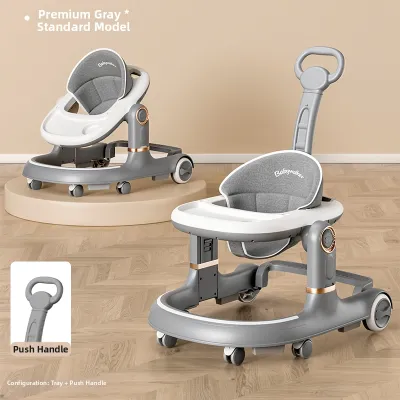
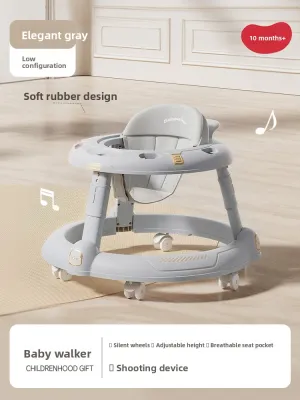
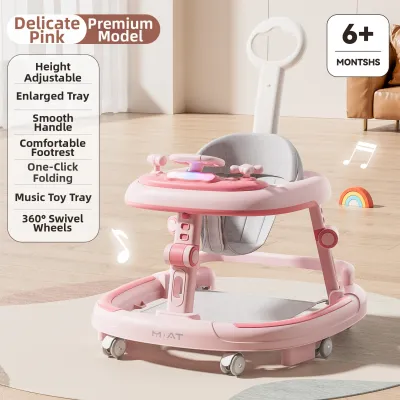

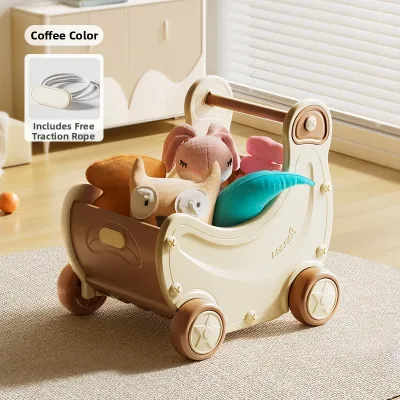
Prices are valid at publication and may change. Please refer to the product page for the latest price.
Before considering any upright play device, parents must evaluate their baby’s physical readiness. A baby should never be placed in any upright support device until they have full head control and can sit up completely unassisted. Placing an infant in a walker before their muscles and skeletal structure are ready can place unnatural strain on their developing hips, spine, and legs. Even when a baby meets these physical milestones, a walker does not teach them how to walk; instead, it suspends them in an artificial position that does not mimic natural gait mechanics.
Furthermore, many parents operate under the false assumption that a walker is a safe containment tool that allows them to multitask. However, the wheels on a walker allow an infant to move at speeds exceeding one meter per second. This rapid movement means a baby can travel across a room faster than an adult can react. Because of this, passive supervision—such as watching from across the room or while performing household chores—is entirely insufficient to prevent accidents.
Key Injury Risks and Environmental Hazards
To fully appreciate the safety concerns, it is essential to identify the specific physical and environmental dangers that baby walkers introduce to a home. The most common and severe injuries associated with walker use involve falls from elevated surfaces. In typical residential layouts, even a minor threshold, a sliding door track, or a transition from tile to carpet can cause a wheeled walker to tip over. If a walker reaches an open stairway or a step down into a kitchen or balcony, the momentum can carry the baby over the edge, resulting in serious head injuries or fractures.

In addition to fall risks, walkers grant babies an increased reach and height advantage that they would not naturally possess. An infant who is normally limited to crawling can suddenly reach the edges of dining tables, kitchen countertops, and low shelves. This height advantage exposes them to severe hazards, such as pulling down hot cups of coffee, reaching dangling electrical cords attached to heavy appliances, or accessing household cleaning chemicals and medications stored in low cabinets.
Finally, the mechanical design of many walkers presents inherent physical risks. The folding frames, height-adjustment mechanisms, and metal joints can easily pinch or trap tiny fingers and toes. If the walker encounters an obstacle on the floor, such as a small toy or a thick rug edge, the sudden stop can cause the entire unit to tip sideways or forward. This can trap the baby underneath the frame or cause them to strike their head against nearby furniture or the floor.
Essential Precautions and Safe Usage Boundaries
If you choose to use a baby walker despite the inherent risks, you must establish and maintain strict environmental boundaries to protect your child. Begin by thoroughly proofing the entire area where the walker will be used. Install heavy-duty safety gates at the top and bottom of all staircases, and ensure they are securely locked. Block access to high-risk zones like kitchens, bathrooms, and balconies. Remove all loose rugs, floor mats, toys, and electrical cords from the floor to prevent the wheels from catching and tipping the walker.
Active supervision is the most critical safety measure when a baby is in a walker. Active supervision means staying within arm’s reach of your baby at all times, keeping your eyes on them, and remaining fully focused on their movements. Do not use walker time to cook, clean, look at your phone, or attend to other tasks. You must be close enough to physically intervene instantly if the walker moves toward a hazard or begins to tip.
To prevent physical strain and overexertion, you must also enforce strict time limits on walker use. Limit sessions to no more than 10 to 15 minutes per day. Prolonged upright suspension in a walker can overwork a baby’s calf muscles and limit their opportunities for floor-based play, which is essential for building the core strength needed for independent walking.
Lastly, establish clear stop-use conditions. Discontinue using the walker immediately if your baby reaches the manufacturer’s maximum weight or height limit, or as soon as they can stand or walk independently. If your baby constantly walks on their tiptoes while in the device, arches their back excessively, or shows any signs of physical discomfort, stop using the walker and consult your pediatrician for guidance on their motor development.
Safety Standards and Pre-Purchase Checks
Before purchasing a baby walker from a local retailer or an online marketplace, parents must carefully verify its safety credentials and physical specifications. Do not assume that because a product is available for sale, it is inherently safe. Look for clear compliance labels on the packaging or the product itself indicating that it meets recognized international or regional safety standards. Additionally, search official consumer safety databases and manufacturer websites to ensure the specific model has not been subject to any active safety recalls.
Always check the manufacturer’s stated weight, height, and age limits in the product manual. Placing a baby who is too small or too large for the walker’s specifications increases the risk of the child slipping through the leg openings or causing the unit to become top-heavy and tip over. The baby’s feet must be able to touch the floor flatly or comfortably according to the manufacturer’s adjustment guidelines.
When inspecting a walker in-store or online, pay close attention to its physical design features. Look for a model with a wide, stable base that extends significantly beyond the perimeter of the baby’s seating area to minimize the risk of tipping. High-quality walkers often feature friction strips or rubber stoppers on the underside of the base. These safety features are designed to grab the floor and halt the walker’s momentum if a wheel loses contact with the ground, such as when approaching a step. Ensure all folding joints and height-adjustment mechanisms lock securely into place and do not have exposed pinch points.
Safer Alternatives for Mobility and Development
Fortunately, there are several safer product alternatives that support your baby’s motor skill development and desire for upright play without the elevated risks associated with traditional wheeled walkers. One excellent option is a push walker. Unlike sit-in walkers, push walkers require the baby to stand upright and support their own body weight while pushing the toy forward. This design encourages natural walking mechanics, heel-to-toe foot placement, and the development of balance and core strength. Because the baby is not suspended in a seat, they can easily step away or sit down when they get tired.
If you need a safe, contained space to keep your baby entertained while you complete quick household tasks, a stationary activity center is a highly recommended alternative. Often designed without wheels, these stationary centers allow your baby to stand, bounce, spin, and play with attached toys in a secure, fixed location. This eliminates the danger of uncontrolled mobility while still satisfying your baby’s desire to be upright and active.
Ultimately, the most effective way to support your baby’s physical milestones is through supervised floor play and tummy time. Giving your baby ample time on a clean, flat play mat allows them to practice rolling, crawling, sitting, and pulling themselves up to a standing position naturally. These floor-based movements build the foundational muscle groups in the neck, shoulders, back, and core that are essential for independent walking and long-term physical coordination.
Frequently Asked Questions (FAQ)
Do baby walkers delay walking and motor development?
Yes, frequent use of traditional sit-in baby walkers can actually delay independent walking and motor development. In a sit-in walker, the baby’s weight is supported by a fabric sling, which encourages them to push off the floor using only their tiptoes. This movement pattern strengthens the calf muscles while neglecting the hip, thigh, and core muscles that are critical for natural, heel-to-toe walking. To support healthy motor milestones, parents should balance any upright play with plenty of floor-based activities where the baby can practice crawling and pulling themselves up naturally.
At what age or weight should a baby stop using a walker?
The specific age, weight, and height limits vary by model, so you must always consult your product’s instruction manual. Generally, most manufacturers set a maximum weight limit between 11 and 13 kilograms, or a height limit where the baby can no longer stand safely with their feet flat on the floor. Beyond these physical specifications, you should stop using the walker immediately if your baby can sit up or walk independently, or if they show the ability to climb out of the seat, as this dramatically increases the risk of a severe fall.
Community discussion
Share your experience or ask a question. Comments are reviewed before publication.