
Selecting the most effective reusable training pants for your child in Singapore requires a careful balance of material performance, structural design, and practical fit. Because potty training is a highly individualized developmental milestone, there is no single brand that serves as a universal solution. Instead, the best approach is to evaluate how different options manage moisture, support your child’s independence, and withstand the local climate’s unique laundry challenges. By understanding what to look for in fabric layers, sizing adjustability, and manufacturing transparency, you can confidently choose high-quality options from local boutiques and online marketplaces.
Why Switch to Reusable Training Pants for Potty Training?
Transitioning from disposable pull-ups to reusable cloth training pants offers several distinct advantages that can accelerate the potty training process. The primary benefit lies in sensory feedback. Modern disposable diapers are engineered to lock away moisture instantly, leaving toddlers unaware when they have urinated. Reusable training pants, by contrast, allow the child to feel the physical sensation of wetness against their skin. This immediate feedback helps them connect the internal urge to use the toilet with the external consequence of a wet garment, reinforcing the learning loop.
In addition to developmental benefits, making the switch is highly eco-friendly and financially advantageous. Over the course of several months of potty training, a child can go through hundreds of disposable pull-ups, contributing significant waste to local landfills. Reusable options can be washed and used repeatedly, drastically reducing your household’s environmental footprint. While the upfront cost of purchasing a cloth stash in S$ may seem higher, the long-term savings are substantial, especially when the pants are preserved well enough to be passed down to younger siblings.
Products mentioned in this guide
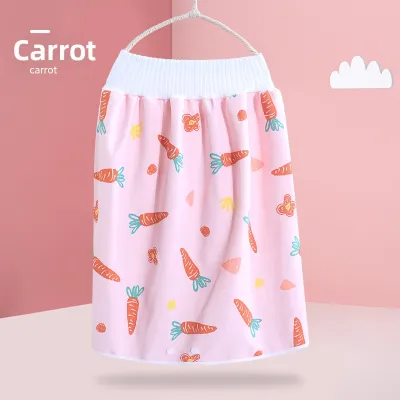
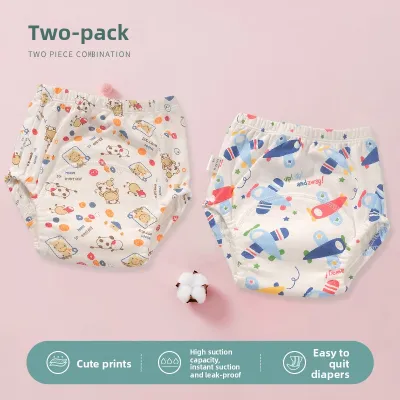
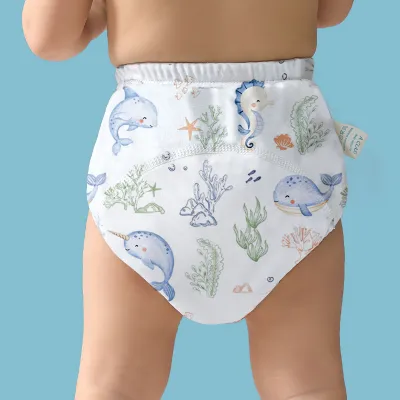
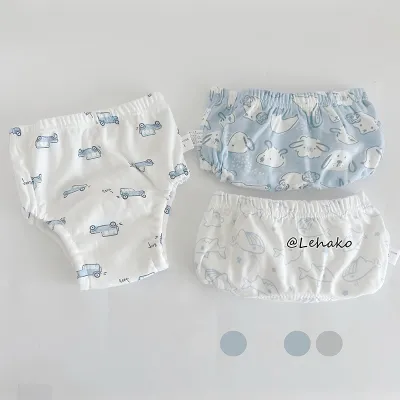
![[4 at $10.90] Baby Toilet Training Pants 6 Layers Reusable Cloth Diaper Waterproof Underwear Nappy Potty Highly Absorbent](https://img.lazcdn.com/g/p/8ddde1677384c797b9de2af14f2beb0f.png_400x400q80.png_.webp)
![[SG Ready Stock] Baby Toilet Training Pants 6 Layers Cotton Toddler Kid Potty Training Underwear Washable Cloth Diaper Children Day Gifts](https://img.lazcdn.com/g/p/3987f2eec680cd64554d9932f24c6993.jpg_400x400q80.jpg_.webp)
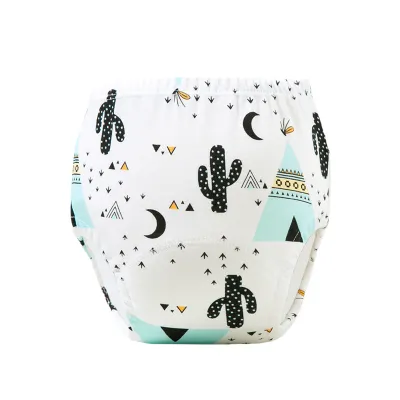
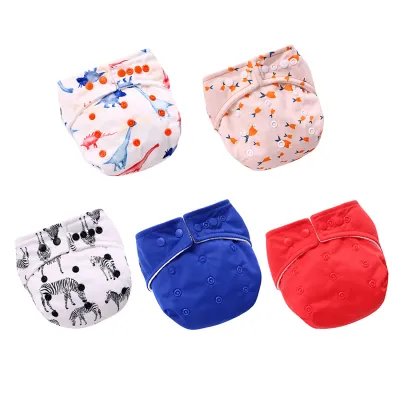
Prices are valid at publication and may change. Please refer to the product page for the latest price.
Finally, reusable training pants serve as an important psychological and physical bridge. Moving directly from bulky, highly absorbent diapers to thin cotton underwear can feel daunting for a toddler and stressful for parents worried about cleanup. Reusable training pants look and feel like regular underwear, promoting a sense of maturity and independence, while still providing a built-in safety net that catches minor accidents before they ruin furniture or flooring.
Key Features to Evaluate When Shopping for Training Pants
When comparing different brands of training pants, the internal absorbency layers should be your first point of evaluation. These layers are typically made from either natural fibers or synthetic materials. Natural fibers, such as organic cotton, bamboo, or hemp blends, are highly praised for their trim profile and excellent moisture retention under pressure. They allow the child to feel damp without immediately leaking through. Synthetic microfibers, on the other hand, absorb liquid very rapidly but are bulkier and more prone to compression leaks when your child sits down.

Equally important is the waterproof barrier, which prevents wetness from transferring to outer clothing. High-quality training pants utilize a hidden layer of Polyurethane Laminate (PUL) or Thermoplastic Polyurethane (TPU). These materials are heat-bonded to the fabric to create a water-resistant shield. When shopping, look for breathable TPU or PUL options, which are particularly beneficial in Singapore’s hot and humid weather, as they help minimize heat retention and reduce the risk of skin irritation.
The physical design of the training pants also dictates how easily they can be integrated into your daily routine. Pull-up styles feature stretchy, elastic waistbands that mimic regular underwear, allowing toddlers to practice pulling them down and up independently when using the toilet. Conversely, side-snap designs feature snaps along the hips. While slightly bulkier, side-snap pants are incredibly useful during the early stages of potty training or for children who still have unpredictable bowel movements, as they allow you to lay the child down and snap the pants off without pulling a messy garment down their legs.
Lastly, prioritize skin sensitivity and material safety. Because these garments sit directly against your child’s most sensitive skin for hours at a time, check product labels for recognized safety certifications, such as the OEKO-TEX Standard 100. This certification ensures that the fabrics have been rigorously tested and are free from harmful levels of chemicals, formaldehydes, or allergenic dyes. Avoiding heavily treated synthetic fabrics is especially crucial if your child has a history of eczema or contact dermatitis.
How to Vet Brands and Sellers for Quality and Safety
Navigating the vast array of options on online marketplaces and in specialty baby stores requires a critical eye to separate marketing hype from actual product quality. Start by verifying the manufacturer’s sizing specifications. Many generic listings advertise “one-size-fits-all” or broad age ranges, but these rarely provide a reliable fit. Instead, look for brands that publish detailed weight ranges and physical measurements. A brand that provides precise sizing guidelines is more likely to have invested in proper pattern grading for growing toddlers.
User reviews are an invaluable resource when vetting brands, but they must be analyzed carefully. Look past simple five-star ratings and search for specific feedback regarding leak performance, seam durability, and how the waterproof layer holds up over time. Pay close attention to reviews written by parents who have used the product for several months; these often reveal whether the elastics lose their stretch quickly or if the waterproof coating begins to delaminate after repeated wash cycles.
Seller transparency is another strong indicator of quality. Reputable brands and authorized distributors will clearly list the exact material composition of every layer (for example, “outer: 100% polyester with TPU coating; inner: 100% organic cotton”). They should also provide accessible customer support and comprehensive care instructions. If a seller’s listing uses vague terms like “absorbent blend” without specifying the fibers, or fails to provide washing guidelines, it is best to look elsewhere.
To assess the true value of your purchase, compare the upfront cost per pair in S$ against the expected lifespan of the garment. While budget-friendly multipacks from unverified sellers may seem appealing, they often feature thin waterproof barriers that degrade rapidly in the wash, requiring frequent replacements. Investing in slightly higher-priced, well-reviewed brands that use durable materials often proves more economical over the entire span of your child’s potty training journey.
Getting the Right Fit: Sizing and Adjustability
Achieving a proper fit is essential to prevent leaks and ensure your toddler remains comfortable throughout the day. Before purchasing any training pants, use a soft measuring tape to measure your child’s waist and thigh circumference. Do not rely solely on your child’s current clothing size or weight, as body shapes vary widely. Compare these measurements directly against the specific brand’s size chart, keeping in mind that sizing can differ significantly between European, American, and Asian manufacturers.
Look for adjustable features that can accommodate growth spurts and different body types. Some training pants feature rise snaps on the front, similar to cloth diapers, which allow you to adjust the overall length of the rise. Others incorporate adjustable elastic bands inside the waist or leg casings that can be tightened or loosened as needed. Stretchy, wide waistbands are generally preferred, as they distribute pressure evenly and prevent the pants from digging into your child’s stomach.
It is important to recognize the warning signs of an incorrect fit so you can adjust your stash accordingly. If you notice deep red marks or indentations on your child’s thighs or waist after they wear the pants, the elastic is too tight, and you should size up to prevent discomfort and restricted circulation. Conversely, if there is visible gaping around the leg cuffs when your child moves, or if you experience frequent leaks despite the pants not being fully saturated, the fit is too loose, and wetness will easily escape.
Washing and Care Routine to Maintain Absorbency
Establishing a proper washing and care routine is vital to maintain the absorbency of the training pants and preserve their waterproof properties. When an accident occurs, solid waste must be knocked directly into the toilet. For wet pants, store them in a dry, well-ventilated wet bag or a laundry pail with a mesh liner until wash day. Avoid soaking the pants in a bucket of water, as standing water creates a breeding ground for bacteria and mold, which can quickly ruin the fabrics in Singapore’s humid climate.
When washing, selecting the right detergent is critical. Use a standard, residue-free laundry detergent that cleans thoroughly without leaving behind additives. Avoid fabric softeners, liquid bleaches, and detergents containing optical brighteners or heavy fragrances. Fabric softeners work by coating fibers with a thin, water-repellent layer, which will cause the absorbent core of the training pants to repel moisture rather than absorb it, leading to immediate leaks.
Drying methods must be chosen carefully to protect the delicate waterproof barrier. Line drying is highly recommended, as natural sunlight helps sanitize the fabric and naturally fade stains. However, avoid hanging the pants in intense, direct midday sun for prolonged periods, as extreme heat can melt or crack the TPU or PUL layer. If you prefer to use a clothes dryer, always select a low-heat or air-fluff cycle, and strictly follow the manufacturer’s care label to prevent delaminating the waterproof backing.
Finally, learn to recognize the end-of-life indicators for your training pants. Over time, even high-quality garments will wear out. If you notice the internal waterproof lining beginning to peel, bubble, or crack (known as delamination), the pants will no longer prevent leaks and should be retired. Other signs that it is time to replace a pair include elastics that have completely lost their stretch, frayed seams that expose the absorbent core, or persistent, ammonia-like odors that remain even after a deep sanitizing wash.
Frequently Asked Questions (FAQ)
How many pairs of reusable training pants do I need?
The ideal number of training pants depends on your child’s current stage of potty training, your laundry frequency, and local drying conditions. In Singapore’s humid climate, line-drying cloth items can take longer, so it is wise to factor in extra drying time. If you plan to wash laundry every other day and your child is in the early stages of training (averaging 3 to 5 accidents per day), a starting stash of 8 to 12 pairs is recommended. This ensures you always have clean, dry pants available while others are in the wash or drying.
Can reusable training pants hold a full bladder release?
No, reusable training pants are not designed to act as a direct replacement for highly absorbent diapers. Their primary purpose is to catch small leaks and dribbles while allowing the child to feel the discomfort of wetness, prompting them to use the toilet. If a child experiences a full bladder release, the liquid will likely saturate the pants and leak through the leg cuffs. For nap times, overnight sleep, or long car rides where immediate toilet access is unavailable, it is best to use dedicated overnight cloth diapers or highly absorbent disposable options.
Are side-snap training pants better than pull-up styles?
Neither style is universally superior; rather, each serves a different phase of the potty training journey. Pull-up styles are excellent for toddlers who are actively practicing independent dressing, as the stretchy waistband allows them to easily pull the pants down and up themselves. Side-snap styles, however, are highly practical during the early stages of training or for children who still have frequent bowel movements. The side snaps allow caregivers to remove soiled pants quickly and cleanly without having to slide a messy garment down the child’s legs.

Community discussion
Share your experience or ask a question. Comments are reviewed before publication.