
Potty training in Singapore presents a unique environmental challenge: high ambient humidity and year-round tropical heat make heavy, slow-drying fabrics highly impractical. The ideal reusable potty training pants for this climate must strike a delicate balance between reliable leak containment, rapid drying times, and exceptional breathability to prevent skin irritation. While traditional disposable pull-ups offer convenience, eco-conscious parents in Singapore are increasingly turning to reusable options to reduce waste and accelerate the potty training process through natural wetness feedback. To succeed in this tropical setting, your selection should prioritize lightweight, breathable fabrics that dry efficiently on indoor laundry racks while providing just enough absorbency to catch minor accidents without trapping excessive body heat.
Key Fabric and Design Features for Tropical Climates
Selecting the right fabric is the most critical decision when choosing reusable potty training pants for Singapore’s climate. The material directly influences how comfortable the pants feel against your toddler’s skin during hot afternoons and how quickly they will dry after a wash. Natural fibers, such as organic cotton and bamboo blends, are highly celebrated for their exceptional breathability and gentle texture. Bamboo, in particular, is incredibly soft and possesses excellent moisture-absorbing qualities, making it ideal for children with sensitive skin prone to eczema or heat rash. However, natural fibers tend to retain water longer, which can prolong drying times on humid days.
In contrast, synthetic materials like polyester microfibers and athletic mesh offer rapid moisture absorption and dry significantly faster than natural alternatives. While synthetic fibers are highly efficient at moving liquid away from the body, they can sometimes trap heat if the garment lacks proper ventilation. To get the best of both worlds, many parents opt for hybrid designs that feature a soft, natural inner lining against the skin and a lightweight, synthetic outer layer. This combination ensures maximum comfort while keeping the overall garment thin and quick to dry.
Products mentioned in this guide
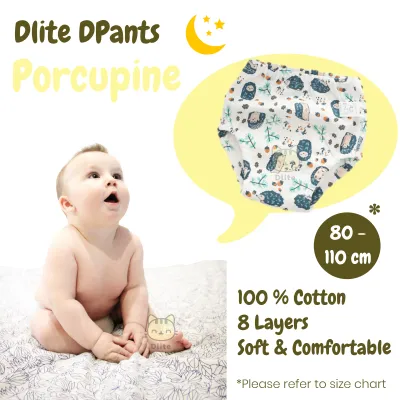
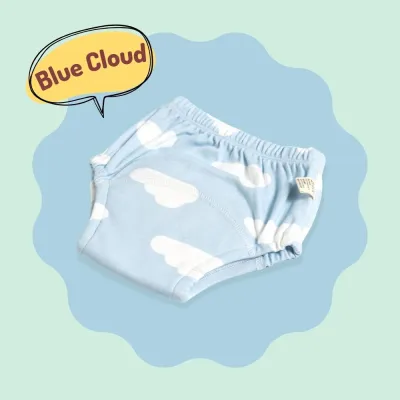
![[4 at $10.90] Baby Toilet Training Pants 6 Layers Reusable Cloth Diaper Waterproof Underwear Nappy Potty Highly Absorbent](https://img.lazcdn.com/g/p/197076b91cd3cd72b6ad2647e18e82e9.png_400x400q80.png_.webp)
![[SG Ready Stock] Baby Toilet Training Pants 6 Layers Cotton Toddler Kid Potty Training Underwear Washable Cloth Diaper Children Day Gifts](https://img.lazcdn.com/g/p/3987f2eec680cd64554d9932f24c6993.jpg_400x400q80.jpg_.webp)
![[SG Ready Stock] 6-Layer Toilet Training Pants / Reusable Diaper / Toilet Potty Training Pants](https://img.lazcdn.com/g/ff/kf/S837c946e91f74330af3b460add1bae8cG.jpg_400x400q80.jpg_.webp)
![[SG Ready Stock] Baby Toddler Girls Boys 6 Layer Cotton Toilet Potty Training Pants Rewashable Underwear Diapers [Little Gems] BLO005](https://img.lazcdn.com/g/p/2a916066007ab405e641b91f01fdee67.jpg_400x400q80.jpg_.webp)
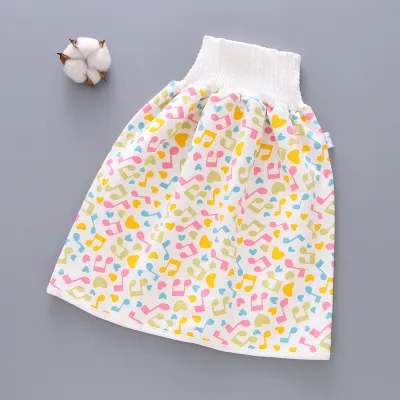
![SG REady Stock BLO007 Baby Toddler Boys Girls Potty Training Pants Underwear [Little Gems] Polyester](https://img.lazcdn.com/g/p/6efbc52f3a2114672ce86edc1ccdbd0f.jpg_400x400q80.jpg_.webp)
Prices are valid at publication and may change. Please refer to the product page for the latest price.
Another design element to evaluate is the presence of a stay-dry lining versus a wetness-wicking layer. While a stay-dry lining is excellent for keeping babies comfortable in standard cloth diapers, it can actually delay potty training by preventing the child from feeling when they have had an accident. For training pants, a breathable mesh or simple cotton lining is preferred, as it allows the child to experience the sensation of wetness immediately while still promoting airflow to keep the skin cool.
The trade-off between thick, multi-layered padding and thinner, quick-dry constructions is especially apparent in tropical environments. Heavy, multi-layered padded pants might offer superior leak protection, but they can easily take more than twenty-four hours to air-dry indoors in Singapore, particularly during the monsoon season. Thinner, quick-dry constructions that utilize a single or double layer of absorbent material paired with a breathable waterproof barrier, such as Polyurethane Laminate (PUL), are far more practical for daily rotation.
Balancing Absorbency and Wetness Awareness
Understanding the functional difference between fully waterproof cloth diapers and true potty training pants is essential for a successful transition. Cloth diapers are engineered to contain multiple heavy voids over several hours, utilizing thick absorbent cores and secure elastic seals. Potty training pants, however, are designed to hold only a single small accident or trickle. Their primary purpose is not to keep the child dry indefinitely, but to provide immediate wetness feedback. This sensory awareness helps the toddler connect the physical sensation of elimination with the damp, uncomfortable feeling of wet clothing, which is a crucial step in learning to use the toilet.

Matching the absorbency level of the training pants to your child’s current stage of development will save you both laundry time and frustration. In the early stages of potty training, when accidents are frequent and often involve full bladder releases, you may want to look for training pants that feature pocket openings. These pockets allow you to customize the absorbency by adding thin inserts when you are heading out of the house, and removing them when you are at home to encourage wetness awareness.
As your child transitions to the later stages of training—where they are mostly dry but occasionally experience minor leaks when distracted—you can shift to ultra-thin, cotton-dominant training pants. These pants feel almost identical to regular underwear but contain a very thin, hidden layer of microfiber or bamboo to catch minor drips. This progression helps build your child’s confidence while ensuring they do not feel weighed down by bulky garments in the tropical heat.
Before making a purchase, always verify the manufacturer’s specifications regarding liquid capacity and intended use. Some brands design their training pants specifically for light leaks, while others offer options rated for heavier wetting. In Singapore’s humid climate, wearing excessively absorbent pants during the day can lead to unnecessary heat retention and sweating around the groin area. By selecting the minimum necessary absorbency for your child’s current stage, you optimize both their comfort and the washing cycle.
Evaluating Fit, Comfort, and Leak Protection
A proper fit is paramount to ensuring that reusable training pants perform effectively without causing discomfort. Active toddlers are constantly running, climbing, and jumping, which means their training pants must move with them while maintaining a secure seal around the waist and legs. Look for training pants that feature adjustable elements, such as side snaps or highly flexible, stretchy side panels. Side snaps are incredibly convenient for managing messy accidents, as they allow you to lay the child down and unsnap the pants rather than pulling a wet, soiled garment down their legs.
Stretchy side panels are equally valuable, especially for fostering independence. These panels allow toddlers to easily pull the pants up and down by themselves when they feel the urge to use the toilet, mimicking the experience of wearing adult underwear. The elasticity should be robust enough to keep the pants securely in place, even when slightly wet, but not so tight that it restricts movement or leaves deep red marks on your child’s skin.
In Singapore’s hot and humid weather, tight or stiff elastic bands can quickly lead to chafing and heat rash, also known as prickly heat. To prevent this, prioritize training pants designed with wide, gentle, fabric-covered elastic waistbands and leg openings. The fabric covering acts as a soft barrier between the elastic and the skin, absorbing sweat and reducing friction.
Additionally, pay close attention to the design of the leg gussets. While high-performance cloth diapers often utilize double leg gussets to contain liquid messes, training pants generally require only a single, well-contoured gusset. The gusset should sit flat and snug against the groin crease. This design provides sufficient leak protection for minor accidents without adding unnecessary bulk that could trap heat or cause discomfort during outdoor play at local parks or indoor play areas.
Care and Drying Routines in High Humidity
Maintaining a hygienic and efficient laundry routine is essential when using reusable training pants, particularly in Singapore where high relative humidity can slow down evaporation and encourage the growth of bacteria or mildew. To keep the pants fresh and functional, start with a cold pre-rinse or short wash cycle without detergent. This step is crucial for flushing out urine and preventing stains from setting into the fabric fibers. Follow this with a standard warm wash cycle using a residue-free detergent.
Choosing the right detergent is vital for preserving the longevity of the training pants. Avoid detergents that contain fabric softeners, optical brighteners, or heavy fragrances, as these additives can leave a thin film over the fabric. Over time, this buildup reduces the absorbency of the inner layers and can clog the pores of the breathable waterproof outer shell, leading to premature leaks and trapped odors.
Drying reusable training pants in a humid environment requires a strategic approach to maximize airflow. If you live in an apartment or HDB flat with limited outdoor space, hang the pants on a drying rack positioned near a well-ventilated window or on a balcony where they can catch a breeze. To speed up the drying process indoors, place a standing fan or a dehumidifier directly in front of the drying rack. This active air circulation prevents moisture from lingering in the thick padded areas, significantly reducing the risk of musty odors and mildew.
Always consult the manufacturer’s care label before using a tumble dryer. While a dryer can be a lifesaver during consecutive rainy days or the monsoon season, high heat can damage the delicate elastic bands and cause the waterproof PUL lining to delaminate or crack. If tumble drying is permitted by the manufacturer, always use a low-heat or air-fluff setting to protect the structural integrity of the pants and ensure they last through your child’s entire potty training journey.
Building Your Shortlist: What to Check Before Buying
With numerous options available on online marketplaces and specialty baby stores, building a curated shortlist will help you make an informed decision. Start by cross-referencing product descriptions with independent user reviews from other parents living in tropical climates. Look specifically for feedback regarding how well the pants hold up after dozens of wash cycles, whether the fabric remains soft over time, and how quickly they dry when hung indoors. Real-world experiences from local parents can provide invaluable insights that standard product descriptions might omit.
Next, verify the brand’s sizing charts against your child’s actual physical measurements rather than relying solely on age or weight guidelines. Toddlers of the same age can have vastly different waist and thigh circumferences, and a proper fit is the single most important factor in preventing leaks. Use a soft measuring tape to measure your child’s waist and the widest part of their upper thigh, and choose the size that accommodates these measurements comfortably.
Finally, resist the temptation to purchase a complete set of one specific brand right away. Instead, start by buying a small trial pack consisting of two or three different styles or brands. This trial period allows you to observe how the pants fit your child’s unique body shape, how easily your child can manage them independently, and how well the fabrics dry within your specific home environment. Once you have identified the design that works best for your family, you can confidently invest in a larger quantity to support your full-time potty training routine.
Frequently Asked Questions (FAQ)
How many pairs of reusable training pants do I need for full-time use?
For full-time potty training in Singapore, a starting stash of 8 to 12 pairs is generally recommended, assuming you run a load of laundry every other day. Because high humidity can extend air-drying times to 24 hours or more when drying indoors, having a slightly larger inventory ensures you always have clean, dry pants available while others are on the drying rack. If you wash laundry daily, you may be able to manage with a smaller stash of 6 to 8 pairs.
Can I use reusable training pants overnight or during naps?
Standard reusable training pants are typically not designed to handle the heavy, concentrated urine volume that occurs during sleep, as they lack the high-capacity absorbency of overnight diapers. For naps and overnight use, it is highly recommended to use dedicated overnight cloth diapers, pocket diapers with extra inserts, or specialized night-time training pants that feature a fully waterproof outer shell and multiple layers of heavy-duty absorbency to prevent bed wetting.
What should I do if the training pants develop a persistent odor after washing?
A persistent ammonia or musty odor usually indicates a buildup of detergent residue, mineral deposits from hard water, or incomplete drying. To resolve this, perform a deep clean by washing the clean pants in a hot cycle without any detergent to flush out lingering residues, making sure to check the manufacturer’s maximum temperature limits first. To prevent future odors, ensure the pants dry completely in a well-ventilated area and avoid leaving wet pants in a closed diaper pail for extended periods.

Community discussion
Share your experience or ask a question. Comments are reviewed before publication.