
Selecting the most reliable magnetic drawer locks for baby-proofing your home requires looking beyond marketing claims and focusing on mechanical specifications, material quality, and installation compatibility. While many brands offer similar-looking plastic latches, the true reliability of a magnetic lock depends on the grade of its internal magnet, the durability of its plastic housing, and the strength of its mounting system. A reliable brand is one that provides transparent technical specifications—such as maximum cabinet thickness compatibility and adhesive curing requirements—allowing you to match the lock to your specific household cabinetry. By focusing on these verifiable engineering details rather than brand popularity, you can secure your kitchen and bathroom drawers against curious toddlers while maintaining convenient adult access.
Core Safety Features to Look for in Magnetic Drawer Locks
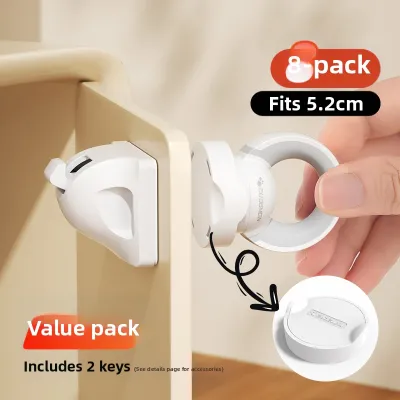
When evaluating magnetic drawer locks, the primary mechanical component to examine is the magnet itself. High-quality locks typically utilize neodymium magnets, which are rare-earth magnets known for maintaining strong magnetic fields over long periods. This strength is crucial because the magnetic key must penetrate the thickness of your drawer front—often ranging from 15mm to over 25mm—to retract the internal spring-loaded latch. If the magnet is too weak, the latch will fail to disengage, leaving you locked out of your own cabinets. Conversely, if the internal spring mechanism is poorly calibrated, the latch may not snap back into the locked position once the key is removed, rendering the childproofing ineffective.
Material durability is another critical factor in determining lock reliability. The lock housing and catch are constantly subjected to sudden pulling forces when toddlers attempt to open secured drawers. Look for brands that construct their locks from high-impact ABS plastic or similar robust, non-toxic polymers. These materials resist cracking, shearing, and structural fatigue over thousands of opening and closing cycles. Furthermore, because toddlers may occasionally attempt to chew on accessible cabinet edges or pull on drawers with their body weight, the plastic must be free from harmful additives like bisphenol A (BPA), phthalates, and heavy metals.
Products mentioned in this guide
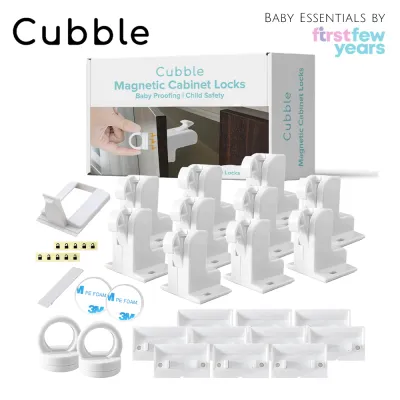
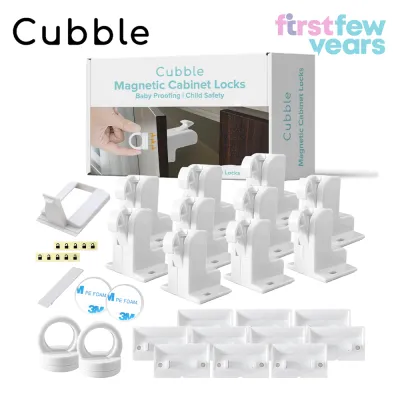
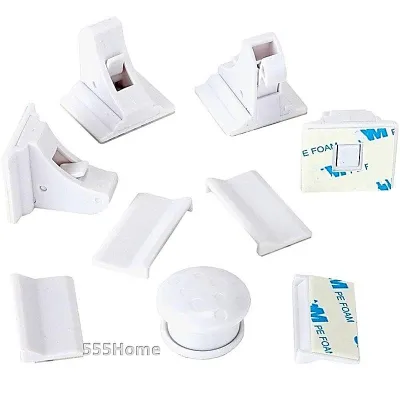
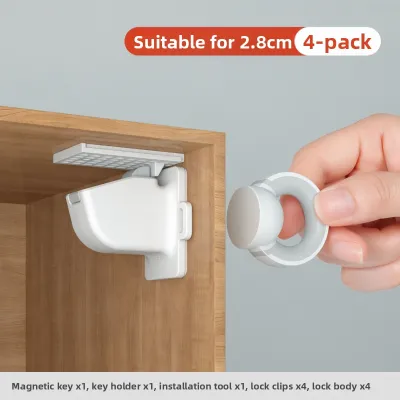
Prices are valid at publication and may change. Please refer to the product page for the latest price.
Finally, parents should verify safety certifications and age-appropriate labeling on the product packaging. Reliable manufacturers design their products to meet recognized international standards for child safety devices, such as the European standard EN 16948 or relevant ASTM guidelines. These standards test the locks for durability, mechanical strength, and resistance to being bypassed by children. Always check the packaging for clear indications of the intended age range—typically up to 24 months—and ensure the manufacturer provides explicit warnings regarding the limitations of the device.
Evaluating Brand Reliability and Manufacturing Standards
In the baby-proofing market, brand reliability is best assessed through transparency and quality control rather than flashy advertising. Trustworthy manufacturers provide clear, accessible contact information, including a physical address, customer support email, and phone number. They also offer comprehensive warranty policies that protect against manufacturing defects, such as a magnet losing its charge or a spring mechanism failing prematurely. Before purchasing, it is wise to check official consumer safety databases for any history of product recalls associated with the brand, which can indicate systemic manufacturing or design flaws.

Analyzing user feedback patterns across various retail channels can reveal common failure modes that may not be apparent from product descriptions. When reviewing feedback, look for recurring complaints regarding adhesive failure, latch jamming, or weak magnetic penetration. If multiple users report that the adhesive backing fails within a few weeks of installation, or that the latch frequently gets stuck in the open position, it suggests poor quality control or substandard materials. Conversely, consistent praise for clear instructions, robust construction, and responsive customer service is a strong indicator of a reliable brand.
A reliable manufacturer also demonstrates its commitment to safety by providing comprehensive support materials. This includes detailed, step-by-step printed installation manuals, clear troubleshooting guides, and online video tutorials demonstrating proper alignment. Furthermore, reputable brands often sell replacement parts and accessories independently. If you lose a magnetic key or need to relocate a lock to a different cabinet, a reliable brand will allow you to purchase extra keys, mounting templates, or replacement adhesive strips without forcing you to buy an entirely new multi-pack system.
Comparing Installation Methods and Cabinet Compatibility
Matching the lock’s installation method to your specific cabinet material is essential for long-term reliability. Magnetic drawer locks generally offer two mounting options: adhesive-mounted and screw-mounted. Adhesive-mounted locks are highly popular because they require no drilling and preserve the aesthetic value of your cabinetry, making them ideal for rental properties. These locks typically utilize high-bond acrylic tapes, such as 3M VHB, which provide excellent holding power on smooth surfaces like finished wood, laminate, and metal. However, adhesive mounts require meticulous surface preparation and a full curing period before they can withstand the pulling forces exerted by a determined toddler.
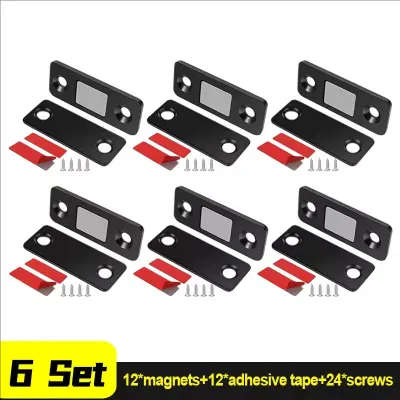
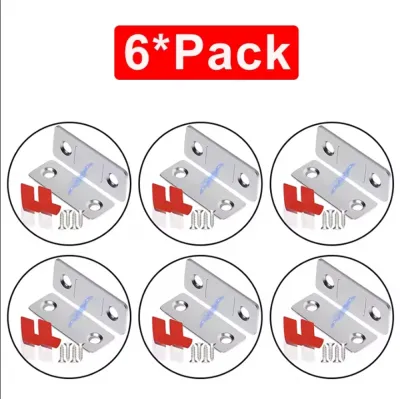
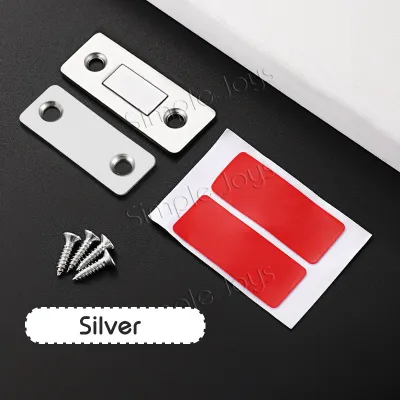
For heavy drawers, high-use cabinets, or older toddlers who can pull with significant force, screw-mounted locks offer the highest level of mechanical security. Screwing the latch and catch directly into the cabinet frame eliminates the risk of adhesive failure due to humidity, temperature fluctuations, or repeated impacts. The trade-off is permanent damage to the interior surfaces of your cabinetry, which may require wood filler and refinishing if the locks are eventually removed. Some versatile brands offer hybrid designs, allowing you to initially install the locks using adhesive and later secure them with screws if your child manages to pull them loose.
Cabinet design and physical dimensions also dictate which magnetic locks will function correctly. Standard magnetic locks require a flat, vertical surface on the inside of the drawer frame to mount the catch, and a corresponding flat surface on the inside of the drawer front for the latch. Frameless (European-style) cabinets, inset drawers, and drawers with decorative lips or unusual hinge clearances can interfere with the alignment of the lock components. Additionally, magnetic locks will not function on metal-framed cabinets, as the metal shields or distorts the magnetic field, preventing the key from retracting the latch. Always measure your cabinet thickness and internal clearance before purchasing to ensure compatibility.
Building Your Shortlist: What to Verify Before Purchasing
Before finalizing your purchase, create a shortlist of candidate brands and verify their specifications against your household needs. Start by cross-referencing online product descriptions with the manufacturer’s official documentation. Pay close attention to the maximum cabinet thickness rating; if your drawer fronts are 30mm thick, a lock rated for a maximum of 25mm will not function, regardless of how highly rated the brand is. Look for specified pull-force limits or weight ratings, which indicate the maximum force the lock can withstand before the latch slips or the adhesive detaches.
Another critical safety consideration is the storage and management of the magnetic keys. Because these locks cannot be opened without the key, losing it can result in being locked out of your own drawers, while leaving it within a child’s reach defeats the purpose of childproofing. When evaluating brands, check if they include dedicated magnetic key docks or holders. These holders can be mounted high on a wall, refrigerator, or door frame, keeping the key secure and out of reach of children. It is also advisable to choose a brand that includes at least two keys in their multi-packs, providing a backup in case one is misplaced.
Finally, review the retailer’s or manufacturer’s return and exchange policies. Because cabinet configurations are highly diverse, there is always a possibility that a specific lock model will not align properly with your drawer frames or that your cabinet doors are too thick for the magnetic field to penetrate. Purchasing from a seller that offers hassle-free returns allows you to buy a single pack to test for compatibility, clearance, and ease of installation before investing in enough locks to secure your entire home.
Proper Installation, Testing, and Ongoing Maintenance
The reliability of even the highest-quality magnetic drawer lock depends heavily on proper installation and maintenance. For adhesive-mounted locks, surface preparation is the most critical step. The interior surfaces of your drawers must be completely free of grease, dust, moisture, and furniture polish residues. Clean the mounting areas thoroughly using isopropyl alcohol (rubbing alcohol) and a clean microfiber cloth, then allow the surface to dry completely. In humid climates like Singapore’s, adhesive curing is particularly critical, as moisture in the air can interfere with the bonding process if the surface is not completely dry. Avoid using standard household cleaners, as they often leave behind a thin residue that prevents the adhesive from bonding securely to the wood or laminate.
Once the surfaces are clean, use the manufacturer-provided installation template or alignment tool to position the latch and catch. Press the adhesive backing firmly against the cabinet surface for at least 30 seconds to activate the pressure-sensitive bond. Crucially, you must allow the adhesive to cure undisturbed for the full duration specified by the manufacturer—typically 24 to 48 hours—before allowing the drawer to lock or subjecting it to any pulling force. Bypassing this curing period is the primary cause of premature adhesive failure.
Childproofing is an ongoing responsibility that requires regular inspection and maintenance. Establish a monthly routine to test each magnetic lock in your home. Verify that the latch retracts smoothly when the magnetic key is applied and snaps back instantly into the locked position when the key is removed. Visually inspect the plastic components for signs of stress whitening, hairline cracks, or loose mounting screws. If you observe any signs of wear, adhesive peeling, or mechanical sticking, replace the lock immediately to ensure your child remains protected.
Frequently Asked Questions (FAQ)
Can magnetic drawer locks be used on all types of cabinets?
No, magnetic drawer locks have specific physical and material limitations. They cannot be used on metal cabinets or drawers, as the metal surfaces shield or distort the magnetic field, preventing the key from retracting the internal latch. Additionally, they may not function on exceptionally thick solid wood doors or drawers that exceed the manufacturer’s specified maximum thickness (typically 25mm to 38mm). Frameless cabinets or drawers with unique inset designs, decorative lips, or tight internal clearances may also lack the flat mounting surfaces required to align the latch and catch properly, necessitating alternative childproofing hardware.
What should I do if the adhesive mount stops holding?
If an adhesive mount fails, you must first remove all remaining adhesive residue from both the cabinet surface and the lock component. Apply a small amount of adhesive remover or isopropyl alcohol to soften the residue, then gently scrape it away using a plastic putty knife to avoid damaging the wood or laminate finish. Once the surfaces are completely clean and dry, you can apply a fresh piece of high-bond acrylic mounting tape (such as 3M VHB) cut to fit the lock’s base. Alternatively, if the cabinet material allows, you can transition to a screw-mounted installation to provide a permanent, mechanical connection that is not susceptible to adhesive failure.

Community discussion
Share your experience or ask a question. Comments are reviewed before publication.