
When childproofing your home in Singapore, securing cabinets and drawers is one of the most critical steps to prevent access to household cleaners, sharp objects, and heavy cookware. Magnetic child locks have emerged as a highly popular solution for local parents due to their invisible installation and reliable locking mechanisms. Finding the best magnetic child lock brand for your home involves evaluating key factors such as magnetic strength, adhesive durability under tropical humidity, material safety, and cabinet compatibility. Rather than relying on a single universal brand, the ideal choice depends on your specific carpentry, door thickness, and whether you require a drill-free installation. By understanding how to assess these technical specifications, you can select a high-quality brand that keeps your toddler safe while preserving the aesthetic appeal of your living space.
Why Magnetic Cabinet Locks Are a Preferred Choice
One of the primary reasons parents in Singapore opt for magnetic child locks over traditional plastic latches is their completely invisible design. Traditional childproofing locks often require straps, clips, or sliding bars that attach to the exterior of your furniture. While functional, these external locks can disrupt the clean lines of modern kitchen cabinets, built-in wardrobes, and living room sideboards. Magnetic locks, by contrast, are installed entirely on the interior surfaces of your doors and drawers. From the outside, your cabinetry remains completely untouched, preserving your home’s interior design while keeping hazardous items safely out of reach.
In addition to aesthetics, external locks often act as a visual curiosity for toddlers. Young children are naturally drawn to colorful or protruding objects, and they may spend hours pulling, twisting, or chewing on external latches, eventually weakening them. Because magnetic locks are hidden from view, they do not attract a child’s attention. There are no visible parts for a toddler to grasp, pull, or attempt to bypass, which significantly reduces the likelihood of lock failure due to persistent tampering.
Products mentioned in this guide
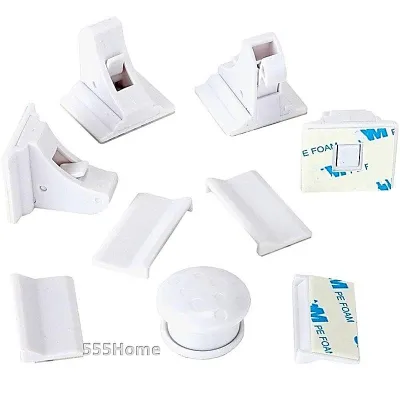
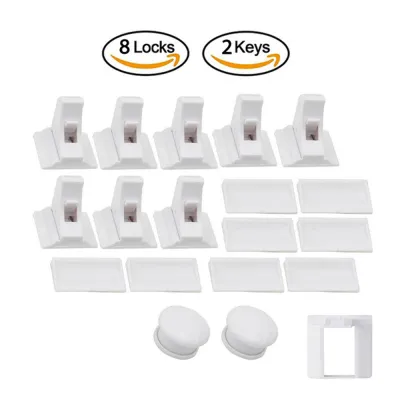
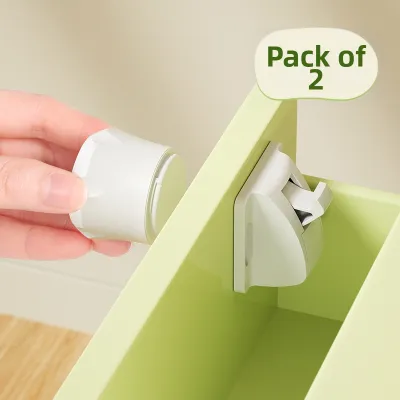
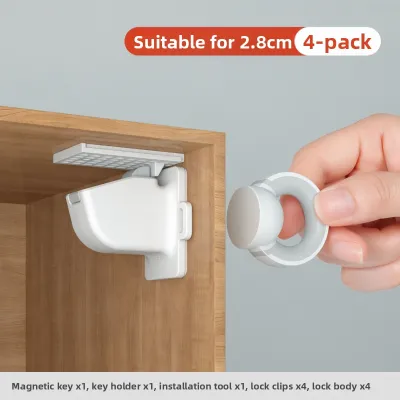
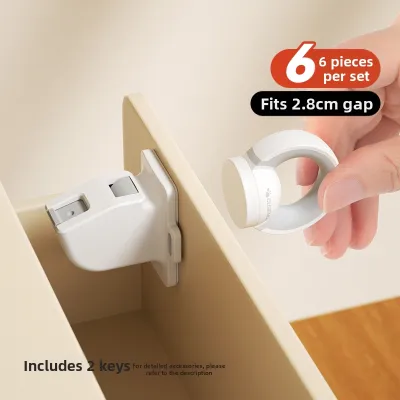
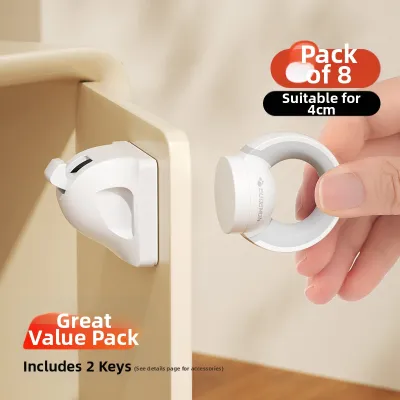
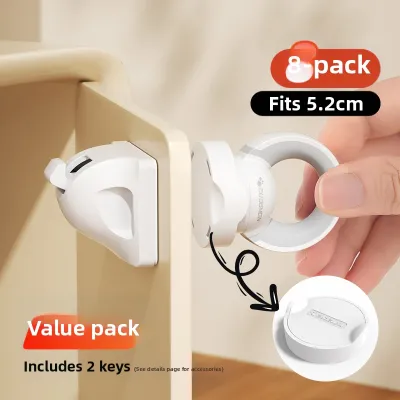
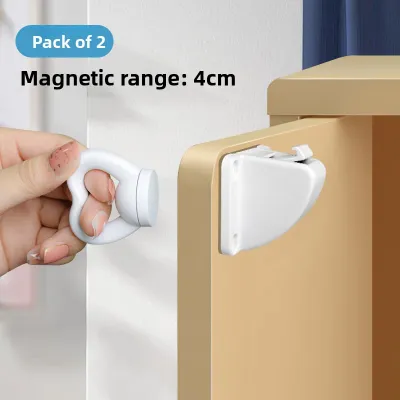
Prices are valid at publication and may change. Please refer to the product page for the latest price.
The convenience of a unified key system is another major advantage of magnetic childproofing systems. Most reputable brands design their locks so that a single magnetic key can operate every lock in the house. This means you do not need to carry multiple keys or remember different unlocking mechanisms as you move from the kitchen to the bathroom or living room. You can simply store one magnetic key on a high metallic surface, such as your refrigerator or a wall-mounted magnetic strip, and use it to access any secured cabinet instantly. Many packages also include multiple keys, allowing you to keep spares in convenient locations while keeping them safely out of your child’s reach.
However, magnetic locks do have specific limitations that parents must consider before purchasing. The most obvious risk is misplacing the magnetic key; if all your keys are lost or locked inside a cabinet, accessing your items can become highly challenging without a high-strength replacement magnet. Additionally, magnetic force naturally dissipates over distance. If your cabinet doors are exceptionally thick—typically exceeding 25 to 35 millimeters—the magnetic field may not be strong enough to disengage the internal latch. Understanding these limitations is essential for determining whether magnetic locks are the right fit for your home’s specific layout and furniture dimensions.
Core Evaluation Criteria for Magnetic Child Lock Brands
To select a reliable magnetic child lock brand, you must first evaluate the magnetic strength of the key and latch mechanism. High-quality brands utilize powerful neodymium magnets, which can easily penetrate thick wood, medium-density fibreboard (MDF), and laminate surfaces. When comparing brands, look closely at the manufacturer’s specified maximum door thickness. A lock designed for thin cabinet doors may fail to open if installed on heavy, solid wood carpentry common in premium Singaporean homes. Conversely, an excessively strong magnet on a very thin door might cause the latch to snap open too violently, potentially wearing down the internal plastic components over time.

The mounting method is another critical factor that separates premium brands from budget alternatives. Most parents prefer adhesive-mounted locks because they do not require drilling into expensive cabinetry, making them ideal for rental properties or high-end custom carpentry. However, the performance of adhesive locks depends heavily on the quality of the tape used. Reputable brands typically partner with established adhesive manufacturers, utilizing heavy-duty acrylic foam tapes (such as 3M VHB) that are engineered to withstand constant pulling forces. If you choose an adhesive option, ensure the brand specifies compatibility with your cabinet’s surface material, whether it is high-gloss laminate, painted wood, or melamine.
For heavy drawers or cabinets containing highly dangerous items like medications or cleaning chemicals, screw-mounted magnetic locks offer an extra layer of security. Some versatile brands offer dual-mounting options, providing both adhesive tape for standard cabinets and small screws for maximum reinforcement. If you decide on a screw-mounted system, verify that the brand includes high-quality, rust-resistant screws that will not strip during installation or corrode in humid environments.
Material safety is paramount when choosing any product that comes into close proximity with your child’s environment. Although magnetic locks are installed inside cabinets, they are frequently handled by parents who are preparing food, and the keys themselves may occasionally be handled by curious older children. Ensure the brand you select uses non-toxic, BPA-free, and phthalate-free ABS plastic for all molded components. The plastic should be durable enough to resist cracking under repeated impacts, and the edges of both the lock and the key should be smooth to prevent accidental scratches during installation or daily use.
Finally, consider the ergonomics and operational features of the locking system. The best brands design their magnetic keys with ergonomic grips, making them easy to hold and slide even with wet hands during kitchen prep. Another highly useful feature to look for is a manual disarm switch. This mechanism allows you to temporarily disable the locking function when your child is asleep, away from home, or when you are hosting a dinner party and need frequent, uninterrupted access to your cabinets. A reliable brand will ensure this switch is secure enough that it cannot be accidentally engaged or disengaged by normal cabinet vibrations.
Verifying Safety Standards and Cabinet Compatibility
Before purchasing any magnetic child lock, it is essential to measure your cabinet doors accurately to ensure compatibility. Use a precise ruler or a digital caliper to measure the thickness of your cabinet doors and drawer fronts. Compare these measurements against the brand’s official specifications. Keep in mind that decorative trim, recessed panels, or overlapping frames can affect how the lock and latch align internally. If your cabinets have a face frame (common in traditional cabinetry), you will need to verify that the lock’s latch can bridge the gap between the frame and the door without obstructing the closing mechanism.
Identifying the material of your cabinetry is equally important for ensuring a secure bond. While magnetic locks work exceptionally well on solid wood, plywood, MDF, and particleboard, they are generally incompatible with metal cabinets, as the metal can interfere with the magnetic field of the key. Glass-fronted cabinets also present a challenge, as adhesives may be visible from the outside, and drilling is not an option. If your home features specialized materials like stainless steel kitchen units or tempered glass doors, you should look for alternative childproofing mechanisms specifically designed for those surfaces.
When researching brands, look for recognized safety certifications and compliance marks on the product packaging or official listings. While child safety locks are not always subject to mandatory government testing in every region, reputable manufacturers often voluntarily submit their products to independent testing laboratories. Look for compliance with international standards such as EN 16948, which specifies safety requirements and test methods for baby-proof locking devices. Certifications from organizations like SGS or TÜV Rheinland indicate that the product has undergone rigorous durability, mechanical strength, and chemical safety testing.
Always read the manufacturer’s warnings regarding weight limits, age recommendations, and unsuitable surfaces. Some adhesive-mounted locks are only rated for toddlers up to a certain age or weight equivalent (for example, children under 24 months). If your child is exceptionally strong or persistent, they may be able to pull the cabinet door hard enough to shear the adhesive. Additionally, manufacturers typically warn against applying adhesives to uneven, highly textured, porous, or freshly painted surfaces, as the tape will fail to establish a complete bond. If your cabinets have delicate wood veneers or expensive lacquer finishes, consult the furniture manufacturer or a professional carpenter before applying high-strength adhesives, as removing them later could strip or damage the finish.
Installation Guidelines and Ongoing Maintenance
Proper installation is the single most important factor in ensuring your magnetic child locks perform as intended. Before applying any adhesive-mounted lock, you must prepare the surface meticulously. Kitchen cabinets often accumulate a thin layer of grease, cooking oil, and dust, which will severely compromise the adhesive bond. Clean the installation area thoroughly using isopropyl alcohol or a mild degreasing agent, and wipe it dry with a clean, lint-free cloth. Avoid using household glass cleaners or multi-purpose sprays, as they often leave behind a thin residue that prevents the adhesive from bonding fully to the cabinet surface.
Once the surface is clean and dry, carefully align the lock and latch using the installation template or alignment cradle provided by the manufacturer. Many high-quality brands include a plastic installation tool that ensures perfect alignment between the internal lock and the external key strike plate. After positioning the components, press them firmly against the cabinet surface for at least 30 seconds to activate the pressure-sensitive adhesive. The most critical step is to allow the adhesive to cure completely. Most premium acrylic tapes require a full 24 hours to reach their maximum bonding strength. Do not test the lock, pull on the cabinet door, or allow your child near the cabinet during this curing period, as premature stress can permanently weaken the bond.
Singapore’s tropical climate, characterized by high humidity and warm temperatures, can accelerate the degradation of adhesives, particularly in kitchens and bathrooms where steam and moisture are common. To maintain a safe environment, establish a routine of checking your child locks at least once a month. Gently pull on the secured cabinet doors to verify that the adhesive remains firmly attached and has not begun to peel or shift. Inspect the plastic components for any signs of wear, hairline cracks, or mechanical stiffness. If the internal spring mechanism feels sluggish or if the latch does not snap back into place smoothly, it is time to replace the unit to prevent accidental failure.
Safe and consistent storage of the magnetic key is vital for maintaining the integrity of your childproofing system. Designate a specific, high-up location for the key that is completely out of your child’s line of sight and reach. A common mistake is leaving the key on a nearby countertop or low shelf, where an older sibling might pick it up or a toddler might observe how it is used. Children are highly observant and can quickly learn to mimic adult actions. Ensure that everyone in the household, including older children, grandparents, and domestic helpers, understands the importance of returning the key to its designated storage spot immediately after each use.
Purchasing Channels and Delivery Verification in Singapore
When purchasing magnetic child locks in Singapore, sourcing them from reputable channels is essential to ensure you receive authentic, high-quality products. Specialized baby safety boutiques and official brand stores on major e-commerce platforms are generally the safest options, as they offer reliable customer support, clear return policies, and product warranties. Avoid purchasing unbranded or extremely cheap generic locks from unauthorized third-party sellers, as these products often use inferior plastics, weak magnets, and low-grade adhesives that fail quickly, posing a safety hazard to your child.
Upon receiving your delivery, take the time to inspect the packaging and its contents thoroughly before beginning the installation process. Check that the manufacturer’s security seals are intact and that the box contains a comprehensive, clear instruction manual in English. Verify that all components listed on the packaging—including the locks, latches, magnetic keys, installation templates, and mounting hardware—are present and undamaged. If you notice any missing parts, cracked plastic, or signs of a previously opened package, contact the retailer immediately to arrange for a replacement.
Before peeling off the adhesive backing, perform a quick manual test of each lock and key combination. Hold the lock and latch in your hands and bring the magnetic key close to the exterior surface to verify that the internal mechanism retracts smoothly and snaps back into place when the key is removed. This simple quality check ensures that the magnetic alignment is correct and that there are no manufacturing defects in the internal spring or magnet. Taking these precautionary steps will save you time and effort, ensuring that your childproofing system is fully functional from the moment it is installed.
Frequently Asked Questions (FAQ)
Can magnetic child locks be used on drawers as well as cabinets?
Yes, magnetic child locks can be used on drawers, but the installation process requires careful attention to alignment and clearance. Unlike hinged cabinet doors that swing outward, drawers slide horizontally on tracks. This means you must ensure there is sufficient vertical clearance between the top of the drawer box and the underside of the cabinet frame or countertop for the lock mechanism to fit without jamming. When installing on drawers, the latch is typically mounted to the underside of the cabinet frame, while the lock body is mounted to the inside of the drawer front. Always check the manufacturer’s guidelines to confirm that the lock is rated for drawer use and will not interfere with the smooth operation of the drawer slides.
What should I do if the magnetic key stops working?
If your magnetic key stops working, the first step is to check for physical obstructions or misalignment. Over time, repeated pulling on the cabinet door can cause the adhesive to shift slightly, moving the internal lock body out of the magnetic key’s range. Try sliding the key slowly around the target area to see if it catches the magnet at a slightly different angle. If the lock still fails to disengage, the internal spring mechanism may have become jammed or broken. In this scenario, do not attempt to force the cabinet open, as this can damage your carpentry. Instead, try using a spare magnetic key if you have one. If the adhesive has failed or the internal mechanism is broken, you will need to carefully remove the lock unit using a hair dryer to soften the adhesive, and replace it with a new one.

Community discussion
Share your experience or ask a question. Comments are reviewed before publication.