
When your baby transitions from crawling to pulling themselves up on furniture, your home’s sharp edges suddenly pose a daily hazard. In Singapore, where compact living spaces in HDB flats and condominiums often require navigating tight layouts filled with hard-edged wooden, glass, or metal furniture, baby-proofing becomes an essential step in creating a secure environment. Edge guards, also known as collision strips, are designed to cushion these sharp borders and minimize the impact of accidental bumps.
However, with hundreds of options available online and in physical stores, finding a reliable brand requires looking beyond basic aesthetics to evaluate material density, adhesive strength, and chemical safety. Rather than relying on a single brand name, the most effective approach is to understand how different materials and adhesive types perform on your specific furniture. By evaluating key safety metrics and material properties, you can select a high-quality solution that protects your child while preserving your home’s surfaces.
Key Criteria for Evaluating Edge Guard Brands
When comparing different edge guard brands, material density is the most critical factor determining how well a bumper absorbs impact. Low-density foam easily compresses to the point where a child’s head can still make contact with the hard furniture edge underneath during a fall. High-density foam, on the other hand, distributes the force of an impact across a wider surface area, significantly reducing the risk of injury. When evaluating brands, look for those that specify high-density construction or feel firm and springy to the touch rather than soft and easily collapsed.
Products mentioned in this guide
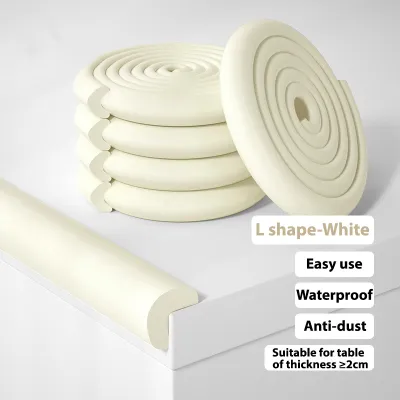
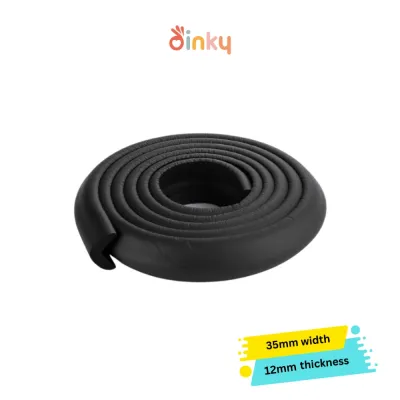
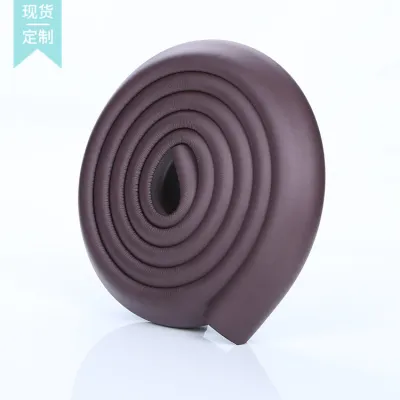
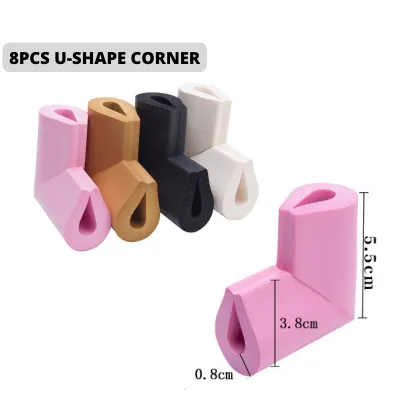
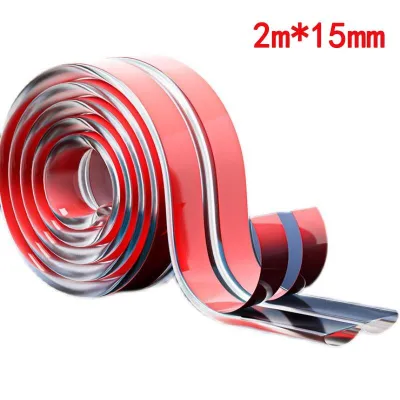
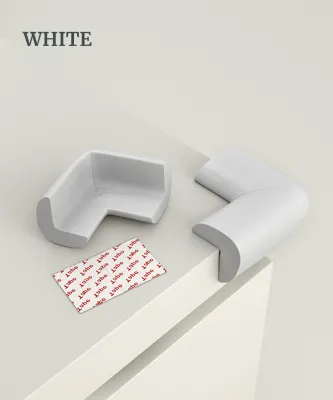
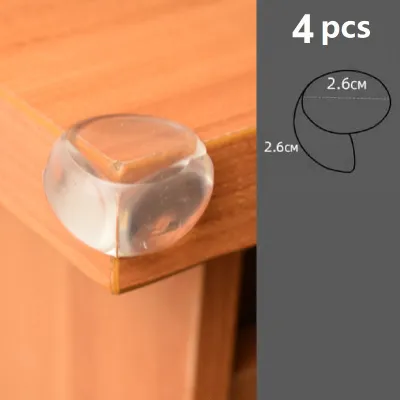
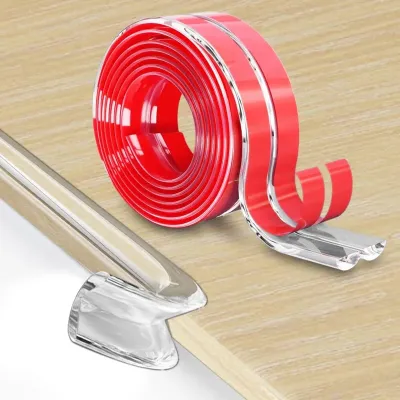
Prices are valid at publication and may change. Please refer to the product page for the latest price.
Adhesive quality is another essential benchmark for any reliable brand. The tropical climate of Singapore, characterized by high humidity and warm temperatures, poses a unique challenge for adhesives, as poor-quality glues can degrade quickly, causing the edge guard to peel off or slide. High-quality brands typically utilize premium double-sided acrylic tapes that form a strong initial bond and cure over 24 hours to resist curious fingers. Furthermore, a reliable adhesive must be strong enough to stay in place when pulled by a toddler, yet formulated to allow for residue-free removal when the baby-proofing stage is over.
Finally, you must consider the physical dimensions and profiles of the edge guards relative to your furniture. Edge guards come in various shapes, including L-shaped profiles for standard 90-degree table edges, U-shaped profiles for thin glass tops, and flat strips for wider, rounded surfaces. Measuring the thickness of your furniture edges before purchasing ensures a snug fit that prevents the guard from hanging over, which makes it easier for a child to pull off. Brands that offer a variety of widths and pre-molded corner protectors generally provide a more secure and seamless fit than those offering only generic, single-size rolls.
Comparing Common Edge Guard Materials
Nitrile Butadiene Rubber (NBR) foam is the most common material used for heavy-duty baby-proofing. It is highly cushioned, soft to the touch, and excellent for high-impact areas like low TV consoles, bed frames, and heavy wooden dining tables. The primary advantage of NBR foam is its superior shock absorption, which provides a thick, pillowy barrier against falls. However, the main drawback is its vulnerability to teething babies, who can easily bite off chunks of the soft foam, creating a potential choking hazard. Consequently, NBR foam is best suited for areas out of reach of a teething child’s mouth or on furniture where close supervision is always maintained.

Transparent silicone and PVC guards are highly favored for modern interiors because they preserve the natural look of the furniture. These materials are incredibly durable, bite-resistant, and easy to clean, making them ideal for dining tables and low coffee tables. Because silicone is naturally firmer than NBR foam, it provides less cushioning during a high-velocity fall, but it remains highly effective at preventing sharp cuts and lacerations. When choosing between the two, silicone is generally preferred over PVC as it tends to remain flexible over time, whereas low-grade PVC can become brittle and yellow when exposed to sunlight near windows.
Because babies frequently touch and sometimes chew on edge guards, verifying the chemical safety of the material is paramount. Look for brands that explicitly state their products are free from bisphenol A (BPA), phthalates, heavy metals (such as lead and cadmium), and toxic flame retardants. Reliable manufacturers will clearly display these non-toxic indicators on their product labels and packaging, giving parents peace of mind that the materials are safe for close contact.
How to Verify Brand Safety and Quality Claims
Do not take “non-toxic” or “child-safe” claims at face value, as marketing terms are often unregulated. Reliable brands will provide proof of compliance with international safety standards, such as EN 71 (the European standard for toy safety) or RoHS (Restriction of Hazardous Substances). Look for clear images of these certification marks on the product packaging or the manufacturer’s official website. If a brand cannot provide verifiable testing documentation upon request, it is safer to assume the product has not undergone rigorous safety screening.
When verifying chemical-free declarations, look for specific testing details rather than broad generalizations. For example, a reputable brand will state that their silicone is “food-grade” or that their NBR foam has been tested to be free of specific phthalates. These detailed declarations indicate that the manufacturer has invested in independent laboratory testing to ensure their products meet strict chemical safety thresholds.
Evaluating real user reviews is another practical way to validate a brand’s quality claims before purchasing. When browsing online marketplaces, filter reviews to look for long-term feedback rather than just initial impressions. Pay close attention to comments mentioning how well the adhesive holds up in humid conditions and whether the foam crumbles or tears easily under normal wear and tear. Reviews that mention babies easily biting off pieces of a specific foam guard are a clear warning sign of low material density and potential choking hazards.
Installation and Removal Considerations by Furniture Type
To ensure a lasting bond, proper surface preparation is essential before applying any edge guard. Begin by cleaning the furniture surface thoroughly with rubbing alcohol to remove dust, oils, and polish residue. Avoid using household glass cleaners or multi-surface sprays, as they often leave a thin, slick film that prevents the adhesive from bonding correctly. Once the surface is completely dry, apply the adhesive tape to the edge guard, press it firmly onto the furniture, and allow it to cure for at least 24 hours before letting your child near it.
Different furniture materials require specialized handling to prevent permanent damage. For delicate surfaces like wood veneer, antique finishes, or cheaply painted surfaces, strong adhesives can pull away the top layer of paint or wood when removed. On these surfaces, consider using lighter, specialized adhesives or choosing freestanding safety barriers instead of stick-on guards. For glass and metal furniture, transparent silicone guards with clear acrylic adhesives work best, as they provide a strong grip on smooth surfaces without leaving unsightly yellow marks.
When it is time to remove the edge guards, do not rip them off forcefully, as this is the primary cause of furniture damage. Instead, use a hair dryer on a medium heat setting to warm the adhesive for a few minutes, which softens the bond and makes it pliable. Slowly peel the guard back at a shallow angle, applying heat continuously as you go. Any remaining sticky residue can be safely rubbed away using a small amount of baby oil, eucalyptus oil, or a dedicated adhesive remover applied to a microfiber cloth.
Where to Find and Compare Reliable Brands in Singapore
Visiting specialized mother and baby retail stores in Singapore is one of the best ways to compare edge guard brands. Physical stores allow you to touch the materials, test the density of the foam, and inspect the thickness of the guards before committing to a purchase. Additionally, store staff can often provide valuable advice on which profiles work best for specific types of furniture, helping you avoid common purchasing mistakes.
For convenience and a wider selection, official brand storefronts on major e-commerce platforms are excellent resources. When shopping online, always verify that you are purchasing from an authorized seller or the official brand mall to avoid counterfeit products. Authorized listings will typically feature detailed product specifications, clear safety certification labels, and comprehensive installation guides that unverified third-party listings lack.
Be cautious of red flags when buying from unauthorized third-party sellers or unverified online listings. Extremely cheap rolls of edge guards that lack clear packaging, safety certifications, or material listings should be avoided. A strong, pungent chemical smell upon opening the package is a major warning sign that the product may contain volatile organic compounds (VOCs) or restricted plasticizers, which are unsafe for use around infants.
Frequently Asked Questions (FAQ)
How often should I replace foam edge guards?
Foam edge guards should be inspected regularly and replaced immediately if you notice permanent compression, deep tears, or bite marks from teething children. Additionally, if the edges begin to lift or the adhesive loses its tackiness due to Singapore’s humid climate, replace the guard to prevent it from becoming a peeling hazard that a child can easily pull off and play with. Under normal conditions, high-quality foam guards typically last between six months to a year before showing signs of wear.
Are transparent edge guards safer than foam ones?
Neither type is universally safer, as they serve different protective functions based on their material properties. Foam guards offer superior impact absorption for high-traffic areas with sharp wooden corners, making them ideal for active toddlers who are prone to falling. Transparent silicone guards offer less cushioning but are highly durable, bite-resistant, and visually discreet, making them excellent for glass coffee tables and modern minimalist furniture where laceration prevention is the primary goal.

Community discussion
Share your experience or ask a question. Comments are reviewed before publication.