
Choosing the right cloth diapers for a newborn in Singapore involves balancing a secure fit for tiny legs, breathability in high humidity, and ease of washing. While many parents are drawn to the sustainability and long-term cost savings of reusable diapers, navigating the options for a brand-new baby requires understanding specific design features. Newborns have unique physical needs, such as umbilical cord care and frequent, liquid bowel movements, which make standard one-size diapers less effective during the first few weeks. By focusing on adjustable sizing, gentle materials, and reliable local sourcing, parents can successfully transition to cloth diapering from day one.
Understanding Newborn Needs and Cloth Diaper Fit
Newborn babies present unique diapering challenges that differ significantly from older infants. Their physical structure is delicate, with a healing umbilical cord stump that must remain dry and undisturbed to prevent irritation or infection. A proper newborn cloth diaper should feature a low-rise waist or a dedicated umbilical snap-down zone that keeps the fabric clear of this sensitive area. This design prevents friction against the healing tissue, allowing it to heal naturally without being exposed to moisture or rubbing from the waistband.
The frequency of newborn elimination also dictates diaper design. Newborns typically require changing up to ten to twelve times a day, producing highly liquid waste that easily escapes loose leg openings. To prevent leaks, the diaper must offer a snug, gap-free seal around slender thighs without leaving deep red marks on the baby’s skin. The diaper’s elastic must be exceptionally gentle yet resilient enough to contain explosive liquid stools, which are common in breastfed or formula-fed infants during the early weeks.
Products mentioned in this guide
![[SG Ready Stock] Baby Toilet Training Pants 6 Layers Cotton Toddler Kid Potty Training Underwear Washable Cloth Diaper Children Day Gifts](https://img.lazcdn.com/g/p/3987f2eec680cd64554d9932f24c6993.jpg_400x400q80.jpg_.webp)
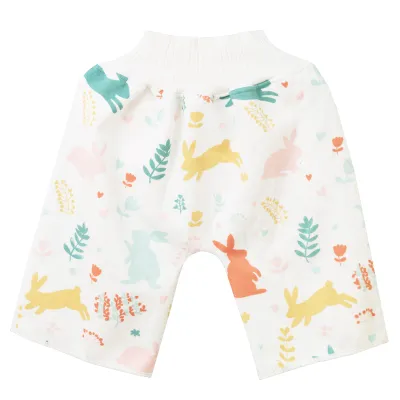
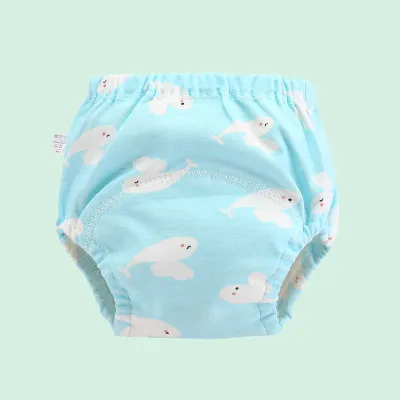
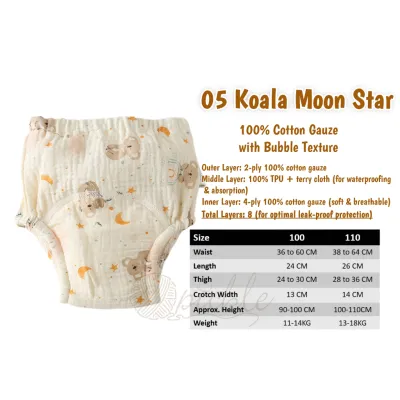
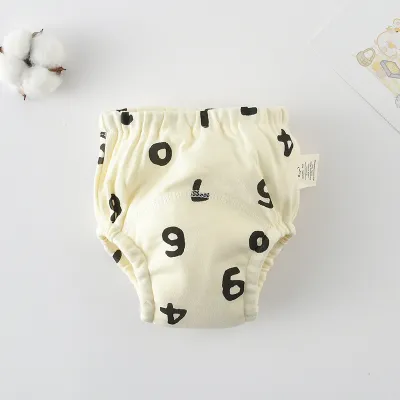
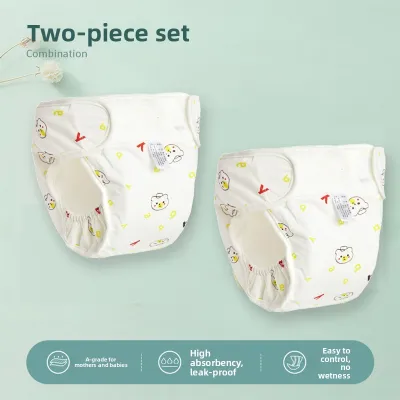
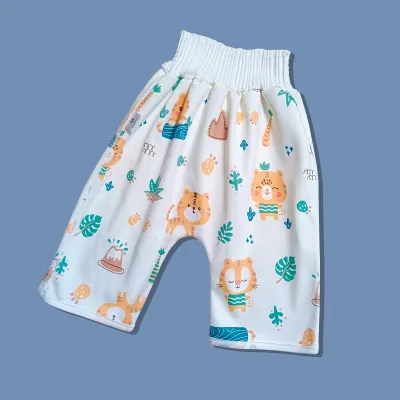
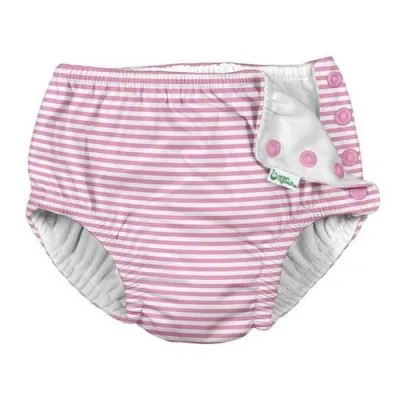
Prices are valid at publication and may change. Please refer to the product page for the latest price.
Singapore’s tropical climate adds another layer of consideration for delicate newborn skin. High humidity and heat can trap moisture close to the body, increasing the risk of diaper rash and fungal infections. Selecting highly breathable outer shells and moisture-wicking inner linings helps maintain airflow and keeps the baby comfortable throughout the day and night. Fabrics like athletic wicking jersey or stay-dry microfleece are excellent choices for the inner layer, as they pull wetness away from the skin and into the absorbent core.
Key Evaluation Criteria for Newborn Cloth Diapers
When evaluating different cloth diaper options, the sizing system is the first major decision point. Newborn-specific diapers are tailored to fit babies from approximately 2 kg to 5.5 kg, offering a trim fit that minimizes bulk. In contrast, one-size adjustable options are designed to grow with the child but often look excessively bulky on a newborn and may leave gaps around the legs. This bulkiness can also affect the baby’s hip positioning and natural leg movement, making newborn-specific sizes a more ergonomic choice for the first few months.

The closure system plays a critical role in achieving a secure fit on a tiny, changing waistline. Hook-and-loop closures offer maximum adjustability, allowing caregivers to secure the diaper quickly, which is highly beneficial during middle-of-the-night changes. Snap closures, while slightly more time-consuming to fasten, are highly durable and prevent older babies from pulling the diaper off themselves. Snaps also lay flatter against the waist, reducing the risk of the closure rubbing against the baby’s tummy when they are curled up.
Absorbent inserts are the core engine of any cloth diaper, and their material composition determines performance. Natural fibers like organic cotton and bamboo offer excellent absorbency and are gentle on sensitive skin, though they may take longer to dry in humid weather. Microfiber inserts absorb liquid rapidly but can cause dryness if placed directly against the skin, requiring a protective fabric barrier. Hemp is another highly absorbent natural fiber, often blended with cotton, which provides excellent trimness and high capacity, making it ideal for heavy wetters when paired with a faster-absorbing layer.
For sleep-deprived parents, ease of use is a vital practical consideration. Diapers that require complex folding or precise stuffing can become frustrating during frequent nighttime changes. Choosing styles that mimic the simplicity of single-use options can ease the transition and encourage consistent use among all caregivers, including grandparents or domestic helpers. A straightforward system reduces the learning curve and ensures that anyone caring for the baby can achieve a proper, leak-free fit without anxiety.
Comparing Common Cloth Diaper Styles for Early Weeks
Prefolds and flats paired with a waterproof cover represent the most traditional and cost-effective approach to cloth diapering. Flats are single layers of fabric that parents fold to fit, while prefolds are pre-layered and stitched down the middle for extra absorbency. Both options are highly customizable, dry exceptionally fast in Singapore’s humid climate, and allow parents to reuse the outer waterproof cover multiple times before washing. This style is highly adaptable to the rapid changes in a newborn’s body shape, as the fabric can be folded specifically to target wetness zones.
All-in-one (AIO) and pocket diapers offer a modern, convenient alternative that closely resembles the design of single-use diapers. All-in-one diapers have the absorbent layers sewn directly into the waterproof shell, making them incredibly simple to put on but slower to dry. Pocket diapers feature an opening where parents stuff the absorbent inserts, allowing for customized absorbency and faster drying times since the pieces separate in the wash. These styles are highly favored by external caregivers due to their familiar, one-piece application process.
Fitted diapers are made entirely of absorbent material and require a separate waterproof cover on top. This style provides maximum containment because the entire diaper absorbs moisture, making it an excellent choice for heavy wetters or for overnight use. The double barrier of the fitted diaper and the outer cover offers superior protection against leaks during long sleep stretches. Because the entire diaper is absorbent, it is highly effective at containing the liquid blowouts common in the early weeks of life.
How to Find and Verify Reliable Brands in Singapore
Sourcing high-quality cloth diapers in Singapore requires careful selection of purchasing channels to ensure product safety and authenticity. Parents should look for authorized local distributors or official online storefronts of established international brands. Purchasing directly from reputable sources ensures that the materials used are free from harmful chemicals and safe for newborn skin. Many local specialty baby boutiques and dedicated eco-friendly retailers carry curated selections of trusted brands, offering guidance on fit and care.
When evaluating brands, checking the manufacturer labels for material composition and safety certifications is essential. Reliable brands clearly state the fabrics used, such as certified organic cotton or OEKO-TEX certified materials, which verify that the textiles have been tested for harmful substances. Avoid unlabelled or exceptionally cheap products from unverified third-party sellers on online marketplaces, as these may use low-grade plastics or chemical dyes that can irritate sensitive newborn skin.
Evaluating the manufacturer’s warranty and customer support is another key step before making a significant investment. Reputable brands often provide warranties covering manufacturing defects, such as broken snaps, delaminated waterproof linings, or unraveling seams. Having access to local customer support or active local parenting communities can also provide valuable troubleshooting advice for fit and washing issues. A brand that stands behind its product with a clear return or replacement policy offers peace of mind to parents navigating the initial learning curve.
Establishing a Washing and Care Routine
Maintaining hygiene and preserving the lifespan of cloth diapers in a tropical environment requires a structured washing routine. The process begins with a short pre-wash cycle using cold or warm water and a small amount of detergent to flush out organic waste. This is followed by a long, heavy-duty main wash cycle with hot water and a full dose of detergent to thoroughly clean the fabric fibers. Ensuring the washing machine is properly loaded to provide adequate agitation is key to removing all traces of soil and bacteria.
Selecting the right detergent is crucial for preventing buildup and skin irritation. Parents should choose a strong, residue-free detergent without fabric softeners, optical brighteners, or enzymes that can coat the fibers and reduce absorbency. Fabric softeners should be strictly avoided, as they leave a waxy residue that causes diapers to repel liquid instead of absorbing it. If hard water is an issue, adding a water softener can help the detergent work more effectively and prevent mineral deposits from stiffening the fabrics.
Drying diapers efficiently in Singapore’s high humidity can be challenging but is vital for preventing mildew and bacterial growth. Line drying in direct sunlight is highly effective, as UV rays act as a natural sanitizer and help fade organic stains. For rainy days, using a clothes dryer on a low or medium heat setting is suitable for inserts, though waterproof covers should be air-dried to protect the laminate lining. Ensuring that diapers are completely dry before storing them prevents the development of musty odors and mold.
Over time, mineral deposits or detergent buildup may cause diapers to retain odors or lose absorbency, a problem known as repelling. Recognizing when to strip the diapers—using a deep-cleaning process to remove mineral buildup—or when to replace worn-out elastics is part of long-term maintenance. Regularly inspecting the elastic around the legs ensures the diaper continues to provide a leak-free fit. If elastics become slack, they can be replaced or repaired to extend the diaper’s useful life for subsequent children.
Frequently Asked Questions (FAQ)
How many newborn cloth diapers do I need to start?
To cloth diaper a newborn full-time with a laundry schedule of every other day, parents typically need a stash of 24 to 30 diapers. This quantity accounts for an average of 10 to 12 changes per day, plus a buffer of clean diapers while the dirty ones are being washed and dried. If using a combination of prefolds and covers, you can reduce this number by purchasing fewer covers (around 6 to 8) and more absorbent inserts or prefolds, as the covers can be wiped clean and reused. Having a slightly larger stash reduces laundry stress and extends the lifespan of each individual diaper by reducing washing frequency.
Can I use one-size cloth diapers from birth?
While some one-size cloth diapers claim to fit from birth, they rarely provide a secure, leak-free fit on a newborn weighing under 4 kg. The excess fabric of a one-size diaper can create significant bulk, which may restrict natural leg movement and make it difficult to find comfortable clothing. More importantly, the leg elastics on one-size diapers often cannot tighten sufficiently around a newborn’s slender thighs, leading to frequent leaks of liquid waste. Transitioning to one-size diapers is generally more successful once the baby reaches approximately 4.5 to 5 kg, when their legs have filled out enough to create a proper seal.

Community discussion
Share your experience or ask a question. Comments are reviewed before publication.