
Securing your home for a curious toddler in Singapore requires looking beyond generic “best brand” marketing claims. Because local homes feature a diverse mix of sliding balcony doors, heavy wooden bedroom doors, and laminated kitchen cabinets, the right baby door lock depends entirely on your specific fixtures, your child’s developmental stage, and the reliability of the lock’s mechanism. Instead of searching for a single universal brand, parents should focus on verifying material specifications, adhesive properties under tropical humidity, and ease of adult operation.
While many brands populate local online marketplaces, the most reliable options are those that provide transparent safety warnings, clear installation dimensions, and robust physical designs. This guide establishes a practical framework to help you evaluate available brands, compare lock mechanisms, and safely install these essential childproofing tools in your home. By focusing on verifiable product specifications rather than subjective popularity, you can create a secure environment tailored to your family’s daily routines.
Key Criteria for Evaluating Baby Door Lock Brands
When evaluating baby door lock brands, the first step is to look past marketing buzzwords and examine the manufacturer’s official documentation. Reliable brands always provide clear guidelines regarding age appropriateness, developmental stages, and weight or pull-force limits. A lock designed for an infant who is just beginning to crawl may not withstand the leverage applied by a determined two-year-old who can use their full body weight to pull on a handle. Always verify these limits in the product manual or official specifications before purchasing.
Products mentioned in this guide
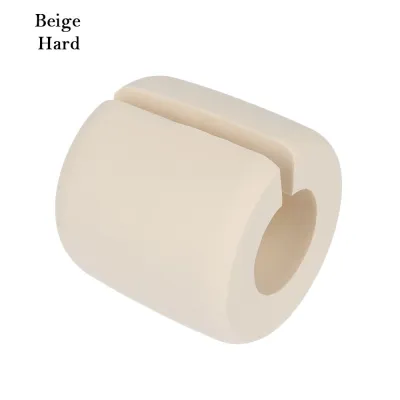
![[SG] Child Safety Door Locks Baby Safety Lock Fridge Drawer Cabinet Deadbolt Lock for Children Toilet Safety Lock](https://img.lazcdn.com/g/p/133984ff873f2d7aa9297e69e397eca3.jpg_400x400q80.jpg_.webp)
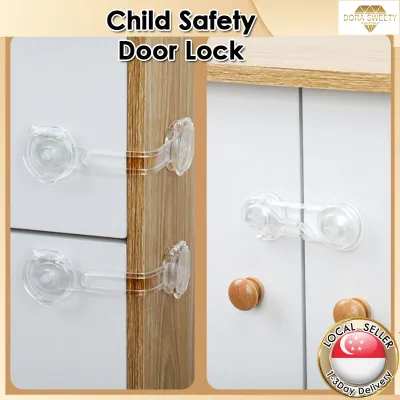
![[Ship in 24 Hours] Baby Safety Lock Cupboard Lock Cabinet Locks Wardrobe Drawer Fridge Lock Child Safe Lock Kid Safety Door Latches Children Day Gifts](https://img.lazcdn.com/g/p/e09ea02a4ce08945db1e68c840159c92.jpg_400x400q80.jpg_.webp)
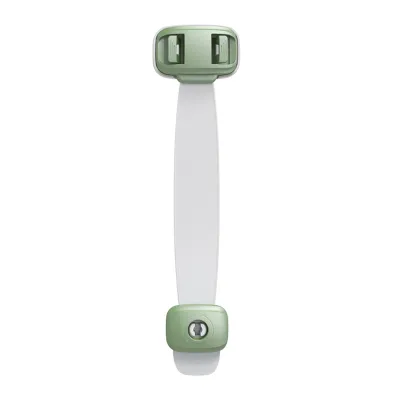
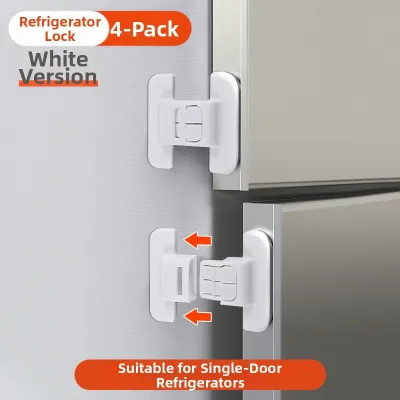
Prices are valid at publication and may change. Please refer to the product page for the latest price.
Material durability is another critical factor that separates dependable brands from low-quality alternatives. Look for brands that specify the use of high-grade, non-toxic ABS plastic, heavy-duty nylon, or metal components. Brittle, low-cost plastics can easily snap under sudden pressure, creating sharp edges that pose an immediate hazard to your child. Additionally, examine the physical design of the lock to ensure it does not feature any pinch points or small, detachable parts that could become choking hazards if the lock breaks.
Clear installation instructions and accessible customer support are strong indicators of a brand’s commitment to safety. Reputable manufacturers provide detailed, step-by-step guides, often accompanied by measurement templates or video tutorials, to ensure the lock is fitted correctly. They should also offer transparent warranty terms and direct contact channels for troubleshooting. If a brand’s listing lacks clear contact information or provides vague, poorly translated instructions, it is a sign that customer support may be difficult to reach if you encounter issues.
Finally, learn to identify red flags when browsing different brands on online marketplaces. Be highly cautious of product listings that omit the manufacturer’s name, fail to list specific material compositions, or make absolute safety guarantees. Genuine safety certifications are dynamic and must be verified independently; if a brand claims compliance with international safety standards, look for official test report numbers that you can cross-reference. If a brand cannot provide these basic details, it is best to exclude them from your shortlist.
Comparing Common Baby Door Lock Mechanisms
Selecting the right baby door lock requires matching the lock mechanism to your specific door type and your child’s physical capabilities. Lever handle locks are highly effective for standard interior doors. They work by blocking the downward movement of the handle, preventing toddlers from opening the door. However, some children quickly learn that lifting the handle upward can bypass certain lock designs. Therefore, look for dual-button release mechanisms that require a coordinated squeeze that small hands cannot replicate.

Knob covers offer a different approach for round doorknobs. These covers enclose the knob and spin freely when a child attempts to turn them. To open the door, an adult must squeeze specific pressure points on the cover to grip the actual knob underneath. While highly effective against toddlers, knob covers can be challenging for elderly caregivers or family members with limited hand strength or arthritis. It is essential to balance child resistance with daily operational ease for all household members.
Sliding door locks are indispensable for securing balcony doors and sliding windows, which are common in Singaporean apartments. These locks often utilize a folding wing design that lies flat to let the door slide open normally, or pops up to block the door’s path. Alternatively, track-mounted clamps screw directly onto the sliding track to limit how far the door can open. When choosing a sliding lock, ensure it features an anti-pinch design that prevents the door from slamming shut on a child’s fingers if they try to push it.
The choice between adhesive-mounted locks and screw-fixed locks involves a direct trade-off between surface preservation and physical holding strength. Adhesive locks are ideal for rental properties because they require no drilling and can be removed without leaving permanent holes. However, their strength is entirely dependent on the quality of the adhesive and the surface preparation. Screw-fixed locks provide the ultimate physical security for high-risk areas, such as main entrance doors or utility rooms, but they will permanently alter your door frames.
| Mechanism Type | Compatible Door Types | Installation Requirement | Toddler Bypass Difficulty | Key Limitations |
|---|---|---|---|---|
| Lever Handle Lock | Standard lever doors | Adhesive or screw-mount | Moderate (as child grows taller) | May block door in both directions if misaligned |
| Knob Cover | Round doorknobs | Snap-on (no tools) | High | Can be difficult for adults with limited hand strength |
| Sliding Wing Lock | Glass sliding doors, windows | Adhesive | Low to Moderate | Adhesive can degrade in direct tropical sunlight |
| Track Clamp | Sliding metal frames | Thumb-screw clamp | High (if placed out of reach) | Only fits specific track depths and profiles |
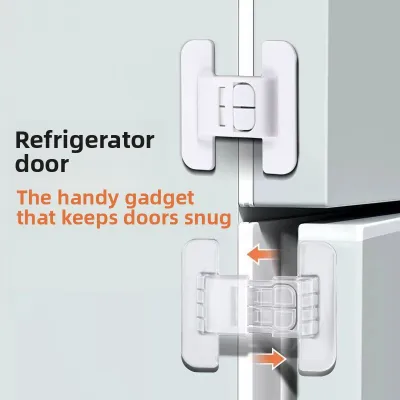
| Strap Lock | Cabinets, appliances, bifold doors | Adhesive | Moderate | Strap material can stretch or degrade over time |
Safety Checks and Installation Considerations
Before installing any baby door lock, you must perform a thorough safety check of the door and its surrounding frame. Measure the gap width when the door is slightly ajar to ensure it complies with anti-pinch safety standards. Ideally, a secured door should either remain completely closed or open no more than 5mm to prevent a child’s fingers from getting caught in the gap. If the lock allows the door to open slightly, ensure the opening is not wide enough for a child to insert their head, limbs, or toys, which could lead to entrapment.
Adhesive compatibility is a major consideration in Singapore’s warm, humid climate. High humidity can cause standard double-sided tape to degrade rapidly, leading to sudden lock failure. Before applying an adhesive lock, clean the mounting surface thoroughly with isopropyl alcohol to remove oil, dust, and grease, and let it dry completely. Avoid installing adhesive locks on peeling paint, untreated wood, or delicate wallpaper, as the adhesive will not hold securely and will likely cause surface damage when removed. Always allow the adhesive to cure for at least 24 hours before subjecting the lock to any physical force.
Emergency accessibility must never be compromised for the sake of childproofing. Any lock installed on a door leading to a bedroom, bathroom, or main exit must feature a quick-release or emergency override that adults can operate easily from both sides. This prevents accidental lock-ins, which can be highly dangerous during emergencies such as fires or medical crises. Ensure that older children and all caregivers in the home know exactly how to operate the emergency override mechanism.
Finally, establish a routine to inspect the structural integrity of your door locks regularly. Discontinue use immediately if you observe any signs of material degradation, such as hairline cracks in the plastic, loose mounting screws, or peeling adhesive edges. If your child demonstrates that they have figured out how to bypass the lock consistently, the physical barrier is no longer effective, and you must transition to a different mechanism or increase active supervision.
How to Build Your Shortlist on E-commerce Platforms
Navigating online marketplaces to find reliable baby door locks requires a structured approach to filter out low-quality products. Start by ignoring generic, keyword-stuffed titles and focus instead on the detailed product specifications provided by the seller. Look for precise dimensional drawings, weight limits, and clear material listings. Cross-reference these specifications with the measurements of your home’s doors and handles to ensure a proper fit before making a purchase.
User-uploaded photos and detailed reviews are invaluable resources when building your shortlist. Look past the initial star rating and read the detailed feedback from verified buyers, focusing on those who describe how the lock performs over several months of daily use. Pay close attention to photos showing the lock installed on doors similar to yours, as this can reveal potential compatibility issues or design flaws that are not apparent in official product images. Look for comments regarding how well the adhesive holds up in humid environments.
Before finalizing your purchase, review the seller’s return and exchange policies carefully. Because door designs, handle shapes, and frame depths vary significantly, there is always a possibility that a lock may not fit your specific setup. Prioritize sellers or official brand stores that offer hassle-free returns or exchanges for unopened items, which mitigates the financial risk of purchasing an incompatible model.
Lastly, avoid the temptation to make purchasing decisions based solely on high sales volumes or aggressive discounts. A high sales volume often reflects low pricing rather than product safety or durability. A cheap, poorly constructed lock that fails prematurely does not protect your child and will cost more to replace in the long run. Focus your evaluation on verified material quality, clear manufacturer instructions, and consistent user feedback regarding long-term reliability.
Frequently Asked Questions (FAQ)
Are adhesive baby door locks safe for glass doors?
Using adhesive locks on glass doors requires careful verification of the manufacturer’s explicit guidelines. While high-quality adhesives can bond well to clean glass, temperature fluctuations from air conditioning and direct tropical sunlight can weaken the bond over time. Additionally, the physical stress of a child pulling on the lock is transferred directly to the glass pane. If the manufacturer does not explicitly state that the lock is safe for glass, or if you are securing heavy sliding glass doors, it is safer to opt for non-adhesive, track-based mechanical clamps that secure the frame rather than the glass itself.
At what age or developmental stage should I remove baby door locks?
There is no universal age for removing baby door locks, as children develop physical strength, coordination, and cognitive understanding at different rates. Generally, once a child reaches an age where they can easily understand safety rules, follow verbal boundaries, and possess the physical strength to bypass the lock anyway, the physical barrier becomes less effective. This transition typically occurs between two and three years of age. Removing the locks must always be a gradual process paired with active supervision and consistent safety education about which areas of the home remain off-limits.

Community discussion
Share your experience or ask a question. Comments are reviewed before publication.