
Selecting a portable foam floor mat for your baby in Singapore requires balancing portability, weather resistance, and infant safety. Because outdoor conditions and travel needs vary, there is no single universally perfect brand. Instead of relying on unverified rankings, this guide helps you establish clear evaluation criteria, verify material safety, and build a conditional shortlist of brands that suit your specific picnic and travel routines. By focusing on material specifications, structural designs, and practical maintenance, you can find a reliable mat that keeps your infant comfortable during outings to local parks or during overseas travel.
When planning outdoor activities at locations like East Coast Park or the Singapore Botanic Gardens, the ground conditions will dictate your choice. A standard indoor play mat is rarely suited for the damp grass, rough dirt, or warm concrete pavements found outdoors. By understanding what physical properties to look for, how to verify non-toxic material claims, and how to care for the foam in a high-humidity environment, you can make an investment that lasts through your child’s early developmental stages.
Key Features to Look for in Portable Foam Mats
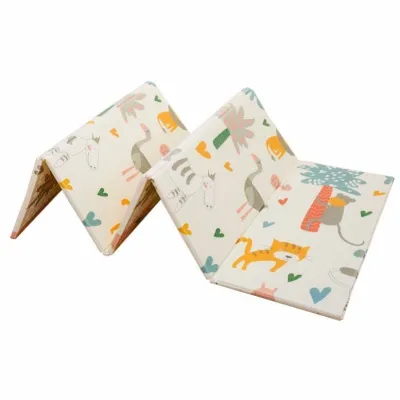
When evaluating a foam floor mat for travel and outdoor use, portability and ease of setup are your primary considerations. Foldable mats and rollable mats represent the two main design categories available on the market, each offering distinct advantages and trade-offs. Foldable designs are highly popular for travel because they feature pre-creased hinge lines that allow the mat to collapse into a compact, flat rectangle. This flat profile makes it incredibly easy to slide the mat into a stroller’s undercarriage basket, pack it flat in a car boot, or slip it into a dedicated travel bag. The setup speed is virtually instantaneous, as you simply unfold the panels across the ground.
Products mentioned in this guide
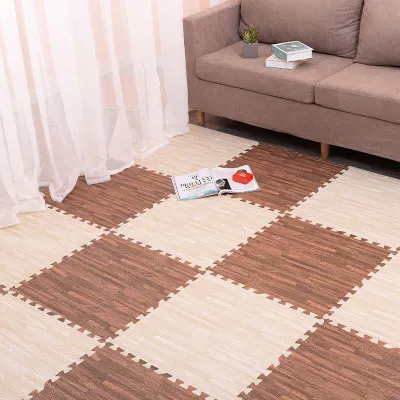
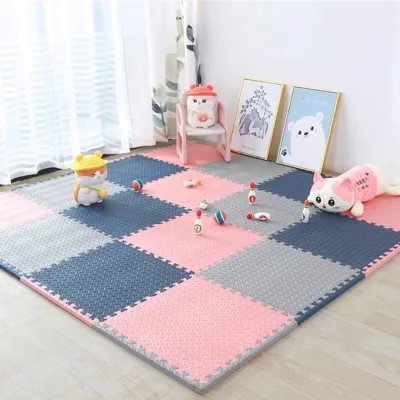
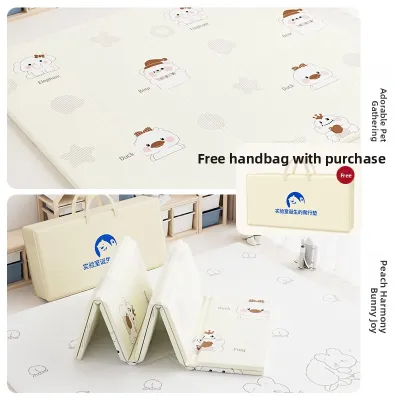
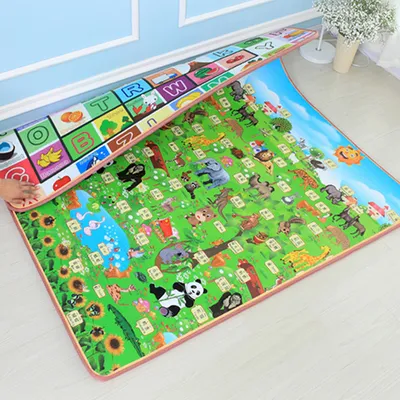
Prices are valid at publication and may change. Please refer to the product page for the latest price.
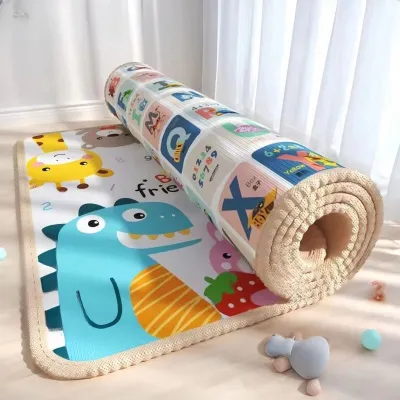
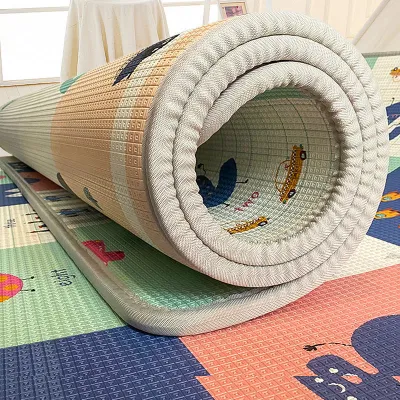
Rollable mats, on the other hand, provide a completely seamless surface without any crease lines where dirt or moisture can accumulate. However, they tend to be bulkier when rolled up, often resembling a large yoga mat. This shape can be awkward to carry if you are navigating public transport like the MRT or buses while managing a stroller and a diaper bag. For families who primarily travel by car or stick to spacious outdoor venues, a rollable mat remains a viable option, but those prioritizing compact storage generally find foldable designs more practical.
Thickness and density are critical factors that determine how well the mat cushions your baby from hard, uneven outdoor surfaces. A mat that is too thin, such as those under 1 cm, may not provide enough protection if you place it over gravel, tree roots, or hard tiled pavilions. Conversely, a mat that is thicker than 2 cm is often too bulky and heavy to carry comfortably over long distances. A thickness of approximately 1 cm to 1.5 cm, utilizing high-density foam, typically offers the ideal balance. This thickness provides sufficient shock absorption for a crawling baby’s knees and hands while keeping the overall weight and volume of the mat manageable.
Finally, pay close attention to the weight of the mat and its carrying mechanisms. A travel-friendly foam floor mat should ideally weigh under 1.5 kg so that it does not add unnecessary strain to your travel gear. Look for products that feature built-in carrying handles, integrated travel straps, or those that come packaged with a durable, water-resistant travel bag. A dedicated bag not only makes transport easier but also prevents any dirt or moisture on the mat from transferring to your other belongings after a day at the park.
Verifying Material Safety and Comfort for Infants
Because your baby’s bare skin will be in direct contact with the foam floor mat, verifying the safety and quality of the materials is paramount. The most common materials used for high-quality portable mats are XPE (cross-linked polyethylene) and EVA (ethylene-vinyl acetate). XPE is widely regarded as an excellent choice for infant products because it is lightweight, highly durable, odorless, and hypoallergenic. EVA foam is also very common and offers great cushioning, but some lower-grade EVA mats can initially emit a strong chemical odor. When browsing options on online marketplaces or in local baby boutiques, always check the product labels and manufacturer specifications to ensure the foam is free from harmful substances such as BPA, phthalates, lead, latex, and formamide.

Surface texture plays a dual role in both safety and comfort. A completely smooth foam surface can become slippery when wet, especially if your baby drools or spills water. Look for mats with a textured surface, such as a debossed square grid, alphabet patterns, or textured cross-hatching. These textures provide essential traction for babies who are learning to push up, roll over, or crawl. However, ensure the texture is not excessively deep or intricate, as deep grooves can easily trap outdoor dirt, sand, and food crumbs, making the mat much more difficult to clean on-site.
Another aspect of material safety is the phenomenon of off-gassing, which refers to the release of volatile organic compounds (VOCs) from newly manufactured plastics and foams. When you purchase a new foam floor mat, it is common to notice a slight plastic smell upon unboxing. To ensure your baby is not exposed to concentrated fumes, always air out a new mat before its first use. Unfold the mat completely and leave it in a well-ventilated, shaded area—such as a sheltered balcony or a room with open windows—for at least 48 to 72 hours. If the chemical smell persists after this period, it may indicate a lower-grade material, and you should consider contacting the retailer or manufacturer for clarification.
Choosing Mats for Singapore's Outdoor Conditions
Singapore’s tropical climate presents specific challenges that require careful product selection. High humidity, frequent sudden downpours, and intense afternoon heat mean that a standard indoor mat will quickly degrade or become uncomfortable outdoors. Waterproofing is the single most important feature to look for when selecting a mat for local parks. The grass at outdoor venues is often damp, even on sunny days, due to morning dew or high soil moisture. A mat with a fully waterproof outer membrane prevents dampness from seeping through to the top layer, keeping your baby dry and comfortable. A waterproof surface also ensures that spilled milk, water, or baby food can be wiped away instantly without soaking into the foam.
Thermal insulation is another crucial consideration for outdoor use in Singapore. Ground surfaces such as concrete paths, wooden decking, or even shaded grass can absorb and retain a surprising amount of heat during the day. High-quality XPE or EVA foam mats act as excellent thermal barriers, preventing the ground’s heat from transferring to the surface where your baby is playing. This helps maintain a cooler, more comfortable microclimate on the mat, reducing the risk of your baby overheating during outdoor playtime.
When it comes to colors and patterns, practical choices can make a significant difference in your outdoor experience. While minimalist, solid pastel colors are popular for modern home interiors, they easily show grass stains, dirt, and mud outdoors. Opting for busier, double-sided patterns can help camouflage minor outdoor stains until you can wash the mat thoroughly at home. Additionally, very dark colors like black or deep navy should be avoided, as they absorb solar radiation rapidly and can become uncomfortably hot to the touch when exposed to direct sunlight. Some parents also prefer lighter, vibrant patterns because they make it easier to spot crawling insects, such as ants, before they reach the baby’s play area.
How to Evaluate and Compare Mat Brands for Travel
When researching foam floor mat brands in Singapore, you will encounter a wide range of options, from premium baby gear brands to general outdoor utility brands. Premium baby brands often emphasize aesthetic designs, certified non-toxic materials, and extra-plush cushioning. These mats are excellent if you prioritize design and certified safety standards, but they often come with a higher price tag and may be slightly bulkier. General outdoor or camping brands, on the other hand, focus heavily on rugged durability, ultra-lightweight materials, and compact folding mechanisms. While these outdoor mats are highly practical and budget-friendly, they may lack the soft, infant-friendly textures and strict chemical safety certifications found in dedicated baby products.
To make an informed decision without relying on subjective “best brand” lists, you should cross-reference official manufacturer specifications with real-world user feedback. Look up the specific model dimensions, weight, and material composition on the manufacturer’s official website. Then, search online marketplaces, parenting forums, and social media groups for reviews from parents who have used the mat long-term. Pay close attention to comments regarding hinge wear on foldable mats. Because foldable mats are bent repeatedly along the same lines, lower-quality options may develop cracks or tears along these seams after a few months of use. A brand that receives consistent praise for durable seams and tear-resistant outer films is generally a safer investment for frequent travelers.
Before making a purchase, it is also wise to check the customer support policies of the brand or local distributor. Check if they offer a warranty against manufacturing defects, such as premature peeling of the protective outer layer or seam splitting. Ask the retailer or check the official brand site for specific guidelines regarding travel use—such as whether the mat is rated for UV exposure or if it can be used on slightly uneven terrains like sandy beaches. Understanding these parameters beforehand will help you choose a brand that stands behind its product’s durability and matches your family’s travel lifestyle.
Cleaning and Storing Your Mat on the Go
Maintaining proper hygiene is essential when using a foam floor mat outdoors, as dirt, sand, and bacteria can easily accumulate on the surface. For quick cleaning while on the go, always carry baby-safe wet wipes or a small spray bottle filled with water and a few drops of mild, baby-safe dish soap. After your picnic, wipe down the entire surface of the mat to remove any food residue, dirt, or grass clippings. Avoid using harsh chemical disinfectants, bleach, or abrasive scrubbing pads, as these can strip away the waterproof protective coating, fade the patterns, or compromise the structural integrity of the foam.
Once you return home, proper drying is critical to prevent the growth of mold and mildew, which thrive in Singapore’s hot and humid climate. Never fold up and store a damp mat, as trapped moisture will quickly lead to unpleasant odors and mold spots that are difficult to remove. If the mat was exposed to wet grass or rain, unfold it completely at home and wipe it dry with a clean microfiber cloth. Hang the mat over a drying rack or a chair in a well-ventilated indoor area out of direct sunlight. While it might be tempting to dry the mat quickly under the sun, prolonged exposure to intense UV rays can warp the foam, cause the colors to fade, and make the material brittle over time.
For long-term storage, keep the foam mat in its original travel bag or a breathable cotton storage bag to protect it from dust. Store the mat in a cool, dry place away from direct sunlight and heat sources. Avoid placing heavy boxes, luggage, or other gear on top of the folded mat during storage. Constant heavy pressure can permanently compress the foam, leaving deep creases that do not bounce back, and can put undue stress on the folding seams, leading to premature tearing when you next unfold it for a family outing.
Frequently Asked Questions (FAQ)
Can I use a regular indoor foam mat for outdoor picnics?
Using a regular indoor foam mat for outdoor picnics is generally not recommended. Indoor mats are often designed without a fully waterproof backing, meaning moisture from damp grass can seep into the foam structure, making it difficult to dry and prone to mold. Additionally, indoor mats are typically bulkier, lack convenient carrying handles or travel bags, and may not have the UV-resistant coatings required to withstand outdoor sunlight without warping or degrading.
How thick should a travel foam mat be for a crawling baby?
For a crawling baby, a travel foam mat should ideally be between 1 cm and 1.5 cm thick. This range provides sufficient cushioning to protect your baby’s knees, hands, and head from hard ground, gravel, or uneven park terrain. Selecting a mat within this thickness range ensures that the mat remains lightweight and compact enough to fold or roll up easily, fitting comfortably into your stroller or travel luggage without adding excessive bulk.

Community discussion
Share your experience or ask a question. Comments are reviewed before publication.