
Choosing the right Pigeon breast pads depends on matching their design—disposable versus washable, and ultra-thin versus high-absorbency—to your specific breastfeeding stage and daily leakage volume. In the early postpartum weeks when milk supply is regulating, high-absorbency disposable pads help manage heavy, unpredictable let-downs. As your supply stabilizes and you return to daily routines or work, ultra-thin disposables or soft washable pads offer a more discreet, comfortable, and cost-effective fit.
Every mother’s breastfeeding journey is unique, and understanding how your body adjusts over time is the key to choosing the right nursing accessories. By selecting pads that align with your current milk flow, you can protect your clothing, maintain skin health, and feel confident throughout the day.
Understanding Your Breastfeeding Stage and Leakage Needs
To choose the right breast pads, you must first understand how your body adapts to breastfeeding over time. In the early postpartum weeks, your body undergoes significant hormonal shifts as it begins to produce colostrum and then transitions to mature milk. During this initial phase, your milk supply is not yet regulated to match your baby’s exact demand. This often results in engorgement, where your breasts feel full, hard, and tender, accompanied by frequent, unpredictable leakage. You might experience sudden let-downs even when you are not feeding, such as when you hear a baby cry, step into a warm shower, or simply think about your infant.
Products mentioned in this guide
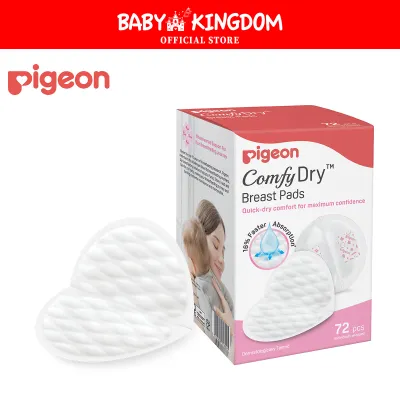
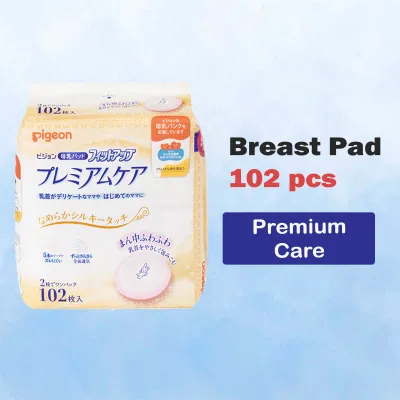
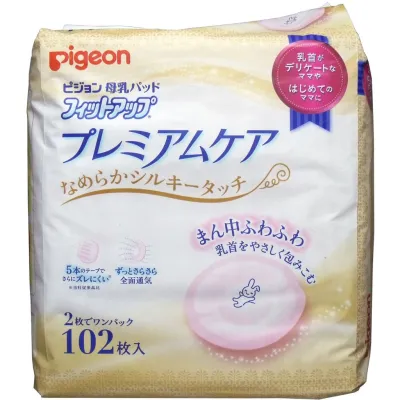
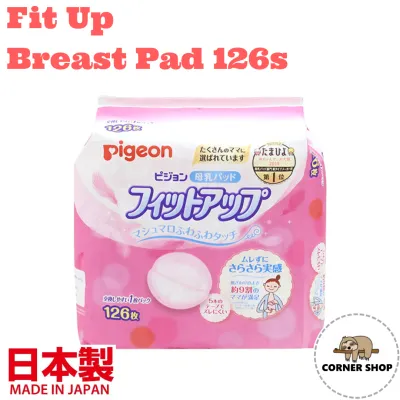
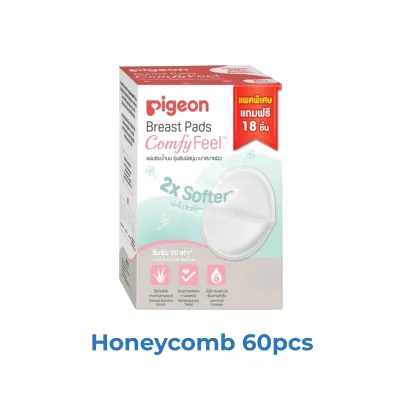
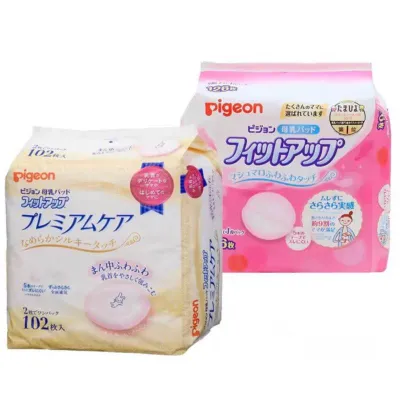
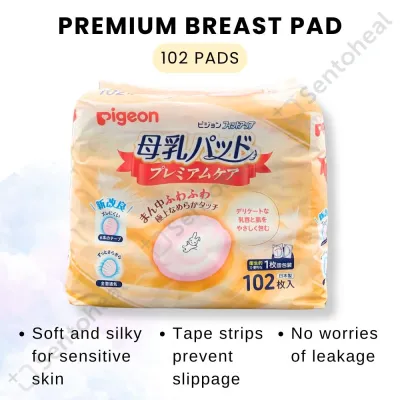
Prices are valid at publication and may change. Please refer to the product page for the latest price.
As the weeks progress, typically around six to eight weeks postpartum, your milk supply begins to stabilize. Your body learns to produce the precise amount of milk your baby consumes, a process known as demand-and-supply regulation. During this stage, the intense engorgement subsides, and spontaneous leakage generally decreases. However, you may still experience minor leaks, particularly on the opposite breast while nursing, when a feeding session is delayed, or during long stretches of sleep at night.
Recognizing your personal let-down triggers and estimating your typical daily leakage volume is crucial for selecting the appropriate breast pad. Some mothers experience a heavy, forceful let-down that can quickly saturate a standard pad, while others only experience light spotting or dampness. To estimate your needs, observe how often you feel a let-down sensation and how much moisture is left on your clothing or bra. If you notice that your bra is consistently damp or that milk is actively dripping, you have a high-volume leakage profile.
Using these physical observations allows you to set baseline requirements for pad absorbency and changing frequency. A high-volume profile requires pads with advanced moisture-wicking capabilities and a higher capacity to prevent wetness from sitting against your skin. Conversely, a low-volume profile allows you to prioritize discretion, comfort, and thinner materials. Regardless of your volume, establishing this baseline ensures you select a product that keeps you dry and comfortable throughout the day.
Disposable vs. Washable Pigeon Breast Pads: Which Should You Choose?
When deciding between disposable and washable breast pads, you need to evaluate your lifestyle, daily routine, budget, and current breastfeeding demands. Disposable breast pads are highly favored for their convenience and superior hygiene, especially during the hectic early weeks of postpartum recovery. Each pad is typically individually wrapped, making them exceptionally easy to pack into diaper bags, purses, or glove compartments. This portability ensures you always have a clean, sterile pad ready whenever you need a quick change on the go.

For mothers dealing with heavy, unpredictable leaks, disposable pads offer peace of mind. They are designed with highly absorbent polymer cores that quickly draw liquid away from the skin and lock it inside, keeping the surface dry. Once a pad is soiled, you simply discard it and replace it with a fresh one, eliminating the need for immediate washing. This single-use design is also highly beneficial when traveling or during times when access to laundry facilities is limited.
On the other hand, washable breast pads present an excellent long-term solution for mothers looking to minimize their environmental footprint and save money. While the initial purchase price of a pack of reusable pads may be higher than a single box of disposables, the long-term cost efficiency in S$ is substantial. Over several months of breastfeeding, reusing the same set of washable pads can lead to significant savings, as you avoid the recurring expense of purchasing disposable boxes.
From an environmental perspective, washable pads significantly reduce household waste. Instead of contributing hundreds of single-use pads to landfills, you simply wash and reuse a small set of durable fabric pads. This makes them an appealing choice for eco-conscious parents. However, choosing washables requires a commitment to a regular laundry routine, as you must ensure you always have a clean, dry supply available.
Before purchasing reusable variants, it is essential to verify the manufacturer’s care labels, material composition, and structural durability. High-quality washable pads are often made from soft, breathable natural fibers like cotton or bamboo, which are gentle on sensitive nipple skin. They should also feature a reliable, leak-proof outer layer to prevent moisture from seeping through to your clothing. Check the washing instructions carefully to ensure they can withstand frequent machine washing and drying without losing their shape or absorbency.
Matching Pad Thickness and Absorbency to Your Leakage Volume
Selecting the right breast pad involves finding the perfect balance between physical thickness, absorbency, and discretion. During the early stages of breastfeeding, when engorgement is common and let-downs are unpredictable, high-absorbency or thicker profiles are generally the most practical choice. These pads are specifically engineered to handle sudden, high-volume surges of milk without leaking. The extra cushioning also provides a soft, protective barrier for sensitive or tender nipples that are still adjusting to the friction of nursing.
As your milk supply regulates and you transition back to your normal routine, your leakage volume will likely decrease. At this point, you can shift your focus toward discretion and comfort. Ultra-thin or contoured designs are ideal for this stage, especially if you are returning to work or wearing more fitted clothing. These pads are designed to lie flat against the breast, mimicking its natural curve so that they remain virtually invisible under t-shirts, blouses, or professional workwear.
Despite their slim profile, high-quality ultra-thin pads can still offer impressive absorbency. It is a common misconception that a pad must be thick to be effective. Modern manufacturing techniques utilize advanced absorbent polymers that can lock away significant amounts of moisture while remaining incredibly thin. Therefore, you should rely strictly on the product packaging specifications and manufacturer indicators for absorbency rather than assuming performance based solely on visual thickness.
When browsing options, look for clear labeling on the packaging, such as “light,” “medium,” or “heavy” flow ratings. Some brands use visual scales or droplet icons to indicate the absorbency level of each product variant. By matching these manufacturer specifications to your observed daily leakage volume, you can ensure you choose a pad that offers reliable protection without unnecessary bulk.
How to Build Your Pigeon Breast Pad Routine
Building a flexible breast pad routine allows you to adapt to changing needs throughout the day and night. Many mothers find that a single type of breast pad does not fit every scenario, and combining different options strategically is often the most practical approach. For example, you might choose to use high-absorbency disposable pads at night when you go longer stretches between feeds and need maximum leak protection while sleeping. During the day, when you can change your pads more frequently, you might switch to soft, breathable washable pads for enhanced comfort.
Your routine should also evolve as your breastfeeding journey transitions from the early postpartum weeks to an established feeding schedule. In the beginning, your inventory should lean heavily toward high-capacity disposable pads to manage the initial oversupply and frequent let-downs. As your baby grows, starts solid foods, or transitions to a more predictable feeding routine, you can gradually reduce your reliance on heavy-duty pads and incorporate more ultra-thin or reusable options into your daily rotation.
It is also wise to maintain a flexible backup supply to manage unexpected leakage surges. Even after your supply has regulated, sudden changes in your schedule can trigger unexpected let-downs. A growth spurt may cause your baby to nurse more frequently, temporarily boosting your supply, or a busy day at work might delay a pumping session, leading to engorgement. Keeping a small, dedicated stash of disposable pads in your diaper bag, office desk, car, or handbag ensures you are always prepared for these sudden changes.
By organizing your breast pad inventory into categories—such as overnight protection, daily wear, and emergency backups—you can streamline your daily routine. This structured approach not only protects your clothing and bedding but also ensures you are always using the most comfortable and cost-effective option for any given situation.
Hygiene, Skin Care, and Safe Usage Practices
Maintaining proper hygiene and skin care is essential for your comfort and overall breast health during your breastfeeding journey. The most critical rule of breast pad usage is establishing a strict changing frequency. You should change your breast pads as soon as they feel damp or wet. Leaving a damp pad against your skin for prolonged periods creates a warm, moist environment that is highly conducive to bacterial and fungal growth, which can lead to infections like thrush.
Prolonged moisture exposure can also cause skin maceration, a condition where the skin becomes soft, weak, and easily damaged. This makes your nipples more susceptible to painful chafing, cracking, and irritation during feeding sessions. By changing your pads frequently—even if they are not fully saturated—you keep the skin dry, intact, and resilient.
Regularly monitor your skin for any signs of friction, redness, or sensitivity. If you notice persistent irritation, stop using your current pad type immediately. Some mothers may develop sensitivities to the adhesive strips used to secure disposable pads, while others might react to specific synthetic fibers. Switching to a different material, such as organic cotton washables, or choosing a pad with a different adhesive placement can often resolve the issue.
Always follow the exact manufacturer instructions for washing reusable pads and safely discarding soiled disposables. Washable pads must be laundered thoroughly using a gentle, fragrance-free detergent to remove all milk residues, which can otherwise harbor bacteria. Disposable pads should be wrapped securely and placed in a waste bin immediately after removal; never attempt to wash or reuse a single-use pad, as this destroys its absorbent structure and compromises hygiene.
If you develop persistent nipple pain, deep breast pain, localized warmth, redness, or flu-like symptoms, these could be signs of a more serious condition such as mastitis or blocked ducts. In these situations, stop using any pads that might trap moisture against the skin and consult a lactation consultant, doctor, or qualified healthcare professional immediately. Prompt professional guidance is essential to ensure you receive the correct treatment and can continue your breastfeeding journey safely.
Frequently Asked Questions (FAQ)
Can I use Pigeon breast pads while sleeping?
Yes, you can safely use breast pads while sleeping, provided you choose the right type and secure them properly. Because you typically go longer hours between changes at night, it is best to select a high-absorbency disposable pad or a dedicated overnight washable pad designed for heavy flow. To prevent the pads from shifting, bunching, or causing leaks as you move in bed, wear them inside a comfortable, wireless nursing bra or a supportive sleep crop. This ensures the pads stay in place, keeping your skin dry and protecting your bedding from leaks.
How do I properly wash and dry reusable Pigeon breast pads?
To maintain the hygiene, absorbency, and longevity of washable breast pads, always refer to the specific product care label before washing. Use a mild, fragrance-free detergent and avoid fabric softeners, which can leave a residue on the fibers and significantly reduce the pad’s ability to absorb moisture. Ensure the pads are completely air-dried or machine-dried according to the manufacturer’s temperature limits before reusing them. Never use a damp pad, as lingering moisture can encourage microbial growth, and avoid direct high-heat ironing unless explicitly permitted.

Community discussion
Share your experience or ask a question. Comments are reviewed before publication.