
In Singapore’s year-round tropical heat and high humidity, managing nursery odors requires more than just a standard plastic bin liner. The combination of elevated temperatures and moisture accelerates the breakdown of organic waste, turning soiled diapers into a significant source of ammonia and volatile organic compounds within hours. To block these odors effectively, you need baby diaper trash bags specifically engineered with multi-layer barrier films—typically featuring co-extruded layers of high-density polyethylene (HDPE) or ethylene vinyl alcohol (EVOH)—which physically prevent gas molecules from permeating the plastic. Relying on standard single-layer bags often results in odors escaping directly into your living space, making material selection and proper sealing mechanisms the most critical factors for maintaining a fresh nursery.
Understanding How Humidity Affects Diaper Odor Containment
Singapore’s climate presents a unique challenge for waste management, as relative humidity levels frequently exceed 80 percent alongside consistent temperatures hovering around 30 degrees Celsius. This warm, moisture-rich environment acts as an incubator for anaerobic bacteria present in soiled diapers. Under these conditions, bacterial activity spikes, rapidly decomposing organic matter and producing gases such as ammonia, hydrogen sulfide, and various mercaptans. The rate of gas production is significantly higher in a humid tropical room than in a cooler, drier climate, meaning odors build up much faster and exert greater pressure inside the disposal container.
Standard single-layer plastic bags, such as typical household garbage liners, are made of low-density polyethylene (LDPE) which possesses a relatively loose molecular structure. In dry air, this structure might offer a basic level of containment, but high humidity changes the dynamics. Water vapor molecules can interact with the plastic surface, and the elevated ambient temperature increases the kinetic energy of the gas molecules trapped inside the bag. This allows volatile odor compounds to easily slip through the microscopic spaces between the polymer chains of thin plastics, a process known as permeation. Consequently, even if a bag is tied tightly, the smell can still seep through the plastic wall itself within a few hours.
Products mentioned in this guide
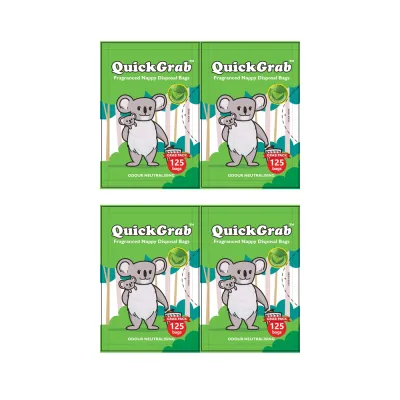
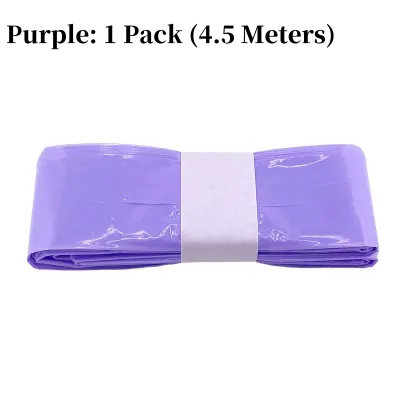
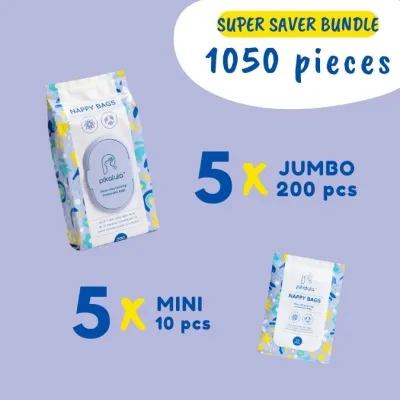
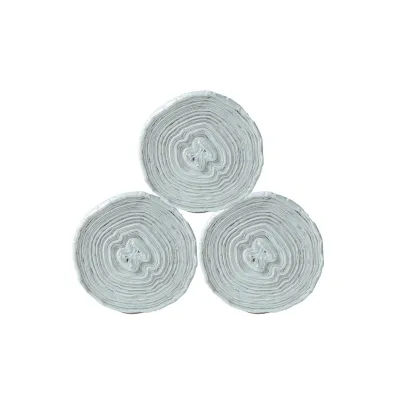
![[Local Store] 100pc/200pcs Scented Multi-purpose Nappy Sanitary Trash Bag](https://img.lazcdn.com/g/p/3113ad4e6cf4b4400463d3fc35ba84f7.jpg_400x400q80.jpg_.webp)
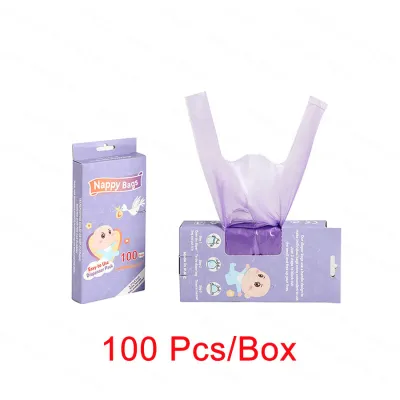
Prices are valid at publication and may change. Please refer to the product page for the latest price.
To combat this environmental acceleration, the placement of your diaper disposal system is just as important as the bag you choose. Placing your diaper pail in a well-ventilated area, or a room that benefits from regular air conditioning, helps lower both the local temperature and humidity levels. This simple environmental adjustment slows down bacterial reproduction and reduces the rate of gas permeation through the bag’s material. If a nursery is kept closed and unventilated, the stagnant, humid air will quickly saturate with any escaping odor molecules, making even minor leaks highly noticeable.
Essential Features to Verify in Odor-Blocking Bags
When shopping for baby diaper trash bags on online marketplaces, you should look past marketing buzzwords and focus on verifiable physical specifications. The most critical feature is the construction of the plastic film itself. Look for bags that explicitly specify a multi-layer co-extrusion process. These films are manufactured by bonding multiple distinct layers of polymers together, where each layer serves a specific purpose—such as puncture resistance, moisture barriers, and gas-impermeable barriers. High-quality odor-blocking bags often utilize five to seven layers, incorporating materials like EVOH or specialized nylon blends that are highly resistant to gas transmission.

The thickness of the bag, usually measured in microns or mils, is another key indicator of durability and containment capability. While standard kitchen bags might only be 15 to 20 microns thick, dedicated diaper disposal bags should ideally be thicker to withstand the weight of multiple wet diapers without stretching or tearing. When plastic stretches, its molecular layers thin out, significantly reducing its ability to block odors. You can verify the thickness by checking the product specifications or user reviews that describe the physical feel and stretch resistance of the plastic under load.
A bag is only as effective as its closure mechanism, as the point of seal is where most odors escape. Evaluate how the bag is designed to be closed once it reaches capacity. Drawstring closures are highly convenient for quick removal but can leave a small opening at the top where the strings gather, allowing air to escape. Twist-tie designs or bags with long tie-handles allow you to tie a tight, solid knot, which generally provides a more reliable airtight seal. For individual disposal bags, look for secure adhesive strips or press-to-close zip locks that can be verified as airtight before the bag is placed into a larger bin.
Compatibility is another practical factor that requires careful verification before purchase. If you own a specialized diaper pail, you must check whether the bags or refill cassettes you are buying are designed to fit that exact model’s rim and sealing mechanism. A bag that is too small will slip under the weight of the diapers, spilling waste into the pail interior, while a bag that is too large may prevent the pail’s lid from sealing correctly. Always refer to the manufacturer’s sizing charts and cross-reference them with the dimensions of your specific bin.
Finally, pay close attention to the manufacturer’s guidelines regarding maximum weight and volume capacities. Overstuffing a diaper bag to save money is a common mistake that often leads to seam failures and leaks. Wet diapers are exceptionally heavy, and the cumulative weight can easily burst the bottom seams of a low-quality bag during transport to the main rubbish chute. Look for bags with reinforced, gusseted bottoms and wide side seams, which distribute weight more evenly and minimize the risk of a messy cleanup.
Comparing Diaper Disposal Bag Formats for Daily Use
Universal Drawstring and Tie-Handle Bags
Universal drawstring and tie-handle bags are designed to fit standard household trash cans or step-bins, offering a highly flexible solution for families who do not want to be locked into a specific diaper pail system. These bags are widely available across various online marketplaces and local retail stores, making them a highly cost-effective option for high-volume households. Because they are not restricted by proprietary dimensions, you can easily adjust the size of the bag you buy as your baby grows and diaper sizes change.
However, the primary drawback of universal bags is their reliance on manual sealing. Because these bags do not benefit from the mechanical sealing mechanisms found in specialized pails, you must manually tie a tight, secure knot every time you empty the bin. If the knot is loose, or if the drawstring leaves a small gap, odors will escape freely into the room. Additionally, standard bin rims do not always hold these bags securely, which can lead to the bag slipping down into the bin when heavy diapers are dropped inside.
To ensure reliable performance with universal bags, always check for gusseted bottoms and reinforced side seams. A gusseted bottom allows the bag to expand into a flat base as it fills, preventing the plastic from stretching unevenly and weakening. Reinforced seams provide an extra layer of protection against liquid leaks, which is crucial in Singapore’s humid climate where condensation can build up inside the bin.
Proprietary Pail Refill Cassettes and Continuous Liners
Proprietary refill cassettes and continuous liner systems are engineered specifically for dedicated diaper pails. These systems utilize a continuous tube of plastic film housed inside a plastic cassette, allowing you to pull down, tie off, and cut the bag to your desired length. The main advantage of this format is its integration with the pail’s mechanical sealing system, which often twists or clamps the film after each diaper is deposited, trapping odors in individual, isolated pockets.
While highly effective at containing smells, continuous liners come with a higher ongoing financial commitment. You are restricted to buying refills that are compatible with your specific pail brand, which limits your ability to shop around for cheaper alternatives. Additionally, if the manufacturer updates the pail design or discontinues the model, finding compatible cassettes can become difficult.
When evaluating these systems, verify the thickness and layer count of the continuous film. Some third-party manufacturers produce compatible cassettes that fit major pail brands at a lower cost, but these may use thinner, single-layer plastics that do not perform as well in high humidity. Always check the material specifications of any third-party refills to ensure they match the odor-blocking standards of the original manufacturer.
Individual Scented or Unscented Disposal Bags
Individual disposal bags are small, single-use bags designed to hold one or two diapers at a time. They are highly portable and convenient for diaper changes on the go, fitting easily into diaper bags or strollers. At home, they can be used to wrap soiled diapers individually before placing them into a larger household bin, providing an excellent secondary barrier against odors.
The main disadvantage of individual bags is the increased amount of plastic waste they generate, as well as the higher cost per use compared to bulk liners. Furthermore, many individual bags are heavily scented with artificial fragrances designed to mask odors. In a humid environment, these strong fragrances can combine with organic diaper odors to create an even more unpleasant and cloying smell, rather than neutralizing it.
If you prefer individual bags, look for options with reliable adhesive closure strips or zip-lock seals that ensure a completely airtight closure. If you or your baby have sensitive skin or respiratory systems, prioritize unscented options that rely on thick, multi-layer barrier films rather than added perfumes to contain the smell.
How to Build Your Condition-Based Diaper Bag Shortlist
To choose the right diaper trash bag for your home, start by assessing your existing nursery setup and daily routine. If you have already invested in a specialized diaper pail, your primary task is to verify the exact model and search for compatible refill cassettes. Check the manufacturer’s documentation to confirm the correct cassette dimensions. If you want to manage ongoing costs, look for reputable third-party refill brands that explicitly state compatibility with your model, but make sure to verify that they use multi-layer barrier films rather than cheap, single-layer plastics.
If you prefer to use a standard step-can or swing-bin, your focus should shift entirely to high-quality universal bags. Avoid standard kitchen garbage bags and instead search for heavy-duty, multi-layer drawstring or tie-handle bags designed specifically for diaper disposal. Look for products that list their thickness in microns and feature reinforced seams. Since these bins do not have mechanical seals, choosing a bag with a long tie-handle will allow you to tie a double knot easily, which is essential for blocking odors in a standard bin.
For households managing high volumes of waste—such as those with newborns who require up to twelve changes a day, or families with twins—the ongoing cost of proprietary cassettes can accumulate rapidly. In this scenario, it is wise to calculate the cost per bag or cost per use in S$ to find a sustainable budget. You can often achieve a balance between cost and odor control by using a standard step-can paired with bulk-purchased, high-thickness universal bags, rather than relying on expensive proprietary systems.
Before committing to a bulk purchase, always verify the current stock, estimated shipping times, and unit pricing on your preferred e-commerce platforms. Because Singapore relies heavily on imported baby products, shipping delays can occur, and buying in bulk when prices are favorable is a practical way to ensure you never run out. Check the seller’s return policy and customer feedback regarding shipping reliability to avoid being left without diaper bags when you need them most.
Pail Maintenance Habits to Support Odor Control
Even the highest-quality odor-blocking bag cannot completely eliminate smells if your diaper pail maintenance is neglected. In Singapore’s warm climate, you should establish a regular routine for emptying the bin. Leaving soiled diapers in a bin for more than two to three days allows bacteria to multiply exponentially, creating a high-pressure gas environment that will eventually bypass even the best plastic barriers. Aim to empty your nursery bin at least every 48 hours, regardless of whether the bag is completely full.
Every time you change the bag, take a moment to inspect the interior of the pail. Condensation can easily form between the bag and the bin walls due to the temperature difference between the room and the decomposing waste. This trapped moisture creates a prime breeding ground for mold, mildew, and lingering odors. Wipe down the inside of the pail with a mild disinfectant and allow it to dry completely in a well-ventilated area before inserting a new bag.
Before using any additional deodorizing agents inside your pail, always consult the manufacturer’s care instructions. Some pails are made of specific plastics or feature rubber seals that can be degraded by certain chemicals, essential oils, or highly abrasive cleaning agents. If permitted by the manufacturer, placing a simple moisture-absorbing sachet or a small cup of baking soda at the bottom of the bin can help control ambient humidity and neutralize minor odors without damaging the container’s structural integrity.
Frequently Asked Questions (FAQ)
Can I use regular kitchen trash bags for baby diapers?
Regular kitchen trash bags are generally not recommended for baby diapers, especially in humid climates. These bags are typically made of single-layer low-density polyethylene (LDPE), which is highly permeable to gas molecules like ammonia. While they may contain solid waste, they will allow the sharp smell of urine and feces to seep through the plastic within a few hours. Dedicated diaper bags use multi-layer co-extruded films that are specifically designed to block gas transmission, providing a much higher level of odor containment.
Do scented diaper bags actually neutralize odors?
Scented diaper bags generally mask odors rather than neutralizing them. The artificial fragrances added to these bags release volatile compounds that compete with the diaper smells for your nose’s attention. In a hot, humid room, this mixture of strong perfume and organic waste often creates an unpleasant, heavy scent that can be more offensive than the original odor. For effective odor control, it is better to rely on thick, unscented, multi-layer barrier bags that physically trap the gas molecules inside, rather than trying to cover them up with added scents. If you notice any skin or respiratory irritation in your baby, stop using scented products immediately and consult a pediatrician.

Community discussion
Share your experience or ask a question. Comments are reviewed before publication.