
Parents in Singapore often turn to Japanese baby detergents when looking for gentle, high-quality laundry care for their infants. Known for their meticulous formulation standards and focus on skin safety, these products are widely available across local specialty stores, department stores, and authorized online platforms. However, navigating the variety of options requires understanding how different formulations interact with a baby’s developing skin barrier and the unique challenges of Singapore’s humid climate.
Selecting the right detergent is not just about choosing a popular label; it involves matching the specific ingredients and product types to your baby’s age, skin condition, and daily activities. Whether you are preparing clothes for a newborn with highly sensitive skin or tackling tough food stains from a toddler starting solid foods, understanding what goes into these detergents ensures you can clean effectively without compromising skin health. This guide provides a practical framework to help you evaluate Japanese baby detergents, decode their labels, and establish safe laundry habits for your household.
Key Factors to Evaluate on Japanese Baby Detergent Labels
When shopping for Japanese baby detergents in Singapore, the ingredient list on the back of the bottle is your most reliable guide. Japanese packaging often uses specific terminology to describe the cleaning agents and additives. Understanding these terms allows you to make an informed choice rather than relying solely on front-of-pack marketing claims.
Products mentioned in this guide
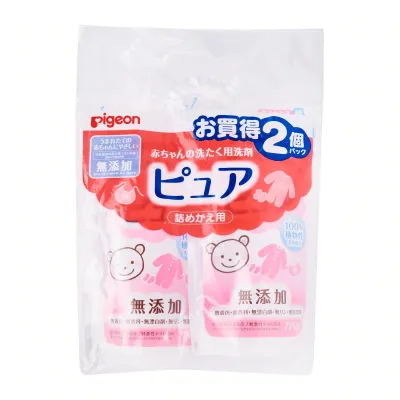
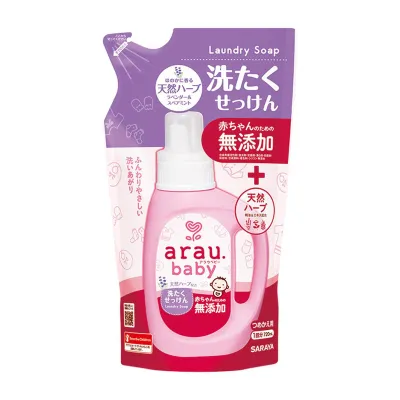
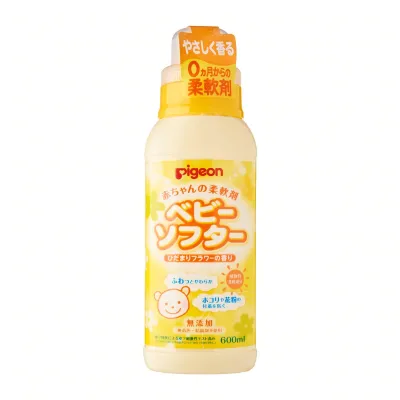
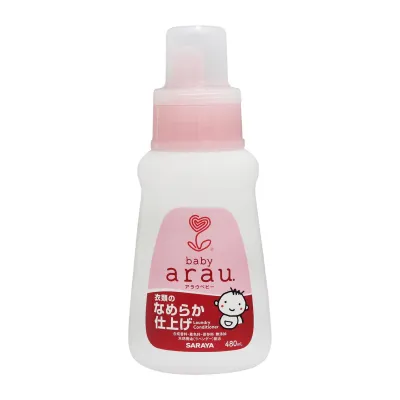
Prices are valid at publication and may change. Please refer to the product page for the latest price.
The primary cleaning agents, or surfactants, are the most critical components to evaluate. Look for plant-derived surfactants, which are often labeled on Japanese products as being derived from coconut or palm oil (植物性界面活性剤). These are generally milder on infant skin compared to petroleum-based synthetic surfactants. On the ingredient list, soap-based detergents will often feature the term “pure soap” (純石けん分) or list sodium cocoate or potassium cocoate. If you prefer a non-soap synthetic surfactant that is still gentle, look for mild alkyl ether sulfates or alkyl polyglucosides, which provide effective cleaning while rinsing away cleanly.
Equally important is verifying the absence of common additives that can trigger skin irritation or allergic reactions. Optical brighteners (蛍光増白剤) are chemicals added to adult detergents to make fabrics appear whiter and brighter by absorbing ultraviolet light. However, these compounds do not actually clean the fabric; instead, they leave a microscopic chemical residue on the fibers that can easily irritate a baby’s delicate skin. Synthetic fragrances (合成香料) and artificial colorants (着色料) should also be avoided, as they are common culprits behind contact dermatitis in infants. Look for labels that explicitly state “additive-free” (無添加), but always cross-reference this with the actual ingredient list to ensure it excludes these specific substances.
The pH level of the detergent also plays a role in fabric care and skin compatibility. Most Japanese baby detergents are formulated to be either neutral (中性) or weakly alkaline (弱アルカリ性). Neutral detergents are exceptionally gentle on delicate fabrics like organic cotton, wool, or silk, and are highly recommended for newborns with extremely sensitive or dry skin. Weakly alkaline detergents, on the other hand, are highly effective at breaking down acidic stains such as spit-up, breastmilk, formula, and sebum. While slightly stronger, they are safe for general baby laundry provided the clothes are thoroughly rinsed.
Finally, always check the packaging for specific manufacturer warnings and usage instructions. Many Japanese brands include detailed diagrams showing the correct dosage based on water volume or laundry weight. Overusing detergent is a common mistake that leads to chemical buildup on clothes, which can trigger skin flare-ups. If your baby has a diagnosed skin condition such as eczema, look for products that have undergone dermatological testing, though you should still perform a patch test on a small piece of washed clothing before dressing your baby in it.
Common Formulations of Japanese Baby Detergents and Their Best Uses
Japanese baby detergents come in several distinct formulations, each designed to address specific laundry challenges and washing machine setups. Understanding the trade-offs between these formats helps you select the most practical option for your daily routine in Singapore.

Liquid detergents are the most popular and widely available format. They dissolve instantly in water, making them highly efficient for quick wash cycles and cold-water washes, which are common in Singaporean households. Because they dissolve completely, liquid detergents leave significantly less residue on fabric fibers compared to powders. This makes them an excellent choice for daily washing of direct-contact items like onesies, swaddles, and bedding. Additionally, in Singapore’s highly humid environment, liquid detergents are much easier to store, as powder detergents can easily absorb moisture from the air and clump inside their boxes if not kept in airtight containers.
Powder formulations, while less common for daily baby laundry, offer distinct advantages for specific needs. They are often more concentrated and highly effective at lifting heavy, ground-in dirt, making them suitable for older, active toddlers who spend time playing outdoors. However, if you choose a powder detergent, you must ensure it is fully dissolved before adding the clothes. Using warm water or running a longer wash cycle can help prevent undissolved powder particles from trapping themselves in the weave of the fabric, which could cause friction and irritation against your baby’s skin.
Soap-based (sekken) detergents represent a traditional and highly gentle category of Japanese laundry products. Made from natural fats and oils, these detergents are free from synthetic chemical surfactants, making them highly favored by parents of babies with extremely reactive skin or eczema. However, soap-based detergents require careful management. When mixed with minerals in water, natural soap can form insoluble soap scum (sekken-kasu). While Singapore’s tap water is generally soft, repeated use of soap-based detergents without adequate rinsing can lead to a buildup of this scum on clothes, making them feel stiff over time, or leaving a residue inside your washing machine drum. To mitigate this, ensure you use the correct dosage and run regular machine cleaning cycles.
Enzyme-added detergents are formulated to target organic, protein-based stains. Enzymes like protease and lipase are highly effective at breaking down stubborn stains from spit-up, baby formula, and eventually, solid foods like purees and gravies. These detergents are incredibly useful once your baby reaches the weaning stage (typically around six months of age). However, for newborns whose skin barriers are still exceptionally thin and developing, enzyme-free formulas are generally recommended. This minimizes the risk of any residual enzymes remaining on the fabric and causing mild chemical irritation to the infant’s skin.
How to Match Detergent Choices to Your Baby's Skin and Daily Needs
Selecting a detergent is not a one-time decision; your choice should evolve alongside your baby’s physical development, skin health, and changing daily activities. Establishing a clear decision framework helps you adapt your laundry routine as your child grows.
During the newborn stage, your primary focus should be on maximum gentleness. A newborn’s skin is up to thirty percent thinner than adult skin, making it highly permeable and susceptible to absorbing environmental chemicals. For the first few months, prioritize ultra-gentle, fragrance-free, neutral liquid detergents or pure soap-based formulations. As your baby transitions into an active toddler—crawling on the floor, exploring outdoor playgrounds, and self-feeding—their laundry will inevitably feature heavier, more complex stains. At this stage, you can gradually transition to weakly alkaline detergents or mild enzyme-formulated options that offer stronger cleaning power to sanitize and remove tough stains effectively.
It is crucial to monitor your baby’s skin closely for any signs of irritation. If you notice localized redness, dry or rough patches, small raised bumps, or if your baby frequently scratches or rubs against their clothing, these may be signs of contact dermatitis triggered by laundry residue. When these symptoms appear, review your washing process. First, ensure you are not overdosing the detergent. If the issue persists, switch to a completely fragrance-free, additive-free formulation and increase the number of rinse cycles.
While minor skin dryness can often be managed by adjusting your laundry habits and applying gentle moisturizers, persistent skin issues require professional guidance. If your baby exhibits widespread redness, oozing patches, severe itching, or skin irritation that does not improve within a few days of switching to a hypoallergenic detergent, stop using the product immediately. Do not attempt to self-diagnose or apply medicated creams without professional advice. Consult a qualified pediatrician or dermatologist in Singapore to obtain an accurate diagnosis and a tailored treatment plan for your baby’s skin condition.
Practical Washing and Rinsing Guidelines for Baby Clothes
Even the gentlest Japanese baby detergent can cause skin irritation if clothes are not washed and rinsed correctly. Implementing proper laundry techniques ensures that fabrics remain clean, soft, and completely free of chemical residues.
Always begin by consulting the garment care labels on your baby’s clothes. Many high-quality Japanese baby garments, particularly those made from organic cotton or delicate knits, feature specific washing instructions. Pay close attention to the recommended water temperature. While warm water (around 30°C to 40°C) is highly effective at dissolving detergents and removing oily sebum or milk stains, excessively hot water can shrink delicate cotton fibers, making them rough and abrasive against your baby’s skin.
Pre-treating stubborn stains is essential to avoid the need for harsh chemical stain removers later. For common baby stains like spit-up, urine, or diaper leaks, act as quickly as possible. Rinse the affected area under cold running water to flush out loose particles. Then, apply a small drop of your liquid Japanese baby detergent directly to the stain and gently rub the fabric together before placing it in the washing machine. For tougher stains, soak the garment in a basin of warm water mixed with a small amount of baby detergent for fifteen to thirty minutes. Avoid using chlorine-based bleaches, as they are highly irritating to infant skin and can degrade fabric fibers rapidly.
The rinsing cycle is the most critical step in preventing detergent buildup. Most modern washing machines offer customizable settings; always select an “extra rinse” or “deep rinse” cycle when washing baby clothes. Running two or three rinse cycles ensures that all surfactant molecules are thoroughly flushed out of the fabric weave. If you notice that the rinse water still looks slightly cloudy or sudsy at the end of a cycle, run an additional rinse. Properly rinsed clothes should have no lingering scent of detergent, even if the product is formulated with a mild, natural fragrance.
Verifying Product Authenticity and Sourcing in Singapore
Due to the high popularity of Japanese baby products in Singapore, ensuring that you are purchasing genuine, high-quality detergents is vital for your baby’s safety. Counterfeit or improperly stored products can pose significant health risks.
To guarantee authenticity, always source your Japanese baby detergents from official brand stores, authorized local distributors, or reputable pharmacy chains and department stores. Many established Japanese brands have official flagship stores on major local e-commerce platforms, which provide a secure way to purchase genuine stock. Be highly cautious when buying from unverified third-party sellers on general online marketplaces, especially if the prices seem unusually low. Counterfeit detergents may be manufactured in unregulated facilities, containing harsh industrial surfactants, heavy metals, or banned preservatives that can cause severe skin reactions.
When your purchase arrives, perform a thorough physical inspection of the product. Genuine Japanese baby detergents feature high-quality packaging with clear, crisp printing. Look for a localized English sticker on the back of the bottle, which is typically applied by authorized distributors in Singapore to comply with local labeling regulations; this sticker should list the ingredients, importer details, and usage instructions. Check the manufacturer’s batch code, which is usually stamped on the bottom or back of the bottle. If the packaging appears faded, has misspelled Japanese or English text, or lacks a batch code, do not use the product and contact the retailer for a refund.
Frequently Asked Questions (FAQ)
Can I use regular Japanese adult detergent for baby clothes?
It is highly recommended to avoid using regular adult detergents for baby clothes, especially during the first twelve months of life. Adult detergents are formulated to tackle heavy sweat, body oils, and outdoor grime, meaning they contain much higher concentrations of strong anionic surfactants, synthetic fragrances, and optical brighteners. These chemicals are designed to remain on the fabric fibers, which can easily penetrate and irritate a baby’s thin, sensitive skin barrier. If you prefer to wash the entire family’s laundry together, wait until your baby is at least one year old, and transition the household to a mild, fragrance-free, dermatologically tested adult detergent, ensuring you always run an extra rinse cycle to minimize residue.
Do Japanese baby detergents require a separate fabric softener?
No, Japanese baby detergents are specifically formulated to keep fabrics soft and gentle without the need for a separate fabric softener. Standard fabric softeners work by depositing a thin, lubricating chemical film over the fabric fibers to make them feel smooth. However, this chemical coating significantly reduces the natural absorbency of cotton fibers, which can prevent baby clothes and cloth diapers from absorbing sweat and urine effectively. This trapped moisture can lead to skin dampness, chafing, and heat rash in Singapore’s humid climate. If you find that line-dried clothes feel slightly stiff, try shaking them out vigorously before hanging them, drying them in a shaded, well-ventilated area, or tumbling them in a dryer on a low-heat setting for a few minutes to naturally soften the fibers.

Community discussion
Share your experience or ask a question. Comments are reviewed before publication.