
Finding the right baby detergent in Singapore is not about identifying a single, universally superior brand. Instead, the ideal choice depends on your baby’s unique skin profile, your household’s washing machine type, and the specific types of stains you encounter daily. While supermarket shelves and online marketplaces present a dizzying array of options, making an informed decision requires looking past colorful packaging and marketing buzzwords. By focusing on three core dimensions—ingredient transparency, format trade-offs, and the true cost per wash—caregivers can confidently select a product that keeps baby clothes clean without compromising skin health.
Core Criteria for Comparing Baby Detergents
Before comparing specific brands, caregivers must establish a baseline of standards and verify label claims. Many products feature prominent labels such as “hypoallergenic,” “gentle,” or “pediatrician-approved.” However, these terms are often used for marketing and are not strictly regulated. To make a safe choice, look for actual formulation differences rather than relying solely on front-of-pack claims. For instance, a baby’s skin barrier is significantly thinner and more delicate than an adult’s, making it highly sensitive to alkaline substances. Verifying that a detergent is pH-balanced—ideally close to the skin’s natural, slightly acidic pH of around 5.5—is a practical step to prevent dryness and irritation.
Additionally, caregivers should guide their purchasing decisions by verifying dermatological testing labels directly. Look for products that specify independent clinical testing, such as those certified by recognized dermatological institutes. In Singapore, household cleaning products must comply with local consumer safety guidelines, so checking for clear importer details, country of origin, and a complete ingredient list is essential. True ingredient transparency is a hallmark of a reputable brand; manufacturers should clearly list all active surfactants, preservatives, and additives rather than hiding behind vague terms like “cleaning agents” or “proprietary protective formula.” If a brand does not disclose its full ingredient list on the packaging or its official website, it is best to proceed with caution.
Products mentioned in this guide
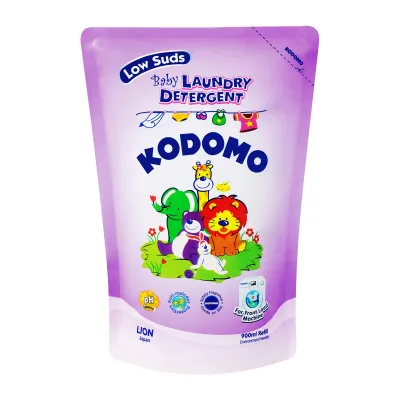
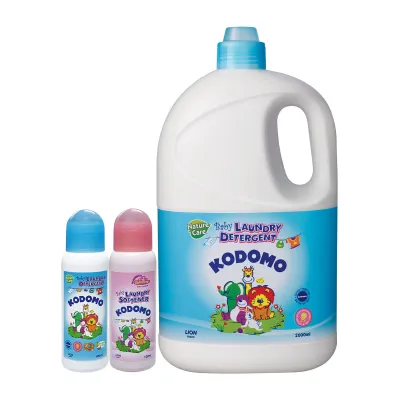
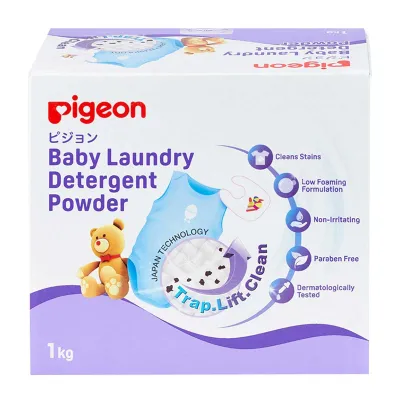
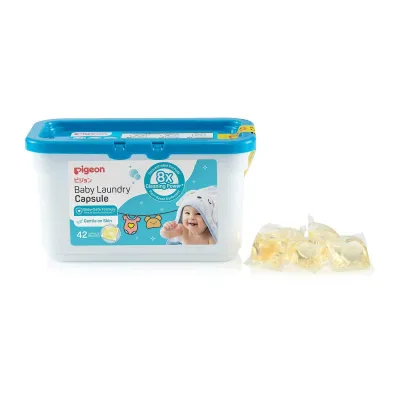
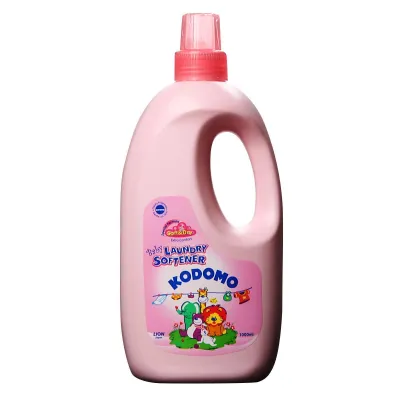
Prices are valid at publication and may change. Please refer to the product page for the latest price.
Furthermore, over-dosing is a common cause of detergent buildup on baby clothes, which can lead to skin irritation. Caregivers should always verify the manufacturer’s recommended dosage instructions based on load size. Even the gentlest detergent can cause issues if it is not rinsed out completely due to excessive usage. Checking the back label for clear dosing guidelines for both front-loading and top-loading machines is a crucial step before making a purchase.
Liquid vs. Powder vs. Pods: Evaluating Format Trade-offs
Choosing the right detergent format involves evaluating practical trade-offs based on your washing machine type, local climate, and household safety. In Singapore’s tropical, highly humid climate, laundry habits are unique. Many households dry clothes indoors or use high-efficiency front-loading washing machines. Powder detergents can sometimes struggle to dissolve completely in cold-water cycles, leaving a fine, powdery residue on fabrics. This residue can trap moisture, leading to musty odors during indoor drying, and can directly irritate a baby’s sensitive skin when they wear the clothes.

Liquid detergents dissolve easily in all water temperatures, making them a highly reliable option for cold-water washes and quick cycles. They also allow caregivers to pre-treat stubborn stains directly by dabbing a small amount of liquid onto the fabric before washing. Laundry pods or capsules offer excellent dosing convenience for busy caregivers, eliminating the risk of over-pouring or spilling. However, pods present a significant safety hazard in households with crawling babies or toddlers, who may mistake the colorful, squishy packets for toys or food. If choosing pods, they must be stored in their original, child-resistant containers on high shelves completely out of reach and sight. Additionally, pods do not allow for easy dose adjustments when washing small, frequent loads of baby clothes, which can lead to product waste and excess chemical exposure.
Water hardness also plays a role in how detergents perform. Singapore’s tap water is generally soft, which means detergents lather very easily. In soft water, using too much detergent can lead to excessive suds that are difficult for washing machines to rinse out completely. Liquid detergents are generally easier to dose precisely in soft-water conditions compared to pre-measured pods, allowing caregivers to reduce the amount used for smaller loads and minimize the risk of soapy residue remaining on the baby’s garments.
Decoding Ingredient Profiles: Fragrances, Enzymes, and Surfactants
Understanding what goes into a bottle is the most effective way to protect a baby’s skin while ensuring effective cleaning. Added fragrances, including natural essential oils, are among the most common triggers for contact dermatitis and respiratory sensitivities in infants. While a “baby-fresh” scent is appealing to many parents, fragrance-free options are always safer for newborns and infants with compromised skin barriers. Even natural essential oils can contain volatile organic compounds that irritate delicate skin, so “unscented” or “fragrance-free” labels should be verified against the ingredient list to ensure no masking fragrances are present.
Enzymes are biological catalysts added to detergents to break down tough, protein-based stains like breast milk, formula, spit-up, and baby food. While highly effective at stain removal, biological detergents can sometimes leave enzyme residues that irritate highly sensitive skin. If your baby has eczema or extremely dry skin, opting for a non-biological (enzyme-free) formula is a prudent choice. Caregivers should also scrutinize labels for harsh preservatives such as methylisothiazolinone (MIT) or benzisothiazolinone (BIT), as well as optical brighteners. Optical brighteners are synthetic chemicals that remain on the fabric to reflect light and make clothes look whiter, but they serve no cleaning purpose and can cause skin sensitization.
When reading the ingredient list, look for the types of surfactants used. Surfactants are the active cleaning agents that lift dirt from fabrics. Plant-based surfactants, such as coco-glucoside, decyl glucoside, or sodium coco-sulfate derived from coconut or palm, are generally milder on the skin compared to synthetic petroleum-based surfactants like sodium lauryl sulfate (SLS) or sodium laureth sulfate (SLES). While synthetic surfactants are highly effective at creating foam and removing grease, they can strip the skin of its natural oils if any residue remains on the clothing. Verifying the presence of plant-derived cleaning agents is a reliable way to ensure a gentler wash.
Assessing Price and Value: Calculating Cost Per Wash
Comparing upfront bottle prices at local supermarkets or online marketplaces can be highly misleading. A larger, cheaper bottle may require a much larger capful per load, making it more expensive in the long run than a concentrated formula. To find the true economic value, caregivers should calculate the cost per wash in S$. Divide the retail price of the detergent by the total number of standard loads specified on the back label. This simple calculation reveals the actual cost of running a single load of laundry, allowing for a fair comparison across different brands and bottle sizes.
Concentrated liquid formulas often provide better long-term value because they use less water in the formulation, requiring smaller dosages per wash. This concentration also means smaller bottles, which is a major advantage for space-constrained Singapore utility rooms or laundry areas. When evaluating premium-priced brands, verify whether the extra cost is justified by certified organic ingredients, biodegradable formulations, or specific dermatological certifications that align with your family’s values, rather than simply paying for brand prestige.
Another practical way to maximize value is to look for refill pouches. Many popular baby detergent brands offer concentrated liquid refills in flexible plastic pouches, which are typically priced lower per milliliter than the initial bottled product. Purchasing a single bottle and subsequently refilling it not only reduces household expenses in S$ but also minimizes plastic waste. Caregivers should compare the cost per wash of refill options when planning their long-term laundry budget.
Decision Framework: Matching Detergent Types to Your Needs
To simplify the selection process, caregivers can match detergent types to their specific household needs and baby profiles. Choose a fragrance-free, enzyme-free liquid detergent if you are washing clothes for a newborn, dealing with active eczema flare-ups, or if your baby has a diagnosed skin condition. This combination minimizes the risk of chemical irritation while still providing adequate cleaning for daily wear.
Choose a concentrated biological formula if your baby is older, starting solid foods, and producing heavy protein-based stains, provided they have no history of skin sensitivities. The enzymes in these formulas will save time and effort by breaking down stubborn food residues without requiring harsh scrubbing. Always verify first if a new detergent is compatible with your washing machine type, particularly high-efficiency (HE) front-loaders that require low-sudsing formulas to prevent mechanical issues. If your baby has a diagnosed skin condition, consult a pediatrician or dermatologist before switching brands to ensure the ingredients do not conflict with their treatment plan.
Frequently Asked Questions (FAQ)
Do I really need a special detergent for my baby's clothes?
Baby-specific detergents are formulated to be gentler, typically omitting harsh surfactants, optical brighteners, and strong synthetic fragrances found in standard family detergents. A baby’s skin barrier is up to thirty percent thinner than an adult’s, making it far more susceptible to chemical absorption and irritation. While a mild, fragrance-free, and dye-free regular detergent can sometimes be sufficient for the whole family, a dedicated baby detergent is strongly recommended during the first few months of life or if your child shows any signs of skin sensitivity. Using a dedicated formula ensures that delicate fabrics are thoroughly cleaned without leaving behind irritating chemical residues.
How should I transition to a new baby detergent brand?
When introducing a new detergent brand, a cautious transition protocol helps prevent widespread skin reactions. Begin by washing just a single, small garment—such as a bodysuit or a washcloth—with the new detergent, while keeping the rest of the baby’s laundry in their current, trusted brand. Have your baby wear this single garment for a full day and closely monitor their skin for any signs of irritation. Look for observable reactions such as localized redness, dry or rough patches, small bumps, or signs of itching and discomfort. If any of these signs appear, stop using the new detergent immediately, rewash the garment in plain water or your previous detergent, and consult a pediatrician if the irritation persists.
Community discussion
Share your experience or ask a question. Comments are reviewed before publication.