
Potty training is a significant developmental milestone that marks a transition toward independence for toddlers. As families in Singapore seek to minimize waste and reduce their environmental footprint, eco-friendly cloth training pants have emerged as a popular alternative to single-use disposables. Choosing the right brand requires understanding how these garments function, how to verify environmental claims, and how to maintain them in a tropical climate. Rather than relying on vague marketing, parents can use a structured evaluation framework to identify high-quality, sustainable options that suit their child’s needs and their household routine.
Evaluating cloth training pants involves looking closely at material composition, construction quality, and manufacturing transparency. Because market availability and product lines change frequently, the most reliable approach is to develop a keen eye for product specifications rather than relying on brand names alone. By understanding what makes a training pant truly sustainable and functional, you can make an informed investment that supports your child’s potty training journey while respecting the environment.
Understanding Eco-Friendly Cloth Training Pants
To choose the right cloth training pants, it is essential to understand their specific role in the potty training process. Unlike standard cloth diapers, which are designed to absorb multiple heavy voids and keep the baby’s skin dry, training pants are engineered to catch only a single small accident. They are designed to be trim, mimicking adult underwear, which helps toddlers feel like they have transitioned out of diapers. This design encourages independence, allowing children to pull them up and down easily when using the toilet.
Products mentioned in this guide
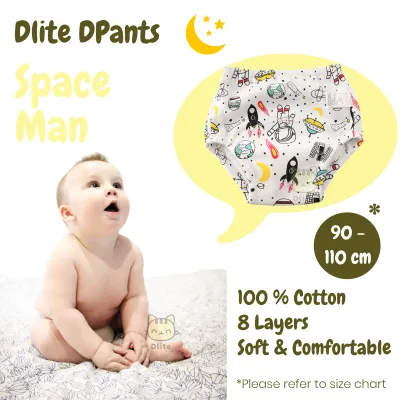
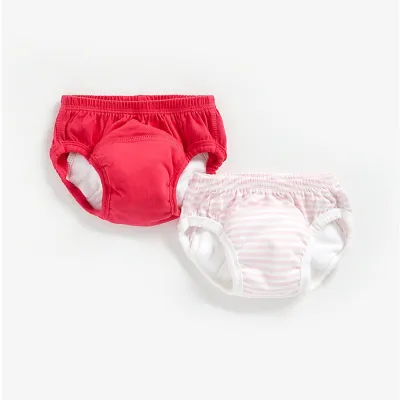
![[SG Ready Stock] Baby Toilet Training Pants 6 Layers Cotton Toddler Kid Potty Training Underwear Washable Cloth Diaper Children Day Gifts](https://img.lazcdn.com/g/p/3987f2eec680cd64554d9932f24c6993.jpg_400x400q80.jpg_.webp)
![[SG Local Stock] 6 Layers Baby Toilet Training Pants Breathable Waterproof Baby Diaper Pants Kids Potty Training Rewashable Diapers Panties Underwear Children Day Gifts](https://img.lazcdn.com/g/p/3c008923aebea28cff8035fa6d41ddb6.jpg_400x400q80.jpg_.webp)
![[SG Ready Stock] 6-Layer Toilet Training Pants / Reusable Diaper / Toilet Potty Training Pants](https://img.lazcdn.com/g/ff/kf/Sbdbdc19430d943cca20fdf03fa04921ed.jpg_400x400q80.jpg_.webp)
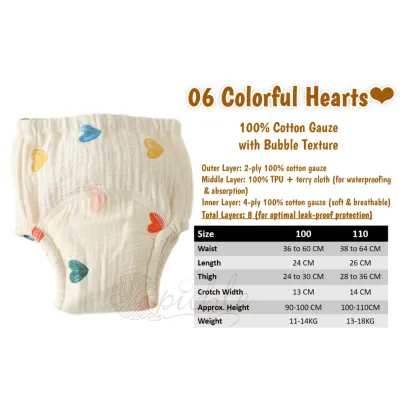
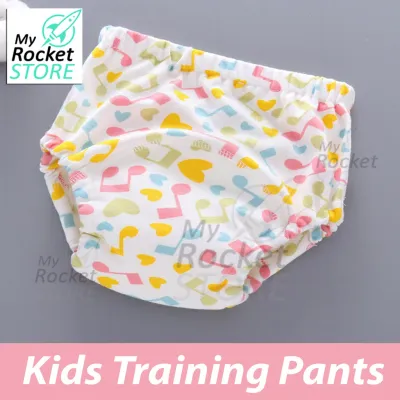
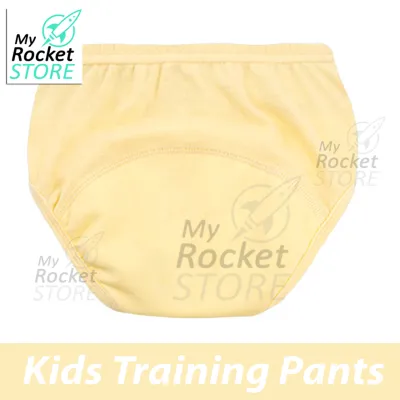
Prices are valid at publication and may change. Please refer to the product page for the latest price.
Another critical distinction lies between cloth training pants and disposable pull-ups. Disposable options contain superabsorbent polymers that instantly wick moisture away from the skin. While this keeps the child dry, it often delays potty training because the child cannot connect the physical sensation of urinating with the feeling of being wet. Cloth training pants, by contrast, allow the child to feel the dampness immediately. This wetness sensation provides crucial sensory feedback, helping the child recognize when they need to use the bathroom.
Eco-friendly training pants achieve this balance by utilizing sustainable, natural fibers for their absorbent layers. Common materials include organic cotton, bamboo viscose, and hemp. Organic cotton is highly breathable and soft against sensitive skin, making it an excellent choice for daily wear. Bamboo viscose offers exceptional absorbency and a silky texture, while hemp is known for its durability and high moisture retention. These natural fibers are biodegradable and renewable, offering a lower environmental impact compared to the synthetic plastics used in disposable pull-ups.
Key Criteria for Evaluating Sustainable Brands
When evaluating different brands of cloth training pants, the fabric composition is the first detail to examine on the product label. A high-quality eco-friendly training pant typically consists of three parts: an inner lining, an absorbent core, and an outer waterproof layer. The inner lining, which sits directly against the child’s skin, should ideally be made of 100% natural fibers like organic cotton or bamboo. Avoid brands that use synthetic “stay-dry” polyester microfleece for the inner lining, as this defeats the purpose of letting the child feel the wetness.

The absorbent core is usually sandwiched inside the pant and may feature a blend of natural fibers. Hemp and organic cotton blends are highly regarded for their ability to hold moisture without adding excessive bulk. For the outer waterproof layer, look for materials laminated with Thermoplastic Polyurethane (TPU) rather than Polyurethane Laminate (PUL). While both provide water resistance, TPU is bonded using heat rather than chemical solvents, making it a more environmentally friendly manufacturing choice.
Durability and washability are equally important, as training pants undergo frequent, heavy-duty washing cycles. Examine the quality of the stitching along the seams and leg gussets. Double-stitched seams and covered elastics—where the elastic band is encased in soft fabric rather than exposed—prevent chafing and ensure the garment can withstand repeated stretching. High-quality elastics are crucial; they must remain snug enough to prevent leaks around the thighs but flexible enough for a toddler to pull down independently without snapping or losing elasticity over time.
Verifying Eco-Claims and Avoiding Greenwashing
The baby product market is filled with vague environmental claims, making it easy for parents to fall victim to greenwashing. Terms like “natural,” “green,” “earth-friendly,” or “biodegradable” are often used loosely by manufacturers without any third-party verification. To ensure you are purchasing truly eco-friendly training pants, look for reputable, independent textile certifications that validate the brand’s environmental claims.
The Global Organic Textile Standard (GOTS) is the gold standard for organic fibers. A GOTS-certified product ensures that the cotton or natural fibers were grown without harmful pesticides, and that the entire manufacturing process meets strict environmental and social criteria. Another vital certification is the Oeko-Tex Standard 100. This certification guarantees that every component of the garment, including threads, buttons, and linings, has been tested for harmful substances and is safe for toddler skin. When a brand claims to have these certifications, look for their license number and verify it on the official GOTS or Oeko-Tex databases.
Transparency regarding the supply chain and packaging is another indicator of a brand’s genuine commitment to sustainability. Reputable brands often share detailed information about where their products are manufactured and the working conditions of their factories. Furthermore, evaluate the packaging materials. Brands that ship their products in plastic-free, compostable, or recycled paper packaging demonstrate a holistic approach to reducing waste, matching the eco-friendly ethos of the product itself.
Matching Training Pant Features to Your Child's Needs
Selecting the right style of training pants depends heavily on your child’s developmental stage and physical build. Training pants generally come in two main designs: pull-up style and side-opening style. Pull-up styles are ideal for toddlers who are actively participating in the potty training process and want to practice pulling their underwear up and down. This style fosters self-reliance and closely mimics the experience of wearing real underwear.
Side-opening styles, which feature snaps or hook-and-loop fasteners on the hips, are highly practical for the early stages of potty training. If your child has a heavy accident or a bowel movement, pulling a standard pull-up pant down their legs can result in a significant mess. Side-snap designs allow you to lay the child down and remove the soiled pants quickly and cleanly, much like a standard diaper. This style is also highly adjustable, making it easier to achieve a custom fit for children with unique body shapes.
Absorbency needs will also vary depending on the time of day and your child’s progress. For daytime wear at home, a lightweight pant with a thin absorbent core is sufficient to catch minor leaks while keeping the garment trim and comfortable. For nap times, car rides, or short outings, you may require a brand that offers pocket openings. These pockets allow you to insert extra absorbent boosters (such as hemp or cotton inserts) to handle larger volumes of urine without needing to purchase a completely separate set of heavy-duty pants.
To ensure a leak-free experience, precise sizing is critical. Do not rely solely on age recommendations, as toddlers of the same age can vary widely in weight and proportions. Measure your child’s waist and upper thigh circumference using a flexible measuring tape. Compare these measurements against the manufacturer’s specific size chart. A proper fit should be snug enough around the legs to prevent gaps when the child moves, but loose enough that it does not leave deep red marks on their skin.
Washing and Maintaining Cloth Training Pants in Singapore
Maintaining cloth training pants in Singapore’s hot and humid climate requires specific care to ensure longevity, hygiene, and performance. Because natural fibers are highly absorbent, they can easily trap bacteria and odors if not washed and dried correctly. Establishing a consistent laundry routine is key to keeping the fabrics fresh and preventing the buildup of mold or mildew.
When an accident occurs, solid waste must be plopped directly into the toilet. Use a diaper sprayer attached to your toilet to rinse away any remaining residue before placing the wet training pants into a dry pail. Avoid soaking the pants in a bucket of water for extended periods, as standing water encourages bacterial growth and can weaken the waterproof laminate. Your dry pail should be well-ventilated—such as a mesh laundry bag or a plastic basket with open holes—to allow airflow and minimize odor buildup before wash day.
For the washing cycle, select a residue-free detergent that does not contain fabric softeners, optical brighteners, or synthetic fragrances. Fabric softeners are particularly damaging to cloth training pants; they coat the natural fibers with a water-repellent layer, drastically reducing the fabric’s absorbency and causing leaks. Wash the pants on a warm cycle (around 40 degrees Celsius) to effectively dissolve oils and bacteria, but avoid extremely hot water, which can degrade the elastic bands and melt the waterproof TPU backing.
Drying your training pants thoroughly is crucial in Singapore’s high humidity. Line-drying outdoors in a well-ventilated area is the most eco-friendly method. While direct sunlight acts as a natural sanitizer and helps bleach out stains, prolonged exposure to intense midday UV rays can damage the waterproof laminate and elastics. To protect your investment, hang the pants in a shaded outdoor area with good breeze, or dry them indoors near a fan or dehumidifier. Ensure the garments are completely dry before storing them in a breathable drawer or basket; storing even slightly damp fabric in closed wardrobes can quickly lead to musty odors and mold.
Frequently Asked Questions (FAQ)
Can cloth training pants completely replace disposable pull-ups during potty training?
Cloth training pants can successfully replace disposable pull-ups for daytime use, short outings, and school hours once a routine is established. However, they are not designed to hold a full bladder release. For overnight sleep, long travel periods, or the very early stages of training when large accidents are frequent, many parents choose to use high-absorbency disposable pull-ups or dedicated cloth night diapers. Transitioning to cloth training pants during the day helps build the necessary wetness awareness while minimizing daily waste.
How many pairs of eco-friendly training pants should I buy for the transition period?
For a smooth transition, purchasing between 6 to 10 pairs of training pants is generally recommended, assuming you wash laundry every other day. In the initial stages of potty training, a toddler may experience 3 to 5 minor accidents daily. Having a sufficient stash ensures you always have clean pairs available while the soiled ones are being washed and dried. This buffer is especially important during Singapore’s rainy monsoon seasons when outdoor line-drying takes longer.
Are bamboo training pants more sustainable than organic cotton?
Both materials have distinct environmental trade-offs. Bamboo is a highly renewable resource that grows rapidly without the need for chemical pesticides or excessive water. However, converting raw bamboo into soft viscose fabric often involves intensive chemical processing. Organic cotton requires more agricultural land and water to cultivate, but its processing is typically mechanical and certified under strict environmental standards like GOTS. To ensure maximum sustainability, look for brands that use closed-loop bamboo processing (such as Lyocell) or certified organic cotton.

Community discussion
Share your experience or ask a question. Comments are reviewed before publication.