
Selecting the best disposable changing pads for a baby changing table requires looking beyond generic marketing terms. The ideal disposable pad must match the physical dimensions of your changing table or contoured mat, feature a reliable leak-proof barrier to protect your furniture, and use skin-safe, breathable materials that prevent irritation. Because babies wiggle during changes, secure placement via non-slip backings or adhesive strips is critical. By focusing on these physical and material specifications, caregivers can establish a hygienic, efficient diaper-changing station that simplifies cleanup while keeping the baby comfortable and secure.
Core Features to Look for in Disposable Changing Pads
To find a disposable pad that truly protects your changing table while keeping your baby comfortable, you must evaluate its structural layers. A high-quality disposable pad typically consists of three distinct layers: a soft top sheet, an absorbent core, and a waterproof backing. The top sheet should be textured to quickly draw moisture away from the baby’s skin, reducing the risk of diaper rash. Beneath this lies the absorbent core, often made of wood fluff pulp or superabsorbent polymers (SAP). This core must lock in liquids rapidly to prevent pooling, which is especially important during mid-change accidents.
Superabsorbent polymers are particularly effective because they turn liquid into a gel, preventing wetness from re-surfacing when the baby moves or presses down on the pad. The bottom layer is your primary defense against furniture damage. A completely leak-proof backing, usually made of a thin polyethylene film, ensures that no moisture seeps through to the changing table surface or the fabric cover underneath.
Products mentioned in this guide
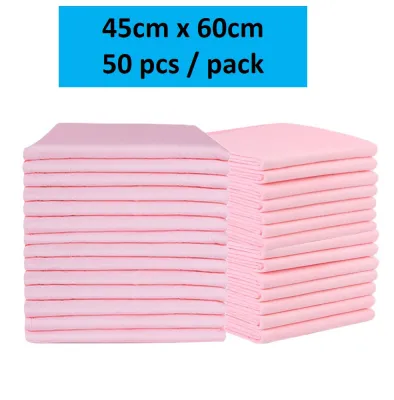
![[SG Seller]Disposable Sheet/baby changing pad/Underpads/maternity pad/diaper changing pad/Pet pad/diaper changing pad](https://img.lazcdn.com/g/p/98b6308018da96ec0e340934b88f4b41.png_400x400q80.png_.webp)
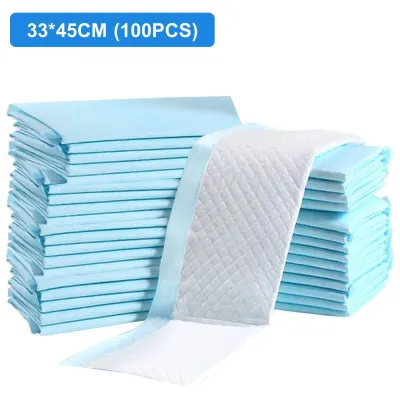
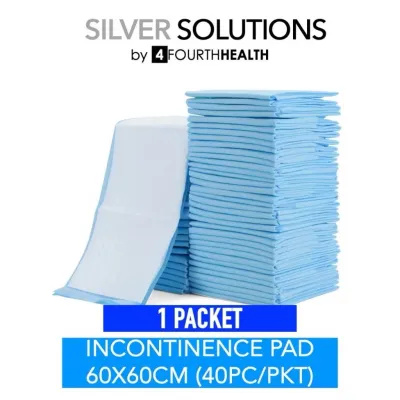
Prices are valid at publication and may change. Please refer to the product page for the latest price.
However, a waterproof backing alone is not enough; it must remain stationary. Active infants tend to kick and wriggle, which can easily bunch up a loose pad. Look for disposable pads equipped with integrated adhesive strips on the underside or a high-friction, non-slip backing. These features lock the pad in place on the changing table, preventing dangerous bunching and ensuring the protective barrier remains exactly where it is needed. If you choose pads with adhesive strips, ensure the adhesive is strong enough to hold but gentle enough not to leave a sticky residue on your changing table’s finish.
Matching Pad Dimensions to Your Changing Table
A common mistake is purchasing disposable pads without measuring the actual usable surface of your changing table or contoured changing mat. Standard changing tables vary in size, and placing a pad that is too small leaves vulnerable gaps where leaks can stain the furniture. Conversely, a pad that is too large will overhang the edges, creating a pulling hazard for curious babies or interfering with safety straps.

In compact living spaces, such as modern apartments where space-saving furniture is common, changing tables or cot-top changers may have non-standard, narrower dimensions. To ensure a perfect fit, use a measuring tape to determine the length and width of the flat area where your baby lies. Most standard changing table toppers accommodate pads measuring roughly 40 by 60 centimeters, though larger setups may require 60 by 90 centimeter options.
When browsing products, ignore generic marketing claims like “universal fit” or “standard size.” Instead, locate the exact dimensions printed on the product packaging and compare them directly to your measurements. Ensuring the pad covers the entire “splash zone” while leaving adequate room for your hands and changing essentials will make diaper changes significantly smoother. If you use a contoured changing pad, measure the flat center portion separately from the sloped sides to determine the ideal pad width.
Checking Materials and Surface Safety for Baby Skin
Because a baby’s skin is incredibly thin and sensitive, the materials used in disposable changing pads deserve close scrutiny. The top sheet comes into direct contact with your baby’s bare skin, making softness and breathability paramount. Look for non-woven fabrics that mimic the feel of cotton, which minimize friction and prevent chafing during diaper changes.
Caregivers should carefully read product labels to verify hypoallergenic, fragrance-free, and dye-free claims. In warm and humid climates, such as Singapore’s, trapped moisture and heat can quickly exacerbate skin sensitivities. Added fragrances or chemical lotions on the pad’s surface can trigger contact dermatitis or worsen existing diaper rash.
Furthermore, pay attention to how the materials are processed. Many eco-conscious parents look for pads that are processed without chlorine, often labeled as elemental chlorine-free (ECF) or totally chlorine-free (TCF). This reduces the presence of harsh chemical residues that could irritate delicate skin. If your baby has highly sensitive skin or eczema, prioritize pads that are dermatologically tested. If you notice persistent redness, bumps, or irritation after using a specific brand, stop using the pads immediately and consult a pediatrician or qualified healthcare professional for guidance.
Building Your Shortlist: Pre-Purchase Checks
When compiling a shortlist of disposable changing pads, practical and financial considerations are just as important as material safety. Start by calculating the estimated cost per pad rather than comparing overall pack prices. To do this, divide the total price of the pack by the number of pads included. For example, a pack costing S$15.00 containing 50 pads yields a unit cost of S$0.30 per pad. Factor in your expected daily usage—typically five to eight changes per day for newborns—to estimate your monthly expenditure and find an option that fits your budget.
Before buying in bulk, it is highly recommended to purchase a single, smaller trial pack. This allows you to test the pad’s compatibility with your changing table and monitor your baby’s skin for any adverse reactions before committing to a large quantity.
Next, examine the packaging design. Because Singapore’s high humidity can cause exposed absorbent materials to draw moisture from the air, look for pads that come in resealable packaging or compact, dust-proof dispenser boxes. This keeps the remaining pads dry, hygienic, and fully effective until they are needed. Finally, if environmental impact is a priority, look for pads featuring biodegradable or compostable materials. Keep in mind, however, that you must verify your local municipal waste disposal guidelines; in many urban areas, disposable pads containing human waste must be disposed of in general trash rather than compost bins, which may limit the practical benefits of biodegradable options.
Safe Usage and Hygiene Practices
Using disposable changing pads safely requires adhering to strict hygiene and supervision protocols. When placing a new pad on the changing table, ensure it lies completely flat with no folded corners or wrinkles that could cause your baby to slip or feel uncomfortable. If the pad features adhesive strips, press them firmly onto the changing surface to secure it, but avoid placing adhesives directly onto delicate wood finishes that might peel or sustain damage.
Regularly lift the disposable pad to inspect the changing table or contoured mat underneath. Even with a leak-proof backing, condensation can occasionally form in humid environments, or minor leaks can occur along the edges. Cleaning and drying the underlying surface prevents the growth of mold and bacteria. If you notice any adhesive residue left behind by the pad, clean it promptly using a mild, baby-safe soap and water to protect the furniture’s finish.
Most importantly, never leave your baby unattended on the changing table, even for a split second, to grab a fresh pad or dispose of a soiled one. Always keep one hand on your baby during the entire changing process. Once the diaper change is complete, roll the soiled pad inward to contain the mess, secure it, and place it immediately into a closed diaper bin out of your baby’s reach.
Frequently Asked Questions (FAQ)
Can I use flat disposable pads on a contoured changing mat?
Yes, you can use flat disposable pads on a contoured changing mat, but you must take extra precautions. Because contoured mats have raised, curved edges designed to keep the baby centered, a flat pad may bunch up, slide, or create gaps along the slopes. To minimize this risk, choose a highly flexible pad with reliable adhesive backing that conforms to the curves of the mat. Always ensure the baby remains centered on the mat and maintain continuous, hands-on supervision to prevent the baby from rolling or sliding off the raised edges.
Are disposable pads necessary if I already use a wipeable mat?
While a wipeable mat is highly practical for daily use, disposable pads offer distinct advantages in specific scenarios. During episodes of illness, such as diarrhea, disposable pads provide an extra layer of hygiene by allowing you to wrap up and discard the mess immediately, minimizing the risk of cross-contamination. They are also incredibly convenient for nighttime changes when you want to avoid the hassle of wiping down and drying a cold mat in the dark. Additionally, disposable pads are highly portable, making them excellent for travel, guest use, or protecting public changing stations.

Community discussion
Share your experience or ask a question. Comments are reviewed before publication.