
Keeping your baby’s hands clean is a constant priority for parents, especially when navigating busy public spaces, playgrounds, and family outings in Singapore. However, the delicate nature of infant skin means that standard hygiene products can easily cause harm. While adults routinely reach for high-strength hand sanitizers, these formulations are often far too harsh for a baby’s developing skin barrier. Choosing the right hand hygiene solution requires a clear understanding of what makes a product truly safe for infants.
To protect your little one, you must look beyond appealing packaging and marketing buzzwords. A baby-safe hand sanitizer should be formulated specifically to respect the unique physiology of infant skin, which is much thinner and more sensitive than adult skin. By learning how to decode ingredient lists, verify safety claims, and implement proper application protocols, you can keep your baby’s hands clean without risking irritation, dryness, or systemic chemical exposure.
This guide provides a comprehensive framework to help you make informed decisions when purchasing hand hygiene products in Singapore. From understanding the science behind infant skin sensitivity to identifying safe alternatives and establishing a pre-purchase checklist, you will gain the practical knowledge needed to navigate the baby care aisle with confidence.
Products mentioned in this guide
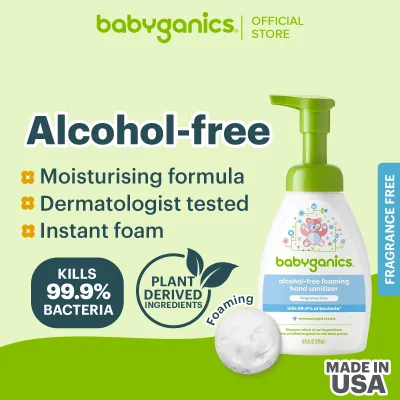
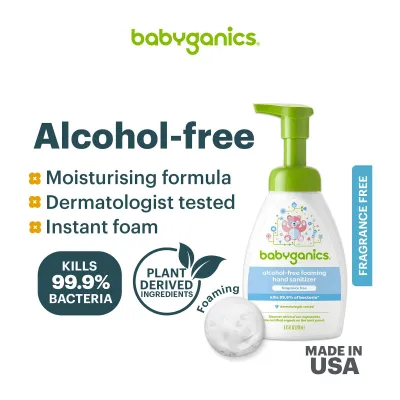
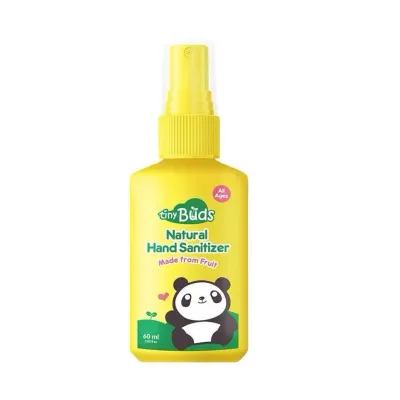
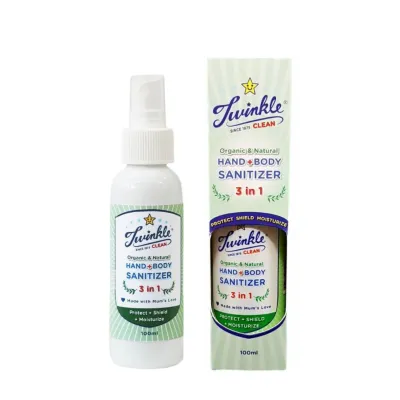
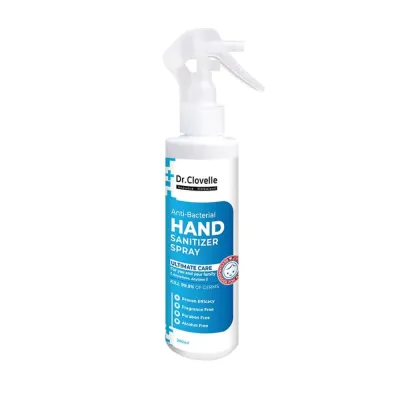
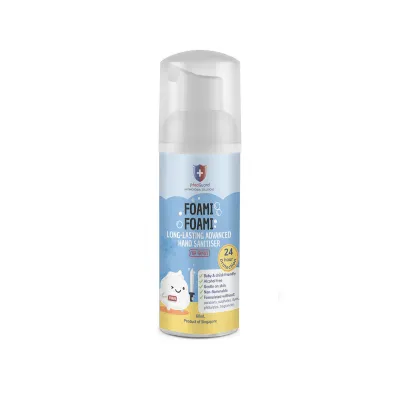
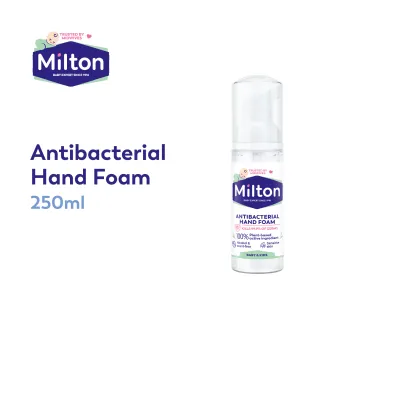
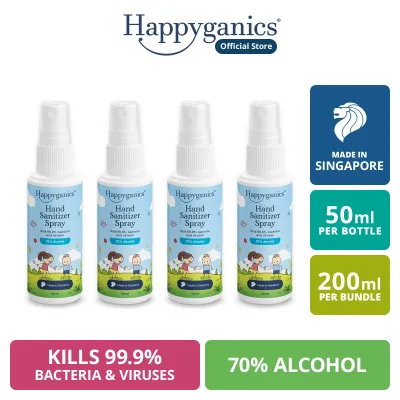
Prices are valid at publication and may change. Please refer to the product page for the latest price.
Understanding Why Adult Sanitizers Irritate Infant Skin
Standard adult hand sanitizers are formulated to kill a broad spectrum of pathogens quickly, which typically requires a high concentration of alcohol, often between 60% and 80% ethanol or isopropyl alcohol. While this is highly effective for mature skin, it poses significant risks when applied to the delicate hands of an infant. A baby’s skin is fundamentally different from an adult’s, requiring a completely different approach to hygiene and care.
The primary difference lies in the structure and development of the skin barrier. An infant’s stratum corneum—the outermost layer of the skin—is significantly thinner and less cohesive than that of an older child or adult. This structural difference means that the skin barrier is highly permeable, allowing topical substances to be absorbed much more rapidly and deeply into the underlying tissues and bloodstream.
Because babies have a much higher skin surface-area-to-body-weight ratio compared to adults, any substance absorbed through their skin has a disproportionately larger systemic impact. High-concentration alcohols applied to a baby’s hands can be absorbed transdermally, raising concerns about potential systemic exposure. Furthermore, because infants frequently put their hands, fingers, and toys into their mouths, any residue left on their skin is highly likely to be ingested.
In addition to absorption risks, high-concentration alcohols act as powerful solvents that strip away the natural lipids and moisture essential for maintaining skin health. When these natural oils are washed or dissolved away, the skin barrier becomes compromised, leading to rapid moisture loss. In Singapore’s climate, where families frequently transition between hot, humid outdoor environments and dry, air-conditioned indoor spaces, this rapid drying effect can quickly lead to painful micro-cracks, redness, and contact dermatitis.
Decoding Ingredient Labels: What to Avoid and What to Look For
When shopping for baby hand sanitizers at local pharmacies or online marketplaces in Singapore, reading the ingredient label is your most reliable line of defense. Manufacturers often use terms like “natural” or “gentle” on the front of the bottle, but the ingredient list on the back reveals the true formulation. Knowing exactly which ingredients to avoid and which ones to welcome will help you select a product that is both safe and effective.

First and foremost, avoid products containing high concentrations of denatured alcohol, ethanol, or isopropyl alcohol. If alcohol is listed near the top of the ingredient list, the product is unsuitable for infants. Denatured alcohol is particularly concerning because it contains added bittering agents or chemicals designed to make the alcohol unpalatable, which should never be ingested by a baby during hand-to-mouth play.
Synthetic fragrances and perfumes are another major category of ingredients to avoid. These complex chemical mixtures are among the most common triggers for allergic contact dermatitis and skin sensitization in infants. Even “natural” essential oils, such as tea tree oil, lavender oil, or eucalyptus oil, can be highly irritating to a baby’s sensitive skin and respiratory system, and they should generally be avoided in products intended for very young children.
Parents should also watch out for harsh preservatives and chemical additives. Ingredients such as parabens, methylisothiazolinone (MIT), and formaldehyde-releasing preservatives are known skin irritants and have been associated with contact allergies. Additionally, avoid products containing triclosan, an antibacterial agent that has faced regulatory restrictions globally due to concerns over environmental impact and potential health risks.
Instead, look for water-based formulations that utilize gentle, food-grade, or highly diluted antimicrobial agents. Some baby-safe sanitizers use hypochlorous acid (HOCl), a weak acid that is naturally produced by the body’s white blood cells to fight infection, which is highly effective yet exceptionally gentle on skin. Other formulations may use very low, pediatric-approved concentrations of benzalkonium chloride, though these should still be evaluated carefully.
To counteract any potential dryness, look for formulations enriched with hydrating humectants and soothing botanical extracts. Ingredients like vegetable glycerin, aloe vera leaf juice, chamomile extract, and calendula help to draw moisture into the skin and support the natural lipid barrier. A simple, minimalist ingredient list with fewer components is always preferable, as it significantly reduces the statistical likelihood of an adverse skin reaction.
How to Verify Safety Claims on Product Packaging
Navigating the marketing claims on baby products requires a critical eye. Terms like “dermatologically tested,” “hypoallergenic,” and “pediatrician-recommended” are frequently displayed on packaging, but these labels are not always standardized. To ensure you are purchasing a genuinely safe product, you must understand how to interpret these claims and verify them through reliable channels.
A “dermatologically tested” label indicates that the product has been tested on human skin under the supervision of a dermatologist to assess its potential for irritation. “Hypoallergenic” suggests that the formulation is less likely to cause allergic reactions compared to standard products. While these are positive indicators, they do not guarantee absolute safety for every individual baby. Parents should look for brands that provide transparent access to their testing methodologies or clinical study summaries on their official websites.
It is crucial to check the packaging for explicit age restrictions and manufacturer warnings. Many products marketed for children are actually intended for toddlers over the age of one or two, rather than newborns or young infants. If a product label states “keep out of reach of children” or contains warnings against hand-to-mouth contact, it is likely not formulated for infants who are in the oral stage of development. Always defer to the manufacturer’s specified age range before purchasing.
In Singapore, health and cosmetic products are subject to regulatory oversight, but the rise of parallel imports and unverified sellers on online marketplaces makes vigilance essential. To ensure product authenticity and safety, purchase baby sanitizers from reputable local pharmacies, official brand stores, or established baby specialty retailers. Avoid buying from third-party sellers who cannot verify the storage conditions or origin of the product.
Additionally, make it a habit to check for product alerts or safety recalls. The Health Sciences Authority (HSA) in Singapore regularly publishes updates regarding cosmetic and health products found to contain undeclared harmful ingredients or excessive bacterial contamination. Before introducing a new brand into your baby’s routine, a quick search on the official HSA portal or the manufacturer’s official recall page can prevent exposure to compromised batches.
Safer Hygiene Alternatives When Sanitizers Are Not Suitable
While baby-safe hand sanitizers offer convenience when you are away from home, they should never completely replace traditional hygiene methods. Understanding when and how to use alternative cleaning techniques ensures that your baby’s hands remain clean while minimizing their exposure to leave-on chemical formulations.
Washing your baby’s hands with mild soap and clean, running water remains the absolute gold standard for infant hygiene. Unlike sanitizers, which neutralize pathogens but leave dead microbes, dirt, and chemical residues on the skin, physical washing physically lifts and rinses away contaminants. Use a fragrance-free, liquid baby soap formulated specifically for sensitive skin, and gently lather your baby’s hands for at least twenty seconds before rinsing thoroughly.
When you are on the go in Singapore—whether visiting a local park, riding public transport, or dining out—running water is not always readily accessible. In these situations, high-quality baby wipes are an excellent, low-risk alternative to hand sanitizers. Opt for unscented, alcohol-free wipes that consist primarily of water (often marketed as 99% water wipes) and contain minimal, food-grade preservatives. Physically wiping your baby’s hands with a clean wipe effectively removes visible dirt, sticky residues, and a significant portion of surface bacteria.
Proper hand-drying is an often-overlooked step that is critical for maintaining skin health. After washing your baby’s hands or using a water-based wipe, always dry their skin thoroughly with a clean, soft, lint-free towel. In Singapore’s warm and highly humid climate, leaving moisture trapped in the delicate skin folds of a baby’s hands or between their fingers can lead to skin maceration, chafing, and localized fungal or bacterial irritation. Ensuring the skin is completely dry helps preserve the integrity of the natural skin barrier.
A Pre-Purchase and Application Safety Checklist
To ensure the highest level of safety when introducing any hand hygiene product to your baby’s routine, establishing a consistent protocol for purchasing, testing, and applying the product is essential. This structured checklist helps you minimize risks and respond quickly if your baby experiences an adverse reaction.
Before completing your purchase at a physical store or checking out your digital cart on an online marketplace, perform a quick quality check. Verify that the product’s expiration date is well in the future, as expired sanitizers may lose their antimicrobial efficacy or experience chemical degradation that increases skin irritation. Inspect the packaging to ensure the safety seal is completely intact, and confirm that the manufacturer’s contact details and country of origin are clearly printed on the label.
Before applying any new sanitizer to your baby’s hands for the first time, always conduct a localized patch test. Apply a tiny, pea-sized drop of the product to a small, clean area of your baby’s skin, such as the inner forearm or the side of the thigh. Monitor this area closely for 24 hours, looking for any signs of delayed allergic reactions, such as redness, swelling, tiny bumps, or itching. If no reaction occurs, the product is generally safe to use on their hands.
When applying the sanitizer, strict adult supervision is mandatory. Never allow an infant or toddler to hold the bottle or apply the product themselves, as this poses a high risk of accidental ingestion or eye contact. Dispense a small, controlled amount onto your own palms first, then gently rub it into your baby’s hands. Ensure you cover all surfaces, including the backs of their hands, between their fingers, and around their fingernails.
Continue rubbing the product until it has completely evaporated and the baby’s hands are dry to the touch. This step is critical to prevent the baby from transferring wet sanitizer residue to their eyes or mouth. If your baby does experience any signs of skin discomfort, such as persistent redness, peeling, dryness, or localized swelling after application, stop using the product immediately. Wash their hands thoroughly with clean water to remove any remaining residue, and consult a qualified pediatrician for professional guidance.
Frequently Asked Questions (FAQ)
Can I use regular hand sanitizer on my baby's hands in an emergency?
Using regular adult hand sanitizer on a baby should be avoided and reserved only for extreme emergencies when no other hygiene options are available. Adult formulations contain high concentrations of alcohol that can be rapidly absorbed through an infant’s thin skin, and if the baby puts their wet hands into their mouth, they risk ingesting harmful chemicals. If you must use an adult sanitizer in an emergency, apply the absolute minimum amount required, rub it until completely dry, and wipe your baby’s hands with a clean, damp cloth as soon as possible to remove any lingering chemical residue. This should remain a rare exception rather than a regular practice.
At what age is it generally considered safe to introduce hand sanitizers?
Pediatric guidance generally recommends avoiding chemical hand sanitizers for newborns and young infants under six months of age, prioritizing physical washing with mild soap and water or gentle water-based wipes instead. This is the period when the skin barrier is thinnest and hand-to-mouth behavior is most frequent, making physical cleaning methods the safest choice. As a baby grows past six months, their skin barrier matures slightly, and their hand-to-mouth behavior may become more manageable, making the cautious introduction of specialized, alcohol-free baby sanitizers appropriate. Always check the specific manufacturer’s age recommendations on the product packaging, as some formulations are only cleared for use on toddlers aged twelve months and older.

Community discussion
Share your experience or ask a question. Comments are reviewed before publication.