
Trimming a baby’s tiny, paper-thin nails can be one of the most nerve-wracking tasks for new parents and caregivers. Because infant nails grow remarkably fast and can be surprisingly sharp, regular grooming is essential to prevent babies from scratching their delicate faces. Standard adult nail clippers are far too large and lack the precision required for tiny fingers, making specialized baby nail scissors an excellent alternative. When choosing the right pair, caregivers should prioritize safety features such as rounded tips, curved blades designed for small nail contours, and ergonomic handles that offer maximum control. By focusing on these specific design elements, you can transform a stressful chore into a calm, safe, and efficient routine.
Selecting the ideal grooming tools involves understanding how different features protect your child’s skin while giving you the confidence to make precise cuts. While many parents receive grooming kits as gifts, evaluating the individual tools within these sets ensures they meet high safety and usability standards. The right pair of scissors should feel balanced in your hand, offer a clear line of sight to the nail bed, and feature materials that are easy to keep clean and hygienic.
Essential Safety Features to Protect Delicate Skin
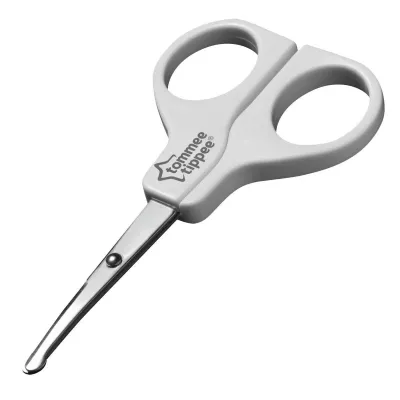
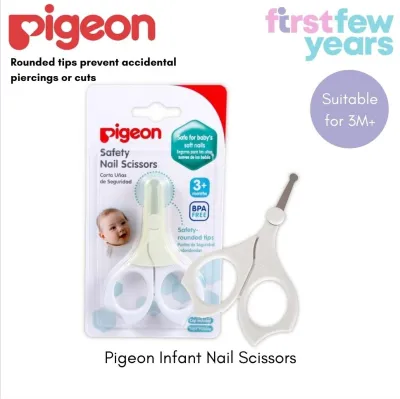
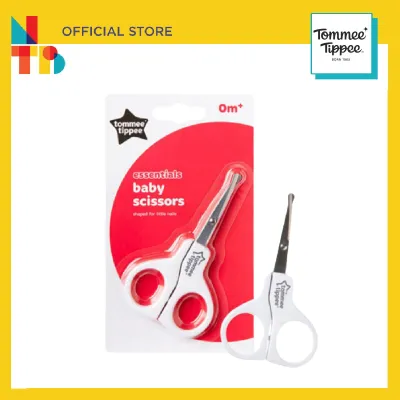
The primary concern when trimming an infant’s nails is preventing accidental nicks or cuts to the highly sensitive skin surrounding the nail bed. Unlike adult nails, a baby’s nails are closely integrated with the surrounding skin, making it easy to accidentally pinch the fingertip if the tool lacks proper safety mechanisms. The most critical safety feature to look for is a rounded or blunt tip. Unlike standard household scissors that taper to a sharp point, baby nail scissors feature thick, rounded ends that prevent puncture injuries if your baby suddenly wiggles or jerks their hand during grooming. This rounded design allows you to slide the blade gently under the nail edge without the risk of poking the delicate skin underneath.
Products mentioned in this guide
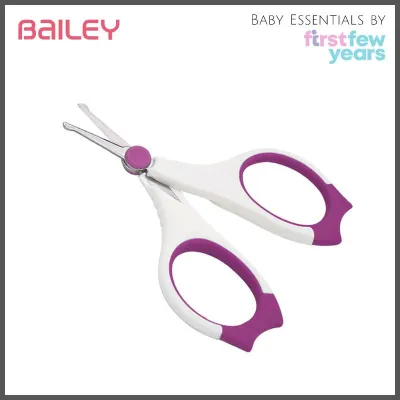
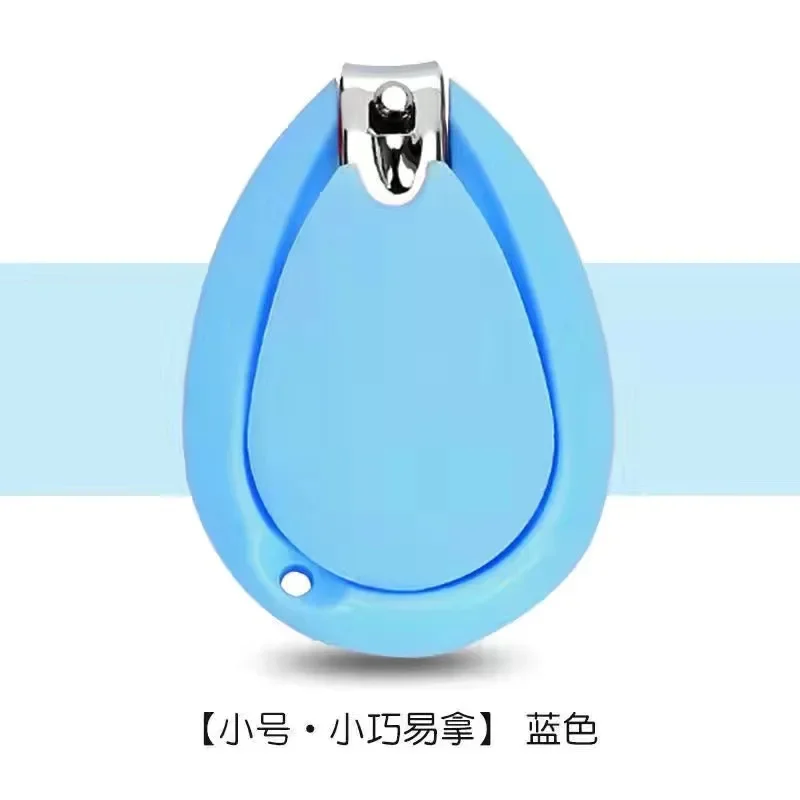
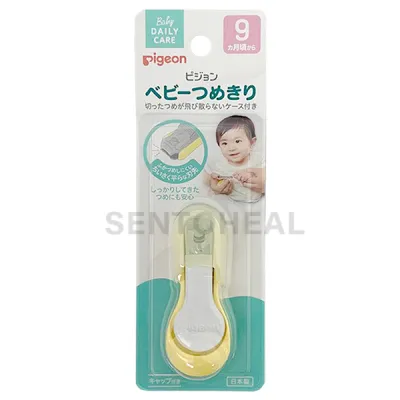
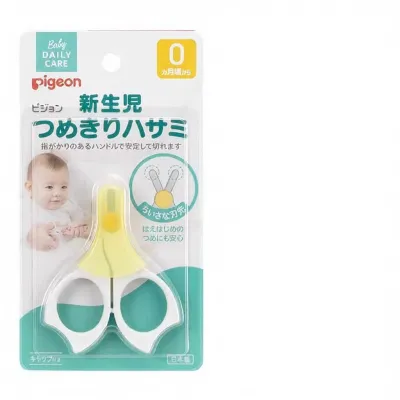
Prices are valid at publication and may change. Please refer to the product page for the latest price.
Some advanced models also incorporate protective guards or plastic shields built directly onto the blades. These guards act as physical barriers that limit how much of the blade is exposed to the skin, helping to prevent caregivers from cutting too close to the quick. While these shields can offer peace of mind, they can sometimes obscure your view of the nail, so it is important to choose a design that balances protection with clear visibility. When shopping, always verify the age-appropriate sizing indicated by the manufacturer, as scissors designed for toddlers may be too large and cumbersome for a newborn’s tiny fingers.
Before using any grooming tool, caregivers must carefully read the manufacturer’s safety warnings and instructions on the packaging. Many brands specify age limits, recommended angles of use, and the necessity of constant adult supervision. Never use damaged or misaligned scissors, and always inspect the tool before each session to ensure the safety guards and rounded tips remain intact and free of sharp burrs.
Blade Design and Material Considerations
The design and material of the blades directly impact how cleanly and smoothly the scissors cut, which is vital for preventing painful snags or tears. High-quality baby nail scissors typically feature slightly curved blades. This gentle curvature is engineered to follow the natural, rounded contour of a tiny fingernail, allowing you to make a single, smooth cut rather than multiple straight clips that can leave sharp, jagged corners. A curved blade also helps you maintain a safe distance from the fingertip skin, as the shape naturally arches away from the delicate flesh beneath the nail.

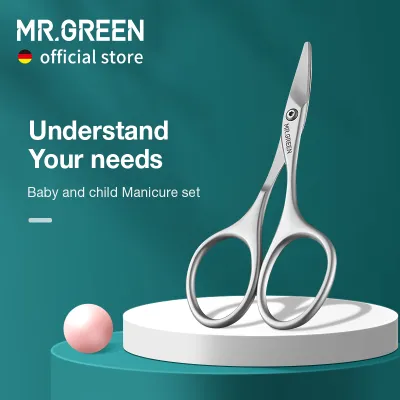
Material choice is equally important for both hygiene and durability. Stainless steel is the industry standard for high-quality baby grooming tools because it resists rust—a crucial feature in Singapore’s humid climate—maintains its sharpness over time, and can be easily sterilized. Because baby nails are soft and pliable, the blades must be exceptionally sharp and perfectly aligned; dull blades will bend or tear the nail rather than cutting it cleanly, which can cause discomfort and lead to painful hangnails. When evaluating a pair of scissors, check that the blades meet evenly from base to tip without any visible gaps or overlapping friction that could cause the tool to stick.
To verify the quality of the blades, look for specifications regarding the grade of steel used and instructions on how to clean them. Avoid cheap plastic-coated blades that cannot be properly sanitized or those that feel loose at the pivot screw. A sturdy, well-aligned pivot ensures that the cutting action remains smooth and predictable, giving you the precise control needed to trim even the smallest newborn nails without applying excessive force.
Ergonomic Factors for Caregiver Control
While safety features protect the baby, ergonomic design protects the caregiver’s control and stability during the trimming process. Trimming tiny nails requires a steady hand, and any slipping can lead to accidental injury. The handles of baby nail scissors should be designed to accommodate adult fingers comfortably, offering a secure grip that prevents the tool from shifting in your hand. Look for loops that are large enough to fit your thumb and fingers without pinching, yet snug enough to prevent your fingers from sliding through completely.
Many high-quality scissors feature non-slip grips made from textured rubber or soft-touch materials molded onto the handle loops. This is particularly useful if your hands are slightly damp after bathing your baby, or if you are dealing with a squirming infant. The added friction from a textured grip ensures that you maintain complete control over the cutting angle and pressure, even during sudden movements. Additionally, the overall weight and balance of the scissors should feel natural in your hand; a tool that is too heavy or poorly balanced can cause hand fatigue, making it harder to execute precise, delicate cuts.
When testing the ergonomics of a pair of scissors, pay attention to how easily the blades open and close. The tension at the pivot should be tight enough to prevent loose, floppy movement, but smooth enough that you do not have to strain your hand muscles to operate them. A comfortable, responsive tool allows you to focus entirely on your baby’s hand, reducing tension and anxiety for both you and your child.
Building Your Shortlist: Matching Features to Your Needs
As you prepare to purchase baby nail scissors, it is helpful to match specific features to your baby’s developmental stage and your personal comfort level. Newborns have incredibly soft, fast-growing nails that are almost fused to the skin, requiring maximum precision and very small, thin blades. As your baby grows into an active toddler, their nails will become thicker and harder, and their increased mobility may require scissors with sturdier blades and more robust safety guards to handle a child who cannot sit still.
It is also worth comparing scissors with other common grooming tools, such as traditional baby nail clippers and electric nail files. While clippers are popular, they can sometimes block your view of the nail bed, increasing the risk of clipping the skin. Electric trimmers use rotating cushioned sandpaper pads to file down the nail, which is highly safe but can be slow and requires replacement pads. Many parents find that a combination of tools works best: using a soft file or electric trimmer during the first few weeks of life, and transitioning to baby nail scissors once the nails harden and grow more rapidly.
When deciding between standalone scissors and those included in a comprehensive grooming kit, consider the overall quality of the components. Grooming kits often provide excellent value, bundling scissors with files, combs, and brushes in a convenient storage case. However, ensure that the scissors included in these kits do not compromise on safety features, blade alignment, or ergonomic design. Investing in a high-quality, standalone pair of scissors is often preferable to using a mediocre tool from a low-cost, generic kit.
Safe Trimming Practices and Tool Maintenance
Even the best pair of baby nail scissors requires proper technique and regular maintenance to ensure safe and hygienic use. Timing is everything when it comes to trimming an infant’s nails. Many experienced caregivers find that the best time to trim is when the baby is deeply asleep, as their hands are relaxed and they are unlikely to make sudden movements. Alternatively, trimming immediately after a bath is highly effective because the warm water softens the nails even further, making them easier to cut smoothly without leaving sharp edges.
To maintain the hygiene of your scissors, always clean and sterilize the blades after each use according to the manufacturer’s specific instructions. Wipe the blades with an alcohol wipe or wash them with warm, soapy water, ensuring they are dried completely before storage to prevent any risk of rust. Store the scissors in a clean, dry place, preferably in a protective case or with a blade cover, to keep them out of reach of children and to protect the blades from damage.
Regularly inspect the scissors for signs of wear and tear, such as dullness, rust, or misalignment of the blades. If you notice that the scissors are tearing the nail rather than cutting it cleanly, or if the pivot joint becomes loose and unstable, it is time to replace the tool. If you accidentally nick the skin or notice any signs of infection, redness, or swelling around the nail bed, stop using the tools immediately, apply gentle pressure with a clean tissue, and consult a qualified healthcare professional.
Frequently Asked Questions (FAQ)
When should I start using nail scissors on my newborn?
During the first few weeks of life, a newborn’s nails are extremely soft, pliable, and closely attached to the surrounding skin. It is generally recommended to avoid using scissors or clippers during this initial period to prevent accidental cuts. Instead, use a soft emery board or baby nail file to gently file down any sharp edges. Once the nails begin to harden and grow away from the skin—typically around three to four weeks of age—you can safely transition to using specialized baby nail scissors with rounded tips, ensuring you proceed with caution and plenty of light.
How often should I trim my baby's nails?
An infant’s fingernails grow incredibly fast and may need to be trimmed once or twice a week to prevent them from scratching themselves or others. In contrast, toenails grow much more slowly and typically only require trimming once or twice a month. A practical way to determine when it is time to trim is to observe your baby’s hands and behavior; if you notice sharp edges, visible nail growth extending past the fingertips, or minor scratch marks on their face, it is time for a quick grooming session.

Community discussion
Share your experience or ask a question. Comments are reviewed before publication.