
Trimming a newborn’s nails is one of the most nerve-wracking tasks for new parents. A baby’s nails grow surprisingly fast and can be incredibly sharp, leading to accidental scratches on their delicate face. However, their fingertips are tiny, and the skin surrounding the nail bed is exceptionally soft and easily pinched. Choosing the right baby scissors is not just about finding a smaller version of adult scissors; it requires evaluating specific physical design features that prioritize safety, control, and hygiene.
By understanding what to look for on the packaging and how to inspect the tool’s physical construction, you can confidently select a pair of scissors that makes nail care a calm, stress-free routine. This guide breaks down the essential safety features to evaluate when selecting baby scissors, helping you make an informed purchase that prioritizes your baby’s well-being and your peace of mind.
Essential Blade and Tip Designs to Prevent Skin Punctures
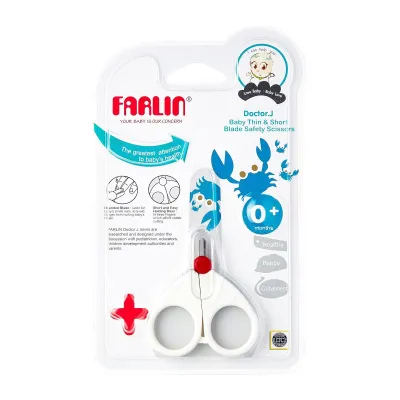
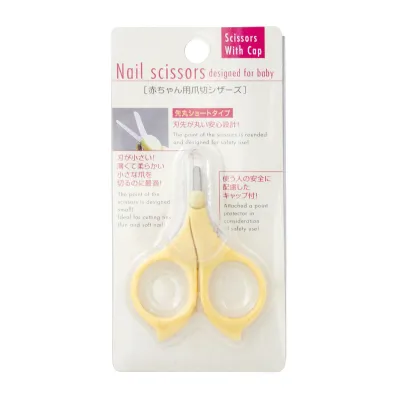
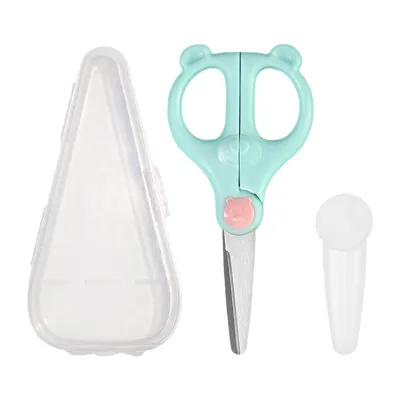
The most critical safety feature of any baby scissors is the design of the tips. Standard household scissors or adult manicure tools have sharp, pointed ends that can easily puncture or scratch delicate skin if a baby jerks their hand. Baby scissors must feature rounded, blunt tips. This rounded profile acts as a physical buffer, ensuring that even if the baby makes a sudden, unpredictable movement, the tip of the blade will slide harmlessly against the skin rather than piercing it. When shopping, physically inspect the tips or look for clear close-up images on the packaging to verify that the ends are completely spherical and free of sharp edges.
Products mentioned in this guide
Prices are valid at publication and may change. Please refer to the product page for the latest price.
The blades themselves should be short and relatively thick compared to standard scissors. Short blades, typically measuring under two centimeters, limit the cutting field and give you much greater control over each individual snip. Long blades increase the leverage and make it easier to accidentally cut skin that is out of your direct line of sight. Additionally, slightly thicker blades help prevent the scissors from bending or flexing during use, ensuring a clean, predictable cut that does not tear the soft nail.
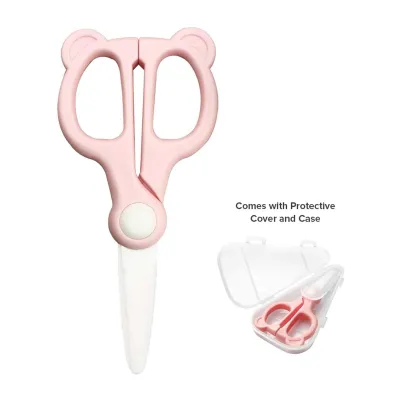
Safe storage is just as important as safe usage. Look for baby scissors that come with a dedicated protective cover or blade guard. This plastic sheath keeps the blades closed and protected from dust, moisture, and accidental contact when stored in a drawer or packed in a diaper bag. A secure, click-on cover prevents the blades from opening unexpectedly, protecting both the tool and anyone reaching into the bag. Verify that the cover fits snugly and cannot be easily pulled off by a curious toddler.
Handle Ergonomics for a Steady, Slip-Free Grip
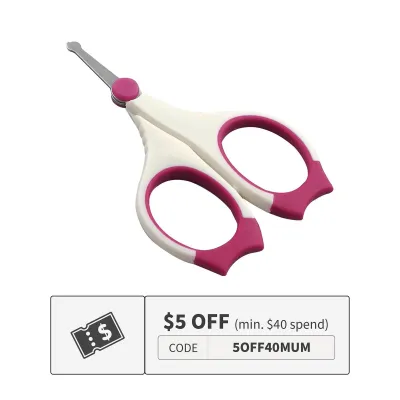
A slip of the hand during a trimming session can lead to painful nicks. To prevent this, prioritize scissors with handles made from non-slip materials. Look for textured plastic, rubberized overlays, or molded silicone grips on the finger loops. These materials provide essential friction, even if your hands are slightly damp or slippery from baby lotion. A secure grip ensures that the scissors remain firmly anchored in your hand, allowing for micro-adjustments as you navigate the curve of each tiny fingernail.

The sizing of the finger loops must accommodate adult hands comfortably. Many baby grooming kits feature loops that are too small, forcing the caregiver to pinch the tool with their fingertips rather than holding it securely. This can cause hand fatigue and reduce your control over the cutting angle. Look for loops that allow your thumb and index or middle finger to insert fully, providing a stable pivot point. Some designs feature asymmetrical loops—one larger and one smaller—which can help stabilize the tool against your hand.
Consider your dominant hand when evaluating handle design. While many baby scissors are marketed as universal or ambidextrous, some ergonomic shapes are optimized specifically for right-handed or left-handed users. If you are left-handed, using a right-handed tool can obstruct your view of the cutting edge and force you to apply uneven pressure, increasing the risk of a jagged cut. Check the product specifications to ensure the blade alignment and handle shape match your dominant hand for an unobstructed view and natural cutting motion.
Material Safety and Hygiene Checks Before Purchase
Because baby scissors frequently come into contact with moisture, oils, and cleaning agents, the quality of the materials is paramount. Look for blades made from high-grade, rust-resistant stainless steel. This material maintains its sharp edge longer, preventing the blades from dulling and tearing the nail rather than cutting it cleanly. For the plastic handles and protective covers, verify that the manufacturer specifies the use of BPA-free, phthalate-free, and non-toxic plastics, ensuring the tool is safe to have around infants who may put objects in their mouths.
While high-quality baby scissors are relatively inexpensive—often costing between S$8 and S$15—investing in a reputable brand ensures better quality control and material safety. Before purchasing, read the manufacturer’s cleaning instructions on the packaging. Some materials can tolerate sanitizing wipes or mild soap and warm water, while others may degrade if exposed to boiling water or harsh chemical sterilizers. Avoid using abrasive cleaners or soaking the scissors for extended periods, as this can weaken the hinge mechanism or cause premature rusting.
Even the highest-quality grooming tools can wear out over time. Establish a habit of inspecting the scissors before every single use. Check the central hinge to ensure it is tight and does not wobble; a loose hinge allows the blades to separate, which can fold and tear the nail instead of cutting it. Look for any signs of blade misalignment, rust spots, or cracks in the plastic handles. If you notice any structural degradation, replace the scissors immediately to maintain a safe trimming experience.
Safe Usage Boundaries and When to Stop Trimming
Creating a safe environment is just as important as having the right tool. Always trim your baby’s nails in a well-lit room, preferably near a window with natural light or under a bright lamp, so you can clearly distinguish between the nail and the underlying skin. The best time to trim is when your baby is calm, feeding, or fast asleep, as their hands will be relaxed. Support the baby’s hand firmly but gently, pressing down slightly on the fingertip pad to pull the skin away from the nail edge before making a cut.
Knowing when to pause or stop is a vital safety skill. If your baby becomes fussy, starts squirming, or pulls their hand away, halt the trimming session immediately. Forcing the process increases the risk of injury. Similarly, if your view of the nail bed becomes obstructed by shadows or the baby’s fingers, pause and adjust your position. It is far better to trim only one or two nails at a time over several sessions than to rush through a full manicure when the conditions are not ideal.
Baby scissors are excellent for trimming length, but they may not always be the best tool for every situation. For extremely short, soft, or peeling nails, or for smoothing out sharp corners left after a cut, a fine-grit baby nail file or emery board is often safer. Attempting to use scissors on a nail that is already flush with the skin increases the risk of pinching the nail bed. Keep both tools in your grooming kit so you can choose the safest option based on the current state of your baby’s nails.
Frequently Asked Questions (FAQ)
Are electric baby nail trimmers safer than manual scissors?
Electric baby nail trimmers use rotating cushioned pads to file down nails, which eliminates the risk of cutting the skin with a blade. However, they are not universally safer; they can still cause skin friction or discomfort if held in one spot for too long, and they require batteries and regular pad replacements. Manual baby scissors offer superior tactile feedback and precision, allowing you to make a single, clean cut exactly where needed. For soft, paper-thin newborn nails, scissors are often preferred for their control, while electric files can be useful as the child grows and their nails become thicker.
At what age can I transition from baby scissors to regular nail clippers?
There is no fixed age for transitioning, as nail development varies from child to child. Generally, newborn nails are incredibly soft and pliable, making scissors or files the safest choice for the first few months. As your baby approaches toddlerhood—typically around six months to a year—their nails will begin to harden and thicken. Once the nails lose their paper-thin quality and the child can sit still for short periods, you can consider transitioning to baby-specific nail clippers, which feature a curved cutting edge designed for small fingers. Always check the manufacturer’s age recommendations on the packaging before introducing a new grooming tool.
Community discussion
Share your experience or ask a question. Comments are reviewed before publication.