
Starting solid foods is a major milestone in your baby’s development, marking a transition from an all-liquid diet to a world of new flavors and textures. In Singapore, parents have access to a wide variety of infant cereals, but choosing the right option requires careful evaluation of nutritional content, age suitability, and safety standards. Rather than relying solely on brand popularity, the most reliable approach is to learn how to read ingredient labels, understand your baby’s developmental readiness, and verify local safety compliance.
By focusing on objective criteria such as iron fortification, allergen declarations, and storage requirements, you can confidently select a cereal that supports your baby’s growth. This guide provides a practical framework to help you navigate the options available in the local market, ensuring your choice aligns with your child’s nutritional needs and your family’s lifestyle.
Understanding Your Baby's Cereal Needs by Age
Around six months of age, babies typically begin their weaning journey, transitioning from exclusive breastfeeding or formula feeding to solid foods. Single-grain cereals, such as finely milled white rice, brown rice, or single-grain oatmeal, are excellent starting points for early weaning. These single-source grains allow you to introduce one new food at a time, making it much easier to monitor your baby for any potential allergic reactions or digestive sensitivities over a three- to five-day period.
Products mentioned in this guide
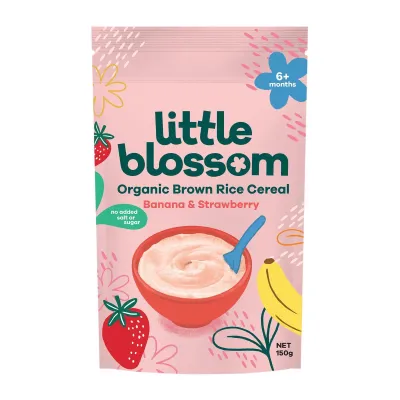
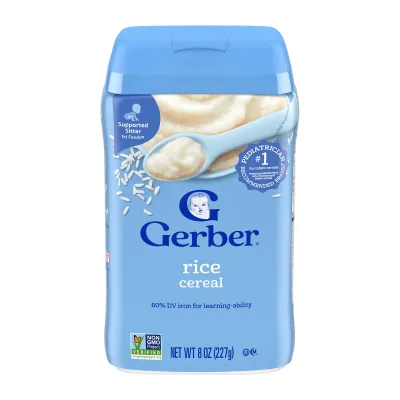
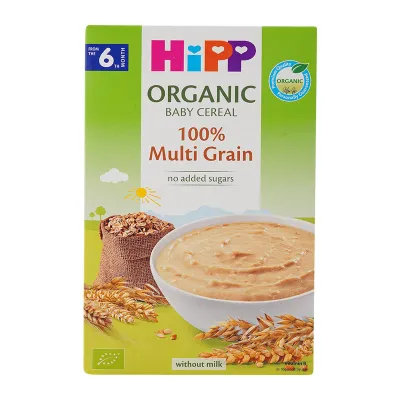
![Gerber Organic Oatmeal Baby Cereal 227G - From 6 Months [Lids may vary]](https://img.lazcdn.com/g/p/3fb85d6155c54d3f1cad64e6bb90279b.jpg_400x400q80.jpg_.webp)
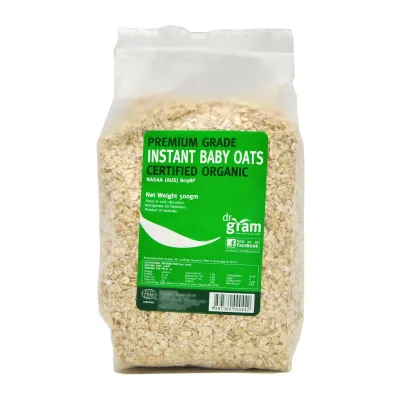
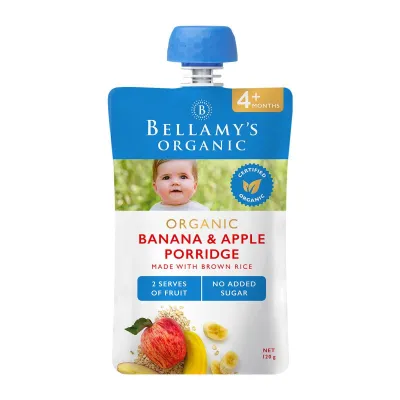
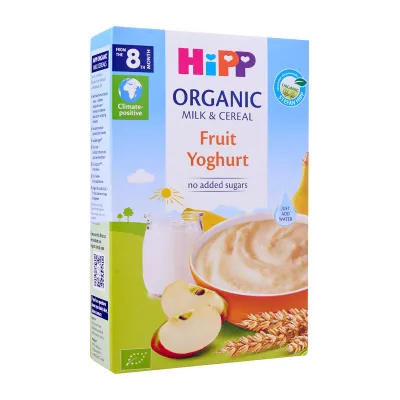
Prices are valid at publication and may change. Please refer to the product page for the latest price.
As your baby grows and successfully tolerates various single grains, you can gradually transition to multi-grain blends. These products often incorporate a mix of wheat, barley, spelt, millet, or quinoa, which offer a broader spectrum of nutrients and introduce your baby to more complex flavor profiles. Multi-grain options are generally suitable for older infants who have already demonstrated a tolerance for the individual grains contained within the blend.
Texture progression is another critical factor to align with your baby’s age milestones. Early cereals should be mixed to a very smooth, semi-liquid consistency that easily slides off a spoon, helping your baby learn how to swallow non-liquid food. Over the subsequent months, you should gradually decrease the liquid ratio to create a thicker, more textured paste that encourages chewing motions and supports oral motor development.
Iron fortification is a vital component of infant cereals, especially around the six-month mark. A baby’s natural iron stores accumulated during gestation begin to deplete around this time, making dietary iron essential for healthy brain development and red blood cell production. Always check the product packaging to verify the iron levels, ensuring they meet the recommended daily intake for your baby’s specific age group.
Before introducing any cereal, you must observe your baby for clear physical signs of developmental readiness. These signs include the ability to sit upright with minimal support, maintaining good head and neck control, showing active interest in your meals, and the disappearance of the tongue-thrust reflex. If your baby does not display these milestones, it is best to delay the introduction of solids and consult your pediatrician or a qualified healthcare professional.
Essential Nutritional Standards to Check on the Label
Reading the nutrition information panel is the most reliable way to ensure a baby cereal meets high dietary standards. Your primary focus should be on the fortification profile, specifically looking for essential nutrients such as iron, calcium, zinc, and key vitamins. Vitamin C is a particularly beneficial addition, as it significantly enhances the absorption of non-heme iron in your baby’s digestive tract.

Equally important is scrutinizing the ingredients list for unwanted additives, hidden sugars, and sodium. Manufacturers sometimes add sweeteners to make the cereal more palatable, listing them under names like sucrose, fructose, maltodextrin, cane syrup, or concentrated fruit juice. Ideally, a baby’s first cereal should contain zero added sugars and minimal sodium to help them develop a preference for natural flavors and protect their developing kidneys.
Avoid products that contain artificial preservatives, synthetic colorings, or artificial flavorings, as these are unnecessary for an infant’s diet. The ingredients list should be short and easy to understand, with the primary grain listed as the first ingredient. If you notice a long list of chemical additives or unfamiliar preservatives, consider looking for a cleaner alternative.
Allergen management requires meticulous attention, especially during the early stages of weaning. Carefully read the allergen declaration on the packaging to identify common triggers such as gluten, soy, dairy, or nuts. Even if a cereal is naturally gluten-free, such as rice or millet, it may be processed on shared equipment that handles wheat or oats.
Look for explicit cross-contamination warnings, such as statements indicating the product was manufactured in a facility that also processes wheat or dairy. These warnings are crucial for making an informed decision, particularly if your family has a history of food allergies or if your baby has shown signs of sensitivity. When in doubt, contact the manufacturer directly to clarify their allergen control protocols.
Evaluating Brand Trust and Safety Standards
In Singapore, all imported and locally distributed infant foods must comply with strict food safety regulations enforced by the Singapore Food Agency (SFA). These regulations set maximum limits for pesticide residues, heavy metals, and chemical contaminants to ensure the food is safe for vulnerable infants. When shopping, verify that the product is officially imported and labeled in accordance with local guidelines, which typically requires English labeling and clear importer details.
Look for recognized quality certifications on the packaging to help assess the manufacturing standards. Certifications such as USDA Organic, EU Organic, or equivalent national organic standards indicate that the ingredients were grown without synthetic pesticides or genetically modified organisms (GMOs). Additionally, manufacturing standards like Hazard Analysis Critical Control Point (HACCP) or Good Manufacturing Practices (GMP) provide assurance that the brand follows rigorous hygiene and quality control protocols.
Safety standards and product recalls are dynamic, meaning you should never assume a brand is permanently free from issues. Make it a habit to check for recent safety alerts or product recalls issued by the Singapore Food Agency or international food safety authorities. You can do this by visiting the official SFA portal or subscribing to their public safety notifications.
When a recall is announced, it usually specifies particular batch numbers and expiration dates, which you can cross-reference with the printed codes on your product packaging. If you discover that a product you purchased is subject to a recall, stop using it immediately and follow the return or disposal instructions provided by the retailer or manufacturer. Maintaining this proactive approach is an essential part of ensuring your baby’s feeding safety.
Building Your Shortlist: Shopping and Storage Considerations
The design of the packaging plays a significant role in maintaining freshness and ease of use. Baby cereals are commonly sold in cardboard boxes with inner foil bags, resealable plastic pouches, or metal tins. Resealable pouches and tins generally offer superior protection against moisture and pests compared to cardboard boxes, which often require you to transfer the opened inner bag to a separate airtight container.
Finding these products in Singapore is highly convenient, as they are widely stocked across physical supermarkets, specialized baby boutiques, pharmacies, and reputable online marketplaces. When purchasing from online marketplaces, exercise caution by choosing official brand stores or highly rated local distributors to minimize the risk of buying counterfeit or improperly stored goods. Always check the expiration date printed on the packaging before completing your purchase, ensuring you have ample time to use the product.
Singapore’s warm and highly humid climate poses unique challenges for storing dry infant cereals. High humidity can cause the powder to clump, spoil, or attract pantry pests such as weevils. To preserve the nutritional integrity and safety of the cereal, store the opened package in a cool, dry, and dark pantry away from direct sunlight and heat sources like the stove.
If the packaging is not resealable, transfer the contents to a clean, dry, airtight glass or food-grade plastic container immediately after opening. Always use a clean, dry spoon to scoop the powder, and discard any cereal that exhibits an unusual odor, color change, or signs of moisture intrusion. Most manufacturers recommend consuming the product within three to four weeks of opening, so writing the opening date on the container can help you track its freshness.
Frequently Asked Questions (FAQ)
When should I introduce cereal to my baby's diet?
Most healthcare professionals recommend introducing solid foods, including baby cereal, around six months of age, when breast milk or formula alone is no longer sufficient to meet all of your baby’s nutritional needs. However, age is not the sole indicator; your baby must also show physical signs of readiness, such as sitting with support and showing interest in food. Always consult your pediatrician before starting solids to ensure your baby is developmentally ready.
Can I mix baby cereal with breast milk or formula?
Yes, mixing baby cereal with breast milk or prepared infant formula is highly recommended, especially during the initial stages of weaning. Using a familiar liquid helps ease the transition to solid foods by providing a recognizable taste and aroma. Ensure you follow the manufacturer’s instructions for mixing ratios to achieve a safe, smooth consistency, and always discard any uneaten portions immediately after feeding to prevent harmful bacterial growth.
What should I do if my baby refuses the cereal?
It is entirely normal for babies to reject new foods initially, as the texture and taste are completely unfamiliar. Avoid forcing your baby to eat; instead, offer a small amount of cereal when they are relaxed and not overly hungry, and be prepared to try multiple times over several days. You can also adjust the consistency by adding more liquid to make it thinner, or temporarily pause and consult a healthcare provider if the refusal persists or is accompanied by signs of discomfort.

Community discussion
Share your experience or ask a question. Comments are reviewed before publication.