
Managing baby waste in a tropical climate presents a unique set of challenges. In Singapore, where high humidity and warm temperatures are constant year-round, organic waste decomposes rapidly, accelerating the production of unpleasant gases. Finding the right nappy disposal bag is not about searching for a single, universally perfect product. Instead, effective odour control depends on a combination of multi-layer barrier materials, secure sealing mechanisms, and proper daily maintenance. This guide will help you evaluate product features, choose between scented and unscented options, and decide on the right disposal system format for your household in a tropical climate.
Material and Design Features That Lock in Odour
To understand why some bags fail while others succeed, it is helpful to look at the science of gas permeation. Standard single-layer plastic bags, typically made of low-density polyethylene, are highly permeable to gas molecules. While they may hold liquids, they allow microscopic odour molecules, such as hydrogen sulfide and ammonia, to pass directly through the plastic membrane over time. In contrast, high-performance nappy disposal bags utilize multi-layer barrier films. These films are constructed by co-extruding several distinct layers of polymer resins, often including a core barrier layer designed to block oxygen and odour molecules. This multi-layer construction acts as a dense physical shield, dramatically slowing down the rate at which gas molecules can migrate through the plastic, thereby keeping odours trapped inside the bag even when stored for several days.
Beyond the molecular barrier, physical durability is a critical factor. A full, wet nappy is heavy and exerts significant physical stress on the bag. If the plastic is too thin or lacks elasticity, the weight can cause the material to stretch, thinning the barrier and increasing its permeability. Worse, sharp tabs from disposable nappies or coarse waste can easily puncture thin single-layer plastics. Even a micro-tear, invisible to the eye, will allow humid air to enter and foul odours to escape. When evaluating options, look for bags that specify high puncture resistance or heavy-duty thickness. While manufacturers do not always list exact micrometre measurements on the packaging, you can often feel the difference in tensile strength; high-quality bags resist stretching when pulled firmly.
Products mentioned in this guide
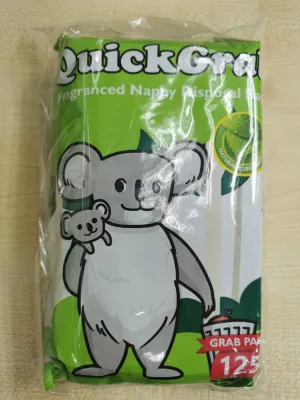
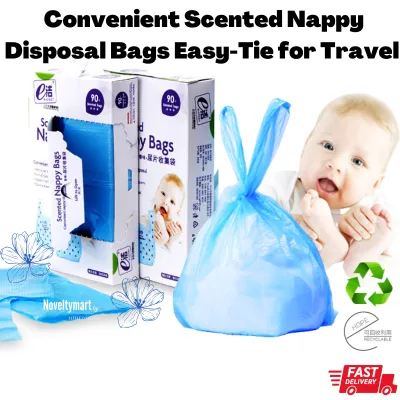
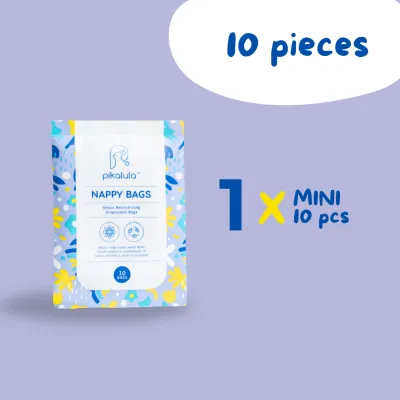
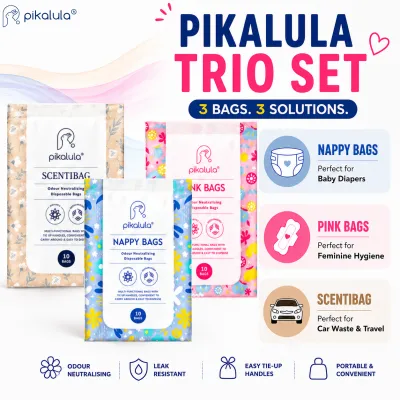
Prices are valid at publication and may change. Please refer to the product page for the latest price.
The sealing mechanism of the bag is the final line of defence. No matter how advanced the plastic film is, a weak closure will render it ineffective. Common sealing designs include integrated drawstrings, tie-handles, twist-and-lock mechanisms, and zip-lock seals. In a humid environment, air exchange must be completely restricted. Tie-handles and drawstrings are highly convenient but can leave small gaps at the knot if not pulled tightly. Zip-lock seals provide a highly secure, airtight closure but require careful alignment and can be difficult to manage one-handed during a diaper change. If you are using standalone bags, practicing a tight, double-knot technique is often the most reliable way to ensure a complete seal.
When shopping, it is important to look past generic marketing buzzwords like “odour-proof” or “heavy-duty.” Instead, check the manufacturer’s technical specifications or product labels for concrete claims, such as “multi-layer barrier technology” or “oxygen barrier film.” Reliable brands will often specify the number of layers in their film or detail the specific testing standards their materials have undergone to block gas transmission. By focusing on these structural attributes rather than attractive packaging, you can make an informed decision based on physical performance.
Scented vs. Unscented Options for Humid Environments
The choice between scented and unscented nappy disposal bags is more than a matter of personal preference; it directly affects how odours behave in a tropical climate. In Singapore’s typical ambient temperatures, which often hover around 30 degrees Celsius, chemical reactions occur at an accelerated rate. This heat also amplifies volatile organic compounds, including artificial fragrances. When a heavily scented bag is exposed to warm, humid air, the synthetic perfume molecules vaporize rapidly. If the bag’s physical barrier is weak, these perfume molecules mix with the escaping waste gases. Rather than masking the smell, this often results in a highly unpleasant, cloying combination of artificial floral or powder scents and organic waste, which can quickly overwhelm a small nursery or bathroom.

Unscented bags, on the other hand, rely entirely on physical containment rather than olfactory distraction. By focusing solely on high-quality barrier films to block the passage of gas molecules, unscented options prevent the release of any smell whatsoever. This approach is highly reliable because it does not depend on a fragrance remaining stable under varying temperature and humidity levels. For households prioritizing a neutral, clean indoor environment, unscented multi-layer bags are generally the more predictable and effective choice.
Another critical consideration is skin sensitivity and indoor air quality. Artificial fragrances are common allergens and can trigger respiratory or skin sensitivities in newborns and young infants. If you are considering scented bags, it is vital to verify the product labels for safety assurances. Look for terms such as “hypoallergenic,” “dermatologically tested,” or “baby-safe.” Ensure that the manufacturer explicitly states that the fragrances used are non-toxic and free from phthalates or other volatile synthetic chemicals. If your baby has sensitive skin or eczema, opting for unscented, chemical-free bags is a safer precautionary measure.
Ultimately, the trade-off comes down to immediate masking versus long-term containment. Scented bags can provide a brief sense of freshness during the actual diaper-changing process when the bag is open. However, for long-term storage within the home, a robust, unscented physical barrier is far more effective at preventing the gradual buildup of stale odours in your living spaces.
Individual Bags vs. Continuous Refill Systems
When setting up your diapering station, you must choose between two primary formats: individual disposal bags or cassette-based continuous refill systems. Individual bags require you to place each soiled nappy into a separate bag, tie it off, and then place it into a standard bin or carry it directly to your main waste chute. This method offers excellent odour isolation. Because each nappy is sealed in its own micro-environment, there is zero risk of cross-contaminating other waste, and no odour can escape when you open the main bin to deposit a new item. This is particularly advantageous in smaller apartments where the diapering area is close to living or sleeping quarters.
Continuous refill systems, common in specialized nappy bins, use a long, continuous tube of plastic film housed in a plastic cassette. As you push a nappy through the bin’s mechanism, it is wrapped in the film, and you tie a knot at the bottom of the tube. While highly convenient because you only cut and empty the tube when the bin is full, this system relies heavily on the bin’s mechanical seals to prevent smells from escaping. Between diaper changes, the air trapped inside the continuous tube can become highly concentrated with odours. Every time the lid is opened or the mechanism is pushed down, a small amount of this trapped air can escape into the room if the bin’s internal flaps or seals are worn or poorly designed.
To decide which system fits your household, use a practical verification checklist. First, measure your existing bin’s dimensions to ensure compatibility, as continuous refill cassettes are rarely universal and usually require a specific brand and model of bin. Second, calculate the cost-per-bag based on your household’s daily usage. A newborn can require up to ten diaper changes a day, meaning a continuous refill cassette might run out much faster than expected, leading to higher ongoing costs compared to bulk packs of individual bags. Third, check the availability of refills on local online marketplaces or physical retail stores to ensure you will not be left without options when a cassette runs out.
Finally, remember that the performance of a continuous refill system is entirely dependent on the structural integrity of the nappy bin itself. Over time, the rubber gaskets, spring-loaded lids, and plastic latches on specialized bins can degrade due to friction and exposure to cleaning chemicals. If the bin’s lid does not form a perfect, airtight seal, even the most advanced multi-layer refill film will fail to keep your nursery smelling fresh. Inspect the seals of your bin regularly for cracks, warping, or loss of elasticity, and replace any worn parts promptly to maintain optimal odour control.
Daily Routines to Maintain an Odour-Free Nursery
Even the most advanced nappy disposal bag cannot overcome poor maintenance habits in a tropical climate. In Singapore’s high humidity, bacteria and mould thrive, accelerating the decomposition of organic matter. To combat this, you must adjust your emptying frequency. While it might be tempting to wait until a large bin is completely full to save on bags, leaving soiled nappies in a warm room for more than twenty-four to forty-eight hours is a recipe for odour issues. Make it a habit to empty your nappy bin daily, or at least every other day, regardless of how full the bag is. This simple adjustment dramatically reduces the volume of gas generated within your home.
The physical placement of your nappy bin also plays a major role in odour control. Heat is a catalyst for bacterial growth and gas expansion. Avoid placing your nappy bin in direct sunlight, near large windows, or next to appliances that generate heat. Similarly, avoid tucked-away, poorly ventilated corners where air becomes stagnant. Instead, position the bin in a cool, well-ventilated area of the room, ideally near an open window or in a space with consistent air circulation. This keeps the temperature of the bin’s contents as low as possible, slowing down the decomposition process.
Another highly effective practice is pre-disposing of solid waste. Before wrapping a soiled nappy and placing it in the disposal bag, shake any loose solid waste directly into the toilet and flush it away. By removing the bulk of the organic waste from the nappy before it enters the bin, you significantly reduce the biological load. This simple step leaves far less material for odour-producing bacteria to feed on, making the job of your disposal bag much easier and extending the freshness of your nursery.
Regular cleaning of the nappy bin itself is essential to prevent lingering smells from absorbing into the plastic. Plastic is naturally porous and can absorb odour molecules over time, especially when exposed to moisture. Once a week, when emptying the bin, perform a quick deep clean. Use a mild, non-abrasive cleaner or a simple solution of warm water and dish soap to wipe down the interior and exterior surfaces. Avoid harsh chemical solvents or abrasive scrubbing pads, which can scratch the plastic and create microscopic crevices where bacteria can hide. After cleaning, ensure the bin is completely dry before inserting a new bag, as any trapped moisture will quickly lead to mould and mildew growth in a humid environment.
Frequently Asked Questions (FAQ)
Can I use standard household trash bags instead of dedicated nappy bags?
Standard household trash bags are generally designed for dry or mixed kitchen waste and lack the specialized barrier properties required to contain highly concentrated organic odours. They are typically made of single-layer, low-density polyethylene, which is highly permeable to gas molecules and prone to stretching or tearing under the weight of wet nappies. Additionally, standard trash bags do not feature convenient tie-handles or compact sizing tailored for individual diaper disposal. While they may be a cost-effective option for dry, wet-only nappies that are disposed of immediately, dedicated nappy bags with multi-layer barrier films are highly recommended for soiled nappies to prevent severe odour issues in humid climates.
How do biodegradable nappy bags perform in hot and humid conditions?
Biodegradable nappy bags are designed to break down when exposed to moisture, heat, and microorganisms. In a tropical climate like Singapore’s, these environmental triggers are constantly present. Consequently, biodegradable bags can begin to degrade much faster than standard plastics, potentially leading to leaks, tears, or a reduction in odour-barrier performance if filled nappies are left inside them for too long. To prevent premature breakdown, always check the manufacturer’s recommended shelf life and maximum storage duration for filled bags. Additionally, store unused biodegradable bags in a cool, dry pantry or cabinet, away from humid bathrooms or laundry areas, to preserve their structural integrity before use.
What is the most effective way to clean a nappy bin to remove lingering smells?
To remove stubborn, lingering odours from a nappy bin, use natural, non-toxic neutralising agents rather than harsh chemical sprays that might damage the plastic or irritate your baby’s respiratory system. A solution of diluted white vinegar or a paste made from baking soda and water is highly effective at neutralising acidic odour molecules. Wipe down the entire interior, paying close attention to the seals and hinges where residue can accumulate. After cleaning, it is critical to let the bin air-dry completely in a well-ventilated area or under direct sunlight for a short period before inserting a new bag. This step is vital in humid climates to prevent the growth of mould and mildew inside the sealed unit. Always refer to your bin manufacturer’s care instructions to ensure your cleaning methods do not void any warranties.

Community discussion
Share your experience or ask a question. Comments are reviewed before publication.