
Finding the right baby changing mat in Singapore requires balancing hygiene, comfort, and space. With the tropical climate bringing high humidity year-round, selecting a mat that resists moisture and prevents mold growth is essential for your baby’s health. A reliable waterproof changing mat serves as a dedicated, sanitary station for daily diaper changes, whether you are setting up a permanent nursery or managing diaper changes on the go. By focusing on material safety, ease of cleaning, and portability, parents can find a solution that fits their home layout and daily routine.
Why a Waterproof Surface is Essential for Changing Mats
Diaper changes are prone to unexpected leaks and spills, making a non-porous barrier a practical necessity. When liquids penetrate the core of a changing pad, they create a damp environment where bacteria, mold, and mildew can rapidly multiply. In Singapore’s humid weather, this risk is heightened, as trapped moisture struggles to dry completely, leading to persistent odors and potential skin irritation for your baby. A fully waterproof surface ensures that all messes remain on the exterior, where they can be wiped away instantly.
Beyond hygiene, a waterproof barrier protects your household surfaces. Whether you place the mat on a wooden changing table, a chest of drawers, a bed, or a fabric sofa, liquid runoff can cause permanent staining, warping, or wood rot. Utilizing a dedicated waterproof mat shields your furniture from moisture damage, preserving its longevity and appearance. It also streamlines your daily routine, reducing the volume of laundry generated by eliminating the need to wash bulky fabric covers after every minor accident.
Products mentioned in this guide
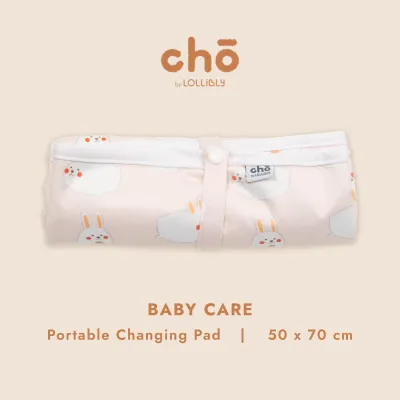
![[Local Shop] Waterproof Portable Newborn Baby Diaper Changing Pad for travel](https://img.lazcdn.com/g/p/20ecd8c42b1a992bb77e1ad139a1d5ab.jpg_400x400q80.jpg_.webp)
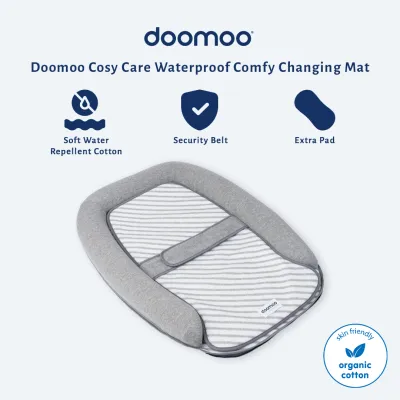
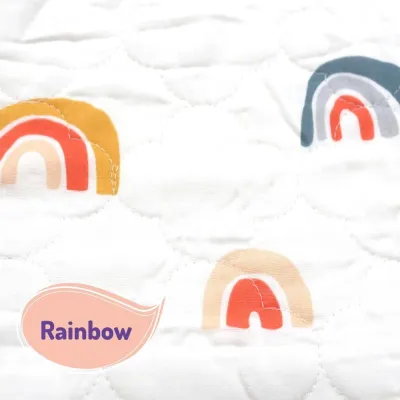
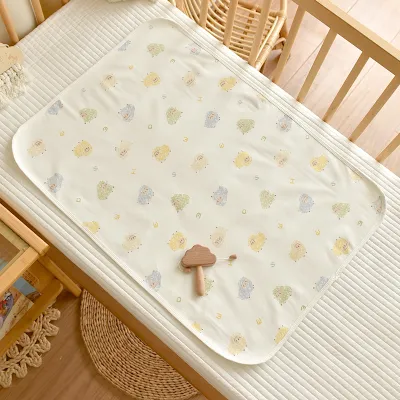
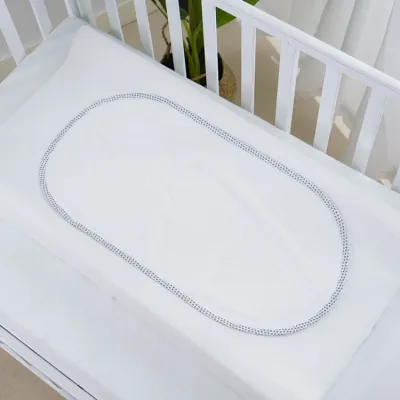
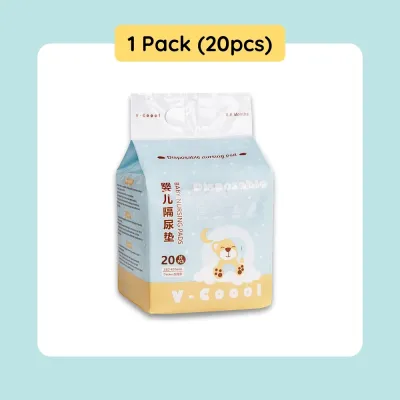
Prices are valid at publication and may change. Please refer to the product page for the latest price.
Comparing Common Waterproof Materials and Coatings
When shopping for a changing mat, you will encounter two primary categories of waterproof surfaces: inherently waterproof synthetic materials and fabric-backed mats with waterproof coatings. Each option offers distinct trade-offs regarding texture, breathability, durability, and ease of maintenance. Understanding these differences allows you to select a surface that aligns with your baby’s skin sensitivity and your cleaning preferences.

It is also important to consider how different materials behave in a warm climate. Some synthetic surfaces can feel sticky or hot against a baby’s bare skin, while others offer a softer, more breathable texture. Regardless of the material type, parents should always check manufacturer labels for material composition and safety certifications to ensure the product is free from harmful chemicals.
Polyurethane (PU) and Thermoplastic Polyurethane (TPU)
Polyurethane (PU) and Thermoplastic Polyurethane (TPU) are popular choices for parents seeking a softer, more fabric-like feel. These materials are typically applied as a thin, laminated waterproof layer over a polyester or cotton backing. This construction allows the mat to remain highly flexible and quiet, avoiding the crinkly noise associated with stiffer plastics. Because they mimic the drape of traditional fabrics, PU and TPU mats are highly comfortable for babies, reducing the cold, shocking sensation that can occur when laying a child down on a synthetic surface.
While these coatings offer excellent comfort, they require careful handling to maintain their waterproof integrity. Over time, repeated wiping with harsh disinfectants or exposure to high heat can cause the laminated layer to peel, crack, or delaminate from the fabric backing. When evaluating PU or TPU mats, look for high-quality heat-sealed seams rather than stitched seams, as stitching can create tiny needle holes where liquids might eventually seep through. Additionally, verify that the manufacturer specifies the formulation is phthalate-free and non-toxic.
Wipe-Clean PVC, Vinyl, and EVA Foam
Polyvinyl Chloride (PVC) and vinyl are traditional materials used in many classic changing mats due to their absolute waterproof capabilities and low cost. These solid synthetic surfaces are completely non-porous, meaning liquids pool on top and can be wiped away with minimal effort. However, standard PVC can sometimes have a firm, stiff texture and may release a distinct plastic odor when new. To ensure safety, parents should look for PVC mats explicitly labeled as non-toxic and free from harmful phthalates, which are plasticizers sometimes used to soften vinyl.
Ethylene-Vinyl Acetate (EVA) foam is a modern, lightweight alternative that has gained popularity for its cushioned, sealed-cell structure. Unlike open-cell foams that can absorb water like a sponge if the outer cover is punctured, EVA foam is inherently waterproof throughout its entire structure. This means even if the surface suffers a minor scratch, the mat will not absorb liquids or harbor bacteria. When choosing synthetic mats, inspect the edges and seams regularly; cheap heat-welding can split over time, creating sharp edges or opening gaps where moisture can enter the inner cushioning.
Core Features to Evaluate for Daily Use
To ensure a changing mat is practical for daily use, several design elements should be carefully evaluated. First, consider the edge design of the mat. Many stationary mats feature raised, contoured edges—often in a two-sided or three-sided wedge shape—which help keep the baby centered and prevent them from rolling off the sides. While these contours provide a helpful physical boundary, they are not a substitute for active supervision; caregivers must always keep a hand on the baby during changes.
Portability is another crucial factor, especially for families navigating Singapore’s active lifestyle. If you frequently travel, visit shopping malls, or spend time outdoors, a foldable or roll-up travel mat is indispensable. Look for compact designs that fold into a small clutch, feature integrated carrying handles, or include straps to attach the mat to a stroller. Some travel mats also feature small pockets to hold a diaper and a travel pack of wipes, turning the mat into a self-contained changing station.
Finally, stability is essential for preventing accidents during diaper changes. A changing mat that slides around on a smooth wooden table or dresser can be highly dangerous. Look for mats equipped with non-slip rubberized bases, silicone grip dots, or safety straps that secure the mat directly to the changing table. If you plan to use the mat on multiple surfaces around the home, a heavy, stable base or a highly effective non-slip backing is particularly important to ensure the mat stays firmly in place.
Safety, Comfort, and Manufacturer Checks
Your baby’s comfort and safety should guide every purchasing decision. When evaluating a changing mat, assess the thickness and density of the inner cushioning. A mat that is too thin will bottom out under the baby’s weight, leaving their head and spine resting against a hard surface. High-density foam or thick polyester padding provides the necessary support to keep your baby comfortable and calm during changes, which can make the process much smoother for parents.
Safety standards are dynamic and vary by region, so it is vital to check product packaging for recognized certifications. Look for labels indicating compliance with international safety standards, such as EN 71 (European toy safety standard, which regulates chemical migration) or CPSIA (Consumer Product Safety Improvement Act). These certifications help verify that the materials used are free from heavy metals, lead, flame retardants, and harmful plasticizers.
Before using any new mat, conduct a physical inspection of the product. Ensure there are no small detachable parts, such as loose buttons or decorative elements, which could pose a choking hazard. Check that zippers are covered or recessed, and that seams are smooth to prevent scratching your baby’s delicate skin. Lastly, establish a routine of inspecting the mat weekly; if you notice any punctures in the waterproof layer, exposed inner foam, or peeling coatings, stop using the mat immediately to prevent bacterial contamination.
Matching the Mat to Your Changing Routine and Space
Selecting the right changing mat depends heavily on your home layout, nursery space, and daily routine. For homes with a dedicated nursery and a stationary changing table, a thick, contoured foam mat is often the best choice. These mats are designed to remain in one place, offering maximum cushioning, high side barriers, and a stable base. They provide a consistent, secure environment for every diaper change at home, though they are too bulky to be moved from room to room easily.
If you live in a compact apartment or prefer a minimalist setup, a foldable, lightweight, or roll-up mat offers greater flexibility. These mats can be easily stored in a drawer, hung on a hook, or tucked behind a door when not in use. They allow you to turn any flat surface—such as a bed, dining table, or floor—into a temporary changing station, and can be packed into a diaper bag for outings. This versatility is highly practical for families who do not want a large piece of furniture dedicated solely to diaper changes.
Some parents prefer multi-functional mats that serve more than one purpose. For example, larger, flat waterproof mats can double as play mats, tummy time surfaces, or protective covers for sensory play. When choosing a multi-functional mat, ensure that the aesthetic design fits your home decor while maintaining its primary wipe-clean functionality. Neutral colors and modern patterns can blend seamlessly into your living space without compromising on the practical, waterproof benefits.
Cleaning, Maintenance, and When to Replace
Proper care is essential to maintain the waterproof integrity and hygiene of your changing mat over time. For daily maintenance, wipe the surface down after every use with a damp cloth and a mild, baby-safe soap or alcohol-free baby wipes. This removes surface oils and residues before they can build up or cause odors. Avoid using harsh household disinfectants, bleach, or abrasive scrubbers, as these can break down waterproof coatings, crack vinyl, or cause colors to fade.
Periodic deep cleaning should be carried out according to the manufacturer’s specific instructions. Some fabric-backed mats with PU or TPU coatings are machine washable on a gentle cycle, but they should generally be air-dried rather than placed in a hot dryer, as high heat can melt or delaminate the waterproof layer. For solid synthetic mats, a thorough wipe-down with a diluted vinegar solution can help eliminate lingering odors naturally without damaging the material.
Regularly inspect the entire mat, paying close attention to the seams, corners, and the underside. In Singapore’s humid climate, mold can easily grow in hidden crevices or on the bottom of the mat if it is left on a damp surface. Ensure the mat is completely dry before folding it or placing it back on a changing table. If you discover persistent mold that cannot be cleaned, split seams that expose the inner foam, or a severely degraded waterproof coating, it is time to replace the mat to ensure your baby’s safety and hygiene.
Frequently Asked Questions (FAQ)
Can I use a regular towel or blanket instead of a waterproof changing mat?
While a towel or blanket can provide a soft surface, they lack a waterproof barrier and will quickly absorb any liquid spills or accidents. This means moisture can easily seep through the fabric and damage the underlying furniture or mattress. Additionally, using non-waterproof layers increases your laundry load significantly, as the entire towel or blanket must be washed after every accident, whereas a waterproof mat can simply be wiped clean and reused immediately.
Are waterproof changing mats safe for newborn skin?
Yes, high-quality waterproof changing mats are safe for newborns, provided you verify that the materials are free from harmful chemicals. Always check product labels for certifications such as OEKO-TEX Standard 100, which ensures the textile components have been tested for harmful substances. If your baby has extremely sensitive skin or if direct contact with synthetic materials causes sweating or mild irritation, you can place a breathable, washable cotton cover or a soft muslin swaddle over the mat during changes.

Community discussion
Share your experience or ask a question. Comments are reviewed before publication.