
Selecting the right laundry detergent for your baby is one of the most critical early decisions you will make to protect their delicate skin barrier. In Singapore’s warm, humid climate, infants sweat frequently, making clean, residue-free clothing essential for preventing heat rash, eczema flare-ups, and contact dermatitis. Many parents turn to Japanese baby detergents, which are highly regarded for their focus on gentle ingredients, high rinseability, and meticulous formulation standards. However, navigating the wide array of imported options requires understanding what makes these products unique and how to verify their safety for your child’s specific developmental stage.
A baby’s skin is significantly thinner and more permeable than an adult’s, meaning it absorbs substances more readily and is highly susceptible to irritation from harsh chemicals. Standard household detergents often contain optical brighteners, synthetic fragrances, and strong surfactants designed to lift heavy stains, but these can remain trapped in fabric fibers and rub off onto your baby’s skin. By understanding the specific characteristics of trusted Japanese formulations, learning how to decode import labels, and matching the detergent to your baby’s age and skin condition, you can confidently select a product that keeps your little one’s clothes clean, soft, and completely safe to wear.
What Defines a Trusted Japanese Baby Detergent?
To identify a reliable Japanese baby detergent, you must look beyond attractive packaging and focus on the core formulation standards that define high-quality infant laundry products. The primary function of any detergent is to remove dirt and oils, but for babies, this must be achieved using exceptionally mild cleansing agents. Trusted Japanese brands typically utilize plant-derived surfactants, such as those sourced from coconut or palm oil, or traditional potassium soap bases. These surfactants are highly effective at breaking down organic matter like breast milk and spit-up, yet they lack the aggressive, skin-stripping properties of synthetic anionic surfactants commonly found in conventional adult detergents.
Products mentioned in this guide
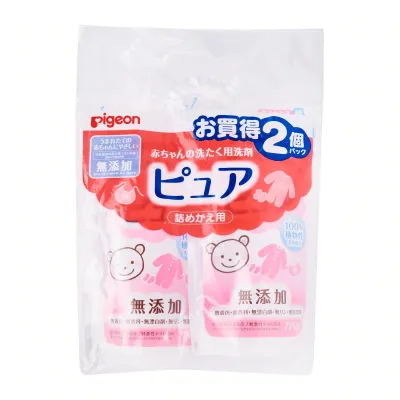
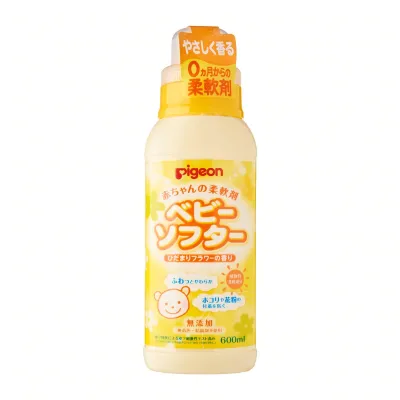
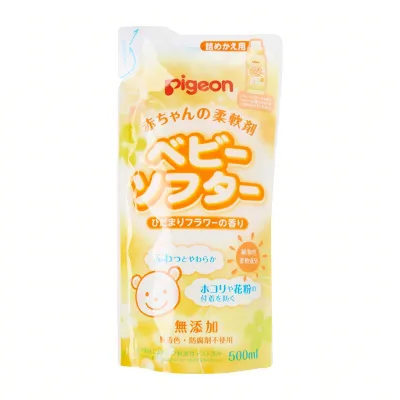
Prices are valid at publication and may change. Please refer to the product page for the latest price.
Another defining characteristic of trusted Japanese baby detergents is their exceptional rinseability. In Singapore, where the tap water is naturally soft, detergents lather very easily. While a rich lather may seem satisfying, it can be difficult to rinse out completely from tightly woven cotton fabrics. Japanese manufacturers place a strong emphasis on easy-rinse technology, ensuring that the detergent molecules detach from fabric fibers quickly and completely during the rinse cycle. This is a crucial safety feature, as any soap residue left on clothing can mix with your baby’s sweat in Singapore’s humid environment, leading to friction-induced irritation, clogged pores, and localized rashes.
The pH balance of the detergent is also a critical consideration. A newborn’s skin barrier is still developing, transitioning from a neutral pH at birth to a slightly acidic pH over the first few weeks of life. This acidic environment, known as the acid mantle, helps protect the skin against harmful bacteria and environmental irritants. Trusted Japanese baby detergents are formulated to be pH-neutral or slightly acidic, ensuring they do not disrupt this fragile natural barrier.
Finally, fragrance and dye policies are strictly managed in reputable infant formulations. While some Japanese brands offer completely unscented options—which are highly recommended for newborns and babies with extremely sensitive skin—others use very mild, food-grade, or naturally derived botanical scents. These are formulated to be free from synthetic musks and phthalates, which are common allergens and endocrine disruptors. By prioritizing high rinseability, mild plant-based surfactants, neutral pH, and clean fragrance profiles, trusted Japanese brands provide a safe and gentle laundry solution for growing families.
How to Read Labels and Verify Gentle Ingredients
Reading and understanding the labels on imported Japanese baby detergents is essential for verifying product safety and ensuring you are not relying solely on marketing claims. When examining a product, your first step should be to identify the active cleansing agents. Look for mild, plant-derived surfactants such as alkyl glycosides or potassium cocoate. Conversely, you should actively check for and avoid harsh sulfates like sodium lauryl sulfate (SLS), sodium laureth sulfate (SLES), and ammonium lauryl sulfate (ALS). These strong degreasers are highly efficient at removing heavy grease but are far too harsh for an infant’s delicate skin barrier.

Next, inspect the label for the absence of optical brighteners, also known as fluorescent whitening agents. These chemical compounds are designed to remain on fabric fibers after washing, absorbing ultraviolet light and reflecting blue light to make clothes appear whiter and brighter. While they create the illusion of cleanliness, optical brighteners do not actually clean the fabric; instead, they remain in constant contact with your baby’s skin, which can trigger allergic reactions and contact dermatitis. Similarly, ensure the formulation is free from phosphates, which are environmentally damaging, and synthetic preservatives such as parabens, phenoxyethanol, and methylisothiazolinone (MIT).
Understanding Japanese labeling conventions can help you make more informed choices, especially when shopping in specialty stores. A common term you will encounter on Japanese packaging is mutenka, which translates to “additive-free.” While this is a positive indicator, it is important to note that mutenka is not a legally standardized term. A product labeled as mutenka might be free of synthetic colorants but may still contain synthetic fragrances or preservatives. To verify exactly what has been excluded, look for specific callouts on the packaging, such as “free from optical brighteners, synthetic fragrances, and silicones.”
Fortunately, authorized imports in Singapore are typically required to carry a localized English sticker detailing the full ingredient list, importer contact information, and usage instructions. Always read this sticker carefully to verify the ingredients and check for any age-appropriateness indicators. Some formulations are specifically marked as suitable from birth, while others are designed for older infants and toddlers. Taking the time to decode these labels ensures that you select a product that aligns perfectly with your safety standards.
Matching the Formulation to Your Baby's Skin and Age
As your baby grows, their skin barrier matures, and their daily activities change, which in turn alters their laundry requirements. Matching the detergent formulation to your baby’s specific developmental stage and skin condition is key to maintaining both clean clothes and healthy skin.
During the newborn phase, your baby’s skin is incredibly delicate, up to 30% thinner than adult skin, and highly permeable. This is also the period when the umbilical cord area is healing, and the skin is particularly vulnerable to infection and irritation. For newborns, you should prioritize ultra-mild, liquid soap-based formulations that are completely free of fragrances, dyes, and optical brighteners. Liquid detergents are highly recommended over powder alternatives during this stage, as powders can sometimes fail to dissolve fully in cold water, leaving abrasive, microscopic particles trapped in the fabric weave that can chafe against newborn skin.
If your baby has sensitive skin or is prone to conditions like eczema or atopic dermatitis, your selection criteria must be even stricter. Eczema-prone skin has a compromised barrier that allows moisture to escape and irritants to enter easily. For these babies, look for Japanese detergents that are explicitly labeled as dermatologically tested, hypoallergenic, and free from potential botanical allergens. Even natural ingredients, such as certain essential oils or herbal extracts, can trigger flare-ups in highly sensitive individuals. It is always wise to consult a qualified pediatrician or dermatologist to establish a safe laundry routine if your baby is experiencing active skin irritation.
As your baby transitions into toddlerhood—typically around six months and beyond—their laundry needs will shift dramatically. This stage introduces solid food stains, such as pureed fruits, vegetables, and milk proteins, alongside outdoor dirt from crawling and active play. To tackle these stubborn organic stains, a basic newborn detergent may no longer be sufficient. Look for gentle Japanese formulations designed for older babies that incorporate mild, plant-derived enzymes. Enzymes like protease specifically target protein-based stains, while amylase breaks down starch-based food stains. These formulations provide the necessary cleaning power to keep clothes stain-free while remaining gentle enough to prevent skin irritation during active play.
Where to Buy Authentic Japanese Detergents in Singapore
Ensuring the authenticity of your Japanese baby detergent is crucial for protecting your baby’s health. Because these products are imported, the local market can sometimes feature parallel imports, counterfeit goods, or improperly stored stock that may have degraded over time. To guarantee you are purchasing genuine, high-quality formulations, it is essential to know where to shop and what red flags to look out for.
The safest way to purchase Japanese baby detergents in Singapore is through authorized distributors, official brand stores, or verified flagship shops on major e-commerce platforms. Buying from these official channels ensures that the products have been sourced directly from the manufacturer in Japan and transported under controlled conditions. This is particularly important for liquid detergents, as exposure to extreme heat during shipping and warehousing can break down the preservatives and active ingredients, leading to bacterial contamination or a loss of cleaning efficacy.
If you prefer to shop in person, physical retail options are widely available across Singapore. Specialty baby boutiques, maternity shops, Japanese department stores, and major local supermarket chains frequently stock authorized imports of popular Japanese baby brands. Shopping in a physical store allows you to inspect the packaging firsthand. You can verify that the container is clean, the safety seals are intact, and the mandatory localized English ingredient label is present.
When shopping online, be highly cautious of unauthorized third-party sellers on online marketplaces. While these listings may offer lower prices, they carry significant risks. Red flags include unusually low prices that seem too good to be true, missing local importer details, damaged or faded packaging, or a complete lack of English labeling. Additionally, check the expiration or manufacturing dates if they are visible; expired detergents can lose their stability and become breeding grounds for mold or bacteria, which can cause severe skin reactions. Investing in authentic products from reputable retailers ensures peace of mind and safety for your baby’s laundry.
How to Safely Test and Introduce a New Detergent
Even when you have selected a highly trusted, additive-free Japanese baby detergent, every baby’s skin is unique, and individual sensitivities can still occur. To minimize the risk of a widespread skin reaction, it is highly recommended to follow a safe, step-by-step testing protocol before fully adopting any new laundry product for your baby’s entire wardrobe.
The most effective way to test a new detergent is by performing a localized patch test using a single garment. Select a small, non-essential item that comes into direct contact with your baby’s skin, such as a cotton mitten, a sock, or a small washcloth. Wash this single item separately using the new Japanese detergent, following the manufacturer’s dosage instructions precisely. Once dry, have your baby wear or use the item for a few hours, and closely monitor the skin directly beneath the fabric.
During and after this test period, observe your baby’s skin for any signs of irritation. Key indicators of an adverse reaction include localized redness, dry or rough patches, small raised bumps, hives, or signs of physical discomfort such as scratching or fussiness. If you observe any of these symptoms, discontinue use of the detergent immediately. Gently wash the affected skin with clean, lukewarm water to remove any lingering residues, and consult a qualified healthcare professional or pediatrician if the irritation does not subside or if it worsens.
To further optimize your laundry routine and ensure zero residue, make adjustments to your washing machine settings. Utilizing an extra rinse cycle is highly beneficial in Singapore, as it ensures that every trace of surfactant is thoroughly flushed from the fabric fibers. Always measure the detergent carefully using the provided cap or scoop; using too much detergent is a common cause of residue buildup, regardless of how gentle the formulation is. For heavily soiled items or cloth diapers, washing with warm water can help dissolve oils and ensure a cleaner, residue-free finish.
Frequently Asked Questions (FAQ)
Can I use regular Japanese laundry detergent for my baby's clothes?
It is generally not recommended to use regular adult laundry detergents for your baby’s clothes, even highly regarded Japanese adult brands. Adult detergents are formulated to tackle heavy outdoor stains, synthetic fabric odors, and body oils, meaning they often contain stronger anionic surfactants, optical brighteners, and concentrated synthetic fragrances designed to cling to fabrics. These ingredients can easily irritate a baby’s thin, developing skin barrier. It is safest to stick to dedicated baby formulations until your child is at least one year old, or until their skin barrier has matured.
Do Japanese baby detergents require a fabric softener?
Most trusted Japanese baby detergents are specifically formulated to leave fabrics naturally soft without the need for an additional fabric softener. Fabric softeners work by leaving a thin, chemical coating over fabric fibers to make them feel smooth. This coating can significantly reduce the absorbency and breathability of cotton baby clothes, which is highly counterproductive in Singapore’s humid climate where sweat absorption is crucial. Furthermore, the chemicals used in fabric softeners are common skin irritants. For infant laundry, it is best to skip fabric softeners entirely.

Community discussion
Share your experience or ask a question. Comments are reviewed before publication.