
To find the ideal thick portable mat for outdoor baby activities in Singapore, parents should look for a product that offers a thickness of at least 1 to 2 centimeters, a fully waterproof bottom layer to block ground moisture, and a lightweight, foldable design that fits easily into a stroller basket or car boot. Because Singapore’s tropical climate brings both high humidity and sudden rain, a standard thin picnic blanket rarely provides enough protection or comfort for a developing baby. A dedicated thick portable mat acts as a supportive, hygienic barrier on grass, sand, or park benches, allowing your little one to practice tummy time, crawl, and play safely.
When evaluating options in local or online marketplaces, focusing on material durability, ease of cleaning, and heat resistance will help you select a mat that withstands the elements. Since babies have sensitive skin and a tendency to explore with their mouths, verifying non-toxic material claims is just as important as checking how easily the mat folds up. By understanding the key design features and maintenance requirements, you can find a reliable mat that keeps your family comfortable during outings to the Singapore Botanic Gardens, East Coast Park, or neighborhood green spaces.
Essential Features for Outdoor Comfort and Stability
Cushioning and Thickness for Uneven Ground
When choosing an outdoor mat, the level of cushioning directly impacts your baby’s comfort and safety. Outdoor surfaces like dry grass, sandy beaches, and paved park areas often hide small pebbles, twigs, or hard soil ridges. A mat with a thickness of 1 to 2 centimeters provides a reliable buffer that absorbs these impacts, protecting your baby’s knees, hands, and head during active play.
Products mentioned in this guide
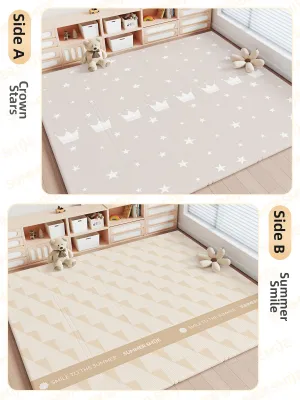
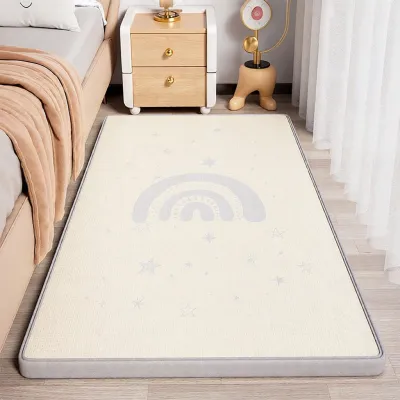
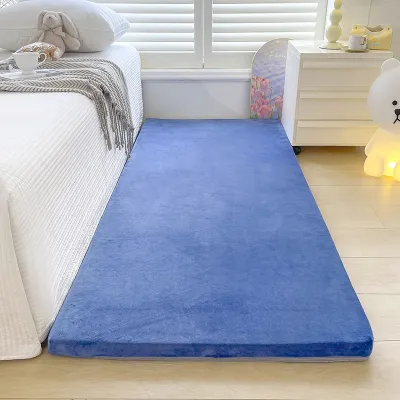
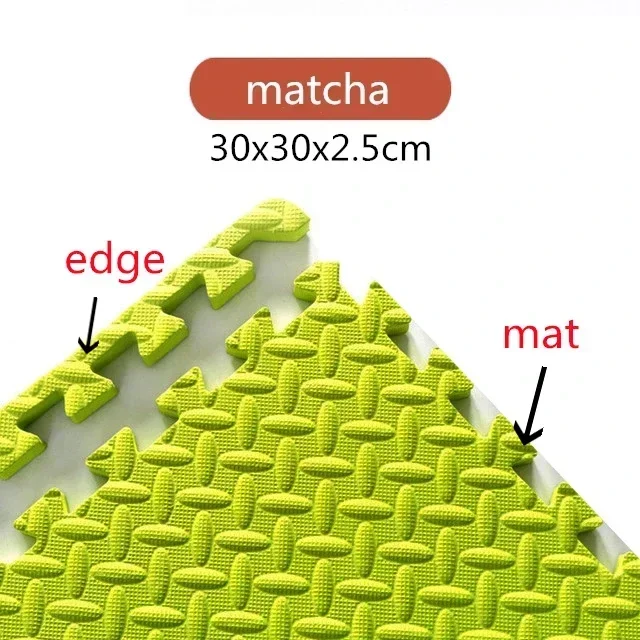
Prices are valid at publication and may change. Please refer to the product page for the latest price.
However, thickness must be balanced with structural stability. A mat that is excessively soft or pillowy can make it difficult for a baby to find purchase when learning to push up, roll over, or crawl. Look for high-density foam materials, such as cross-linked polyethylene (XPE), which offer firm support under pressure. This density ensures the mat remains supportive for sitting and crawling while still cushioning accidental tumbles.
Surface Texture and Slip Resistance
An outdoor mat requires a thoughtful design on both its top and bottom surfaces to ensure safety. The top layer, where your baby sits and plays, should feature a gentle, non-slip texture. Embossed patterns, such as raised grids or textured cross-hatching, help prevent your baby’s hands and feet from slipping when they are practicing motor skills, even if the surface becomes slightly damp from drool or spilled water.
The bottom layer of the mat must address the challenges of outdoor terrain. Grass, smooth pavilion tiles, and wooden decking can be highly slippery. To prevent the mat from sliding when your baby moves or when you step onto it, look for a bottom surface equipped with high-traction patterns, silicone grip dots, or a specialized rubberized coating. This grip keeps the play area stable and secure throughout your outing.
Weather and Moisture Resistance
Singapore’s tropical climate means that even on hot, sunny days, the ground in local parks often retains significant moisture. A standard fabric blanket will quickly absorb this dampness, leading to an uncomfortable experience for your baby and a potential breeding ground for bacteria. Therefore, a highly water-resistant or fully waterproof bottom layer is an absolute necessity for any outdoor mat.
Ideally, both the top and bottom surfaces should repel liquids. A waterproof top layer allows you to quickly wipe away accidental milk spills, baby puree, or outdoor dirt with a simple wet wipe. Materials like thermoplastic polyurethane (TPU) or water-resistant polyester coatings are excellent choices, as they prevent liquids from soaking into the inner foam core, keeping the mat hygienic and dry.
Verifying Material Safety and Outdoor Durability
Reading Product Labels and Certifications
Because your baby will have direct skin contact with the mat for extended periods, verifying the safety of the materials is a top priority. Many products carry labels claiming to be non-toxic, but it is essential to look for specific chemical exclusions. Ensure the manufacturer explicitly states that the mat is free from bisphenol A (BPA), phthalates, lead, formaldehyde, and polyvinyl chloride (PVC).

Since safety standards and certifications can change, treat these claims as items to verify directly through the manufacturer’s official documentation or user manuals. Look for compliance with recognized international toy safety standards, such as EN71 in Europe or ASTM F963 in the United States. Checking these details on the brand’s official website provides peace of mind before you make a purchase.
Heat Retention in Tropical Climates
Singapore’s intense afternoon sun can cause outdoor gear to heat up rapidly. Synthetic materials react differently to direct sunlight, and some can absorb and retain heat to an uncomfortable or even dangerous degree. Before placing your baby on any mat that has been sitting in the sun, always test the surface temperature with the back of your hand.
To minimize heat retention, look for mats made from materials that do not easily conduct heat, such as high-quality XPE foam. Some mats also feature light-colored or reflective designs that help deflect sunlight rather than absorbing it. Always check the manufacturer’s guidelines regarding outdoor heat exposure, and try to position your mat in shaded areas under trees or park pavilions whenever possible.
Allergen and Irritation Checks
Babies with sensitive skin, eczema, or allergies require extra care when interacting with synthetic outdoor surfaces. Rough textures, harsh chemical dyes, or accumulated outdoor allergens like pollen and grass can trigger skin irritation. Opting for hypoallergenic materials that are smooth to the touch can help minimize these risks.
If your baby has highly sensitive skin, it is wise to perform a brief patch test before committing to a long afternoon on a new mat. Allow your baby to rest their bare arms or legs on the mat for a few minutes at home, then check for any signs of redness or irritation. If you notice any unusual skin reactions, stop using the mat immediately and consult a qualified pediatrician.
Balancing Thickness With Portability and Storage
Folding versus Rolling Mechanisms
Achieving the perfect balance between a thick, comfortable cushion and a highly portable design is one of the biggest challenges when shopping for an outdoor mat. The two primary designs available are accordion-folding mats and roll-up mats, each offering distinct advantages for transport.
Accordion-folding mats feature pre-creased lines that allow the mat to fold flat into a neat, compact rectangular block. This design is highly efficient for packing, as it can easily slide into a stroller basket, stack flat in a car boot, or stand upright in a closet. Roll-up mats, while often quicker to deploy on the ground, tend to remain bulky when rolled and can be more challenging to pack tightly alongside other baby gear.
Weight and Carrying Options
A thick mat does not have to be heavy. Modern lightweight foams, such as expanded polyethylene (EPE) or XPE, provide excellent cushioning while keeping the overall weight of the mat remarkably low. When comparing options, check the product specifications for the exact weight to ensure it is manageable alongside your diaper bag, stroller, and other essentials.
To make transport easier, look for mats that include built-in carrying features. Some folding mats come with integrated fabric handles or adjustable shoulder straps that keep the mat securely closed during transit. Alternatively, look for products that come with a dedicated, breathable travel bag, which protects the mat from dirt during transport and makes it much easier to carry over your shoulder.
Compactness and Stroller Compatibility
Before purchasing a thick portable mat, it is highly practical to measure its folded or rolled dimensions against your daily travel gear. A mat that appears compact in online photos might turn out to be too wide to fit into your stroller’s under-seat storage basket or too bulky to carry comfortably on public transport.
Compare the manufacturer’s folded dimensions with the space available in your stroller basket or your car’s boot. If you frequently travel by bus or MRT, prioritize ultra-compact folding designs that can be carried hands-free. Ensuring the mat fits seamlessly into your existing travel routine will make you much more likely to use it regularly for outdoor adventures.
Building Your Shortlist: Matching Mat Styles to Your Routine
For Frequent Park Visits
If your routine involves quick, daily trips to nearby neighborhood parks or playgrounds, your primary focus should be on speed and convenience. For these short outings, a lightweight, medium-thickness folding mat (around 1 cm thick) is often the most practical choice. These mats can be unfolded in seconds and wiped clean just as quickly.
Because these trips are frequent, look for a mat with a highly durable outer protective film that can withstand repeated contact with slightly rougher park grass or concrete paths. A quick-fold design with an attached carrying strap allows you to pack up instantly if a sudden tropical shower begins, keeping your transition from park to home hassle-free.
For Extended Picnics and Family Gatherings
For weekend picnics at major parks where you plan to spend several hours outdoors, comfort and surface area become the top priorities. In these scenarios, look for a larger mat (such as 150 cm by 200 cm or larger) with a thickness closer to 1.5 cm or 2 cm. This extra space and cushioning ensure that both your baby and accompanying family members can sit comfortably.
Since these gatherings often involve food, drinks, and baby bottles, prioritize mats with superior spill resistance on the top layer. Aesthetic designs that blend beautifully with natural outdoor settings can also enhance the picnic experience, creating a welcoming and comfortable outdoor living room for your family and friends.
For Travel and On-the-Go Use
If you are traveling light, navigating crowded spaces, or taking public transport, you will need to prioritize compactness over maximum thickness. For these situations, look for ultra-compact folding mats that utilize thin but high-density foam cores. While these mats may only offer around 0.5 cm to 1 cm of cushioning, they provide a clean, dry, and reliable barrier that folds down small enough to fit inside a standard backpack.
These travel-friendly mats are ideal for quick stops, airport layovers, or unexpected outdoor play opportunities. They sacrifice some of the plush cushioning of thicker home-use mats but excel at providing immediate hygiene and moisture protection wherever your travels take you.
Candidate Evaluation Checklist
To help you organize your search and compare different products, use the following checklist template to evaluate each candidate mat against your family’s specific needs:
- Thickness Check: Is the mat between 1 cm and 2 cm thick for adequate cushioning on hard ground?
- Waterproof Rating: Does the mat feature a fully waterproof bottom layer to block soil moisture?
- Folded Dimensions: Will the folded mat fit comfortably inside your stroller basket or car boot?
- Weight: Is the mat light enough to carry comfortably alongside your baby and diaper bag?
- Material Safety: Have you verified that the product is free from BPA, phthalates, and PVC?
- Cleaning Method: Can the surface be easily wiped clean with mild soap and water?
Cleaning and Maintaining Your Mat After Outdoor Use
Routine Cleaning After Park Visits
To keep your portable mat hygienic and prolong its lifespan, establish a consistent cleaning routine after every outdoor excursion. Start by shaking the mat vigorously to remove loose grass, sand, and dry soil. Once the loose debris is gone, wipe down the entire surface with a soft cloth dampened with warm water and a mild, baby-safe soap.
Avoid using harsh chemical cleaners, bleach, or abrasive scrubbing brushes, as these can degrade the waterproof coatings and damage the foam structure. If the mat has stubborn dirt or mud spots, let the mild soapy water sit on the area for a minute before gently wiping it away with a microfiber cloth.
Deep Cleaning and Drying in Humid Climates
Singapore’s high humidity levels mean that any trapped moisture can quickly lead to the growth of mold and mildew. If your mat gets thoroughly wet from a sudden downpour, a spilled bottle, or a deep rinse after a beach trip, it is crucial to dry it completely before folding it away for storage.
After washing or rinsing the mat, hang it up or lay it flat in a well-ventilated indoor area away from direct sunlight. Ensure both the top and bottom surfaces are completely dry to the touch, paying close attention to the folding creases where moisture tends to pool. Never store a damp mat, as mold can ruin the material and create an unhealthy environment for your baby.
Proper Storage Conditions
When your mat is not in use, store it in a cool, dry indoor location. Avoid leaving the mat in hot, enclosed spaces for extended periods, such as the boot of a car parked in the sun or an outdoor balcony. Extreme heat can cause synthetic foams to warp, lose their cushioning properties, or cause the outer protective layers to peel.
Storing the mat flat or folded according to its natural creases will help preserve its structural integrity. By protecting the mat from extreme temperatures and moisture during storage, you ensure that it remains clean, supportive, and ready for your next family adventure.
Frequently Asked Questions (FAQ)
Can I use an indoor play mat for outdoor activities?
While it may be tempting to bring your baby’s indoor play mat outside, doing so is generally not recommended. Indoor mats are typically designed for smooth, flat surfaces and often lack the heavy-duty waterproof bottom layers and UV-resistant coatings required for outdoor use. Using them on grass or concrete can lead to punctures from sharp twigs, water damage from ground moisture, and rapid fading or material degradation from sun exposure.
How do I clean a thick mat after it gets muddy or sandy?
To clean a muddy or sandy mat, first shake it thoroughly or use a soft-bristled dry brush to sweep away loose sand and dried dirt. Next, wipe down the affected areas with a damp cloth and mild, baby-safe soap. For stubborn mud, rinse the surface gently with cool water, taking care not to submerge the mat if the manufacturer advises against it, and then wipe it dry with a clean towel before letting it air-dry completely.

Community discussion
Share your experience or ask a question. Comments are reviewed before publication.