
Finding a reliable swimming wet bag is essential for parents managing frequent pool visits, beach outings, or infant swim classes. In Singapore’s warm climate, water activities are a year-round staple, making a high-quality wet bag a necessity rather than a luxury. While many products on the market claim to be waterproof, their actual performance varies significantly when tasked with holding saturated swimsuits, damp towels, and wet swim diapers. A poor choice can lead to moisture seeping through the fabric, ruining other items in your diaper bag or leaving damp patches on your car seats.
To find the best swimming wet bag for your family, you must look beyond basic marketing labels and evaluate the structural elements that prevent leaks. The ideal bag must balance reliable waterproofing with adequate capacity to handle your specific volume of gear. This guide provides a detailed breakdown of how to assess waterproof materials, calculate your capacity needs, compare different bag styles, and maintain your bag’s integrity over time.
How to Verify True Waterproof Performance
When shopping for a swimming wet bag, the first step is understanding the difference between water-resistant and waterproof materials. Many budget-friendly bags feature a water-resistant outer shell made of polyester or nylon treated with a water-repellent coating. While this coating can repel light splashes, it is not designed to contain fully saturated swim gear. For true leak protection, the bag must feature an internal waterproof lining made of Polyurethane Laminate (PUL) or Thermoplastic Polyurethane (TPU). These materials are membranes thermally bonded to the fabric, creating an impermeable barrier that keeps moisture locked inside. PUL is highly durable and withstands frequent washing, while TPU is often favored for being lightweight and flexible.
Products mentioned in this guide

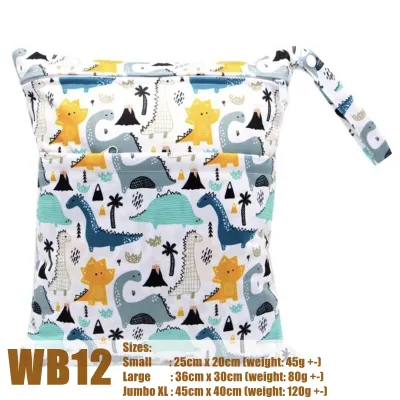
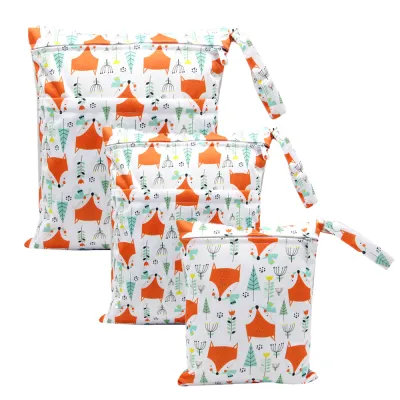
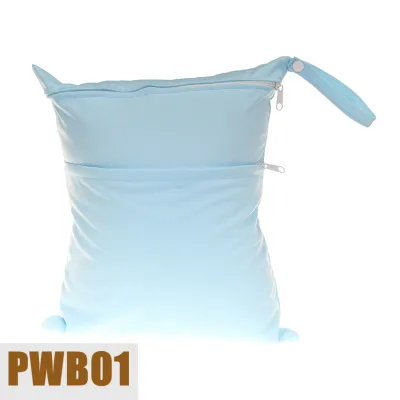
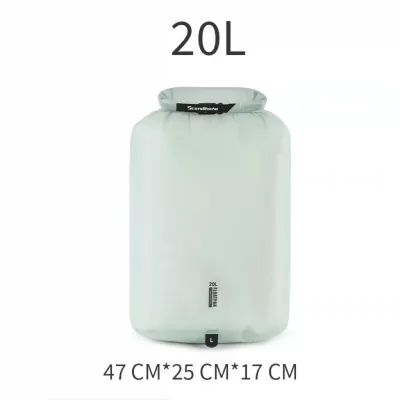
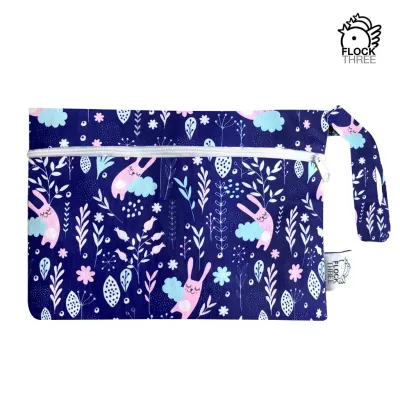
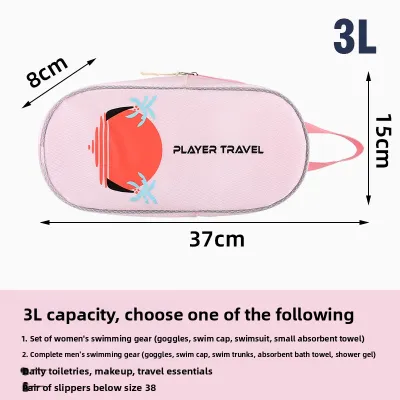
Prices are valid at publication and may change. Please refer to the product page for the latest price.
Even the highest-quality waterproof fabric will fail if the bag’s seams are poorly constructed. Standard sewing methods use needles that puncture the waterproof membrane, leaving thousands of microscopic holes along the seams. When wet swimsuits or heavy, damp towels press against these stitched seams, water will slowly wick through the holes and leak onto surrounding items. To prevent this, look for wet bags that feature taped, welded, or heat-sealed seams. These construction methods use heat and pressure to seal the needle holes or fuse the fabric edges together, ensuring a completely continuous waterproof barrier.
The zipper is another common point of failure for wet bags. Standard nylon coil zippers allow water to pass easily between the teeth. If you plan to carry highly saturated items, look for bags equipped with water-resistant zippers, which feature a protective polyurethane coating over the zipper teeth to block moisture. Alternatively, some swim-specific bags utilize a roll-top closure design similar to outdoor dry bags. This design requires you to roll the top of the bag down several times and secure it with a buckle, creating a highly reliable seal that prevents water from escaping even if the bag is squeezed or compressed.
Matching Capacity and Design to Your Swim Load
Choosing the right capacity requires a realistic assessment of your typical swim load. A single infant swimsuit and a small microfiber washcloth require very little space, easily fitting into a small pouch. However, the volume increases dramatically when you add thick cotton hooded towels, change of clothes, goggles, swim toys, and wet swim diapers. If you have multiple children, a standard flat pouch will quickly become overstuffed, putting excessive strain on the seams and zippers, which can lead to premature wear or tearing.

The physical shape of the wet bag plays a significant role in how much gear it can comfortably hold. Flat, rectangular pouches are highly packable and work well for flat items, but they struggle to accommodate bulky, three-dimensional objects. For larger swim loads, look for gusseted or bucket-style wet bags. A gusseted bottom allows the bag to expand outward, creating a flat base that stands upright. This design easily accommodates thick, rolled-up towels and bulky swim diapers without stretching the fabric or putting pressure on the zipper.
Another critical design feature to consider is the separation of wet and dry items. Carrying separate bags for clean clothes and wet gear can be cumbersome. Dual-compartment wet bags solve this problem by offering two distinct pockets within a single bag. Typically, one pocket is lined with waterproof PUL or TPU for wet swimsuits, while the other pocket is made of standard fabric or mesh for dry clothes, clean diapers, and dry snacks. This configuration ensures that your clean items remain completely dry and hygienic, isolated from the damp, chlorinated environment of the wet compartment.
Comparing Wet Bag Styles for Different Pool Routines
Different family routines require different wet bag configurations. For parents with a single child enrolled in a quick weekly swim class, a standard pouch-style wet bag is often the most practical choice. These pouches are lightweight, compact, and designed to slip easily into your primary diaper bag or backpack. They provide just enough space for a wet swimsuit and a small travel towel, making them perfect for quick transitions where you plan to bathe and change your child fully once you return home.
For families with multiple children, or those who spend extended hours at public swimming complexes or beach parks, a larger multi-compartment bag or a wet bag backpack is highly beneficial. These larger bags offer the capacity needed to hold multiple heavy, wet towels and change of clothes. Backpack-style wet bags feature adjustable shoulder straps, allowing you to carry the heavy load comfortably on your back. This hands-free carrying option is incredibly valuable for parents who need to push a stroller, hold a toddler’s hand, or carry additional gear like pool toys and coolers.
Usability in public changing areas is another important factor to consider. Public pool changing rooms often have wet floors and limited bench space, making it difficult to find a clean, dry spot to place your bag. Look for wet bags equipped with snap-button handles or adjustable straps. These features allow you to hang the bag securely from a stroller handlebar, a changing room hook, or a pool fence. Keeping the bag suspended off the floor protects it from dirt and pool water, ensuring a more hygienic experience for you and your child.
Decision Framework: Choosing the Right Wet Bag
To select the right swimming wet bag, consider your specific usage patterns and maintenance preferences. If your routine consists of quick, single-child swim lessons where you only need to pack one swimsuit and a light towel, a compact, single-compartment pouch (typically around 30cm x 40cm) is the most efficient and cost-effective option. It takes up minimal space in your diaper bag and is easy to clean and dry.
If you manage swim gear for multiple children, pack thick towels, or require strict separation of wet and dry items, opt for a large, gusseted, or dual-compartment wet bag (typically 40cm x 50cm or larger). This style provides the necessary volume to prevent overstuffing and ensures that clean, dry clothes remain completely isolated from wet gear.
Before making a final purchase, always verify the care label on the wet bag. Because swim bags regularly come into contact with chlorine, salt water, and dampness, they require frequent washing to prevent bacteria growth and odors. Ensure the bag is machine washable and can withstand regular cleaning cycles. Avoid bags that require tedious hand-washing, as this can quickly become a chore in a busy parenting routine. Expect to budget between S$15 and S$40 for a high-quality, durable wet bag that meets these standards.
Maintaining Waterproof Integrity Over Time
To ensure your swimming wet bag remains leak-proof for years, proper care and maintenance are essential. Always follow the manufacturer’s washing instructions strictly. Most wet bags should be washed on a gentle cycle with cold or warm water. Avoid using hot water, as high temperatures can cause the waterproof TPU or PUL lining to delaminate, peeling away from the outer fabric and destroying the bag’s waterproof capabilities.
The choice of detergent also impacts the longevity of the waterproof membrane. Use a mild, liquid detergent and avoid harsh chemicals, bleach, and fabric softeners. Fabric softeners leave a residue on the fabric that can clog the pores of the waterproof membrane, reducing its effectiveness over time. Additionally, never iron your wet bag, as the direct heat will instantly melt the internal waterproof lining.
Proper drying is critical to prevent mold, mildew, and lingering odors, which thrive in warm, humid environments. After washing, turn the wet bag completely inside out and hang it to air-dry in a well-ventilated area away from direct, intense sunlight. Avoid putting the bag in a high-heat clothes dryer, as the tumbling heat can crack the waterproof lining and degrade the seam tape. Ensure the bag is entirely dry, especially along the seams and corners, before folding it away for storage.
Frequently Asked Questions (FAQ)
Can I use a standard diaper wet bag for swimming gear?
While standard diaper wet bags and swimming wet bags often use similar waterproof linings like PUL or TPU, they are designed for different moisture levels. Diaper wet bags are constructed to contain dampness from soiled cloth diapers or clothes, whereas swimming wet bags must handle fully saturated, dripping swimsuits and heavy, wet towels. A standard diaper wet bag may lack the sealed seams or water-resistant zippers needed to prevent leaks when filled with dripping swim gear. If you choose to use a diaper wet bag for swimming, ensure you wring out the swimsuits thoroughly first, or opt for a larger, swim-specific bag with heat-sealed seams.
How do I test if a wet bag is truly waterproof before using it?
You can easily test your wet bag’s waterproof integrity at home before taking it to the pool. Turn the bag inside out, fill it with a small amount of water in your sink or bathtub, and gently squeeze it. Observe if any water seeps through the seams or the zipper teeth. Alternatively, place a dry paper towel inside the bag, zip it shut, and spray the outside of the bag thoroughly with water. Open the bag and inspect the paper towel; if it remains completely dry, the waterproof barrier, seams, and zippers are intact and ready to protect your gear.

Community discussion
Share your experience or ask a question. Comments are reviewed before publication.