
When transitioning your toddler to independent drinking, selecting the right cup with straw involves more than just picking a favorite color. The ideal choice balances material safety, effective spill prevention, and practical hygiene maintenance. This guide breaks down the essential specifications and design features you need to evaluate, helping you match the cup’s functionality to your child’s developmental stage and your daily cleaning routine.
Checking Material Safety and Durability Labels
Start by emphasizing the importance of reading the physical packaging and product labels. Look for clear declarations indicating the cup is food-grade and free from Bisphenol A (BPA) and Bisphenol S (BPS). Because chemical formulations and safety standards can vary, verifying these labels on the specific product packaging is a crucial first step before purchase.
The choice of material directly impacts how the cup handles daily wear and tear. Silicone cups are highly flexible, soft on developing gums, and virtually unbreakable when dropped from a high chair, though they can sometimes retain food odors if not washed promptly. Stainless steel options offer excellent durability and can keep water cool in warm climates, but they are significantly heavier and may be harder for younger toddlers to lift. Hard plastics, such as Tritan, offer a lightweight and clear alternative that lets you monitor liquid levels, though they can crack under heavy impact.
Products mentioned in this guide
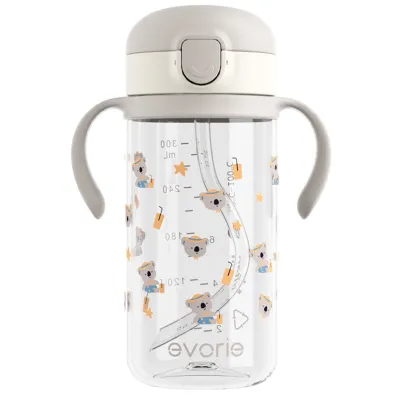
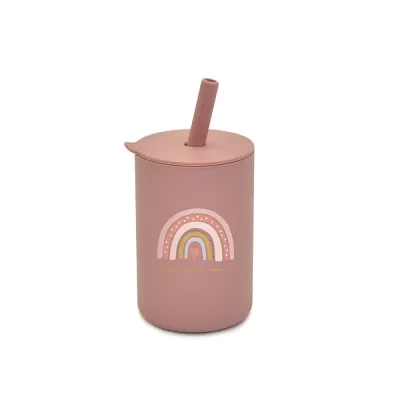
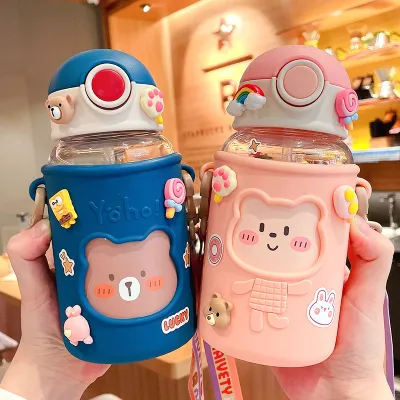
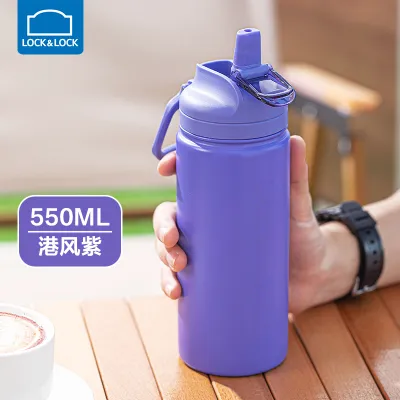
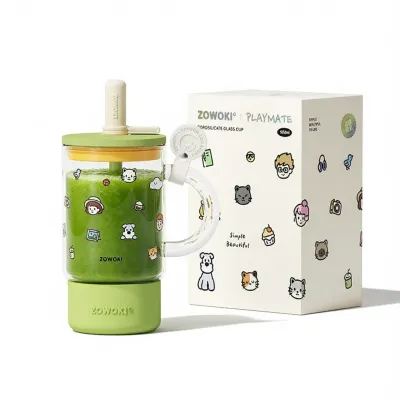
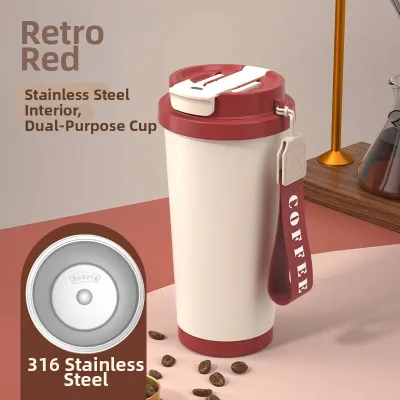
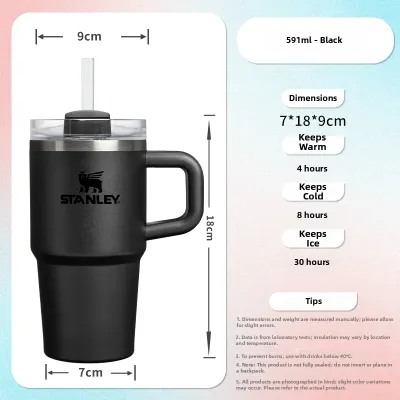
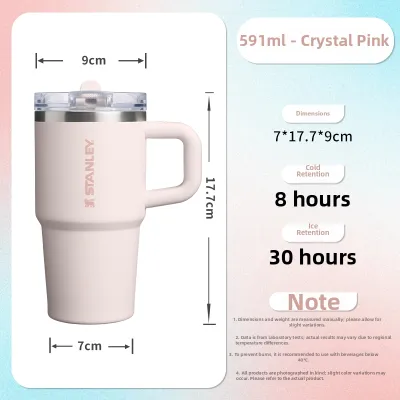
Prices are valid at publication and may change. Please refer to the product page for the latest price.
Always check the manufacturer’s printed age and developmental stage recommendations on the box. These guidelines are calibrated to typical oral motor skills and physical strength, helping you avoid cups that might flow too quickly or be too heavy for your child’s current stage. Caregivers should always supervise toddlers during use to ensure safe drinking habits.
Understanding Spill-Proof Mechanisms and Valve Types
Spill prevention is a major priority for parents, but the mechanism used to stop leaks also affects how hard your toddler has to work to get a drink. Bite-activated valves require the child to pinch the straw with their teeth or lips to open the pathway, which is highly effective at preventing leaks but can frustrate toddlers who are accustomed to a free-flowing straw. Slit valves open under simple suction, offering a middle ground that limits spills while requiring less physical effort to drink.

Open straws have no valve mechanism at all, allowing liquid to flow freely with minimal suction. While open straws are excellent for teaching natural drinking habits and are often recommended by speech therapists, they offer zero spill protection if the cup is tipped over or dropped. Evaluating your child’s frustration tolerance and oral coordination will help you decide which valve type strikes the right balance.
Before committing to a specific cup with straw, verify whether the manufacturer sells replacement straws and valves separately. Toddlers frequently bite down on silicone straws, leading to wear and tear that compromises the spill-proof seal. Being able to purchase replacement parts extends the lifespan of the cup without requiring you to buy an entirely new unit.
Evaluating Ease of Cleaning and Hygiene
A cup that is difficult to clean quickly becomes a breeding ground for mold and bacteria. When evaluating a cup with straw, look closely at how many individual parts make up the lid and straw assembly. Designs that feature multiple small, interlocking silicone pieces or complex internal valves require meticulous disassembly and manual scrubbing to keep hygienic.
Check the manufacturer’s instructions to verify if the cup is labeled dishwasher-safe and note any specific temperature limits. Some plastics and silicone parts can warp or degrade if exposed to high-heat sterilization cycles or boiling water. If you prefer to sterilize your toddler’s feeding gear, ensure the product documentation explicitly supports the temperature of your home sterilizer.
Inspect the physical dimensions of the straw and valve openings to ensure they can accommodate standard cleaning brushes. A straw that is too narrow or has a permanently sealed bend can trap milk or juice residue, making it nearly impossible to clean thoroughly. Opt for designs that include a dedicated straw brush or have a wide enough diameter to allow water and bristles to pass through easily.
Matching Ergonomics to Your Toddler's Motor Skills
The physical design of the cup should match your toddler’s current motor skills to encourage independent drinking. For younger toddlers transitioning from bottles, cups with dual side handles are easier to grasp and tilt. As hand-eye coordination improves, you can transition to handle-free, contoured cups that mimic adult glassware and fit easily into stroller cup holders.
Stability is another key factor in preventing mealtime messes. Look for cups with a wider base or a non-slip silicone bottom that grips the high chair tray or table surface. A weighted base helps keep the cup upright even when your toddler sets it down carelessly during an active meal.
Consider the overall capacity of the cup relative to your toddler’s typical serving size. While a larger cup requires fewer refills, a full cup can be surprisingly heavy and unwieldy for a small child to lift. Choosing a smaller capacity cup, such as 150ml to 200ml, ensures the weight remains manageable and reduces hand fatigue during self-feeding.
Frequently Asked Questions (FAQ)
When should I transition my toddler from a sippy cup to a straw cup?
Many pediatricians and speech therapists recommend introducing a straw cup around 9 to 12 months of age, though individual readiness varies. Look for developmental signals such as the ability to sit upright unassisted, reach for objects accurately, and show interest in what family members are drinking. If your child exhibits persistent resistance, frequent gagging, or swallowing difficulties during the transition, stop using the cup and consult a qualified pediatrician or feeding specialist for personalized guidance.
Are weighted straws necessary for toddlers?
Weighted straws feature a small weight at the bottom of a flexible silicone straw, allowing the tip to remain submerged in liquid even when the cup is tilted completely upside down. This is highly beneficial for younger toddlers who are still learning to hold a cup upright. However, these assemblies add cleaning complexity and can be harder to scrub. If your toddler can already hold a cup upright independently, a standard straight straw is usually easier to clean and maintain.

Community discussion
Share your experience or ask a question. Comments are reviewed before publication.