
Setting up a nursery in a compact Singapore home, such as a typical HDB flat or condominium unit, requires careful spatial planning. A baby changing station is an essential hub for daily care, yet its footprint can easily overwhelm a small bedroom. Finding the right balance between functionality and space efficiency involves assessing your room layout, comparing specialized designs, and prioritizing multi-functional features. By focusing on smart configurations and precise measurements, you can create a safe, organized changing area that fits seamlessly into your home without disrupting daily traffic.
Measure Your Space: Layout and Clearance Checks
Before browsing online marketplaces or local baby boutiques, you must map out the physical limits of your nursery or bedroom. Begin by measuring the exact floor footprint of the designated corner. Use a standard measuring tape to record the width and depth of the floor area, and do not forget to check the vertical clearance if you plan to place the station beneath shelving, air conditioning units, or window frames.
In compact Singapore apartments, every centimeter counts, meaning you must account for the dynamic use of the space. Measure the swing radius of nearby bedroom doors, wardrobe doors, and cabinet drawers to ensure they can open fully without colliding with the changing station. Walkways must remain clear; aim for a comfortable passage width around the station so caregivers can move freely, especially during late-night changes.
Products mentioned in this guide
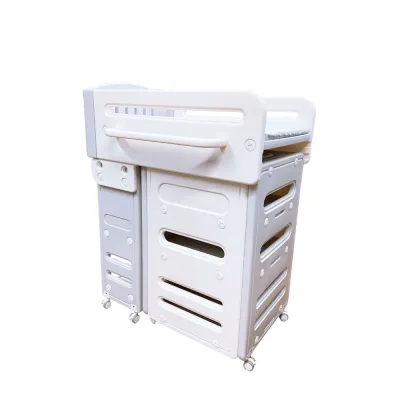
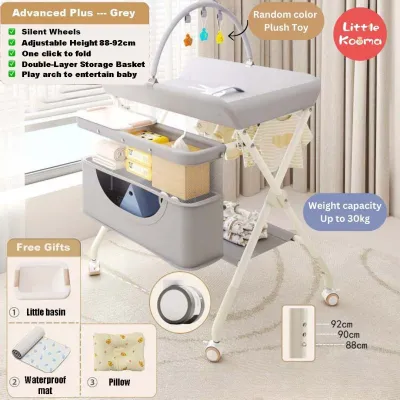
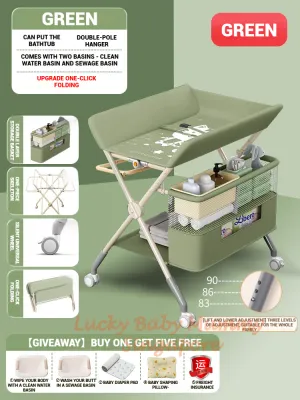
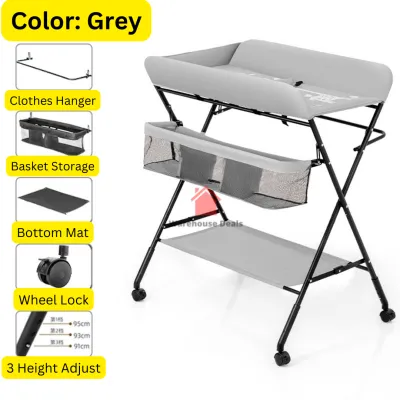

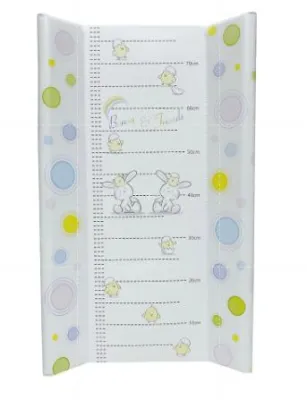
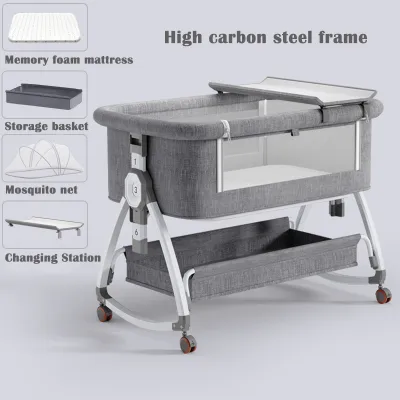
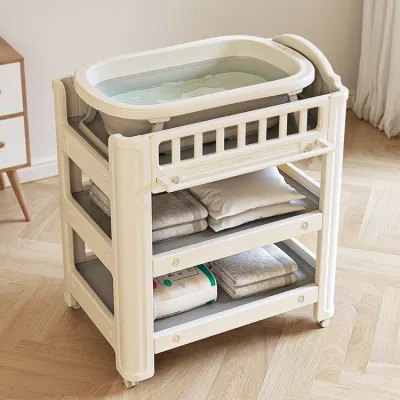
Prices are valid at publication and may change. Please refer to the product page for the latest price.
If you are considering a wall-mounted or fold-down changing table, the structural integrity of your walls is a critical factor. Many modern apartments feature drywall partitions or hollow core walls that may not support a cantilevered load. You will need to locate solid wall studs or structural concrete backing to ensure a secure installation. Verifying these structural elements beforehand prevents damage to your home and ensures the station remains stable under weight.
Compare Space-Saving Changing Station Designs
Different changing station configurations offer distinct advantages depending on your spatial constraints and daily routines. Fold-down or wall-mounted changing tables provide the ultimate floor-space savings because they fold flat against the wall when not in use. This design is highly effective for extremely tight rooms or shared spaces. However, they require permanent installation, strict adherence to wall-anchoring guidelines, and a highly secure wall structure to handle the downward leverage of a growing infant.

Dresser-changing table combinations serve a dual purpose by merging storage and changing surfaces into a single piece of furniture. This setup is highly efficient for long-term use, as the changing topper can eventually be removed, leaving you with a standard chest of drawers for a growing child. The trade-off is a larger initial footprint and a heavier piece of furniture that cannot be easily moved around the apartment.
Portable or rolling changing stations offer excellent multi-room flexibility, allowing you to wheel the station from the nursery to the living room or bathroom as needed. These models often feature lightweight frames and compact folding mechanisms for easy storage when guests visit. The primary limitation of portable units is their reduced built-in storage capacity, meaning you may need to find alternative storage solutions for bulk diaper supplies.
Open-shelf compact models strike a balance between accessibility and footprint. These tables feature open shelving below the changing surface, keeping diapers, wipes, and fresh clothes within immediate reach during a change. While highly convenient, open shelves can quickly look cluttered in a small room, so using storage baskets or bins is often necessary to maintain a tidy, organized appearance.
Maximize Utility: Must-Have Features for Small Rooms
To get the most out of a limited footprint, look for changing stations that incorporate integrated, space-efficient storage solutions. Built-in side pockets, hanging organizers, or under-table hampers keep essential supplies within arm’s reach, eliminating the need for separate storage units. Keeping diapers, wipes, and creams organized on the station itself ensures you never have to step away from your baby to grab a fresh supply.
Prioritizing versatility is key when selecting furniture for a home with limited space. Look for models with removable or hidden changing pads that allow the unit to transition into a standard shelving unit, toy organizer, or study desk later on. This adaptability extends the lifespan of the furniture well beyond the diaper-wearing years, providing excellent long-term value for Singapore families.
Mobility features can greatly enhance the usability of a changing station in a compact home. Models equipped with lockable casters allow you to slide the station out of the way when cleaning or repositioning furniture, and then lock it securely in place during use. This flexibility is particularly useful in shared master bedrooms where space must be reconfigured throughout the day.
Verify Safety and Installation Requirements
Safety must always be the primary consideration when setting up any baby changing station. Always verify the manufacturer’s specified weight limits, structural stability ratings, and age recommendations directly from the product labels and instruction manuals. Never assume a station is suitable for your child based solely on its visual size or design; physical documentation is the only reliable source for these limits.
For any free-standing furniture in a small room, especially tall or narrow changing tables, wall-anchoring is mandatory to prevent accidental tipping. In tight spaces where furniture is packed closely together, a child pulling on a drawer or shelf can easily destabilize the unit. Use the heavy-duty anti-tip kits provided by the manufacturer and ensure they are anchored into solid wall material rather than loose plaster or drywall.
Ensure there is adequate operational clearance around the changing station to prevent injury. Caregivers need enough physical space to stand comfortably and attend to the baby without bumping into adjacent walls, sharp furniture corners, or open doors. If a space feels too cramped to operate the station safely, consider alternative layouts or a more compact model to maintain a secure environment.
As a general safety practice for all feeding, sleep, and changing equipment, always maintain direct caregiver supervision during use. Never leave an infant unattended on a changing surface, even for a brief moment. If your child begins to roll or outgrows the manufacturer’s weight and size limits, stop using the changing station immediately and transition to changing them on a secure floor mat.
Frequently Asked Questions (FAQ)
Can I use a regular dresser as a changing station?
Yes, you can repurpose a regular dresser, provided it meets several safety and ergonomic criteria. First, verify that the dresser’s height is ergonomically comfortable for the primary caregivers to prevent back strain during frequent changes. Next, you must install a secure, contoured changing pad that is firmly strapped or anchored to the top surface of the dresser to prevent sliding. Finally, confirm that the dresser itself is securely anchored to the wall with anti-tip hardware to prevent it from tipping forward when weight is applied to the front edge or when drawers are opened.
Are wall-mounted changing tables safe for apartment walls?
Wall-mounted changing tables can be safe, but their security depends entirely on proper installation and wall structural integrity. Before drilling, you must identify the wall material—such as concrete, brick, or drywall—and locate solid structural studs or backing. Always use heavy-duty mounting hardware appropriate for your specific wall type and strictly adhere to the manufacturer’s specified load limits. If you are uncertain about your wall’s structural capacity or how to install the unit securely, consult your building management or hire a qualified professional installer.

Community discussion
Share your experience or ask a question. Comments are reviewed before publication.