
When your baby transitions from crawling to pulling themselves up, every sharp corner in your home suddenly becomes a potential hazard. In Singapore, where modern apartments often feature custom built-in carpentry, low coffee tables, and sharp-edged TV consoles, childproofing is a critical step in creating a safe environment. Finding a reliable baby edge protector involves looking beyond brand names and focusing on material density, adhesive strength, and safety certifications.
Because there is no single brand that fits every household scenario, the most reliable edge protector is one that matches your specific furniture material and can withstand both your child’s curiosity and the local climate. By understanding what makes an edge guard durable and secure, you can make an informed purchase that keeps your little one safe from painful bumps and bruises.
Quick Criteria for Evaluating Edge Protector Reliability
Before purchasing any edge protector, parents should evaluate several key criteria on the product packaging or manufacturer website to ensure it meets basic safety and performance standards.
Products mentioned in this guide
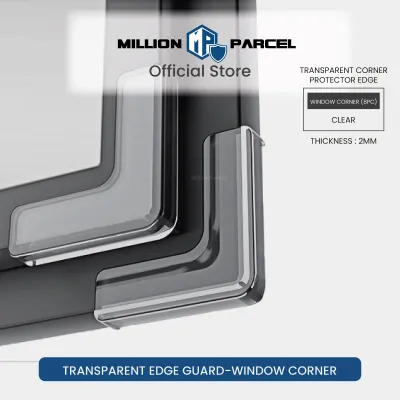
![[SG Stock] Corner Protector❤️Table Furniture Sharp Edge Safety Guard Silicone Bumper Baby Kids Children Protection](https://img.lazcdn.com/g/p/9b72f18b7a5af8ec7a091b97a2a1b5fc.jpg_400x400q80.jpg_.webp)
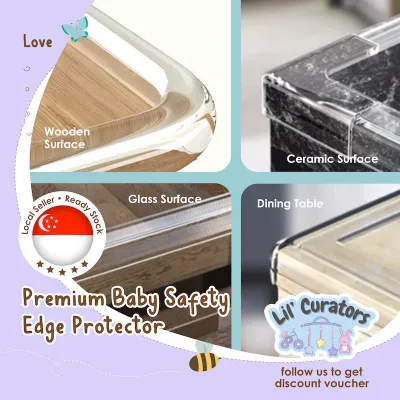
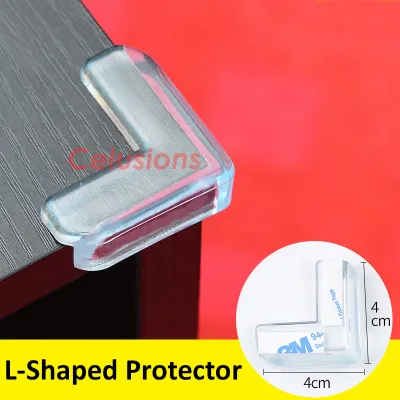
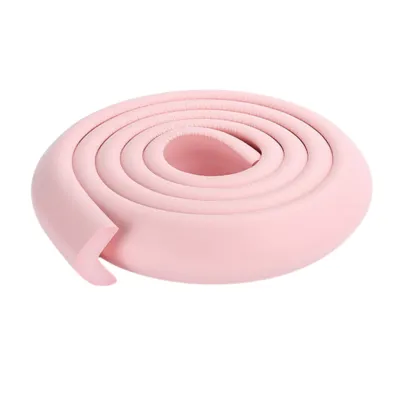
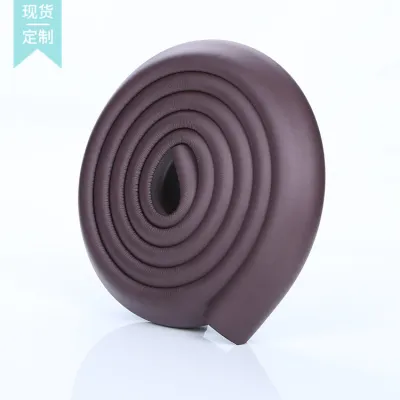
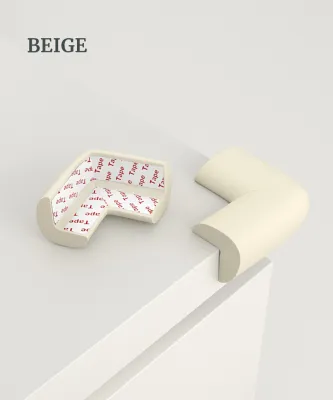
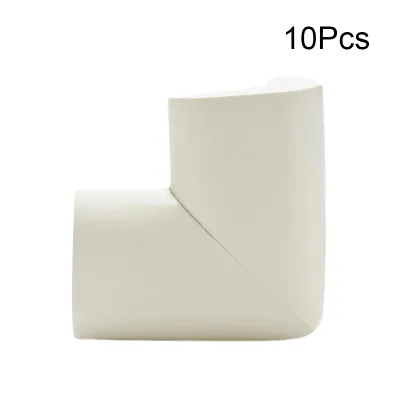
Prices are valid at publication and may change. Please refer to the product page for the latest price.
First, prioritize material safety indicators. Because infants and toddlers naturally explore their environment with their mouths, any edge guard within their reach must be non-toxic. Look for products that explicitly state they are free from bisphenol A (BPA), phthalates, heavy metals, and toxic flame retardants. Verify if the manufacturer provides documentation or clear labeling regarding compliance with international toy safety standards.
Second, assess the cushioning thickness and density. A reliable edge protector must be thick enough to absorb the force of a fall, but density is even more critical. Low-density foam may feel soft to the touch, but it can easily bottom out under the weight of an impact, allowing the sharp corner underneath to cause injury. High-density materials distribute the impact energy across a wider surface area, providing much better protection.
Third, examine the adhesive quality markers. A protector is only as reliable as the tape holding it in place. Look for products that utilize high-performance double-sided acrylic adhesives, which are known for creating a strong bond over time. The adhesive must be strong enough to resist a toddler’s pulling but formulated to allow clean removal when the childproofing stage is over.
Key Features That Define a Trustworthy Edge Guard
Understanding the physical properties of different edge guards helps you choose a product that balances safety, durability, and home aesthetics.

Material Types and Their Trade-offs
Nitrile Butadiene Rubber (NBR) foam is one of the most common materials used for baby edge protectors. It is highly cushioned, soft to the touch, and excellent for high-impact areas like low coffee tables. However, NBR foam is opaque and bulky, which can disrupt your home decor. Additionally, teething babies can easily bite off chunks of soft foam, creating a potential choking hazard.
Clear silicone is an increasingly popular alternative. It is highly durable, bite-resistant, and visually unobtrusive, allowing the natural beauty of your wooden or glass furniture to show through. While silicone is firmer than NBR foam, it still offers excellent impact absorption and is much harder for a child to tear or chew.
Polyvinyl Chloride (PVC) is often used for pre-molded corner guards. It is tough, transparent, and highly durable. However, when choosing PVC products, parents must carefully verify that the material is certified plasticizer-free and phthalate-free, as standard PVC can sometimes contain harmful chemical additives.
Adhesive Mechanisms and Surface Suitability
Double-sided acrylic tape is the industry standard for securing edge guards. It performs exceptionally well on smooth, non-porous surfaces like glass, metal, and sealed wood. Acrylic adhesives cure over 24 hours, creating a bond that resists lateral pulling from curious fingers.
Built-in gel adhesives are found on some premium silicone protectors. These offer the convenience of quick installation without the need to apply separate tape. While they are highly transparent and aesthetic, they may slide or shift under constant pressure if applied to dusty or highly textured surfaces.
Singapore’s high relative humidity can affect how adhesives cure and hold. Standard rubber-based adhesives often degrade or become gooey in warm, humid conditions, leading to premature peeling. Acrylic-based adhesives generally offer superior resistance to moisture and temperature fluctuations, making them more suitable for local homes.
Visual Considerations and Baby Curiosity
Brightly colored or highly contrasting foam guards can inadvertently attract a baby’s attention. If a child perceives the edge protector as a toy, they are more likely to pull, peel, or bite at it, which compromises the safety of the installation.
Transparent or color-matched protectors blend seamlessly into your furniture. By minimizing the visual contrast, you reduce your baby’s curiosity, making it far more likely that the protector will remain undisturbed and securely attached to the furniture edge.
Matching the Protector to Your Furniture Type
Selecting the right shape and profile of an edge protector is essential for ensuring complete coverage and preventing damage to your household items.
Profile Shapes and Applications
L-shaped profiles are designed for standard 90-degree table edges, cabinet tops, and shelves. They cover both the top surface and the vertical edge, providing comprehensive protection along the entire length of the furniture.
U-shaped profiles are specifically engineered for thin surfaces, such as glass tabletops, metal frames, or thin wooden panels. They wrap around the top, bottom, and edge of the surface, ensuring the protector cannot easily be pushed off from the side.
Corner balls or pre-molded corner guards are designed to fit the sharp three-way corners of desks and dining tables. These are often the most dangerous points on furniture, and using a dedicated corner guard provides targeted, high-density cushioning where it is needed most.
Surface Compatibility and Damage Prevention
Before applying any adhesive protector, consider the finish of your furniture. Solid wood with a polyurethane or lacquer finish is generally highly compatible with acrylic adhesives, but antique wood with delicate wax or oil finishes can be easily damaged during removal.
Glass and metal surfaces are highly durable and compatible with strong adhesives. However, painted surfaces, such as painted MDF or drywall corners, carry a high risk of paint peeling when the protector is eventually removed. For these surfaces, look for light-tack adhesives or mechanical fastening options where appropriate.
Measuring and Cutting Techniques
To ensure adequate coverage, measure the exact length of the furniture edge before cutting your protector strip. Avoid leaving gaps between strips, as even a small exposed section of a sharp edge can cause injury.
When wrapping around corners with a continuous foam roll, cut precise 45-degree miter joints at the corners. This technique ensures a tight, seamless fit that prevents the foam from buckling or creating gaps that a child could exploit.
Installation and Maintenance for Lasting Safety
Proper installation is just as important as choosing a high-quality product. Even the best adhesive will fail if the surface is not prepared correctly.
Step-by-Step Surface Preparation
- Clean the furniture surface thoroughly using isopropyl alcohol (rubbing alcohol) to remove dust, oils, fingerprints, and furniture polish residue. Avoid using household glass cleaners or multi-surface sprays, as they often leave a slick residue that prevents proper adhesive bonding.
- Allow the surface to dry completely. In humid environments, wait a few extra minutes to ensure no moisture is trapped beneath the adhesive tape.
- Ensure the ambient temperature is moderate during installation to allow the adhesive to bond effectively.
Application Techniques
Apply the double-sided tape to the inside of the edge protector first. Press down firmly along the entire length of the tape to remove any air bubbles and ensure maximum contact between the adhesive and the protector material.
Peel off the backing paper and carefully align the protector with the furniture edge. Press the protector firmly onto the furniture, applying steady pressure for at least 30 seconds along every section.
Allow the adhesive to cure undisturbed for at least 24 hours before allowing your child near the furniture. Restricting access during this initial curing period is crucial for achieving a long-lasting bond.
Routine Inspection and Replacement
Inspect your edge protectors weekly for signs of wear and tear. Check if the edges are peeling, if the adhesive has become loose, or if there are any bite marks or cracks in the material.
If you notice any tearing, chunking, or significant adhesive failure, replace the affected section immediately. Damaged foam can easily become a choking hazard if a child manages to pull off a loose piece.
What to Verify Before Purchasing
When shopping for baby edge protectors on online marketplaces or at local specialty baby boutiques in Singapore, use this checklist to verify the product’s reliability before spending your money.
First, check the manufacturer’s age recommendations. Some products are designed specifically for younger infants who are just beginning to crawl, while others are robust enough for active toddlers. Ensure the product does not contain small parts that could pose a choking hazard if detached.
Second, look for clear compliance labels on the packaging. Reliable manufacturers will often state compliance with international safety standards, such as those set by ASTM (American Society for Testing and Materials) or EN (European Standards). While these marks do not guarantee absolute safety, they indicate the product has undergone standardized safety testing.
Third, read customer reviews specifically focusing on long-term durability and adhesive residue. Look for feedback from buyers who have used the product on similar furniture types and in similar climates. This will give you a realistic expectation of how well the adhesive holds up and whether it is likely to damage your furniture finishes upon removal.
Finally, budget appropriately. High-quality childproofing kits typically range from S$10 to S$30 depending on the length and material. Investing in a reliable, certified product upfront can save you the hassle of frequent replacements and protect your valuable furniture from damage.
Frequently Asked Questions (FAQ)
Are clear silicone edge protectors safer than foam ones?
Clear silicone and NBR foam protectors each offer distinct safety advantages depending on how they are used. Silicone is highly durable, bite-resistant, and virtually impossible for a child to tear, making it exceptionally safe against choking hazards. However, silicone is firmer than foam, meaning it offers slightly less impact absorption during a high-velocity fall. NBR foam provides superior, soft cushioning for heavy impacts, but it is easily damaged by teething babies. If your child is prone to chewing on surfaces, clear silicone is generally the safer and more durable choice.
How do I remove edge protector adhesive without damaging wood furniture?
To remove adhesive residue safely without stripping the varnish or paint from wood furniture, apply gentle heat using a hair dryer set to a low or medium temperature. Direct the warm air at the adhesive for 20 to 30 seconds to soften the glue, then slowly peel the protector away at a shallow angle. For any remaining sticky residue, apply a small amount of mild vegetable oil or a manufacturer-approved adhesive remover to a soft microfiber cloth and gently rub the area. Always test a small, inconspicuous area of the furniture first, and stop immediately if you notice any discoloration or damage to the finish.

Community discussion
Share your experience or ask a question. Comments are reviewed before publication.