
The best postpartum belt brand for your recovery stage depends entirely on whether you are healing from a surgical C-section, addressing abdominal muscle separation (diastasis recti), or seeking general pelvic support and posture correction. Rather than looking for a single universal winner, you must match the belt’s structural design, material breathability, and compression levels to your specific physical needs. In Singapore’s warm, humid climate, selecting a garment with high air permeability and adjustable tension is essential to ensure comfort and prevent skin irritation during your confinement period.
Choosing the wrong type of support can lead to unnecessary discomfort or even place improper pressure on your pelvic floor. By understanding your body’s signals and verifying key manufacturing standards, you can confidently select a supportive garment that aids your natural healing process. Always remember that external support is a temporary aid designed to complement, not replace, your body’s natural recovery.
Identifying Your Recovery Stage and Core Support Needs
Postpartum recovery is a highly individualized journey, and your body’s immediate requirements change significantly over the weeks following childbirth. For mothers who have undergone a Caesarean section, the primary focus is protecting the surgical incision, minimizing friction, and supporting the lower abdominal wall without placing direct pressure on the healing scar. This requires a highly specialized, soft-panel design that differs fundamentally from the high-tension binders used for muscle realignment.
Products mentioned in this guide
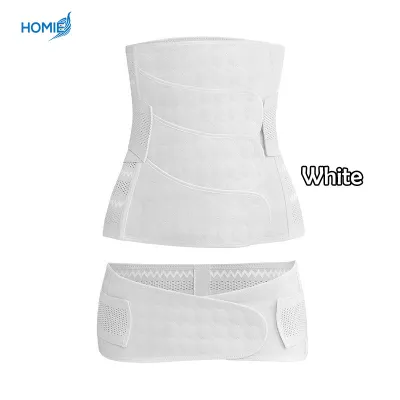
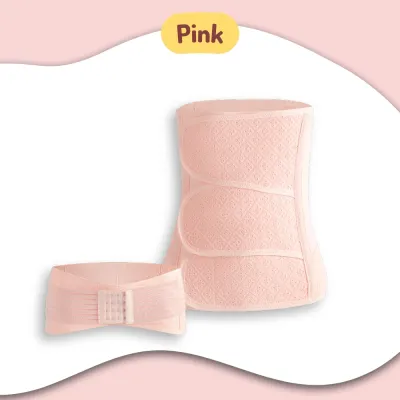
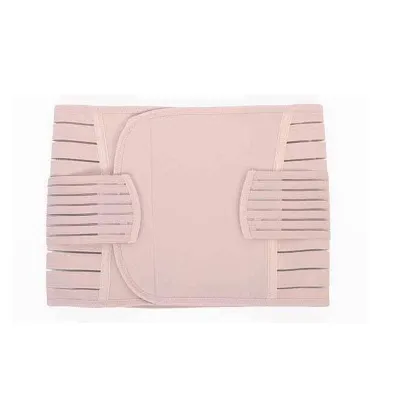
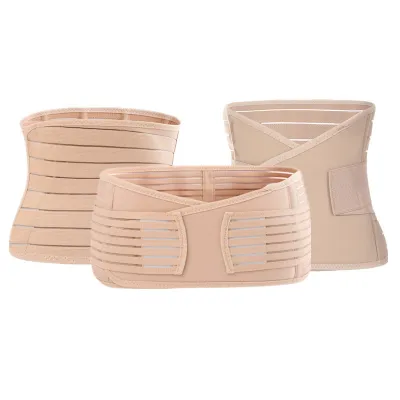
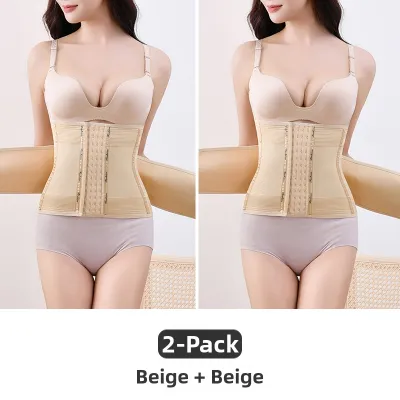
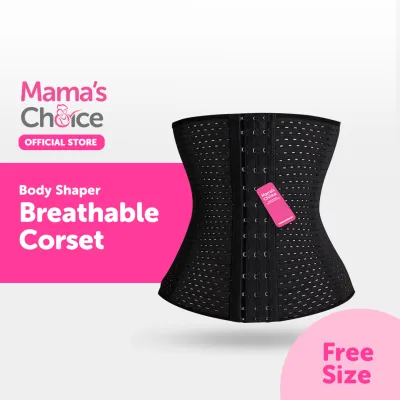
Prices are valid at publication and may change. Please refer to the product page for the latest price.
If you are dealing with diastasis recti—the separation of the rectus abdominis muscles—your core requires lateral support to help bring the muscle bellies back toward the midline. This condition is often signaled by a visible doming or coning of the abdomen when sitting up, as well as persistent lower back pain or pelvic instability. For this recovery path, a belt must offer targeted, adjustable side panels that pull inward rather than simply flattening the stomach from front to back.
General pelvic or core weakness, common after uncomplicated vaginal deliveries, presents a different set of needs. Here, the goal is often to stabilize the loose pelvic girdle, support the lower back during long hours of holding or feeding the baby, and encourage proper posture. The signals for this need include a feeling of pelvic looseness, mild lower back aches, and fatigue during daily movements.
Before purchasing any postpartum support garment, it is vital to establish a baseline of safety by consulting your obstetrician, gynecologist, or a specialized women’s health physiotherapist. A professional assessment ensures that your pelvic floor is functioning correctly and that external compression will not inadvertently worsen internal pressure or delay your natural healing process.
Key Brand Standards and Features to Verify Before Buying
When evaluating different postpartum belt brands, look past marketing buzzwords and focus on the physical specifications of the garment. In Singapore’s tropical climate, material composition is the single most critical factor for compliance. Look for brands that specify medical-grade, hypoallergenic, and highly breathable fabrics, such as open-weave cotton blends or perforated elastane, which allow heat and moisture to dissipate during long hours of wear.

The closure system determines how well the belt adapts to your changing shape. High-quality brands utilize multi-panel hook-and-loop fasteners or adjustable double-compression straps. These systems allow you to gradually tighten the garment as your uterus shrinks and your swelling subsides, without causing the fabric to roll down, bunch at the waist, or dig painfully into your hips when you sit.
Sizing accuracy is another hallmark of a reputable brand. Avoid manufacturers that instruct you to buy based on your pre-pregnancy dress size or current weight alone. Instead, prioritize brands that provide detailed sizing charts requiring physical measurements of your postpartum hips and belly. Measuring your body at around 36 weeks of pregnancy or immediately after birth provides the most accurate starting point for a proper fit.
Finally, review the manufacturer’s care and maintenance instructions before making a purchase. Postpartum belts are subjected to daily wear, sweat, and occasional spills, meaning they require frequent washing. Brands that design their garments to withstand gentle machine washing or simple hand-washing without losing their structural elasticity or fastener grip offer much better long-term value and hygiene.
Matching Belt Designs to Specific Recovery Conditions
Different recovery pathways demand distinct structural engineering from a support garment. Choosing a generic wrap can lead to discomfort or even hinder your recovery, making it essential to match the belt’s design to your specific physical condition.
C-Section Recovery: Gentle Compression and Scar Protection
For mothers recovering from a C-section, the primary design requirement is absolute protection of the surgical wound. Look for brands that feature wide, seamless front panels made from ultra-soft, non-abrasive fabrics. The belt should sit comfortably over or just above the incision line, providing a gentle protective barrier that shields the sensitive area from the friction of everyday clothing.
The compression profile of a C-section belt must be carefully calibrated. It should offer adjustable tension zones, allowing you to keep the pressure very light over the lower abdomen while providing firmer support higher up on the torso or around the pelvis. This zonal compression prevents excessive downward pressure on the healing incision and the pelvic floor, which is crucial for preventing complications.
Always obtain explicit medical clearance from your doctor before applying any compression garment over a healing surgical scar. The incision must be fully closed, free of infection, and healing well before you introduce external support, as premature compression can restrict localized blood flow and delay tissue repair.
Diastasis Recti: Targeted Core Support and Alignment
Addressing diastasis recti requires a belt engineered for lateral compression rather than simple front-to-back flattening. Look for brands that utilize a three-point or dual-strap tension system. These designs allow you to pull the two sides of the abdominal wall gently toward the midline, mimicking the natural action of the transverse abdominis muscle and supporting the healing of the connective tissue.
It is critical to avoid rigid corsets, heavy-duty waist trainers, or stiff binders that compress the abdomen uniformly. These rigid designs tend to force the abdominal contents downward, placing immense, damaging pressure on your recovering pelvic floor muscles. A proper diastasis recti belt should be flexible enough to allow for deep, diaphragmatic breathing while still providing structural feedback to your core.
Keep in mind that a postpartum belt is strictly a supportive aid, not a standalone cure for muscle separation. To achieve lasting recovery, the garment must be paired with targeted rehabilitation exercises guided by a women’s health physiotherapist, ensuring your deep core muscles learn to engage actively rather than relying entirely on external support.
General Postpartum Toning: Everyday Comfort and Posture
If your recovery is uncomplicated and your primary goal is general toning, posture correction, and lower back relief, prioritize lightweight flexibility. Look for low-profile, seamless designs that can be worn discreetly under your regular clothes. These belts are typically thinner and more pliable, allowing you to move freely while managing daily household tasks or caring for your newborn.
An effective general-use belt should feature reinforced panels along the lower back and lumbar region. This structural support helps stabilize your pelvis and counteracts the forward pelvic tilt common after pregnancy. It provides valuable physical feedback, helping you maintain an upright posture and reducing muscle fatigue when you are lifting your baby, pushing a stroller, or sitting for long nursing sessions.
Ensure the belt’s design allows you to sit down comfortably and take full, deep breaths without the top edge digging into your ribs or the bottom edge pressing into your thighs. If a garment restricts your natural breathing patterns or makes sitting painful, it will ultimately discourage active movement and hinder your body’s natural return to strength.
Safety Limits, Sizing Checks, and When to Stop Use
Using a postpartum belt safely requires strict adherence to physical boundaries and self-awareness. To verify a proper fit, perform a simple check once the belt is fastened: you should be able to slide two fingers comfortably flat underneath the band. The compression should feel like a firm, supportive hug rather than a restrictive bind; you must be able to breathe deeply, speak normally, and sit down without feeling restricted.
Pay close attention to your body’s warning signs and remove the belt immediately if you experience any adverse symptoms. These include an increased sensation of downward pressure in your pelvis, urinary incontinence, numbness or tingling in your legs, acid reflux, or localized skin redness and irritation. These signs indicate that the belt is either too tight, positioned incorrectly, or worn for too long, risking nerve compression or pelvic floor strain.
A postpartum belt is designed to be a temporary transition tool, not a permanent fixture. Relying on external compression for too long can cause your core and back muscles to become lazy and weak, delaying your long-term recovery. Work with your healthcare provider or physiotherapist to establish a gradual weaning timeline, typically starting around six to eight weeks postpartum, as your natural core strength and stability begin to return.
Frequently Asked Questions (FAQ)
How long should I wear a postpartum belt each day?
Most healthcare professionals and manufacturers recommend wearing a postpartum belt for a maximum of two to six hours per day, focusing primarily on periods when you are active, standing, or lifting. It is highly advised to remove the belt when you are resting, sitting for extended periods, or lying down, as your muscles need opportunities to engage and work independently. Always consult your physiotherapist to tailor these hours to your specific recovery progress.
Can I wear a postpartum belt while sleeping?
Generally, you should not wear a postpartum belt while sleeping. During sleep, your body needs to relax completely, and unrestricted circulation is vital for tissue healing and recovery. Wearing a compression garment overnight can restrict deep breathing, impede blood flow, and increase the risk of skin irritation. Exceptions to this rule should only be made if explicitly prescribed and monitored by your medical specialist for severe pelvic instability.
Do I need a doctor's approval before using a postpartum belt?
Yes, obtaining professional medical clearance is highly recommended before using any postpartum belt, particularly if you had a C-section, an assisted delivery, or experienced pelvic floor complications. While lightweight wellness wraps are widely available, medical-grade support garments require careful evaluation to ensure they do not interfere with your internal healing. Your postpartum check-up is the ideal time to discuss your recovery goals and get personalized recommendations.

Community discussion
Share your experience or ask a question. Comments are reviewed before publication.