
Selecting a postpartum belly wrap brand in Singapore is a highly personal decision that directly impacts your physical recovery and daily comfort. With the wide variety of options available in the local market, from premium medical-grade binders to traditional heritage wraps, finding the right fit requires looking beyond generic recommendations. The ideal brand for you will depend on your delivery method, your daily routine, and how well the wrap’s materials perform in Singapore’s warm, humid climate. Rather than searching for a single universal winner, mothers should focus on evaluating structural adjustability, fabric breathability, and safe usage guidelines to support their body’s natural healing process.
Evaluating Postpartum Belly Wrap Brands: Core Criteria
When evaluating different brands, the material composition is the most critical factor to consider for Singapore’s tropical climate. High humidity and year-round warmth mean that heavy, non-breathable fabrics will quickly trap sweat, leading to heat rash, skin chafing, or irritation around sensitive areas. Brands that prioritize lightweight, moisture-wicking textiles—such as bamboo-derived viscose, perforated elastics, or open-weave cotton mesh—allow for adequate airflow and keep the skin dry during daily wear.
The level of abdominal support and compression offered by a brand must be carefully balanced. A high-quality wrap should provide firm, reassuring support to the abdominal wall and lower back, helping to stabilize the core and improve posture during activities like nursing or walking. However, excessive compression is counterproductive; if a wrap is too tight, it can restrict deep diaphragmatic breathing, interfere with digestion, and exert dangerous downward pressure on the pelvic floor muscles, which are already weakened from pregnancy and childbirth.
Products mentioned in this guide
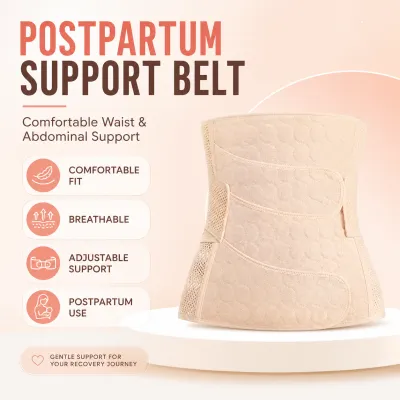
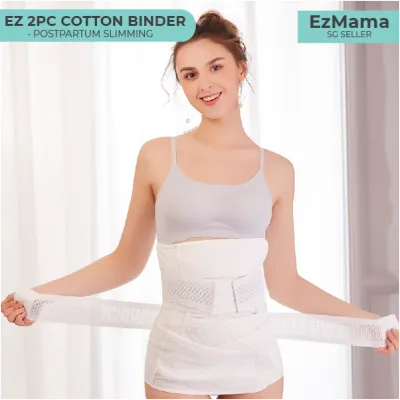
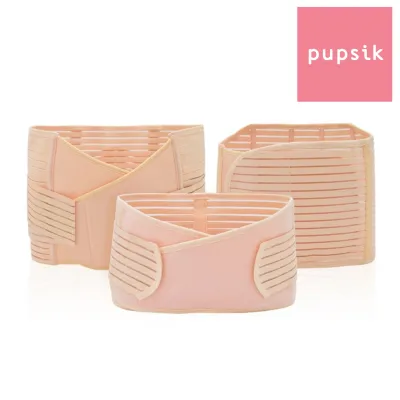
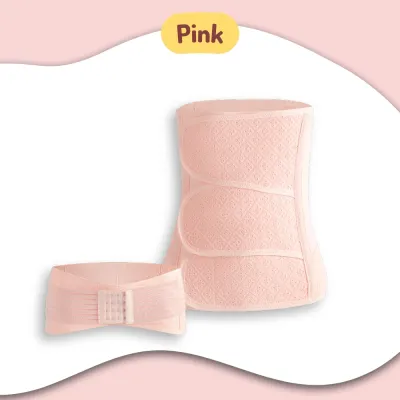
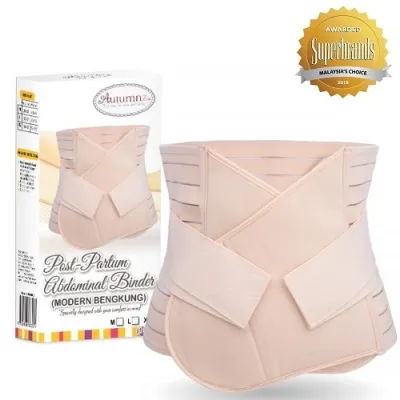
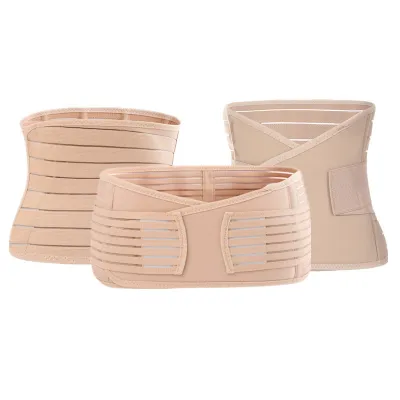
Prices are valid at publication and may change. Please refer to the product page for the latest price.
Brand transparency regarding manufacturing standards and material safety is another essential criterion. Because these garments are worn directly against the skin—and often close to healing surgical incisions—reputable brands will clearly document their material sourcing, hypoallergenic properties, and compliance with textile safety standards. Mothers should look for brands that provide clear instructions on how to wear, adjust, and clean their wraps, rather than those making unverified claims about instant weight loss or permanent body reshaping.
Essential Design Features for Comfort and Support
The structural design of a postpartum belly wrap determines how easy it is to use and how well it adapts to your changing body. Closure mechanisms are a primary differentiator among brands. Hook-and-loop closures are highly popular because they allow for quick, independent adjustments and can be easily tightened or loosened throughout the day. However, some lower-quality hook-and-loop fasteners can be stiff, scratchy, or bulky under clothing, making seamless pull-on tubes or traditional tie-up wraps an appealing alternative for mothers seeking a smoother profile or a softer feel.

Adjustability is crucial because the postpartum abdomen undergoes rapid changes in size and shape during the first few weeks as the uterus naturally contracts. A wrap with a single, rigid panel offers very little flexibility as your body shrinks, often requiring you to purchase a smaller size prematurely. Brands that feature multi-panel designs, secondary tension straps, or highly adjustable fastening zones allow you to customize the compression level across different parts of your torso, ensuring the wrap remains functional and supportive throughout your entire recovery journey.
The physical dimensions of the wrap—specifically its width and length—must match your torso length to prevent discomfort. A wrap that is too narrow will concentrate pressure in a small area, causing the edges to dig into your skin or roll up and down whenever you sit, bend, or move. Conversely, a wrap that is too wide may press against your ribs or pelvic bone, restricting your natural movement. High-quality brands typically offer detailed sizing guides and multiple width options to ensure the garment covers the entire abdominal area from just below the bust to the lower hips, distributing pressure evenly.
Matching Brand Categories to Your Budget and Needs
Postpartum belly wraps in Singapore generally fall into three distinct categories based on design, materials, and price. Premium brands, which often range from S$80 to over S$150, typically feature advanced medical-grade elastics, ergonomic multi-panel construction, and highly durable fabrics that retain their elasticity over months of continuous use. These brands are highly suitable for mothers who prioritize maximum structural support, ease of adjustment, and a garment that can withstand frequent machine washing without losing its shape.
Traditional or heritage wrap styles, such as the classic Bengkung wrap, represent another category valued for its customized fit. These wraps consist of a long, continuous strip of cotton or linen fabric that is meticulously wound and knotted around the torso from the hips to the underbust. While traditional wraps offer unparalleled, even compression tailored precisely to your body shape, they require a steep learning curve and often require the assistance of a partner or confinement nanny to tie correctly. They are also less practical for quick bathroom breaks or active daily routines.
Budget-friendly or everyday options, typically priced under S$50, offer a practical solution for occasional wear or short-term support. These wraps usually feature simpler, single-panel elastic bands with basic hook-and-loop closures. While they provide basic abdominal support, they may lack the targeted compression zones, advanced breathability, and long-term durability of premium models. For mothers who only plan to wear a wrap occasionally during the initial weeks of recovery, these budget-friendly options can be a cost-effective choice, provided the materials are verified to be soft and non-irritating.
Safe Usage Boundaries and Physical Warning Signs
Using a postpartum belly wrap safely requires adhering to clear boundaries and listening to your body’s signals. For mothers who had a vaginal delivery, wearing a light, supportive wrap can often begin within the first few days postpartum, once cleared by a healthcare provider. For those who underwent a Cesarean section, it is vital to wait until the surgical incision is fully closed, free of infection, and cleared by an obstetrician—typically around two to six weeks postpartum—to avoid friction, wound separation, or localized pain.
Daily wear should always be limited to prevent your core muscles from becoming dependent on the external support of the wrap. Relying on a wrap for too many hours a day can lead to muscle weakness, as your abdominal and back muscles do not have to work to support your posture. Most experts recommend wearing the wrap for no more than two to six hours daily, taking regular breaks to allow your skin to breathe and your muscles to engage naturally.
It is critical to remove the wrap immediately if you experience any physical warning signs. These include an increase in pelvic floor pressure or a feeling of heaviness in the lower pelvic region, which suggests the wrap is too tight and is pushing your internal organs downward. Other red flags include localized pain, difficulty taking deep breaths, dizziness, skin redness, or persistent itching. Always consult a qualified healthcare professional, such as a women’s health physiotherapist or your obstetrician, before starting any abdominal binding routine, especially if you have a history of pelvic organ prolapse or diastasis recti.
Securing Authentic Products and Checking Store Policies
To ensure you are purchasing a safe, high-quality garment, it is best to buy directly from official brand boutiques, authorized department stores, or reputable local maternity specialty shops in Singapore. Purchasing from authorized sources guarantees that the product is authentic, made from the stated materials, and free from harmful chemical residues or manufacturing defects.
Before making a purchase, carefully review the brand’s sizing chart and return policies. Because postpartum wraps are intimate hygiene garments worn close to the skin, most retailers in Singapore maintain strict hygiene policies and do not accept returns or exchanges once the packaging has been opened or the item has been worn. It is highly recommended to measure your torso and hips accurately—ideally during the late third trimester or immediately after birth—to select the correct size, rather than relying on your pre-pregnancy clothing size.
Be cautious when browsing general online marketplaces, where unusually low prices or generic listings can be red flags for counterfeit products. Counterfeit wraps often mimic the appearance of premium brands but use cheap, non-breathable industrial elastics and harsh dyes that can cause severe allergic reactions or skin infections. Checking for official brand authentication, reading verified customer reviews, and verifying the seller’s credentials will help you avoid these risks and secure a safe, effective recovery tool.
Frequently Asked Questions (FAQ)
Can I wear a postpartum belly wrap while sleeping?
It is generally recommended to remove your postpartum belly wrap before going to sleep. Wearing a compression garment overnight can restrict your natural diaphragmatic breathing, impede blood circulation, and trap sweat against your skin for extended periods, increasing the risk of skin irritation or infection. Sleeping is a crucial time for your body to rest, recover, and allow your muscles to relax naturally. If your healthcare provider specifically advises wearing a very light, non-restrictive support band at night to manage severe pelvic instability or incision pain, ensure the garment is verified for overnight use and adjusted to a minimal tension level.
Will a belly wrap help me lose postpartum weight faster?
No, a postpartum belly wrap does not burn fat or accelerate actual weight loss. Any immediate reduction in your waistline or belly size while wearing a wrap is the result of temporary tissue compression, fluid redistribution, and support for your naturally contracting uterus. Long-term postpartum weight management and core recovery depend on balanced nutrition, adequate hydration, sufficient rest, and a gradual return to safe physical activity. A belly wrap should be viewed strictly as a supportive tool for posture, comfort, and abdominal stability during the early stages of recovery, rather than a weight-loss solution.

Community discussion
Share your experience or ask a question. Comments are reviewed before publication.