
Choosing the right postpartum belly binder in Singapore requires balancing physical recovery needs, material suitability for a hot and humid climate, and proper sizing. While many brands are popular among local mothers, the most recommended option is highly individual and depends on whether you had a vaginal birth or a Cesarean section, your daily activity levels, and how well a garment manages heat and moisture. A binder for women during the fourth trimester provides external abdominal support, helps stabilize loose ligaments, and offers gentle compression as the uterus contracts. However, because every recovery journey is unique, the selection process must prioritize safety, comfort, and medical clearance over brand popularity alone.
Understanding Your Postpartum Recovery Needs
Before exploring specific brands, it is crucial to understand what your body requires during the postpartum period. The term “belly binder” is often used as a catch-all, but support garments actually fall into several distinct categories, each serving a different anatomical purpose.
Abdominal binders are typically wide, adjustable bands that wrap around the midsection. They focus primarily on supporting the abdominal wall and incision site, making them highly beneficial for those recovering from a Cesarean section. By providing gentle, localized compression, they help reduce wound tension and make early movements, such as sitting up or coughing, much more comfortable.
Products mentioned in this guide
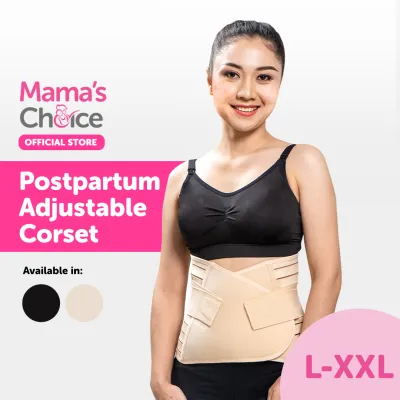
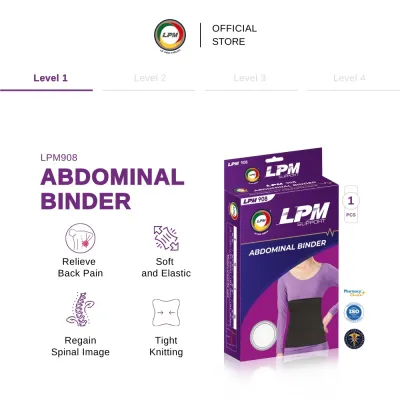
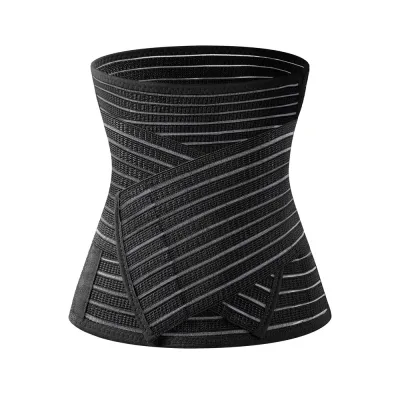
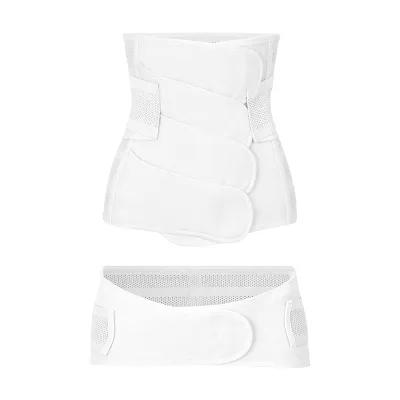
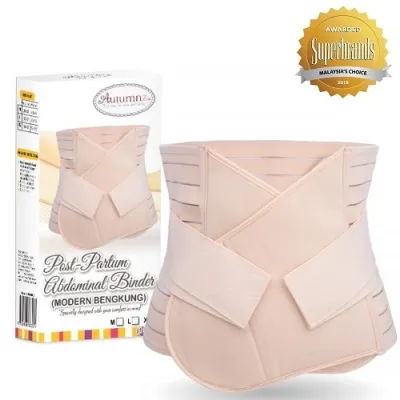
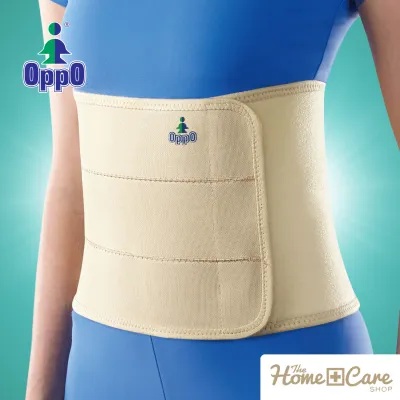
Prices are valid at publication and may change. Please refer to the product page for the latest price.
Waist cinchers, by contrast, are often designed for aesthetic shaping rather than medical recovery. They frequently feature stiffer structures, rigid boning, or high-compression materials that force the abdomen inward. For early postpartum recovery, these are generally not recommended. Excessive compression on the midsection can exert downward pressure on the pelvic floor, potentially worsening conditions like pelvic organ prolapse or urinary incontinence.
Pelvic support belts are narrower bands worn lower around the hips. Their primary function is to stabilize the sacroiliac (SI) joints and pelvic ring, which can become loose and unstable due to the hormone relaxin during pregnancy. If you are experiencing pelvic girdle pain or lower back instability rather than abdominal weakness, a pelvic belt may be more appropriate than a standard belly binder.
Your support needs will also change as you progress through the postpartum recovery timeline. In the first one to two weeks, the focus should be on gentle support, incision protection, and comfort. High compression is counterproductive during this initial phase, as it can restrict blood flow and hinder the natural healing process. Between weeks three and six, as swelling decreases and your mobility increases, adjustable binders allow you to customize the tension to match your shrinking abdomen. Beyond week six, it is generally advised to transition away from external support garments to allow your core muscles to rebuild strength naturally through targeted postpartum exercises.
Regardless of the type of garment you consider, consulting an obstetrician, gynecologist, or women’s health physiotherapist before use is essential. This is particularly critical if you have experienced a Cesarean section, a high-degree perineal tear, pelvic floor dysfunction, or severe diastasis recti. A healthcare professional can verify whether your body is ready for compression and guide you on the safest way to integrate a binder into your recovery routine.
Evaluating Key Features for Singapore's Tropical Climate
Singapore’s year-round high temperatures and humidity present a unique challenge for postpartum recovery. Wearing a compression garment for several hours a day can easily lead to heat retention, excessive sweating, and skin complications such as heat rash, contact dermatitis, or fungal infections. Therefore, evaluating the material composition and breathability of a binder is just as important as its structural support.
Prioritize fabrics that are specifically engineered for breathability and moisture-wicking. Look for binders that incorporate lightweight mesh panels, open-weave cotton, or advanced synthetic blends that draw sweat away from the skin. Avoid thick, solid elastic bands or neoprene materials that trap heat and moisture, especially if you plan to spend time in non-air-conditioned environments or outdoors. If you have sensitive skin, seek out hypoallergenic or organic cotton linings that sit gently against the skin without causing friction.
The closure mechanism of a binder significantly impacts its ease of use, adjustability, and comfort under clothing.
Velcro, or hook-and-loop fasteners, are the most common closure type. They offer excellent adjustability, allowing you to easily tighten or loosen the binder as your body changes throughout the day. However, the quality of the Velcro matters. Coarse, stiff Velcro can scratch the skin, snag delicate clothing, and make a loud ripping noise when adjusted—which can easily wake a sleeping baby. Look for soft-touch, high-density Velcro that secures firmly without excessive bulk or noise.
Hook-and-eye closures provide a very smooth, seamless profile under clothing, making them virtually invisible. They are also completely silent to adjust. However, they offer limited adjustability compared to Velcro, as you are restricted to the pre-set rows of hooks. Fastening a long row of hooks can also be tedious and physically challenging in the early weeks of recovery when your mobility is limited.
Pull-on designs, such as seamless shaping briefs or bands, offer uniform compression and eliminate the bulk of fasteners. However, they lack the targeted adjustability needed as your abdomen naturally shrinks. Furthermore, pulling a tight garment over your hips or head can be painful and difficult shortly after giving birth, especially if you have a healing C-section incision or perineal stitches.
Adjustable compression levels are vital for a safe and comfortable fit. A high-quality binder should feature multiple panels or secondary tension straps. This design allows you to apply targeted support where you need it most—such as lower down for pelvic support or higher up for abdominal stability—without putting uniform, excessive pressure on your entire midsection.
Finally, consider the hygiene and maintenance requirements of the garment. Postpartum recovery involves sweat, lochia, and potential breast milk leaks, meaning your binder will require frequent washing. Check the care labels carefully. Binders that are machine-washable (ideally in a laundry mesh bag) and quick-drying are highly practical for Singapore’s humid climate, ensuring you can maintain daily hygiene without needing to purchase multiple expensive units.
Taking Accurate Measurements for a Secure Fit
One of the most common mistakes postpartum women make is purchasing a belly binder based on their pre-pregnancy clothing size or their third-trimester maternity size. The postpartum body undergoes rapid structural and fluid changes, meaning your pre-pregnancy size is rarely an accurate indicator of what you will need immediately after birth. Relying on guesswork often leads to purchasing a binder that is either too small to close comfortably or too large to provide any meaningful support.
To ensure a secure and effective fit, take precise measurements using a soft, flexible measuring tape. It is best to measure yourself while standing relaxed, wearing lightweight clothing or undergarments.
First, measure your underbust, which is the area directly beneath your bra line. This measurement helps determine the upper boundary of the binder and ensures the garment will not dig into your ribs or restrict your breathing.
Second, measure your natural waist, which is typically the narrowest part of your torso, located just above your belly button. Do not pull the measuring tape tight or suck in your stomach; keep the tape snug but comfortable.
Third, measure the fullest part of your hips. This is crucial because a binder that is too narrow at the bottom will naturally slide upward, roll up, or bunch around your waist, rendering it ineffective and highly uncomfortable.
Once you have these measurements, compare them directly to the specific sizing chart provided by the brand you are considering. Every manufacturer uses a unique sizing matrix; some base their sizes on waist circumference, while others use a combination of height, weight, and hip measurements. If your measurements fall between two sizes, it is generally safer to choose the larger size. A binder that is slightly too large can often be adjusted tighter, whereas a binder that is too small will exert excessive pressure, restrict your movement, and potentially delay your recovery.
Be vigilant for signs of an improper fit once you try on the garment. If the binder constantly rolls up at the bottom or slides down from the top, it is likely too tight or not suited for your torso length. If the edges dig painfully into your ribs or hips when you sit down, the garment is either too long or too rigid. Most importantly, if you experience any shortness of breath, dizziness, acid reflux, or localized pain, the binder is too tight and must be loosened or replaced immediately.
Navigating Retail Channels and Verifying Authenticity
When shopping for a postpartum belly binder in Singapore, choosing where to buy is just as important as selecting the product itself. The market features a wide array of options, but it also contains counterfeit, substandard, or poorly manufactured products that may not offer the safety and support your recovering body needs.
To ensure you are purchasing a genuine, high-quality product, buy directly from official brand websites, authorized physical maternity boutiques, or verified flagship stores on major e-commerce platforms. Physical maternity boutiques, often located in major shopping districts or near maternity hospitals in Singapore, offer the added advantage of allowing you to feel the fabric texture, inspect the stitching, and sometimes consult trained staff who can assist with sizing.
When purchasing online, take steps to verify the authenticity of the product. Look for local distributor labels, holographic authenticity seals, and intact, professional packaging. Genuine brands will always provide clear, printed instructions on usage, care, and safety warnings. Avoid listings on unverified third-party marketplaces that offer popular brands at unusually low prices, as these are often counterfeit items made from cheap, non-breathable materials or treated with harsh chemical dyes that can irritate sensitive skin or compromise healing incisions.
Additionally, pay close attention to the retailer’s return and exchange policies. Because postpartum binders are classified as intimate or hygiene-related garments, the vast majority of physical and online retailers in Singapore enforce strict no-return and no-exchange policies once the packaging has been opened. This makes taking accurate measurements beforehand even more critical, as you will likely not be able to exchange a binder if you purchase the wrong size.
Building Your Personalized Brand Comparison Shortlist
With numerous brands available in Singapore, creating a personalized comparison shortlist can help you cut through the marketing noise and make an objective decision. Rather than relying on generic recommendations, you should evaluate each option against a standardized set of criteria that align with your physical needs, lifestyle, and budget.
Use the following customizable comparison matrix to track and compare the key dimensions of the brands you are considering:
| Evaluation Dimension | Key Considerations | Target Specifications to Verify |
|---|---|---|
| Price Range (S$) | Budget allocation for single or multiple garments | S$40 to S$150+ depending on material and complexity |
| Material Composition | Breathability, elasticity, and skin sensitivity | Hypoallergenic cotton, elastane blends, mesh panels |
| Support Type | Targeted abdominal, pelvic, or full-torso coverage | Multi-panel adjustable straps vs. single-band wraps |
| Washability | Ease of cleaning and drying time in local humidity | Hand wash only vs. machine washable; air-dry speed |
| Closure Type | Ease of adjustment, noise level, and visibility | Velcro, hook-and-eye, or seamless pull-on |
As you build your shortlist, be on the lookout for red flags that indicate a product may not be suitable for postpartum recovery. Avoid brands that make unverified medical claims, such as promising rapid weight loss, permanent waist shrinking, or instant organ repositioning. Postpartum recovery is a natural, gradual physiological process, and no external garment can safely accelerate fat loss or muscle reattachment.
Another red flag is the inclusion of rigid steel boning or stiff plastic inserts without a direct recommendation from your healthcare provider. While some structure can prevent the binder from rolling, excessively rigid inserts can restrict your natural core muscle activation, cause bruising, and place undue pressure on your internal organs.
To make your final decision, weigh your daily routine and recovery environment against your budget. If you plan to spend the majority of your early postpartum weeks resting in an air-conditioned home, a highly supportive, multi-panel binder with robust compression may be comfortable. However, if you expect to be active, running errands, or caring for older children in non-air-conditioned spaces, prioritize ultra-lightweight, seamless, and highly breathable mesh designs that minimize the risk of skin irritation. By focusing on these practical, observable features, you can confidently select a binder that safely supports your unique recovery journey.
Frequently Asked Questions (FAQ)
How long should I wear a belly binder each day?
Postpartum belly binders are designed to provide temporary support during active hours rather than continuous compression. Many healthcare professionals suggest wearing a binder for four to eight hours a day during the initial weeks of recovery, taking regular breaks. It is highly recommended to remove the binder during meals to avoid restricting digestion and to take it off during periods of prolonged rest. Always follow the specific guidance of your obstetrician or women’s health physiotherapist, and stop wearing the garment immediately if you experience any pain or discomfort.
Can I wear a belly binder while sleeping or exercising?
Wearing a highly compressive belly binder while sleeping is generally discouraged. During sleep, your body requires unrestricted circulation, deep diaphragmatic breathing, and natural muscle relaxation to heal effectively. Restricting these natural processes with a tight binder can impede recovery and cause discomfort. For exercise, standard postpartum binders are not designed to handle high-impact movement or the increased intra-abdominal pressure associated with workouts. Instead, consult a professional about transitioning to specialized activewear or pelvic floor support garments once you are medically cleared to resume physical activity.
What is the difference between a belly binder and a postpartum girdle?
A belly binder is typically a wide, adjustable band focused primarily on the abdominal region, offering customizable compression to support the abdominal wall and surgical incisions. It is highly adjustable and easy to put on and take off. A postpartum girdle, on the other hand, usually provides broader coverage, extending from the underbust down to the hips or thighs, often resembling high-waisted shorts or briefs. Girdles offer more comprehensive pelvic and lower back support but are generally less adjustable on the fly and can be more challenging to put on during the early weeks of recovery.

Community discussion
Share your experience or ask a question. Comments are reviewed before publication.