
When potty training a toddler, managing outings without accidents requires a reliable portable urinal that balances hygiene, ease of use, and secure containment. Transitioning from the predictable environment of your home toilet to public spaces, parks, and transit systems can be a source of anxiety for both parents and children. A well-designed travel urinal provides a familiar, accessible solution that helps maintain consistency in your child’s toilet training routine, regardless of where your daily adventures take you. By focusing on specific design elements—such as silicone seals, ergonomic openings, and collapsible structures—you can confidently navigate public spaces, parks, and transit systems.
Selecting the right equipment requires looking beyond basic aesthetics to evaluate specific design, hygiene, and portability features. Not all travel potties are designed equally, and a model that works perfectly for a quick car trip might be entirely impractical for a long walk through a crowded shopping mall or a day at the beach. This guide breaks down the essential specifications and functional elements you need to assess to find a portable urinal that effectively supports your toddler’s potty training journey and fits your family’s lifestyle.
Evaluating Size, Capacity, and Physical Fit for Your Toddler
The physical dimensions of a portable urinal directly influence both its safety and how comfortable your child feels using it. Before making a purchase, it is essential to check the manufacturer’s packaging and product documentation for specific age, weight, and height guidelines. These specifications are established by manufacturers to ensure structural safety and to guarantee that the unit can support your child’s weight without tipping, bending, or collapsing during use. Relying solely on a product’s visual appearance or generic age labels can lead to selecting a model that is structurally unsuitable for your child’s current developmental stage.
Products mentioned in this guide
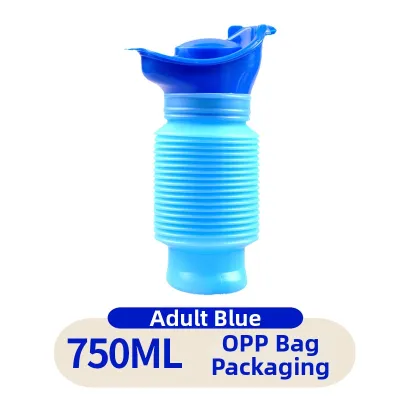
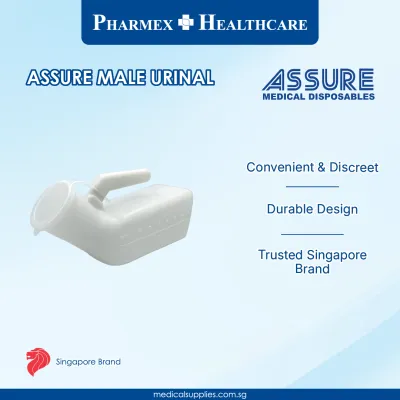
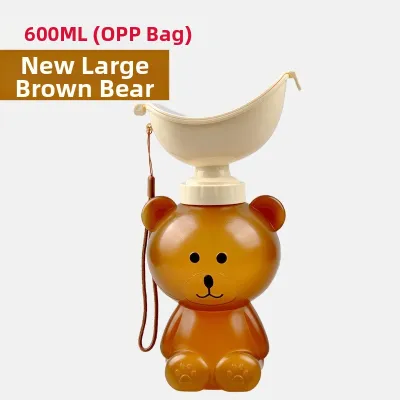
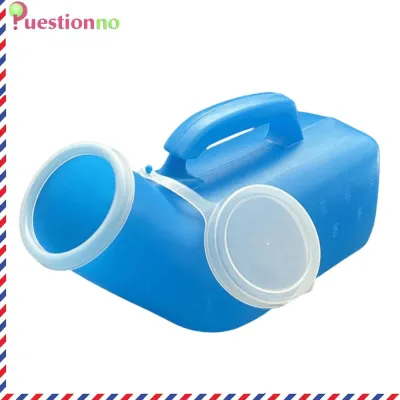
Prices are valid at publication and may change. Please refer to the product page for the latest price.
Beyond weight limits, the design of the basin opening and its overall contour require close inspection. The opening must be ergonomically shaped to provide a comfortable, secure fit that prevents the child from slipping or shifting uncomfortably while using the urinal. A poorly contoured opening can cause discomfort or create gaps that lead to accidental spills, which can startle a toddler and potentially set back their potty training progress. Look for models that feature smooth, rounded edges and a slightly curved rim that naturally aligns with a child’s anatomy to encourage proper positioning.
Fluid capacity is another critical specification that requires a careful balance between practical utility and physical portability. You must assess how many uses the urinal can accommodate before it must be emptied, washed, and sanitized. While a larger capacity reduces the immediate pressure to find a disposal area, it also increases the overall footprint and weight of the unit when filled. For daily errands, a smaller, highly compact unit may suffice, whereas longer day trips or travel through areas with limited public facilities will necessitate a model with a more generous volume capacity.
Finally, consider the overall footprint and stability of the base when the urinal is placed on various surfaces. Whether your child is seated or standing, the unit must remain completely stable to prevent accidental tipping. A wide, flat base provides a lower center of gravity, which is particularly important when using the urinal on uneven outdoor terrain, vehicle floors, or public restroom surfaces. Evaluating these physical dimensions and stability features beforehand ensures that the urinal remains a safe, reliable tool throughout your child’s active potty training phase.
Identifying Leak-Proof Mechanisms and Splash Guards
Preventing spills, leaks, and messes during transit is one of the most critical functions of any portable urinal. When the unit is stored inside a diaper bag, backpack, or car trunk, it is subject to constant movement, tipping, and vibration. To prevent unpleasant leaks, look for models equipped with robust sealing mechanisms, such as high-quality silicone sealing rings, secure locking lids, or heavy-duty snap-fit closures. These components work together to create an airtight and watertight barrier, ensuring that any residual fluid remains safely contained inside the unit until you reach a proper disposal station.

Splash guards are another indispensable design feature, particularly for boys or highly active toddlers who may struggle to remain completely still. The splash guard should have sufficient height and a carefully engineered angle to redirect any stray spray back down into the collection basin. A guard that is too low or poorly angled will fail to prevent forward spills, leading to wet clothing and unnecessary cleanup. When evaluating different models, look for integrated, seamless splash guards that do not have deep crevices where moisture can collect and become difficult to clean.
To further minimize the risk of spills during active use, check for stability enhancements such as non-slip rubberized bases, textured grips, or weighted bottoms. These features prevent the urinal from sliding or tipping over if your child shifts their weight suddenly or if the unit is placed on a slick surface like a tiled floor or a plastic car seat. A stable, slip-resistant base gives toddlers greater confidence as they learn to position themselves independently, reducing the anxiety often associated with using unfamiliar toileting equipment.
However, parents must also consider the practical trade-offs between highly secure sealing mechanisms and the need for rapid deployment. A complex, multi-step locking lid might offer exceptional leak protection during transit, but it can be incredibly frustrating to open when your toddler suddenly announces an urgent need to go. Look for designs that strike a balance, such as those featuring a quick-release button or a simple, one-handed opening mechanism that still maintains a tight, reliable seal when closed. Testing the opening mechanism in-store or reviewing manufacturer demonstrations can help you assess whether you can operate the unit quickly under pressure.
Assessing Material Safety Labels and Cleaning Ease
Because a portable urinal comes into direct contact with your child’s sensitive skin and is used to manage biological waste, material safety and sanitation must be prioritized. When browsing options, carefully read the product labels and manufacturer specifications to verify that the plastics and silicones used are free from harmful chemicals. Look for explicit indicators such as BPA-free, phthalate-free, and PVC-free certifications. Verifying these material standards ensures that the product does not leach unwanted substances, especially when exposed to warm temperatures or repeated washing.
The texture and quality of the interior surfaces play a major role in how easy the urinal is to clean and maintain over time. Smooth, non-porous interior surfaces are highly desirable because they resist staining, do not absorb unpleasant odors, and prevent bacterial buildup. Textured or low-grade plastics can develop microscopic scratches and crevices over time, which trap residue and make thorough sanitization nearly impossible. Choosing a model with a high-gloss, premium finish ensures that waste slides off easily, allowing for quick and effective rinsing.
For a truly thorough clean, check if the urinal’s internal components can be easily disassembled. Models with removable inner basins, detachable splash guards, and removable silicone sealing rings are much easier to sanitize because you can access every hidden joint and crevice. If a unit is molded as a single, complex piece with deep, unreachable cavities, mold and bacteria can quickly accumulate in those areas, posing a hygiene risk. Ensure that all parts can be separated easily without requiring specialized tools or excessive force.
Finally, verify the material’s compatibility with standard cleaning agents and routine maintenance practices. The urinal should be robust enough to withstand regular cleaning with baby-safe disinfecting wipes, mild dish soaps, and warm water without warping, degrading, or losing its structural integrity. Check the manufacturer’s instructions to see if the components are dishwasher-safe or if they require specific air-drying protocols. Selecting materials that are easy to wash and quick to dry ensures that the urinal remains hygienic and ready for use at a moment’s notice.
Comparing Portability Features for Your Daily Routine
A portable urinal is only useful if it is convenient enough to carry with you on every outing. When comparing different designs, evaluate how well the unit’s physical shape and deployment mechanics align with your daily routine and storage habits. For families with limited storage space, folding, collapsible, or nesting designs made from flexible, food-grade silicone are highly efficient. These models can compress flat when empty, allowing them to slip easily into a packed diaper bag, a stroller organizer, or a compact car glove compartment without taking up valuable space.
Transport features also contribute significantly to the overall convenience of the urinal. Look for models that include integrated carrying handles, adjustable shoulder straps, or dedicated, discreet carrying bags. A built-in handle allows your toddler to take ownership of their potty training by carrying their own equipment, while an adjustable strap lets you sling the unit over your shoulder or hang it securely from a stroller chassis. A discreet, neutral-colored carrying bag is also beneficial for maintaining privacy when walking through crowded public spaces or transit hubs.
The overall weight of the empty unit is another factor that should not be overlooked, especially if you frequently travel on foot or use public transportation. A heavy, bulky urinal adds unnecessary strain during long walks, museum visits, or daily commutes. Lightweight plastics and high-grade silicones offer the best balance of structural durability and minimal weight, ensuring that carrying the unit does not become a physical chore. Always compare the empty weight specifications provided by the manufacturer to find the lightest option that still meets your capacity needs.
Lastly, consider the setup time and the mechanical steps required to transition the urinal from its stored state to a ready-to-use position. When a toddler needs to go, they often cannot wait more than a few seconds, making rapid deployment absolutely essential. Avoid models that require complex assembly, the attachment of multiple loose parts, or stiff folding mechanisms that are difficult to expand quickly. The ideal portable urinal should feature an intuitive, rapid-setup design that allows you to prepare the unit for use with one hand while supporting your child with the other.
Building a Conditional Shortlist for Your Specific Needs
To find the perfect portable urinal, it is helpful to build a personalized shortlist based on your family’s unique routines, travel habits, and your child’s potty training stage. Rather than searching for a single “perfect” model, focus on matching specific product features to the environments where you are most likely to use the urinal. This targeted approach ensures that you invest in a tool that solves your specific daily challenges rather than one with unnecessary features.
If your family frequently embarks on long road trips, visits remote areas, or travels through regions with limited public restroom access, your primary focus should be on containment and capacity. For these scenarios, prioritize a high-capacity model with a highly secure, leak-proof locking lid and a quick-deploy mechanism. This combination allows you to handle multiple uses safely inside a vehicle or on the roadside without worrying about spills, odors, or immediate disposal.
For quick errands, daily commutes on public transit, or navigating crowded shopping malls, your priorities will shift toward discretion and minimal bulk. In these urban environments, favor ultra-compact, lightweight, and highly discreet designs that can be quickly slipped into a small tote bag or backpack. A model that folds completely flat or resembles a standard water bottle can save space and allow you to manage potty emergencies quietly and without drawing unwanted attention in busy public areas.
If you spend a significant amount of time outdoors at parks, beaches, playgrounds, or nature reserves, durability and ease of cleaning on the go are paramount. Select robust models with non-slip, weighted bases that can stand securely on grass, sand, or uneven wooden benches. Look for materials that are highly resistant to scratching and are compatible with disposable, biodegradable liners, which allow you to pack away waste cleanly when there are no trash receptacles nearby. By using these conditional profiles, you can effectively filter and compare options on online marketplaces or in physical baby retail shops to find the ideal match.
Frequently Asked Questions (FAQ)
At what age or stage should I introduce a portable urinal?
You should consider introducing a portable urinal when your child exhibits clear signs of potty training readiness, rather than focusing strictly on their chronological age. Common indicators include staying dry for several hours at a time, communicating their physical needs through words or gestures, and showing an active interest in using the toilet or wearing training pants. It is always wise to consult your pediatrician or a trusted child development professional for personalized guidance regarding your child’s physical and emotional milestones. A portable urinal is not a replacement for standard toilet training but serves as a supportive tool to maintain consistency, reduce anxiety, and prevent setbacks when transitioning away from diapers in unfamiliar environments.
How do I clean a portable urinal when no restroom is available?
When public facilities are unavailable, managing hygiene requires a systematic approach using portable cleaning supplies. Keep a dedicated, sealable wet bag or heavy-duty zip-lock bags on hand to temporarily store soiled components, used disposable liners, or cleaning wipes. Wipe down the interior and exterior surfaces of the urinal immediately after use with baby-safe disinfecting wipes to manage immediate hygiene and control odors. If the manufacturer’s design supports them, utilize absorbent liners or disposable bags to collect waste, making disposal as simple as tying a knot and placing it in a trash bin. Once you return home, perform a thorough wash with warm water and mild soap, disassemble all modular parts, and allow them to air-dry completely before reassembling the unit for your next outing.
Can a portable urinal be used for both boys and girls?
Yes, many portable urinals are designed to be highly versatile, but specific structural features make them more suitable for one anatomy over the other. For boys, look for models that feature a higher, extended, or adjustable splash guard to prevent forward spills and direct urine safely downward into the basin. For girls, a wider, smoothly contoured, and ergonomically shaped basin opening without obstructive center guards is essential to provide a comfortable, secure fit and prevent leaks. If you have multiple children of different genders or want a highly versatile option, look for unisex models that feature adaptable, removable, or modular splash guards that can be adjusted to suit each child’s specific needs.

Community discussion
Share your experience or ask a question. Comments are reviewed before publication.