
Taking your baby outdoors in Singapore is a wonderful way to support their sensory development and enjoy fresh air together. From the lush lawns of the Singapore Botanic Gardens to the breezy shores of East Coast Park, the city offers numerous green spaces perfect for family outings. However, finding a clean, comfortable, and safe surface for your little one to practice tummy time, roll over, or crawl can be a challenge. A standard picnic blanket often falls short when it comes to protecting sensitive baby skin from damp grass, hard ground, and tropical heat.
Choosing the right portable playmat requires balancing several practical factors, especially given our local climate. High humidity, sudden afternoon downpours, and intense sun mean that outdoor baby gear must be exceptionally durable and easy to maintain. Parents must also consider how easily a mat can be transported, whether they are navigating the MRT network, boarding a bus, or packing a compact car boot. By understanding what features to look for and how to verify product claims, you can select a portable playmat that keeps your baby safe and comfortable during every outdoor adventure.
Essential Features for an Outdoor Portable Playmat
One of the most critical features of an outdoor playmat is robust water resistance. Singapore’s tropical climate means that grass is frequently damp, even on warm, sunny afternoons, due to morning dew or high soil moisture. A playmat with a reliable waterproof or water-resistant backing prevents dampness from seeping through to your baby’s clothing and skin. Look for materials like thermoplastic polyurethane (TPU) or specially treated polyester, which block moisture effectively. These surfaces also make it incredibly easy to wipe away spilled milk, purees, or water, ensuring the play area remains hygienic throughout your outing.
Products mentioned in this guide
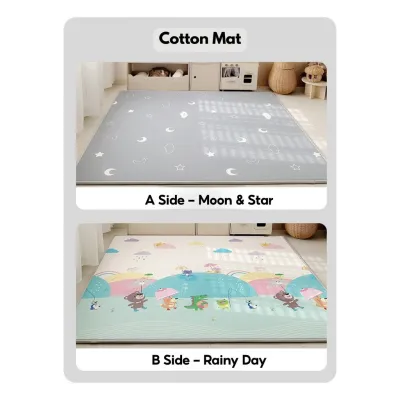
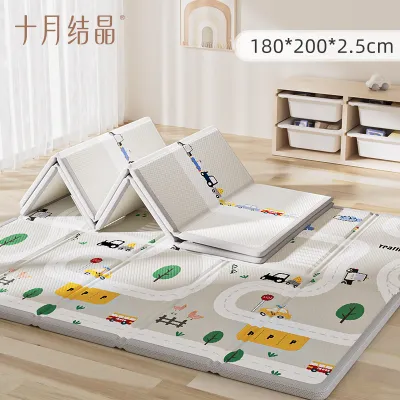

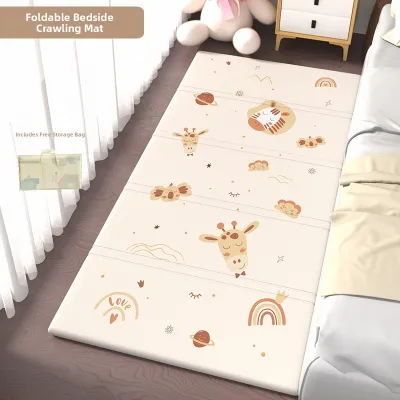
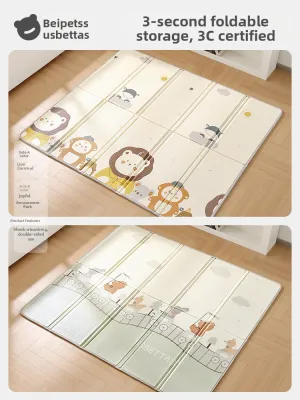
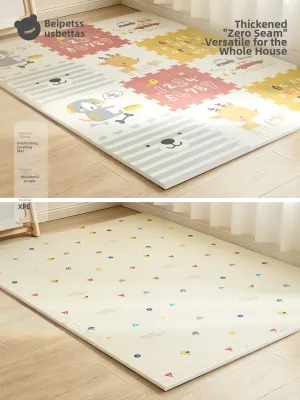
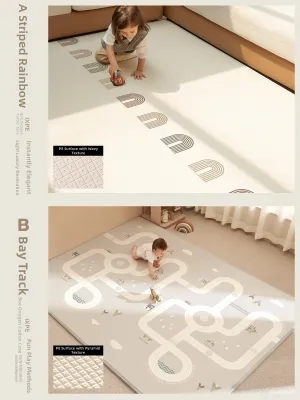
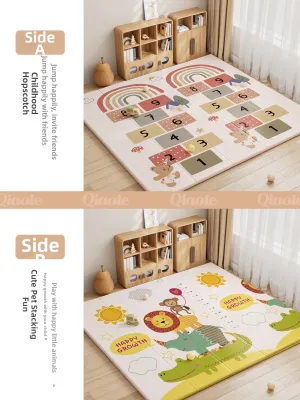
Prices are valid at publication and may change. Please refer to the product page for the latest price.
Portability is another non-negotiable factor for busy parents. An outdoor playmat should be lightweight and easy to carry alongside a stroller, diaper bag, and other baby essentials. Foldable designs that use accordion-style creases are highly convenient, as they can be collapsed in seconds and often feature integrated carrying handles or dedicated travel bags. Alternatively, rollable mats with secure straps are excellent for quick packing. When evaluating portability, consider the total weight of the mat; ideally, an outdoor mat should weigh less than two kilograms so it does not add unnecessary bulk to your travel gear.
Adequate cushioning is essential to protect your baby from uneven, hard, or hot ground. Outdoor surfaces like concrete pathways, wooden decking, or even dry lawns can be unforgiving on a baby’s developing joints. A mat with sufficient thickness—typically between 1cm and 2cm—provides a protective buffer that absorbs impact when your baby is learning to sit up or crawl. However, the cushioning material must remain lightweight and compact when folded. High-density foam, such as cross-linked polyethylene (XPE), is a popular choice because it offers excellent shock absorption without adding excessive weight.
Material safety is paramount, as babies spend significant time in direct contact with the playmat’s surface. Before making a purchase, parents should carefully inspect product labels to verify that the mat is made from non-toxic, baby-safe materials. Ensure the product is free from harmful chemicals such as bisphenol A (BPA), phthalates, lead, latex, and formamide. Because babies frequently explore their environment by touching and mouthing surfaces, choosing a mat with verified non-toxic credentials provides peace of mind that your little one is playing in a safe environment.
Matching the Playmat to Your Outdoor Activity
Different outdoor environments present unique challenges that require specific playmat characteristics. A mat that performs beautifully on a manicured park lawn might not be suitable for a windy beach or a quick stop during a busy day of errands. By matching the mat’s design to your planned activities, you can ensure your baby remains comfortable while protecting your investment from premature wear and tear.

Park Picnics and Grass Play
For classic park outings, such as a family picnic at Marina Barrage, your primary concerns are moisture protection and space. Grassy areas often harbor hidden dampness, insects, and uneven terrain. A playmat with a thick, waterproof bottom layer is essential to block moisture and provide a barrier against crawling insects. Additionally, look for a larger mat size that allows at least one caregiver to sit comfortably alongside the baby. This encourages interactive play and ensures you can supervise your baby closely as they explore their physical capabilities.
Beach and Sand Outings
Coastal environments like Sentosa or East Coast Park require a different approach to playmat selection. Sand has a tendency to cling to textured foam surfaces, making cleanup a frustrating process. For beach outings, opt for a mat made from smooth, tightly woven polyester or specialized sand-resistant fabrics that allow sand to be brushed off easily. Wind is another major factor near the coast; therefore, look for mats equipped with built-in corner loops or pockets. These loops allow you to secure the mat with safe pegs, while the pockets can be filled with sand to keep the mat firmly anchored.
Travel and On-the-Go Stops
If you frequently travel or make quick stops at cafes, shopping centers, or transit hubs, an ultra-compact playmat is invaluable. These mats are designed for rapid deployment and quick packing, often folding down to the size of a small clutch or fitting neatly into a standard diaper bag. While they may offer less cushioning than larger park mats, their primary value lies in providing a clean, familiar surface for your baby to rest or play during brief transitions. Look for lightweight, machine-washable fabrics that can be cleaned quickly after a busy day on the go.
Evaluating Brands and Verifying Product Claims
With numerous portable playmat brands available on online marketplaces and in local baby boutiques, evaluating product claims is essential to make an informed decision. Start by cross-referencing the manufacturer’s official specifications rather than relying solely on promotional descriptions. Check the exact dimensions when unfolded and folded, as well as the total weight. This ensures the mat will fit your intended storage spaces, such as your stroller’s under-seat basket or your home’s storage cabinets.
Safety certifications are a critical indicator of a brand’s commitment to quality, but they must be verified carefully. Look for recognized international standards such as EN71 (the European standard for toy safety) or ASTM (American Society for Testing and Materials) on the product packaging or the manufacturer’s official website. Because certifications can change or be misrepresented on third-party retail sites, taking the time to verify these claims directly with the brand or authorized distributors helps ensure you are purchasing a genuinely safe product for your baby.
Analyzing verified customer reviews on reputable ecommerce platforms can provide valuable insights into how a playmat performs in real-world conditions. Look for feedback from local parents who have used the mat in Singapore’s humid climate. Pay close attention to comments regarding the durability of the seams, how well the waterproof backing holds up after multiple cleanings, and whether the mat retains its cushioning over time. Reviews that mention a chemical odor upon opening are also important to note, as high-quality, non-toxic mats should have minimal to no smell.
Finally, compare prices in S$ across authorized local retailers and consider the value of the warranty and return policies offered. While parallel imports or unbranded options on online marketplaces may seem cost-effective initially, they often lack customer support or recourse if the product arrives damaged or degrades rapidly. Purchasing from an authorized local distributor ensures you receive a genuine product and access to reliable customer service should you encounter any manufacturing defects.
Safety and Maintenance for Outdoor Use
Ensuring your baby’s safety during outdoor play goes beyond choosing the right mat; it also requires careful preparation and maintenance. Before laying down your portable playmat, always conduct a thorough visual and physical sweep of the ground. Remove any sharp twigs, stones, dry leaves, or hidden debris that could puncture the mat or injure your baby. Be particularly vigilant about checking for insect nests, such as weaver ants or wasps, which are common in local parks and can pose a significant hazard to curious infants.
While outdoor play is highly beneficial, prolonged exposure to direct sunlight should be avoided. Intense tropical sunlight can cause the surface of the playmat to overheat rapidly, potentially causing discomfort or mild burns on your baby’s delicate skin. Additionally, UV rays can accelerate the degradation of synthetic materials, causing foam to become brittle and waterproof coatings to peel. Always position your playmat in a shaded area, such as under a mature tree or a park pavilion, and monitor the surface temperature of the mat regularly with your hand.
Proper cleaning and maintenance are essential to prolong the lifespan of your portable playmat and protect your baby from harmful bacteria. After every outdoor use, wipe down the mat with a damp cloth and a mild, baby-safe detergent to remove dirt, sweat, and outdoor debris. Because Singapore’s high humidity levels create an ideal environment for mold and mildew, it is crucial to let the mat air dry completely in a well-ventilated indoor area before folding and storing it. Never store a damp mat, as this can lead to persistent odors and material deterioration.
Lastly, parents must know when to stop using a portable playmat to ensure ongoing safety. Regularly inspect the mat for signs of wear and tear, such as fraying seams, peeling waterproof layers, or deep punctures. If the internal cushioning becomes permanently compressed and no longer provides adequate shock absorption, or if the outer material begins to flake, it is time to retire the mat. Continuing to use a damaged playmat can expose your baby to loose materials or fail to protect them from hard ground surfaces.
Frequently Asked Questions (FAQ)
Can I use a standard indoor foam playmat outdoors?
While it may be tempting to take your baby’s favorite indoor foam puzzle mat to the park, standard indoor mats are generally not suited for outdoor use. Indoor mats typically lack a durable, waterproof backing, meaning they can easily absorb moisture from damp grass, leading to mold growth. Additionally, the textured surfaces of indoor foam can trap dirt, sand, and outdoor allergens, making them difficult to clean thoroughly. Indoor mats are also more susceptible to punctures from twigs and gravel, which can ruin the mat and create small foam pieces that pose a choking hazard.
How do I keep a portable playmat from blowing away in the wind?
Securing a lightweight portable playmat on a breezy day is important for both comfort and safety. To prevent the mat from lifting, look for designs that feature built-in corner loops designed for ground pegs, which are highly effective on grass. If you are on a sandy beach or a hard surface where pegs cannot be used, safely weigh down the corners using soft, heavy items from your diaper bag, such as packed baby clothes, a water bottle placed securely in an outer pocket, or the diaper bag itself. Avoid using heavy, sharp, or hard objects like large rocks or bricks near the play area, as these can roll onto the mat and pose a tripping or injury hazard to your baby.

Community discussion
Share your experience or ask a question. Comments are reviewed before publication.