
Finding the right portable playmat for a toddler in Singapore requires balancing convenience with the realities of a tropical climate. With frequent afternoon showers, high humidity, and intense sun, an outdoor playmat must do more than just provide a soft surface; it must actively resist moisture from damp grass, block heat radiating from the ground, and clean up easily after encounters with mud, sand, or spilled snacks. While many brands market their mats as versatile, selecting the ideal option involves verifying specific material properties, construction details, and portability features that can withstand local conditions. By focusing on verifiable specifications rather than marketing claims, parents can find a durable, safe, and highly portable outdoor space for their active toddlers.
Essential Features for Singapore's Outdoor Environment
Damp grass in East Coast Park or the Botanic Gardens can quickly soak through standard fabrics, making moisture resistance a primary consideration. A reliable outdoor playmat must feature a dedicated waterproof or highly water-resistant bottom layer. This barrier prevents ground moisture from seeping upward, keeping your toddler dry and comfortable during extended play sessions. When evaluating options, look for materials like polyurethane (PU) coatings or heavy-duty polyester backings that explicitly state water-resistance ratings.
Singapore’s tropical sun heats up outdoor surfaces rapidly, including grass, sand, and concrete. A thin sheet or basic picnic blanket offers little protection against this rising heat. A suitable playmat requires a core layer that provides thermal insulation, keeping the top surface cool even when placed on warm ground. Closed-cell foam or specialized multi-layer polyester fills help block heat transfer, ensuring your toddler does not become overheated or uncomfortable while sitting or crawling.
Products mentioned in this guide
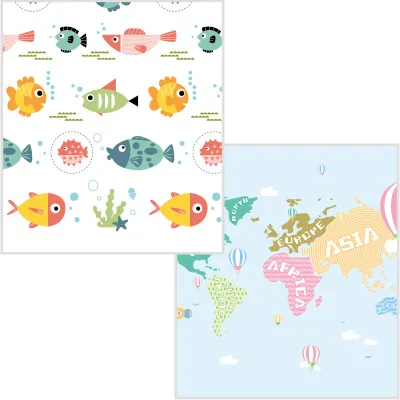
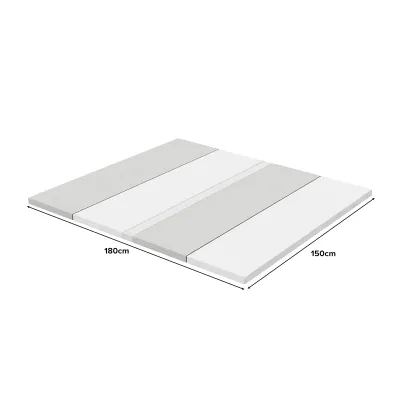
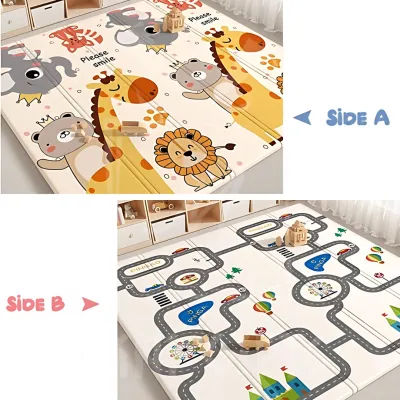
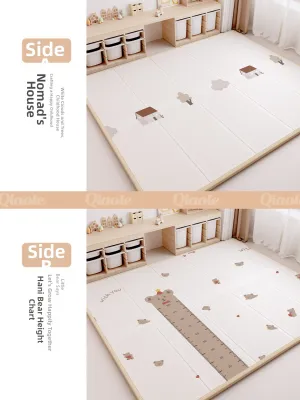
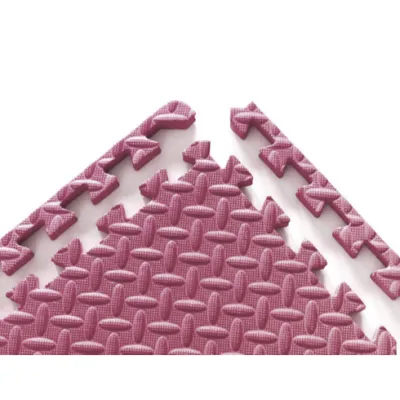
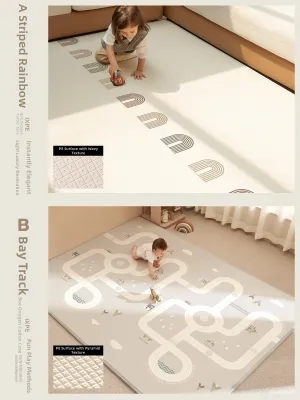
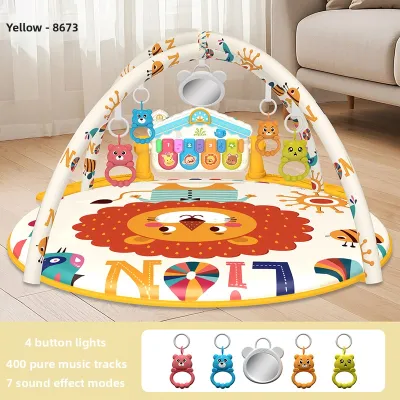
Prices are valid at publication and may change. Please refer to the product page for the latest price.
Outdoor adventures with a toddler require managing multiple bags, strollers, and gear, making portability a critical factor. A heavy or bulky mat will likely be left at home. Look for lightweight designs that fold down into a compact size, preferably with integrated carrying straps, a dedicated travel bag, or backpack-style wearability. The folding mechanism should be simple enough to operate with one hand while supervising an active child.
Outdoor play inevitably involves dirt, sand, grass clippings, and food spills. The texture of the playmat’s top surface determines how easily these elements can be cleared away. Smooth, tightly woven, or wipeable surfaces allow parents to shake off sand and wipe away sticky spills with a damp cloth or wet wipe. Avoid deep crevices, open-weave fabrics, or highly textured patterns that trap dirt and require intensive scrubbing or machine washing after every outing.
Comparing Playmat Materials for Heat and Humidity
The choice of material directly impacts how a playmat performs in Singapore’s hot and humid weather. Waterproof coated fabrics, such as Oxford polyester with a polyurethane backing, are highly durable and water-resistant, though they can feel warm to the touch if left in direct sunlight. Closed-cell foam cores, such as polyethylene (PE) or thermoplastic polyurethane (TPU), offer excellent cushioning and thermal insulation but can trap sweat if they lack a breathable top layer.

In high humidity, a non-breathable surface can cause toddlers to sweat excessively, leading to discomfort or heat rash. To mitigate this, some outdoor mats combine a waterproof bottom layer with a breathable, water-resistant fabric top layer, such as treated cotton canvas or specialized polyester blends. This hybrid construction allows air circulation on the seating surface while still protecting against ground moisture from below.
High humidity and intense sunlight accelerate material degradation and mold growth. Before purchasing, verify whether the manufacturer specifies UV resistance, which prevents the material from becoming brittle, cracking, or fading under the sun. Additionally, look for antimicrobial or mold-resistant treatments, or ensure the material is quick-drying, as damp mats stored in dark closets or car boots are highly susceptible to mildew.
Toddlers spend significant time in direct contact with the playmat surface, often placing their hands and toys on it. It is essential to verify that the materials used are non-toxic and free from harmful chemicals such as phthalates, lead, BPA, and heavy metals. Look for clear safety labels and certifications, such as OEKO-TEX Standard 100, EN71, or ASTM compliance, which indicate the product has undergone rigorous testing for children’s safety.
Safety and Comfort Checks for Active Toddlers
Active toddlers are constantly running, jumping, and tumbling. A playmat that slides easily on grass, dry sand, or park tiles can cause slips and falls. Check for a non-slip bottom design, which may feature silicone grip dots, textured rubberized backings, or high-friction materials that keep the mat securely anchored to the ground during active play.
The edges and seams of an outdoor playmat are subject to significant stress from folding, stretching, and rough ground surfaces. Double-stitched seams, reinforced borders, and heavy-duty binding tape prevent fraying and tearing over time. Well-finished edges also lie flat against the ground, reducing the risk of a toddler tripping over a curled or lifted corner.
While portability is key, the mat must still provide enough cushioning to protect your toddler from hard ground, hidden pebbles, or tree roots. A thickness of at least 5mm to 1cm is generally recommended for outdoor foam mats to offer adequate impact absorption. For fabric-based mats, a quilted or padded inner layer can provide a soft barrier without adding excessive bulk or weight.
Always verify the manufacturer’s specified age range, weight limits, and usage instructions on the product packaging. Because outdoor environments present unpredictable hazards, active caregiver supervision is required at all times while a toddler is on the mat. If you notice any signs of material degradation, peeling coatings, or loose seams, stop using the mat immediately to prevent potential choking or tripping hazards.
Even the most advanced materials can absorb heat when exposed to direct sunlight for prolonged periods. Parents should regularly check the surface temperature of the mat with their hands before letting a toddler sit down. To prevent material degradation, color fading, or potential skin discomfort, position the playmat in shaded areas under trees or pavilions, and avoid leaving it exposed to midday sun when not in use.
How to Evaluate and Shortlist Reliable Brands
When shortlisting brands, prioritize those that openly publish their safety testing results and material certifications on their official websites. Reliable manufacturers do not hide behind vague “non-toxic” claims; they provide specific details about compliance with international toy safety standards. When reviewing safety standards, treat certifications like EN71 or ASTM compliance as dynamic benchmarks that you must verify directly with the manufacturer or official certification databases, as standards and product recalls can change over time.
A durable outdoor playmat is an investment, and reputable brands stand behind their products. Evaluate the manufacturer’s warranty terms, return policies, and the responsiveness of their customer support. Look for brands that offer protection against manufacturing defects, such as delamination of the waterproof backing, premature seam splitting, or failing zippers on carrying cases.
Online reviews on ecommerce platforms and parenting forums can provide valuable insights into real-world durability. When reading reviews, filter specifically for feedback from users who have tested the mat in outdoor settings like parks, beaches, or damp grass. Pay attention to comments regarding how well the mat holds up after multiple wash cycles, whether the waterproof backing peels off over time, and how easy it is to fold back into its original shape.
Cleaning and Storing Your Outdoor Playmat
After a day at the park, your playmat will likely have collected sand, grass, and food crumbs. Start by shaking the mat vigorously to remove loose debris. For minor spills and dirt, wipe the surface with a damp cloth and a mild, baby-safe detergent. Avoid using harsh chemical cleaners, bleach, or abrasive scrubbing brushes, as these can strip away waterproof coatings and damage the material fibers.
Moisture is the primary cause of mold, mildew, and unpleasant odors on outdoor gear. Always allow your playmat to air dry completely before folding and storing it. Hang it in a well-ventilated area out of direct, intense sunlight, as excessive heat can warp foam cores or degrade waterproof backings. Never fold or pack away a damp mat, even if you plan to clean it later.
Store your clean, dry playmat in a cool, dry place away from direct sunlight and extreme temperature fluctuations. Avoid leaving the mat in the boot of your car for extended periods, as the accumulated heat can cause the materials to break down, lose their elasticity, or delaminate. Keeping the mat in its dedicated storage bag protects it from dust and accidental punctures while keeping it ready for your next outdoor adventure.
Frequently Asked Questions (FAQ)
Can I use a regular indoor playmat for outdoor picnics?
Using a standard indoor playmat outdoors is generally not recommended. Indoor mats, especially those made of soft, unprotected foam or plush fabrics, lack the necessary waterproof backing to block ground moisture and are highly susceptible to punctures from twigs, pebbles, and rough surfaces. Additionally, indoor materials often lack UV stabilizers, meaning prolonged exposure to sunlight can cause them to fade, warp, or degrade rapidly.
How do I keep the portable playmat from blowing away in the wind?
To secure your playmat on windy days without damaging its waterproof layers, place heavy, soft-edged items like diaper bags, water bottles, or shoes on the corners. Some outdoor mats come equipped with built-in corner loops or pockets that can be filled with sand or small stones to weigh them down. Avoid using sharp metal stakes or pegs directly through the mat fabric, as these will puncture the waterproof barrier and compromise its moisture resistance.

Community discussion
Share your experience or ask a question. Comments are reviewed before publication.