
Selecting a diaper bag that can withstand Singapore’s relentless heat and high humidity requires focusing on materials that resist moisture absorption, dry quickly, and allow for easy cleaning. While no single fabric offers a complete guarantee against mold or wear, high-density synthetic fibers like nylon and polyester—especially those with verified, water-resistant backings—typically offer the most practical balance of durability and moisture protection. However, the longevity of any diaper bag in a tropical environment ultimately depends on verifying the specific coatings used, inspecting structural design elements that promote airflow, and committing to regular, low-risk maintenance routines.
Parents in Singapore frequently transition between highly air-conditioned indoor spaces, such as shopping malls, and hot, humid outdoor environments like parks or playgrounds. This rapid change in temperature and humidity can cause condensation to form on and inside your bag, creating an ideal breeding ground for microscopic fungal spores. By understanding how different materials react to these specific environmental stressors, you can make an informed purchase that keeps your baby’s essentials clean, dry, and safe.
How Singapore's Tropical Climate Impacts Diaper Bag Materials
Singapore’s climate presents a unique set of challenges for everyday gear, with average relative humidity levels often hovering around 80% or higher. In such a damp atmosphere, any moisture trapped inside a diaper bag—whether from a slightly damp baby wipe, a leaky bottle, or ambient air—cannot evaporate easily. When left in dark, poorly ventilated spaces, this trapped moisture quickly leads to the growth of mold and mildew, which can ruin fabrics and compromise the hygiene of baby items.
Products mentioned in this guide
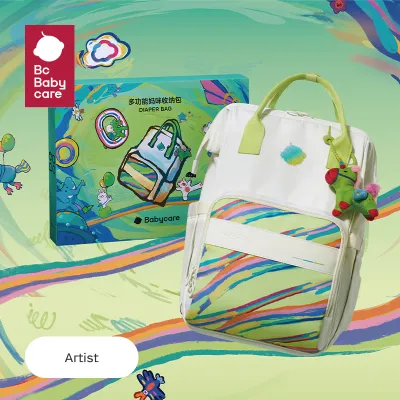
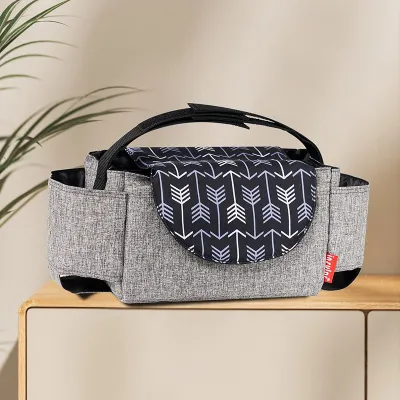
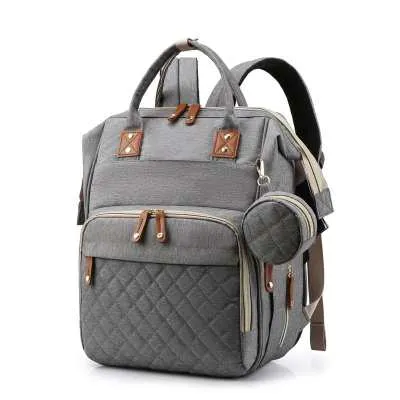
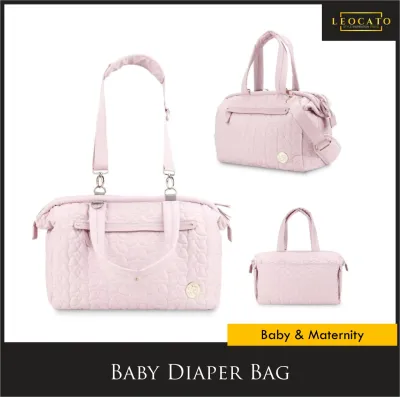
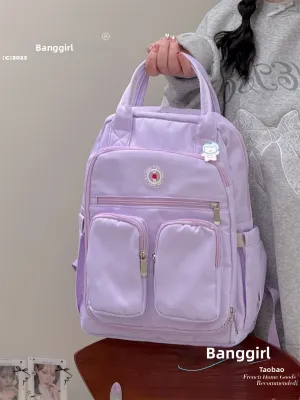
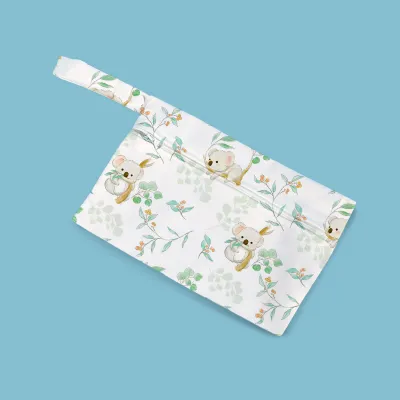
Prices are valid at publication and may change. Please refer to the product page for the latest price.
Frequent and sudden tropical downpours also demand a high level of water resistance from your bag’s exterior. A passing afternoon shower can quickly saturate standard fabrics, potentially damaging clean diapers, spare clothes, and sensitive electronics stored inside. Without a reliable outer barrier or a quick-drying material, a soaked diaper bag can remain damp for days, accelerating material degradation and fungal growth.
Furthermore, prolonged exposure to high temperatures can take a toll on the structural integrity of diaper bags. Constant warmth can weaken the adhesives used in seams, straps, and decorative elements, causing them to pull apart prematurely. Heat also accelerates the chemical breakdown of low-quality synthetic coatings, often resulting in interior linings that become sticky, brittle, or prone to flaking.
Assessing Popular Materials for Moisture and Spill Resistance
When shopping for a diaper bag, it is important to look past generic marketing terms and carefully inspect the physical properties of the materials. Nylon and polyester are highly popular synthetic options because their fibers do not absorb water readily, allowing them to dry much faster than natural alternatives. However, you should inspect the interior lining of these bags to verify if they feature a polyurethane (PU) or polyvinyl chloride (PVC) backing, which provides the actual water resistance. Be aware that while these coatings are highly effective at blocking liquid, they must be checked periodically for early signs of hydrolysis, which presents as a sticky texture or fine cracks in the lining.

Treated canvas offers a classic, rugged aesthetic but requires careful verification of its water-repellent properties. Untreated cotton canvas acts like a sponge, absorbing both liquid spills and ambient humidity, which makes it highly susceptible to mold in tropical climates. If you prefer the look of canvas, check the manufacturer’s care tags to ensure the fabric has been treated with a water-resistant finish, and understand that these treatments may require periodic reapplication to remain effective.
Vegan leather and faux leather options are widely appreciated for their stylish appearance and ease of wiping clean. Most faux leathers are made from polyurethane (PU), which can vary significantly in quality and breathability. In hot and humid climates, low-grade faux leather is highly prone to flaking and peeling due to moisture-induced chemical breakdown. To ensure durability, look for high-grade, hydrolysis-resistant PU and inspect high-friction areas, such as strap attachments and bottom corners, where material failure usually begins.
Design Features That Prevent Internal Mold and Dampness
While fabric selection is crucial, the physical design of a diaper bag plays an equally important role in preventing dampness and mold. Look for bags that feature dedicated, ventilated pockets specifically designed for wet items, soiled bibs, or damp clothing. These compartments help isolate moisture from the main cabin, preventing dampness from spreading to clean diapers and dry garments.
Airflow is one of the most effective natural defenses against mold growth. Diaper bags with wide-opening designs, such as doctor-bag frames or full clamshell zippers, allow you to open the bag completely to let air circulate through every corner. Deep, narrow bags with small top openings tend to trap humid air at the bottom, making it difficult for interior moisture to evaporate after a day out in the humid air.
Additionally, consider bags that come with removable, machine-washable inserts or changing pads. Because these components frequently come into contact with damp surfaces, spills, or soiled items, being able to remove and wash them independently makes maintaining overall hygiene much simpler. This design feature ensures you do not have to subject the entire main bag structure to frequent washing, which can prematurely wear out water-resistant coatings and structural padding.
Daily Cleaning and Drying Routines for Humid Conditions
To keep your diaper bag in top condition, establish a simple, low-risk cleaning routine after daily use. Spilled milk, formula, and baby food are highly organic substances that, when combined with Singapore’s warmth, rapidly encourage bacterial and fungal growth. Wipe away any spills immediately using a clean, damp cloth. Always consult the manufacturer’s care label before using wet wipes, dish soap, or mild detergents, as some chemical formulations can strip away protective water-resistant coatings.
Proper drying is the most critical step in preventing mold. After wiping down your bag or returning from a humid day outdoors, open every zipper and compartment fully. Place the bag in a shaded, well-ventilated indoor area with good airflow, such as near an open window or in an air-conditioned room. Avoid placing synthetic bags in direct, harsh sunlight unless the care label explicitly permits it, as intense ultraviolet rays can degrade synthetic fibers, fade colors, and cause interior coatings to crack.
Your choice of storage location also directly affects the lifespan of the bag. Avoid storing your diaper bag in dark, unventilated spaces like deep wardrobes, closed cabinets, or the trunk of a car, where heat and humidity naturally accumulate. Instead, store the bag on an open shelf or hang it in a well-ventilated room where air can circulate freely around it, keeping ambient moisture levels low.
Signs of Irreversible Damage and When to Replace Your Bag
Despite diligent care, diaper bags will eventually show signs of wear, and there are times when maintenance is no longer sufficient to ensure a hygienic environment for baby items. Deep-rooted mold that has penetrated the seams, woven fibers, or porous inner linings cannot be safely wiped away. Because infants have sensitive respiratory systems, continuing to use a bag with deep-seated mold spores poses unnecessary health risks, and the bag should be replaced.
Persistent musty odors are another clear indicator that it is time for a replacement. If a bag continues to smell damp or sour even after thorough cleaning, sanitizing according to manufacturer instructions, and extended air-drying, it indicates active bacterial or fungal growth hidden deep within the inner layers or structural foam padding. This internal growth cannot be reached or cleaned effectively, making the bag unsuitable for storing clean baby bottles, pacifiers, or toys.
Finally, pay close attention to severe coating failure on the interior lining. If the water-resistant backing begins to flake off extensively, crack, or turn into a sticky, tacky residue, the bag’s wipeable properties are permanently compromised. These flaking synthetic particles can easily rub off onto your hands and baby gear, presenting a contamination risk that outweighs the utility of keeping the bag.
Frequently Asked Questions (FAQ)
Is untreated cotton suitable for a diaper bag in a tropical climate?
Untreated cotton is generally not ideal for a diaper bag in a tropical climate like Singapore’s. Because cotton is highly porous and absorbent, it readily drinks in ambient humidity, sweat, and liquid spills, taking a long time to dry completely. This prolonged dampness creates a high risk of mildew and mold growth. If you prefer natural fibers, look for cotton-synthetic blends that feature a verified water-resistant coating or treatment on the product label.
What should I do if my diaper bag develops a musty smell?
If your diaper bag begins to smell musty, start by completely emptying all compartments and shaking out any loose debris. Wipe the interior and exterior surfaces thoroughly with a clean cloth dampened with warm water, ensuring you follow any specific cleaning instructions on the manufacturer’s care label. Open all zippers fully and leave the bag to dry in a shaded, well-ventilated indoor area with active airflow. Avoid using harsh chemical sprays, bleach, or strong essential oils, as these can damage synthetic coatings and potentially irritate your baby’s sensitive skin and respiratory system.

Community discussion
Share your experience or ask a question. Comments are reviewed before publication.