
Navigating Singapore’s bustling streets, transit networks, and vibrant outdoor spaces with an active toddler is an adventure that requires careful preparation. From stepping out of a cool, air-conditioned shopping mall in Orchard Road directly into the midday tropical heat, to boarding a crowded MRT train during peak hours, caregivers must remain highly mobile. A toddler’s daily needs are extensive, ranging from spare clothes for messy meals to water bottles, diapers, snacks, and sun protection. Managing these essentials without physical strain requires a carrying solution that balances capacity, weather resistance, and ergonomic comfort. A well-designed diaper backpack serves as a mobile base station, keeping your hands free to guide your child safely through busy urban environments.
Selecting a diaper backpack involves understanding how different materials and designs perform under specific local conditions. Singapore’s high humidity and sudden, heavy downpours demand specific material choices, while the physical demands of carrying gear for hours require careful attention to strap design and weight distribution. By focusing on practical features rather than aesthetic trends alone, you can find a bag that simplifies your outings and protects your essential gear.
Essential Features for Singapore's Weather and Transit
Singapore’s tropical climate and highly connected public transport system present unique challenges for carrying baby gear. A suitable diaper backpack should protect its contents from sudden weather changes while keeping the wearer comfortable during long walks.
Products mentioned in this guide
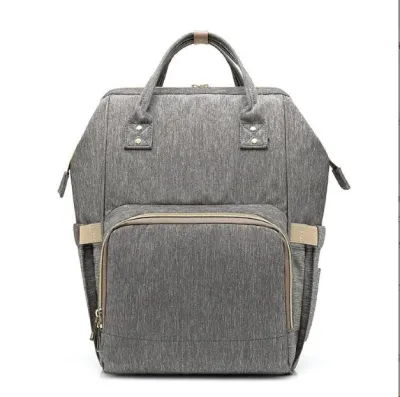
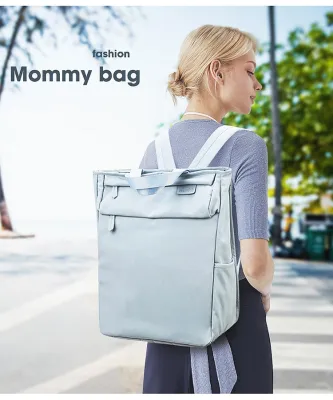
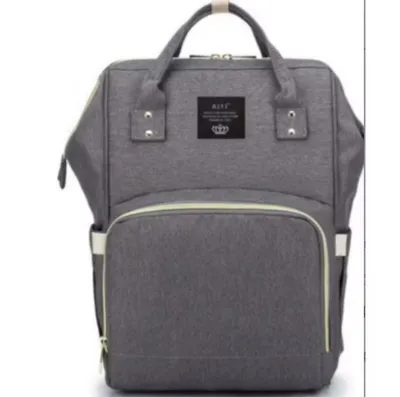
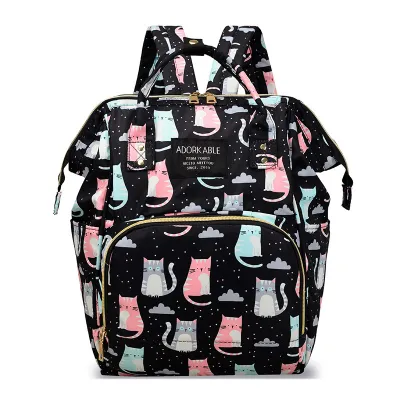
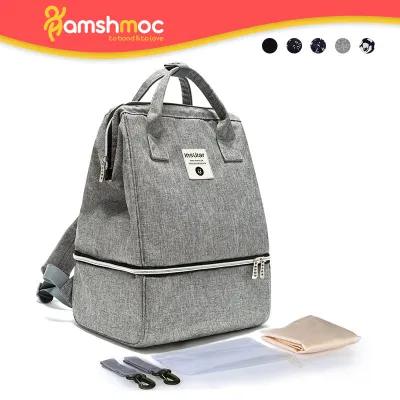
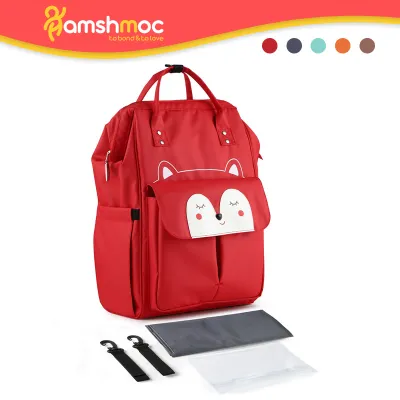
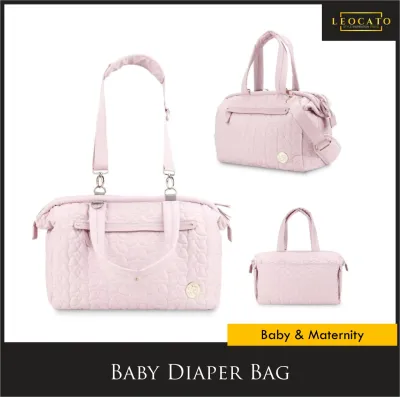
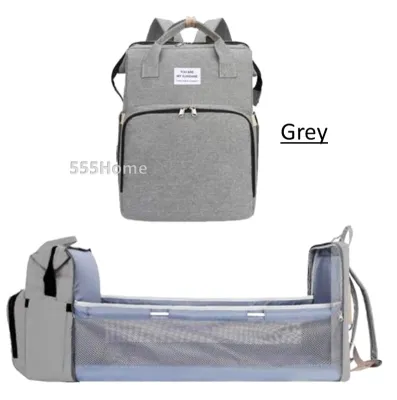
Prices are valid at publication and may change. Please refer to the product page for the latest price.
Water resistance is a highly practical feature for any outdoor gear used in Singapore. A sudden afternoon shower can quickly drench a standard fabric bag, risking damage to spare clothes, diapers, and electronic items. Look for exterior materials such as high-density nylon, polyester with a polyurethane (PU) coating, or specialized water-repellent canvas. These materials allow rainwater to bead up and slide off the surface rather than soaking through to the interior. Additionally, inspect the zippers; bags equipped with zipper guards or rubberized water-resistant zipper tracks offer an extra layer of protection against moisture seepage during heavy downpours.
High humidity levels, often exceeding 80 percent, mean that carrying a heavy backpack can quickly lead to discomfort and heat buildup. To prevent a sweaty back and skin irritation, prioritize backpacks that feature breathable back panels and shoulder straps. Look for designs utilizing 3D mesh fabric or raised foam ridges that create physical air channels between your back and the bag. These channels allow air to circulate, helping to dissipate body heat and moisture as you walk between transit stations and outdoor destinations.
Keeping liquids at a safe and palatable temperature is another critical consideration in the tropical heat. Insulated bottle pockets are essential for maintaining the temperature of milk, formula, or chilled water during outdoor excursions. Look for pockets lined with thick, food-grade aluminum foil or thermal foam insulation. While these pockets cannot replace a refrigerator for long-term storage, they effectively prevent liquids from warming up rapidly when you are spending time at outdoor parks or playgrounds.
Spills, leaks, and messy hands are inevitable when traveling with a toddler. The interior of your diaper backpack should be just as resilient as the exterior. Opt for bags with wipeable, light-colored linings made from materials like PEVA or water-resistant polyester. These linings allow you to quickly clean up spilled milk, crushed snacks, or melted sunscreen with a simple wet wipe. Avoid bags with raw, untreated fabric interiors, as they tend to absorb liquids, leading to persistent odors and mold growth in Singapore’s humid climate.
Matching the Backpack to Your Day-Out Scenario
Not all outings require the same amount of preparation or gear. Matching your diaper backpack’s volume and layout to your specific daily activities prevents you from carrying unnecessary bulk or running out of space during long excursions.

For Full-Day Excursions and Heavy Packers
When planning a full-day trip to destinations like the Singapore Zoo, Sentosa, or outdoor nature reserves, you will need a backpack with a substantial capacity, typically between 20 and 25 liters. These long outings require you to pack multiple changes of clothes, swimsuits or towels for water play areas, extra diapers, a comprehensive first-aid kit, and several meals or snacks.
For these scenarios, look for backpacks with expandable main compartments and multiple exterior zippered pockets that allow you to categorize items by frequency of use. A dedicated, padded sleeve is highly beneficial for storing a portable changing mat flat, keeping it separate from food and clothing. This sleeve can also safely hold a tablet or documents when needed.
Before purchasing a large-capacity bag, always verify its empty weight. A backpack that weighs more than 1 kg when empty will place unnecessary strain on your shoulders and back once fully loaded with water bottles and heavy toddler gear. Aim for a lightweight design that weighs between 600 and 800 grams empty, ensuring that the bulk of the carrying weight comes from your essentials rather than the bag itself.
For Quick Errands and Minimalist Trips
For short trips to the neighborhood supermarket, a nearby playground, or a quick doctor’s appointment, carrying a large, heavy backpack is counterproductive. In crowded spaces, narrow shopping aisles, or busy lifts, a bulky bag can restrict your movement and cause inconvenience to others.
A compact diaper backpack with a capacity of 10 to 15 liters is highly suitable for these short trips. Instead of sheer volume, prioritize smart, multi-use compartments that maximize space efficiency. Look for convertible designs that allow you to switch between backpack straps and a crossbody strap, giving you flexible carrying options depending on how you are managing your toddler.
Quick-access exterior pockets are crucial for short trips. You should be able to reach essential items like hand sanitizers, wet wipes, or your phone with one hand while holding your child’s hand with the other. Magnetic closures or slip pockets on the sides of the bag are excellent for retrieving items rapidly without having to stop and unzip the entire main compartment.
For Parents Sharing the Load
In many households, caregiving duties are shared, meaning the diaper backpack will be worn by different family members with varying body types and style preferences. Selecting a bag that accommodates multiple users ensures comfort and practicality for everyone involved.
Look for backpacks with highly adjustable shoulder straps that can easily expand or tighten to fit different heights and shoulder widths. Neutral, unisex designs in solid colors like charcoal, navy, olive, or black are practical choices that appeal to all caregivers. Avoid overly structured or rigid straps that cannot adapt to different body shapes.
The physical accessibility of the bag’s compartments is also important when sharing the load. Dual-zipper pulls on the main compartment allow both left-handed and right-handed users to open the bag easily from any angle. Furthermore, ensure that parent-specific pockets—designed to hold keys, wallets, and transit cards—are located in easily accessible positions, such as the top or sides of the bag, so that any caregiver can locate vital items instantly without rummaging through baby supplies.
How to Evaluate Capacity and Organization
An organized diaper backpack saves time and reduces stress during hectic moments. Evaluating the internal layout and structural design of a bag before purchasing helps ensure it meets your daily organizational needs.
To accurately assess a backpack’s capacity, map out your standard toddler packing list. Lay out the items you typically carry on a medium-length outing: four diapers, a full pack of wet wipes, a travel changing mat, a change of clothes, a light jacket for air-conditioned spaces, a water bottle, two snack containers, sunscreen, and mosquito repellent. When examining a backpack, visualize where each of these items will sit. A good bag should have dedicated spaces that prevent these items from piling up at the bottom in a disorganized heap.
The color of the interior lining plays a significant role in how quickly you can find items. Dark linings, such as black or dark brown, absorb light and make the interior of the bag look like a dark cave, making it difficult to locate small items like pacifiers, keys, or specific snack containers. Opt for bags with light-colored, contrasting linings—such as light gray, cream, or pastel blue—which reflect light and allow you to identify contents at a glance, even in low-light environments.
A dedicated wet/dry compartment is highly valuable for managing messy situations. This compartment is typically lined with waterproof materials like TPU or PEVA, creating a secure barrier that isolates wet swimsuits, soiled clothes, or dirty diapers from the clean items in the main compartment. This feature is particularly useful in Singapore, where spontaneous water play at outdoor parks is a common part of toddler outings.
Finally, check if the backpack has a structured, self-standing design. A bag that collapses or tips over when placed on a flat surface is highly frustrating to use when you are holding a squirming toddler with one hand. Look for backpacks with flat, reinforced bases, sometimes featuring small metal or plastic feet. A self-standing bag remains upright on a changing table, park bench, or restaurant floor, allowing you to access the interior easily with a single hand.
Pre-Purchase Checks and Safety Boundaries
Before finalizing your purchase of a diaper backpack, performing a few quality and safety checks can prevent physical discomfort and ensure the product’s longevity.
Inspect the physical construction of the bag thoroughly. Pay close attention to the stitching at high-stress points, such as where the shoulder straps and top handle attach to the main body of the backpack. Look for reinforced stitching, such as double-stitching or box-stitching, which prevents the seams from unraveling under heavy loads. Test all zippers multiple times; they should glide smoothly without catching on the surrounding fabric or lining. Sturdy metal clasps and D-rings are also essential if you plan to use stroller straps to hang the bag from your stroller handlebar.
Ensure the backpack does not obstruct your physical movement or vision. When fully packed, the bag should sit comfortably against your back without extending too far outward or sagging below your lower back. A bag that is too bulky or hangs too low can alter your center of gravity, increasing the risk of losing your balance on escalators, stairs, or when stepping onto public buses and MRT trains.
Always check the manufacturer’s weight limit recommendations to avoid overloading the bag. Carrying a backpack that is too heavy can lead to chronic shoulder, neck, and lower back strain. As a general safety guideline, a fully loaded backpack should not exceed 10 to 15 percent of the wearer’s body weight. If you find yourself needing to pack more than this limit, consider redistributing some items to a stroller organizer or carrying a separate, lightweight tote bag.
If you are purchasing your diaper backpack from an online marketplace or ecommerce platform, carefully review the seller’s return and exchange policies. Online product images can sometimes make a bag appear larger or smaller than it is in reality, and fabric textures can be difficult to judge from a screen. Ensuring that you have the option to return or exchange the bag if it does not fit your body comfortably or meet your storage expectations provides peace of mind during the buying process.
Frequently Asked Questions (FAQ)
Can I use a regular backpack instead of a dedicated diaper bag?
Yes, you can use a standard backpack, but you will miss out on several specialized features designed specifically for parenting needs. Standard backpacks generally lack insulated bottle pockets to keep drinks cool, wipeable interior linings for easy spill cleanup, and dedicated wet/dry compartments to isolate soiled clothing. They also rarely feature integrated stroller straps, meaning you must carry the bag on your back even when pushing a stroller in hot weather. If you choose to use a regular backpack, you can mimic the organization of a diaper bag by using color-coded packing cubes or zippered pouches to keep items separated. You will also need to purchase a separate, portable changing mat and insulated bottle sleeves to protect your supplies.
How do I clean and maintain a diaper backpack to prevent odors?
Singapore’s high humidity creates an ideal environment for mold, mildew, and bacteria to thrive, particularly if spilled milk or food crumbs are left inside a dark bag. To prevent odors and maintain hygiene, make it a habit to empty all compartments completely after every outing. Wipe down both the interior and exterior surfaces with a damp cloth and a mild, baby-safe detergent or sanitizing spray. Avoid using harsh chemical bleaches or abrasive cleaners, which can degrade water-resistant coatings. Always leave all zippers fully open and place the bag in a well-ventilated, shaded indoor area to dry completely before storing it. Always check the manufacturer’s care label before cleaning; while some fabric bags can be machine-washed on a gentle cycle, many structured bags require hand-washing to preserve their shape and protective coatings.

Community discussion
Share your experience or ask a question. Comments are reviewed before publication.