
Choosing a LEGO organizer for a compact nursery in Singapore requires balancing tight floor space with child safety and long-term organization. In typical high-density housing like HDB flats, every square meter counts, especially when a room must transition from a baby’s nursery to a toddler’s play area. The ideal storage solution maximizes vertical space, keeps tiny choking hazards securely out of reach of younger siblings, and adapts as your child’s building collection grows. By focusing on modularity, secure latching mechanisms, and multi-functional designs, parents can maintain a clutter-free environment that supports creative play without overwhelming the room.
Assessing Your Nursery Space and Storage Needs
Before purchasing any storage unit, take precise measurements of the nursery’s available footprint. Use a measuring tape to map out the exact floor area, paying close attention to wall clearance, baseboard thickness, and the swing radius of doors and wardrobe panels. In compact Singapore bedrooms, even a few centimeters of overhang can block a walkway or prevent a drawer from opening fully. Check the narrow gaps between existing furniture, such as the space between a cot and a changing table, to see if a slimline rolling cart or a slide-out tower can fit.
Estimating your current LEGO volume helps prevent buying an undersized organizer that will be outgrown within months. A helpful starting point is to measure your collection by weight or by the volume of a standard container, then double that estimate to account for future birthday gifts and holiday sets. Remember that loose bricks take up significantly more physical volume than fully assembled models, so your storage system must accommodate both loose parts and completed creations.
Products mentioned in this guide
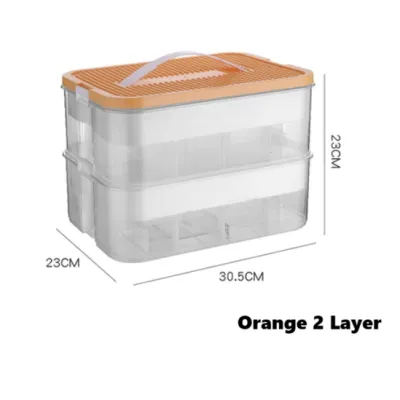
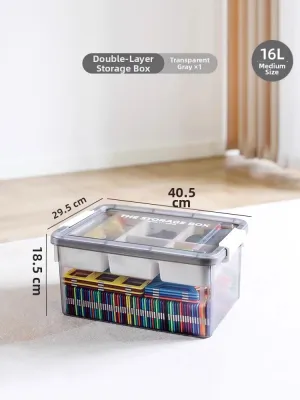
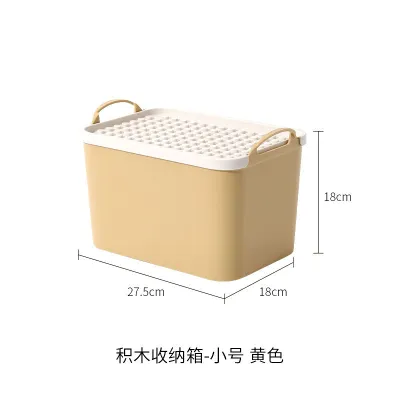
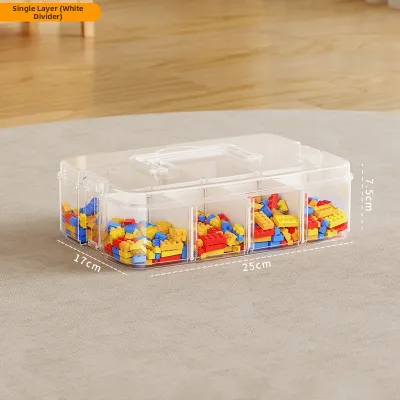

![[Kitsmall] Kids Lego Play Mat For Toy Storage Bag Outdoor Large Building Blocks Blanket Portable Children Toy Organizer Bag 40 /150cm](https://img.lazcdn.com/g/p/eca988932fca8e1e99b237079ca38d5c.jpg_400x400q80.jpg_.webp)
Prices are valid at publication and may change. Please refer to the product page for the latest price.
In a small nursery, furniture often needs to serve multiple purposes to save space. Consider whether your storage unit can double as a low play table or a building platform by adding a compatible baseplate to the top surface. This integration keeps the building activity contained to one specific zone, preventing stray bricks from migrating across the floor where they pose a tripping hazard.
Key Dimensions and Features for Compact Organizers
When floor space is limited, prioritizing vertical capacity over a wide footprint is the most effective way to maximize storage. Look for tall, narrow drawer towers or modular stacking systems that utilize the vertical plane without encroaching on the room’s central play area. A narrow unit with a small footprint can hold a surprising volume of bricks if it extends upward, provided it is properly secured to prevent tipping.

Modular or adjustable dividers are essential features for keeping small plastic pieces sorted without requiring a larger overall unit size. Instead of using multiple separate boxes, look for drawers that accept internal grid dividers or shallow trays. This allows you to categorize bricks by color, size, or set type within a single compact frame, making it easy for children to find specific parts without dumping the entire contents onto the floor.
Visibility is another critical factor in a small room where clutter can quickly feel overwhelming. Transparent drawer fronts or clear plastic bins allow children to see exactly what is inside without having to pull out and open every single container. If you prefer solid-colored bins to maintain a minimalist aesthetic, look for units with flat front panels that easily accommodate clear, visual labels or color-coded stickers.
Comparing Storage Types for Small Nurseries
Selecting the right storage type depends on your nursery’s layout and how often the bricks are used. Freestanding, wall-mounted, and hidden storage options each offer distinct advantages and trade-offs regarding accessibility, safety, and space efficiency.
Stackable Bins and Drawer Units
Freestanding modular drawers and stackable bins offer excellent flexibility because they can be rearranged as your nursery layout changes. However, stacking lightweight plastic bins high in a child’s room introduces significant stability risks. You must verify that any stacked system features secure interlocking channels or clips that prevent the upper bins from sliding off when pulled.
Weight distribution is critical when loading these units with heavy plastic bricks. Always place the heaviest baseplates, instruction manuals, and bulk brick assortments in the bottom drawers to lower the unit’s center of gravity. Check that the base of the organizer is wider than or equal to the top section, and always install manufacturer-approved wall anchors to secure any tall drawer unit firmly to the wall.
Wall-Mounted and Under-Bed Solutions
Utilizing unused vertical wall space or the empty area beneath a cot or bed can free up valuable floor space in a small nursery. Wall-mounted shelves and pegboards keep small pieces completely out of reach of crawling babies, but they require careful installation. You must locate the wall studs using a reliable stud finder and verify the weight limits of your drywall anchors to ensure the shelves can support the substantial weight of accumulated plastic bricks.
Under-bed rolling bins are excellent for hidden storage, but they require specific physical clearances. Measure the height from the floor to the bottom of the bed frame to ensure the bin, including its wheels, can slide in and out smoothly without scratching the floor. Opt for bins with durable, multi-directional wheels and secure, latching lids to protect the bricks from accumulating dust and pet hair in Singapore’s humid climate.
Safety and Practicality Checks for Nurseries
In a nursery environment, safety is the absolute priority, especially if younger infants or toddlers share the space. Small building bricks are notorious choking hazards, so any storage system must prevent easy access by unsupervised toddlers. Verify that drawers and bins feature secure latches, childproof locks, or are positioned at a height that younger children cannot reach.
Examine the physical construction of the organizer for potential physical hazards. Ensure all corners are rounded, surfaces are smooth and free of splinters or sharp plastic flashing, and drawers have built-in stops to prevent them from being pulled entirely out of the frame onto a child’s feet. If the unit is painted or made of plastic, check the manufacturer’s documentation to verify that the materials are non-toxic, lead-free, and safe for a nursery environment.
Finally, plan the placement of the organizer to ensure it does not compromise the room’s functionality or safety pathways. The unit must not block walkways, prevent doors from opening fully, or obstruct access to windows and emergency exits. Additionally, avoid placing tall storage units directly under air conditioning vents, as the airflow can circulate dust into open bins, and never place them where a child could use them as a climbing aid to reach high windows or shelves.
Step-by-Step Selection Checklist
To finalize your choice, follow this practical step-by-step checklist before making a purchase:
- Measure and Map: Verify the exact height, width, and depth of your target space, ensuring there is enough clearance for drawers to open fully.
- Assess Safety: Check for rounded edges, non-toxic material certifications, drawer stops, and included wall-anchoring hardware.
- Evaluate Capacity: Estimate your current brick volume and choose a system that offers at least fifty percent extra capacity for future growth.
- Confirm Accessibility: Ensure the sorting mechanism (drawers, dividers, or bins) matches your child's developmental stage and can be easily supervised.
- Check Environmental Protection: Verify that the containers have secure lids or closed drawers to protect the pieces from dust and humidity.
Frequently Asked Questions (FAQ)
Can I use regular toy boxes for LEGO bricks?
While large, open toy boxes are convenient for quick cleanups, they are generally impractical for storing small building bricks. Deep bins cause smaller pieces to settle at the bottom, forcing children to dump the entire contents onto the floor to find specific parts, which increases clutter and the risk of stepping on sharp edges. If you must use a larger toy box, insert smaller, shallow containers or modular sorting trays inside to keep the bricks categorized and manageable.
How do I keep dust out of LEGO organizers in a small room?
In Singapore’s humid climate, dust can quickly combine with ambient moisture to form a sticky layer on exposed plastic bricks. To prevent this, choose storage units with tight-fitting drawer fronts, latching lids, or sealed cabinet doors rather than open-topped baskets. Establish a simple routine of wiping down the exterior of the organizer with a damp microfiber cloth weekly, and ensure any open play trays are covered or emptied back into sealed bins when not in use.

Community discussion
Share your experience or ask a question. Comments are reviewed before publication.