
Selecting a postpartum belly wrap that remains comfortable for all-day wear requires looking beyond marketing promises of rapid recovery. After childbirth, your body undergoes significant physical transitions, making skin sensitivity, core instability, and fluctuating abdominal measurements your daily reality. A wrap that bunches, digs, or traps heat will quickly end up forgotten in a drawer, regardless of its structural benefits. To find a supportive garment that you can realistically wear throughout the day, you must focus on material science, structural adjustability, and how the design interacts with your specific delivery recovery.
By understanding what makes a wrap comfortable, you can make an informed decision that supports your body’s natural healing process. This guide breaks down the essential comfort features to look for, explains how to match a wrap to your delivery type, and provides a practical checklist to verify fit and safety before you buy.
Key Comfort Features to Evaluate in Postpartum Wraps
When evaluating a postpartum belly wrap for extended daily wear, the choice of fabric is your first line of defense against discomfort. Singapore’s hot and humid tropical climate presents a unique challenge for postpartum recovery garments. Wearing a thick, non-breathable band for several hours can quickly lead to heat rash, sweat accumulation, and severe skin irritation. Look for wraps constructed from lightweight, porous materials such as bamboo-derived viscose, cotton blends, or advanced mesh fabrics. These materials facilitate airflow and actively wick moisture away from the skin, helping you maintain a dry and comfortable body temperature even during active moments of newborn care. Natural fibers are highly prized for their soft texture against sensitive skin, while high-quality synthetic blends provide the necessary elasticity and recovery memory to prevent the wrap from stretching out permanently after a few uses.
Products mentioned in this guide
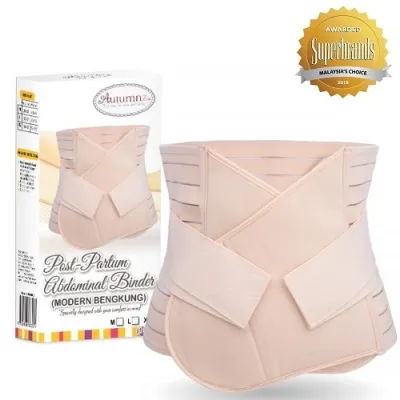
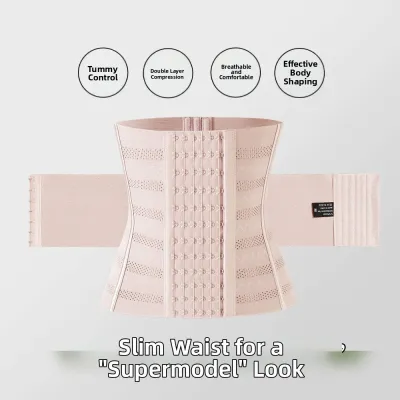
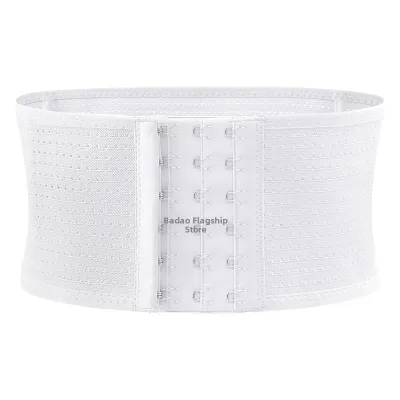
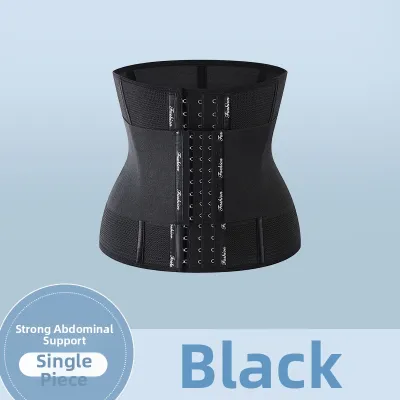
Prices are valid at publication and may change. Please refer to the product page for the latest price.
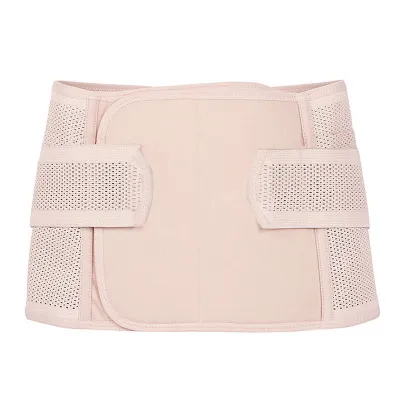
Beyond the fabric itself, the fastening and adjustability mechanisms dictate how well the wrap adapts to your movements. A high-quality wrap should allow you to fine-tune the compression level throughout the day without requiring you to completely remove the garment. Multi-panel designs or wraps with secondary tension straps are highly effective for this purpose. For instance, you may prefer a firmer hold while standing or walking, but need to loosen the tension slightly when sitting down to nurse or eat. Velcro closures that feature low-profile, soft-touch hooks are ideal, as they provide a secure grip without snagging your clothing or scratching your skin when you bend over.
The structural integrity of the wrap’s edges is another critical factor that determines long-term comfort. Many basic abdominal binders suffer from “rolling” or “bunching,” where the top and bottom edges curl inward as you move. This rolling creates high-pressure bands that dig painfully into your ribs, hips, or lower abdomen. To prevent this, look for wraps that incorporate flexible, non-removable boning or reinforced vertical seams. These structural elements distribute the compression forces evenly across your entire midsection, keeping the wrap flat against your torso. Additionally, inspect the edge finishing; seamless edges or those bound with soft, plush piping are far less likely to cause friction or chafing against sensitive postpartum skin.
Matching the Wrap to Your Postpartum Stage and Delivery Type
Your recovery path is highly dependent on your delivery method, and your choice of postpartum belly wrap must reflect these differences. For mothers who have undergone a cesarean delivery, protecting the surgical incision is the absolute priority. A wrap designed for C-section recovery must feature a soft, non-abrasive inner lining that will not catch on stitches or staples. Furthermore, the compression must be distributed in a way that avoids direct, concentrated pressure on the lower abdomen where the incision resides. Many C-section-friendly wraps utilize a high-waisted design that sits well above the pubic bone, or incorporate specialized protective panels that shield the sensitive area from friction caused by your outer clothing.

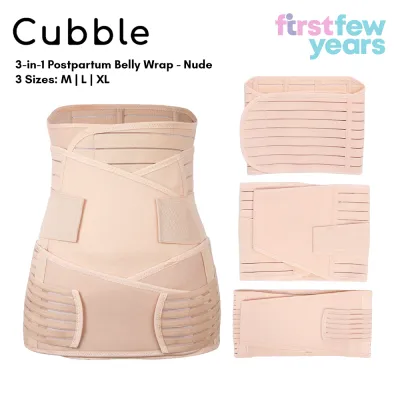
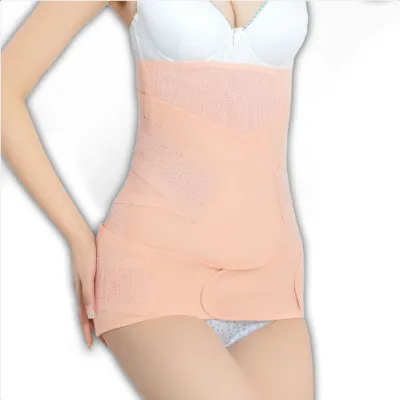
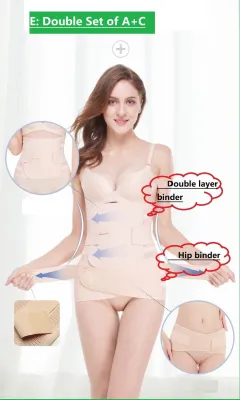
In contrast, recovery from a vaginal delivery often allows for more immediate, generalized compression across the entire abdominal and pelvic region. However, regardless of how you delivered, your body will experience rapid changes in size during the first six weeks postpartum. This process, known as uterine involution, involves your uterus gradually shrinking from the size of a watermelon back to its pre-pregnancy state. As swelling subsides and your uterus contracts, a single-size, non-adjustable wrap will quickly become too loose to provide any meaningful support. To accommodate this natural shrinkage, opt for a highly adjustable wrap or a multi-stage system. Some systems utilize three separate bands—targeting the belly, waist, and pelvis respectively—allowing you to customize the support level and placement as your body transitions through different stages of healing. This modular approach ensures that you do not have to purchase multiple entirely new garments as your measurements decrease.
Before introducing any compression garment into your daily routine, it is vital to check the manufacturer’s guidelines and consult your healthcare provider. The appropriate start date can vary significantly; while some vaginal recovery wraps can be worn within the first few days postpartum, C-section wraps typically require waiting until the incision has closed and received medical clearance. Additionally, daily wear limits must be respected. Wearing a wrap continuously for too many hours can inadvertently weaken your core muscles by doing the work your abdominal wall and pelvic floor should be doing. Most manufacturers recommend limiting wear to a few hours at a time, gradually increasing duration only as comfort and physical tolerance permit, while always prioritizing active core rehabilitation.
Pre-Purchase Verification and Fitting Checklist
To ensure you select a wrap that delivers genuine comfort and safety, you must look past promotional claims and perform a thorough pre-purchase verification. Start by examining the detailed material composition on the product label or official specifications sheet. Avoid products that rely on vague descriptions like “miracle slimming fabric” without listing the exact fiber percentages. Whether you are investing in a premium multi-panel wrap costing upwards of S$80 or a basic abdominal binder, verifying the material composition on the product label is essential. Look for a high percentage of breathable fibers, and verify the care instructions. Postpartum wraps require frequent washing due to sweat, milk spills, and lochia. A wrap that is machine-washable and retains its elasticity after multiple washes is far more practical than one requiring delicate hand-washing or dry cleaning.
Once you have purchased a wrap, conducting a systematic fit check is essential before wearing it for an extended period. Put the wrap on and perform a series of basic movements: sit down in a chair, bend over as if to pick up a baby, and take several deep diaphragmatic breaths. The wrap should feel like a firm, supportive hug around your midsection, not a restrictive corset. You should be able to slide two fingers easily under the edge of the wrap. If you find yourself taking shallow breaths, or if you feel a downward pressure on your pelvic floor when the wrap is fastened, the tension is too high and must be loosened immediately to prevent complications. Excessive downward pressure can strain your pelvic floor muscles, potentially leading to pelvic organ prolapse or worsening urinary incontinence, which runs entirely counter to your recovery goals.
Finally, you must remain highly attentive to your body’s signals while wearing the garment. A postpartum wrap should never cause pain, numbness, or physical distress. If you experience skin redness that does not fade quickly after removing the wrap, localized itching, or a tingling sensation in your legs or abdomen, stop using the garment immediately. These are clear warning signs of poor circulation, nerve compression, or material hypersensitivity. If you experience an increase in pelvic pressure, urinary incontinence, or localized pain near a healing incision, remove the wrap and consult a qualified healthcare professional or pelvic floor physiotherapist before attempting to wear it again.
Frequently Asked Questions (FAQ)
Can I wear a postpartum belly wrap while sleeping?
Generally, manufacturers and healthcare professionals advise against wearing a postpartum belly wrap while sleeping. When you lie down, your body naturally redistributes pressure, and the continuous compression of a wrap can restrict deep breathing and impede circulation during rest. Furthermore, your abdominal and core muscles need periods of complete relaxation to prevent dependency on the external support. Sleeping without the wrap also allows your skin to breathe, reducing the risk of sweat retention and irritation. Unless a qualified medical professional has specifically instructed you to wear a support garment overnight—such as to manage a severe separation or surgical complication—it is best to remove the wrap before going to bed to allow your body to recover naturally.
How tight should a postpartum belly wrap feel for all-day comfort?
A postpartum belly wrap should feel snug and supportive, providing gentle compression rather than a restrictive, waist-cinching effect. A reliable way to test the tension is to sit down comfortably and take a deep breath; if you feel restricted or find yourself breathing only into your chest, the wrap is too tight. You should also be able to slip two fingers flat beneath the band without struggle. If you notice signs such as numbness in your hips, shortness of breath, or an uncomfortable downward sensation in your pelvic floor, the wrap is exerting excessive pressure. Adjust the straps to a lighter setting, keeping in mind that the goal is structural support and stability, not physical reshaping through force.
Do postpartum belly wraps help with diastasis recti?
Postpartum belly wraps can provide temporary external support and improve your awareness of your core posture, but they do not cure or actively repair diastasis recti. Diastasis recti is the separation of the rectus abdominis muscles, which requires deep muscle rehabilitation and pelvic floor coordination to heal effectively. While a wrap can help hold the abdominal wall in a supported position during daily activities, relying solely on passive compression can actually delay recovery by allowing your core muscles to remain inactive. To address diastasis recti safely and permanently, you should use the wrap only as a temporary aid alongside a targeted exercise program guided by a physiotherapist or qualified healthcare provider.

Community discussion
Share your experience or ask a question. Comments are reviewed before publication.