
Selecting the right baby food cutter depends on your baby’s current developmental stage and your family’s daily routine. During the weaning journey, your child’s ability to process different textures changes rapidly, moving from completely smooth purees to soft mashes, minced textures, and eventually small, bite-sized solids. Matching the preparation tool to these evolving physical capabilities ensures that meal preparation remains efficient while supporting safe swallowing and oral motor development.
For parents managing busy schedules, the choice also hinges on where and how meals are prepared. A tool designed for batch-cooking purees at home serves a very different purpose than a portable pair of food scissors meant for dining out at local food centres. By understanding the specific texture requirements of each weaning phase and evaluating the physical design of available tools, you can select a food cutter that simplifies meal preparation and adapts to your child’s growing appetite.
Understanding Weaning Stages and Texture Requirements
The weaning process is a gradual transition designed to help your baby develop the oral motor skills necessary for solid foods. In the initial stage, which typically begins around six months of age, babies require extremely smooth, uniform purees. At this point, their swallowing reflex is adapted only for liquids and highly diluted solids, meaning any lumps can trigger a gag reflex. The primary goal during this early phase is introducing single ingredients, requiring preparation tools that can reduce foods to a completely liquid-like consistency.
Products mentioned in this guide
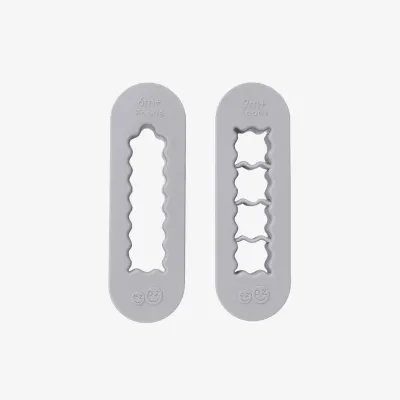
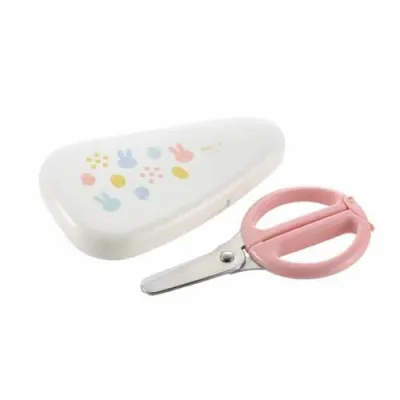
![[Kawaii Kiddy] Richell Baby Food Stainless Steel Scissors](https://img.lazcdn.com/g/p/7152271175affcae004c32a43a1c5e13.png_400x400q80.png_.webp)
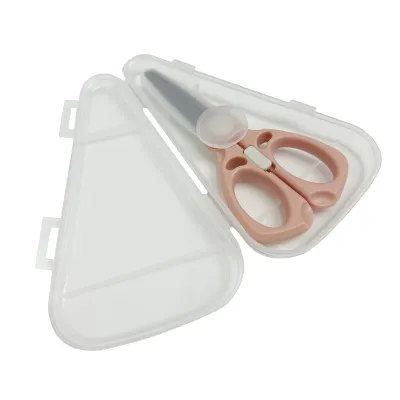
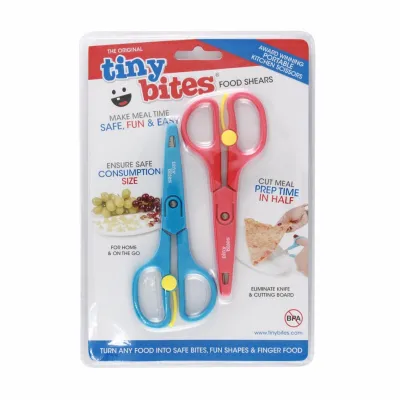
Prices are valid at publication and may change. Please refer to the product page for the latest price.
As your baby grows and begins to show improved tongue control, usually around seven to eight months, you can transition to thicker, textured mashes. This stage introduces small, soft lumps that encourage the baby to use their tongue to press food against the roof of their mouth. Food preparation at this point shifts from complete liquefaction to gentle crushing, allowing soft-cooked vegetables, fruits, and grains to retain some physical structure while remaining soft enough to swallow without chewing.
By nine to eleven months, most babies are ready for minced and finely chopped foods. This stage is crucial for developing the lateral tongue movements and jaw strength needed for actual chewing. Foods no longer need to be mashed into a paste; instead, they should be cut into tiny, uniform pieces about the size of a grain of rice. This texture allows babies to practice picking up food with their fingers, fostering independence and fine motor skills while ensuring the pieces are small enough to pass safely through the esophagus.
Around twelve months and beyond, toddlers transition to table foods, which are finely chopped or cut into bite-sized pieces. At this stage, their chewing motion is more coordinated, but they still lack the molars required to grind down tough fibers. Food cutters used during this period serve to quickly portion family meals into safe, manageable sizes, reducing the risk of choking on larger chunks of meat, fibrous vegetables, or slippery noodles.
Before advancing your baby to any new texture stage, it is essential to observe their individual readiness cues. Look for signs such as the ability to sit upright with minimal support, good head control, and an interest in reaching for food. If your baby consistently pushes food out of their mouth with their tongue or struggles to swallow, they may not be ready for thicker textures. Always consult your pediatrician or a qualified healthcare professional to discuss your baby’s specific developmental milestones and to receive personalized guidance on safe food introduction.
Types of Baby Food Cutters and Their Best Uses
To meet these varying texture needs, manufacturers offer several distinct categories of baby food cutters, each designed for specific stages of weaning and preparation environments. Understanding the mechanical advantages and limitations of each type allows you to choose a tool that fits seamlessly into your daily routine.

Manual scissors and shears are highly popular for their portability and convenience, making them excellent tools for the later stages of weaning. Typically constructed with plastic, ceramic, or stainless steel blades, these scissors allow parents to cut noodles, vegetables, and soft meats directly in the serving bowl. They are particularly useful when dining out, as they require no electricity, operate silently, and can be easily packed into a diaper bag. However, manual scissors are not suitable for early weaning stages, as they cannot produce the ultra-smooth purees or fine mashes required by beginners.
Mashing and grinding bowls represent a non-electric, highly tactile approach ideal for the early to middle stages of weaning. These sets usually consist of a textured bowl with interior ridges and a matching hand pestle or masher. By pressing cooked ingredients against the ridged surface, you can easily control the consistency, creating anything from a smooth puree to a coarse mash. These bowls are highly durable, easy to clean, and perfect for preparing single-portion meals at home or during travel where power outlets are unavailable.
Electric mini choppers and blenders are the workhorses of bulk home food preparation. Equipped with high-speed rotating blades, these compact appliances can process larger quantities of food in seconds, making them ideal for parents who prefer to batch-cook and freeze meals. They excel at creating perfectly smooth, lump-free purees from tough or fibrous ingredients that manual tools struggle to break down. While highly efficient, they are less portable, require a power source, and involve more components to clean and sanitize after each use.
Multi-function weaning sets combine several tools into a single, nesting package, often including a grater, strainer, juicer, and mashing bowl. These bundles offer excellent versatility for parents who want to experiment with different preparation methods as their baby’s preferences change. While purchasing a bundle can be highly cost-effective, it is important to evaluate whether you will actually use every component. In some cases, buying a single, high-quality specialized tool—such as a dedicated pair of food shears—may offer better durability and ease of use than a multi-piece plastic set.
Key Features to Check Before Buying
When selecting a baby food cutter, evaluating specific physical and functional attributes ensures that the product is safe, durable, and practical for daily use. Because these tools come into direct contact with your baby’s food, material safety and hygiene must be your primary considerations.
First, verify the material safety labels on the product packaging or the manufacturer’s official specifications. Look for explicit declarations that the product is BPA-free, phthalate-free, and made from food-grade materials. If the tool features plastic components, ensure they are constructed from high-quality, food-safe plastics like polypropylene (PP). For metal parts, look for food-grade stainless steel, which resists rust and maintains its structural integrity over repeated washings.
Ergonomics and ease of use play a significant role in how often you will use the tool. A good baby food cutter should feature an ergonomic grip that fits comfortably in your hand, reducing fatigue during extended preparation sessions. If you plan to use the tool while holding your baby, look for designs that allow for safe, one-handed operation. Portability is another key factor; if you frequently dine out, prioritize lightweight cutters that come with a dedicated protective travel case to keep the blades clean and prevent accidental cuts in your diaper bag.
The design of the blade or grinding mechanism directly impacts the tool’s performance and longevity. When comparing blade materials, check the manufacturer’s specifications regarding sharpness retention and corrosion resistance. Stainless steel blades are highly durable and can cut through tougher proteins, but they require careful drying to prevent rust. Ceramic blades, on the other hand, do not rust and maintain their sharpness for a long time, but they can be brittle and may chip if dropped on hard surfaces or used on bones. For manual mashing bowls, inspect the depth and pattern of the grinding ridges to ensure they are pronounced enough to break down food efficiently without trapping excessive residue.
Safety, Cleaning, and Maintenance Essentials
Maintaining strict hygiene standards is critical when preparing food for infants, as their developing immune systems are more vulnerable to foodborne illnesses. A baby food cutter must be thoroughly cleaned and sanitized after every use to prevent the growth of harmful bacteria.
Before purchasing, verify the cleaning requirements specified by the manufacturer. Some food cutters are fully dishwasher-safe, while others require hand-washing to protect delicate blades or internal mechanisms. Pay close attention to the physical design of the tool; avoid models with deep, inaccessible crevices, hollow handles, or complex spring mechanisms where food particles and moisture can become trapped. If hand-washing, use a dedicated bottle brush and mild, baby-safe dish soap to reach all surfaces, and allow the tool to air-dry completely before storing it.
Sterilization limits vary significantly depending on the materials used in the cutter’s construction. Never assume that a plastic or silicone tool can withstand high temperatures. Check the manufacturer’s instructions to determine if the product can safely undergo steam sterilization, boiling, or UV sanitization. Some plastics may warp, degrade, or release chemicals when exposed to extreme heat, while certain blade adhesives can weaken over time. Adhering strictly to the temperature limits provided by the manufacturer preserves the safety and structural integrity of the tool.
Regular inspection routines are essential to ensure the ongoing safety of your food preparation equipment. Before each use, inspect the cutter for signs of wear and tear, such as cracked plastic, loose screws, dull or chipped blades, and degraded silicone seals. If you notice any damage, discard the tool immediately to prevent plastic fragments or metal shavings from contaminating your baby’s food. Over time, manual scissors may lose their alignment, making them less effective and increasing the risk of hand strain; replacing these tools promptly ensures safe and efficient meal preparation.
Building Your Shortlist: A Step-by-Step Decision Guide
To synthesize these criteria into a practical purchasing plan, follow this step-by-step decision guide tailored to your lifestyle and your baby’s current developmental needs.
Step 1: Define your primary use case. Determine where and how you will prepare the majority of your baby’s meals. If you plan to prepare large batches of purees at home to freeze for the week, an electric mini chopper or a comprehensive mashing bowl set is the most practical choice. If your family frequently dines out or travels, prioritize a portable, manual pair of food scissors with a protective travel case.
Step 2: Match the tool mechanism to your baby’s current weaning stage. For early weaning (six to eight months), focus on mashing bowls or electric blenders that can achieve a perfectly smooth consistency. For later stages (nine months and beyond), transition to manual scissors or shears that can quickly mince and chop soft solids into safe, bite-sized pieces. Consider purchasing a tool that can adapt, or plan to transition between tools as your baby’s chewing skills develop.
Step 3: Verify product specifications and compare options. Once you have identified the type of tool you need, check the official manufacturer specifications to confirm material safety certifications and cleaning instructions. Compare prices in S$ across authorized local retailers or official brand stores to ensure you are purchasing a genuine product with a valid warranty, avoiding unverified third-party sellers on online marketplaces.
Frequently Asked Questions (FAQ)
Can I use regular kitchen scissors instead of a dedicated baby food cutter?
While regular kitchen scissors can physically cut food, they are generally not recommended for preparing baby food due to hygiene and safety concerns. Standard kitchen shears often feature larger, sharper blades designed for heavy-duty tasks like cutting raw meat or packaging, which can pose a safety risk during quick table-side preparation. Furthermore, regular scissors often have deep crevices around the pivot screw that are difficult to clean thoroughly, leading to a high risk of cross-contamination from adult food residues, raw ingredients, or harsh dishwashing chemicals. Dedicated baby food cutters are designed with food-grade, easy-to-clean materials, often featuring protective covers and blade designs optimized specifically for soft, child-sized portions.
How do I know when to transition from a mashing bowl to a food cutter?
You can consider transitioning from a mashing bowl to a food cutter when your baby displays clear signs of advanced chewing readiness, such as making active chewing motions with their jaws, easily swallowing thick mashes without gagging, and attempting to pick up food with their fingers. Physically, mashing bowls are limited to soft, easily crushable foods and cannot efficiently handle fibrous vegetables, leafy greens, or tougher proteins like chicken or beef. When your baby requires these diverse food groups cut into precise, tiny minced pieces to practice chewing, a dedicated food cutter or pair of shears becomes necessary to achieve the uniform, bite-sized textures that a masher cannot produce.
Are ceramic blades safer than stainless steel for baby food preparation?
Neither material is universally safer; instead, they offer different performance characteristics that you must match to your maintenance preferences. Ceramic blades are highly resistant to rust, do not transfer metallic tastes, and retain their sharpness for a long period without requiring sharpening. However, they are brittle and can chip or shatter if dropped on hard kitchen floors or used to cut hard materials like bones or frozen foods, requiring careful handling and storage. Stainless steel blades are highly durable, impact-resistant, and versatile, but they require thorough drying after washing to prevent rust and may dull more quickly over time. Always check the manufacturer’s guidelines for proper care, storage, and replacement to ensure the blades remain safe and intact.

Community discussion
Share your experience or ask a question. Comments are reviewed before publication.